Audio and Video Cables
CN → US| HS Code | Tariff Rate | Origin | Destination | Doc |
|---|---|---|---|---|
| 8544499000 | 38.9% | CN | US | Official Doc |
| 8518908100 | 35.0% | CN | US | Official Doc |
| 8543706000 | 35.0% | CN | US | Official Doc |
| 8544422000 | 85.0% | CN | US | Official Doc |
| 8543709860 | 37.6% | CN | US | Official Doc |
Product Images
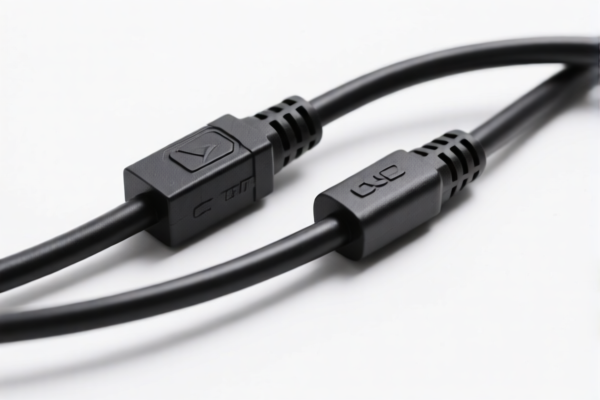
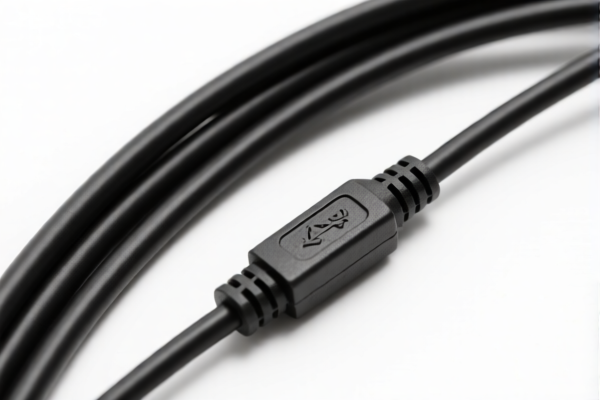
AI Analysis
🔌 Audio & Video Cables: HS Code Classification & Tariff Breakdown (2026 Update)
🌐 Global Trade Compliance Guide | 2026 Latest Tariff Analysis | Professional Customs Clearance Strategy
📌 I. Product Definition & Core Characteristics: What Exactly Are "Audio and Video Cables"?
Audio and video cables are essential transmission media in the modern digital economy, connecting source devices (computers, smartphones, TVs) to output devices (monitors, speakers, projectors). In international trade, their classification is not straightforward because it depends on electrical properties, insulation status, and functional intent.
Two Main Categories: 1. Insulated Conductors (Electrical Wires/Cables): Cables that transmit electrical signals where the primary function is electrical connectivity, often falling under Chapter 85 (Electrical Machinery). 2. Electronic Apparatus/Accessories: Cables viewed as components or accessories to specific electronic devices (like audio systems), potentially falling under different subheadings.
⚠️ Critical Distinction Point:
- If the cable is primarily an insulated electrical conductor (voltage ≤ 1,000V) used for signal transmission → Likely HS 8544.
- If the cable is considered a part/accessory of a specific audio device → Likely HS 8518 or 8543.
- Misclassification can lead to huge tariff differences (from ~35% to 85%).
📦 II. HS Code Classification Matrix (2026 Customs Tariff Reference)
Based on the provided data, here are the 5 specific HS Codes and the logic for their classification:
| HS Code | Product Description & Logic | Key Classification Feature | Total Tax Rate |
|---|---|---|---|
| 8544.49.90.00 | Insulated Electrical Conductors: Audio/Video cables classified as insulated conductors, voltage ≤ 1,000V. | Voltage & Insulation: Fits "Other insulated conductors" for voltages ≤ 1,000V. | 38.9% |
| 8518.90.81.00 | Parts of Audio Apparatus: Cables viewed as accessories/parts for audio equipment. | Function as Part: Classified under "Parts of sound broadcasting/reproducing apparatus." | 35.0% |
| 8543.70.60.00 | Electrical Apparatus: Cables used to connect audio/video devices, fitting "Instruments/networks" logic. | Signal Processing Logic: Treated as an electrical apparatus designed for interconnection. | 35.0% |
| 8544.42.20.00 | Telecommunication Conductors: Electrical conductors for telecom/AV transmission. | Telecom Category: Specifically categorized under "Insulated wire/cord for telecommunications." | 85.0% |
| 8543.70.98.60 | Other Electrical Machinery: Cables as functional electrical devices (metal conductor + insulating jacket). | Catch-all Device: Classified under "Other machines and apparatus" for electrical functionality. | 37.6% |
🔍 Key Insight:
- HS 8544.42.20.00 is the most expensive (85%) because it falls under Telecommunication Insulated Conductors with additional steel/aluminum/copper penalties.
- HS 8518.90.81.00 and 8543.70.60.00 offer the lowest base rates (35%) but require careful justification of their "part" or "apparatus" status.
💰 III. 2026 Tariff Structure Detailed Breakdown (US Market)
✅ Applicable Country: USA (US)
✅ Country of Origin: China (CN)
✅ Effective Date: Post-2025/2026 Trade Policies
🎯 1. HS Code: 8544.49.90.00
Classification: Insulated Electrical Conductors, Audio/Video Type
Total Tax Rate: 38.9%
| Component | Rate | Source/Legal Basis |
|---|---|---|
| Base Tariff | 3.9% | Standard MFN (Most Favored Nation) Rate |
| Section 301 Tariff | 25.0% | USITC Footnote 9903.88.01 (China-origin goods) |
| IEEPA Tariff | 10.0% | International Emergency Economic Powers Act (122-Clause) |
| Total | 38.9% | 3.9% + 25.0% + 10.0% |
📌 Explanation:
- This classification treats the cable as a generic insulated wire.
- The 25% Section 301 tax applies to most Chinese electrical goods.
- The 10% IEEPA tax is a new/additional layer for specific Chinese imports.
- No additional metal penalties apply here (unlike HS 8544.42.20.00).
🎯 2. HS Code: 8518.90.81.00
Classification: Parts of Audio Apparatus
Total Tax Rate: 35.0%
| Component | Rate | Source/Legal Basis |
|---|---|---|
| Base Tariff | 0.0% | Duty-free for many electronic parts |
| Section 301 Tariff | 25.0% | USITC Footnote 9903.88.01 |
| IEEPA Tariff | 10.0% | IEEPA 122-Clause |
| Total | 35.0% | 0.0% + 25.0% + 10.0% |
📌 Explanation:
- This is a strategic classification because the base tariff is 0%.
- However, you must prove the cable is a specific part/accessory of an audio device, not just a generic wire.
- Risk: If customs disagrees and classifies it as a generic wire (8544), you owe the extra 3.9%.
🎯 3. HS Code: 8543.70.60.00
Classification: Electrical Apparatus (Interconnection Device)
Total Tax Rate: 35.0%
| Component | Rate | Source/Legal Basis |
|---|---|---|
| Base Tariff | 0.0% | Duty-free for specific electrical apparatus |
| Section 301 Tariff | 25.0% | USITC Footnote 9903.88.01 |
| IEEPA Tariff | 10.0% | IEEPA 122-Clause |
| Total | 35.0% | 0.0% + 25.0% + 10.0% |
📌 Explanation:
- Similar to 8518, this leverages a 0% base tariff.
- Justification: The cable is an "apparatus" designed for connecting instruments/networks, implying a functional role beyond simple conduction.
🎯 4. HS Code: 8544.42.20.00
Classification: Insulated Conductors for Telecommunications
Total Tax Rate: 85.0%
| Component | Rate | Source/Legal Basis |
|---|---|---|
| Base Tariff | 0.0% | Standard rate for telecom conductors |
| Section 301 Tariff | 25.0% | USITC Footnote 9903.88.01 |
| IEEPA Tariff | 10.0% | IEEPA 122-Clause |
| Metal Penalty | 50.0% | Additional 50% for Steel, Aluminum, or Copper products under specific trade actions |
| Total | 85.0% | 0.0% + 25.0% + 10.0% + 50.0% |
📌 WARNING:
- This is the highest risk classification.
- The 50% metal penalty is applied because the cable likely contains copper conductors.
- Only use this if your product is strictly defined as telecommunications equipment (not general AV). For general AV, this is a trap.
🎯 5. HS Code: 8543.70.98.60
Classification: Other Electrical Machinery (Functional Device)
Total Tax Rate: 37.6%
| Component | Rate | Source/Legal Basis |
|---|---|---|
| Base Tariff | 2.6% | Standard rate for other electrical machinery |
| Section 301 Tariff | 25.0% | USITC Footnote 9903.88.01 |
| IEEPA Tariff | 10.0% | IEEPA 122-Clause |
| Total | 37.6% | 2.6% + 25.0% + 10.0% |
📌 Explanation:
- A "catch-all" for electrical devices not elsewhere specified.
- Base tariff is low (2.6%), but still higher than the 0% base rates of 8518/8543.70.60.
🛠️ IV. Customs Clearance Practical Advice
✅ 1. Documentation Checklist (Must-Haves)
| Document | Required? | Purpose |
|---|---|---|
| Product Specification Sheet | ✅ Yes | Details: Voltage (≤1,000V?), Length, Connector Types (HDMI, RCA, XLR), Material (Copper/Aluminum). |
| Circuit Diagram/Block Diagram | ✅ Yes | Proves if it's just a wire (8544) or has signal processing/electronic components (8543/8518). |
| Commercial Invoice | ✅ Yes | Must clearly state "Audio/Video Cable" and HS Code. |
| Certificate of Origin (CO) | ✅ Yes | For China-origin goods, to confirm Section 301/IEEPA applicability. |
| Third-Party Test Reports | ✅ Yes | FCC (USA), CE (EU), RoHS. Especially critical if claiming "electronic apparatus" status. |
| Packing List | ✅ Yes | Shows if cables are sold individually or with equipment (if with equipment, they may be classified as part of the main device). |
✅ 2. Strategic Classification Tips (How to Save Money)
🔥 Golden Rule: "Avoid 8544.42.20.00 at all costs unless you are in telecom!"
| Scenario | Recommended HS Code | Tax Rate | Strategy |
|---|---|---|---|
| Generic HDMI/USB-A/VGA Cables | 8544.49.90.00 | 38.9% | Safest bet. Clearly "insulated conductor." |
| Cables sold as "Accessories" to Audio Players | 8518.90.81.00 | 35.0% | Argue it's a "part" of the audio system. Save 3.9% vs. 8544. |
| Cables with Active Electronics (e.g., Signal Boosters) | 8543.70.60.00 | 35.0% | If it has chips/amplifiers, it's "apparatus," not just a wire. Save 3.9% vs. 8544. |
| Pure Copper Wire for Telecom | 8544.42.20.00 | 85.0% | AVOID for AV cables. Only for telecom. |
| Other Electrical Connectors | 8543.70.98.60 | 37.6% | Backup option if others are rejected. |
📌 Important Note:
- 8518.90.81.00 and 8543.70.60.00 offer the lowest total tax (35.0%).
- To justify these, your invoice and marketing materials should refer to the cable as an "Audio Accessory" or "Signal Interconnection Device" rather than just a "Wire."
- Provide a technical datasheet showing the cable's role in the audio/video ecosystem.
✅ 3. Common Mistakes & Pitfalls
❌ Mistake 1: Using 8544.42.20.00 for general AV cables.
👉 Result: 85% tax due to copper penalty.
👉 Fix: Reclassify to 8544.49.90.00 or 8518.90.81.00.
❌ Mistake 2: Claiming 0% base tariff (HS 8518/8543) without proof.
👉 Result: Customs audits, delays, and potential back-taxes at 38.9%.
👉 Fix: Ensure your product has a clear "accessory" or "apparatus" function, not just passive conduction.
❌ Mistake 3: Ignoring IEEPA 10%.
👉 Result: Underpaying taxes.
👉 Fix: All classifications above include the 10% IEEPA tax. Do not forget it.
🌍 V. Global Market Comparison (2026)
| Market | Recommended HS Code | Est. Total Tax | Notes |
|---|---|---|---|
| 🇺🇸 USA | 8518.90.81.00 or 8544.49.90.00 | 35.0% - 38.9% | Highest complexity due to Section 301 & IEEPA. |
| 🇨🇳 China | 8544.49.90.00 | ~5-7% | No Section 301. Lower tariffs. |
| 🇪🇺 EU | 8544.49.90.00 | 4-5% | No IEEPA/301. CE certification required. |
| 🇬🇧 UK | 8544.49.90.00 | 4-5% | Post-Brexit rules apply. UKCA mark needed. |
| 🇯🇵 Japan | 8544.49.90.00 | 3-5% | No significant additional tariffs. |
📌 Conclusion:
- The US market is the most challenging due to the 35-85% tariff range.
- Optimization is key: Use 8518.90.81.00 or 8543.70.60.00 to save 3.9% per unit.
- For high-volume shipments, consider Advance Ruling from US Customs to lock in the lower HS Code.
📌 VI. Final Recommendations for Importers
- Audit Your Datasheets: Ensure technical documents support the "Accessory" or "Apparatus" classification if aiming for 35%.
- Avoid Copper Penalties: Never classify AV cables as "Telecom Conductors" (8544.42.20.00) unless strictly necessary.
- Declare Accurately: Use precise descriptions: "Audio Interconnect Cable, HDMI Type, Insulated, Voltage ≤ 1,000V" for 8544.49.90.00.
- Consult a Broker: Given the complexity of IEEPA and Section 301, work with a customs broker to file a Binding Ruling if your volume is high.
🎯 Remember:
🔹 "Wire vs. Accessory" determines your tax.
🔹 "Telecom" is a tariff trap.
🔹 "IEEPA 10%" is always on.
✨ Professional Compliance, Lower Costs, Faster Clearance!
💼 Every penny saved on classification is pure profit!
Customer Reviews
About HS Code Classification
The Harmonized System (HS) is an internationally standardized nomenclature developed by the World Customs Organization (WCO) to classify traded products. Over 200 countries use the HS system as the basis for customs tariffs, trade statistics, and import/export regulations.
Each HS code follows a hierarchical structure:
- Chapter (2 digits) — Broad category of goods (e.g., Chapter 84: Machinery and Mechanical Appliances)
- Heading (4 digits) — More specific grouping within the chapter
- Subheading (6 digits) — Internationally standardized breakdown, used by all WCO member countries
- National subdivisions (8-10 digits) — Country-specific extensions for further classification, such as US HTSUS 10-digit codes
Correct HS code classification is essential for smooth customs clearance, accurate duty payment, and compliance with trade regulations. Misclassification can lead to customs delays, overpayment of duties, or penalties.
When importing from CN to US, the applicable tariff rates may include:
- Most-Favored-Nation (MFN) rate — The standard duty rate applied to WTO members
- General rate — Applied to countries without trade agreements
- Trade remedy duties — Additional tariffs such as Section 301 (anti-dumping), Section 232 (national security), or countervailing duties
The information provided on this page is for reference purposes only. For official classification, please consult with your local customs authority or a licensed customs broker.