Auto Repair Tools
CN → US| HS Code | Tariff Rate | Origin | Destination | Doc |
|---|---|---|---|---|
| 8467290040 | 17.5% | CN | US | Official Doc |
| 8205595560 | 40.3% | CN | US | Official Doc |
| 8206000000 | 0.0% | CN | US | Official Doc |
| 8467891000 | 17.5% | CN | US | Official Doc |
| 8205593080 | 35.0% | CN | US | Official Doc |
Product Images
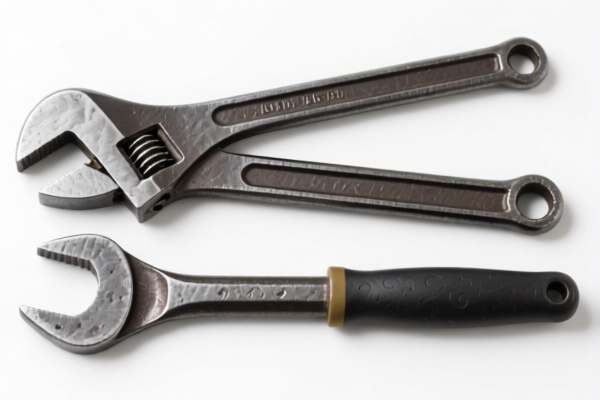
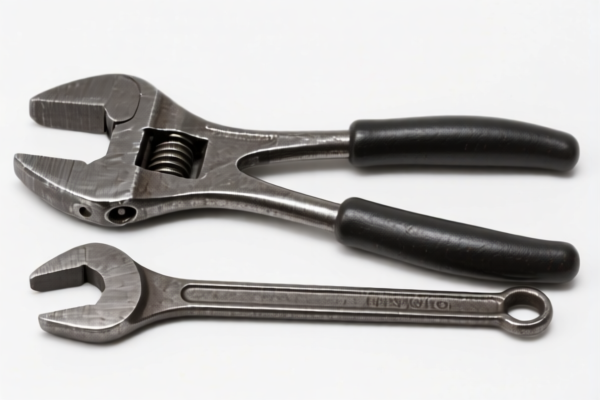
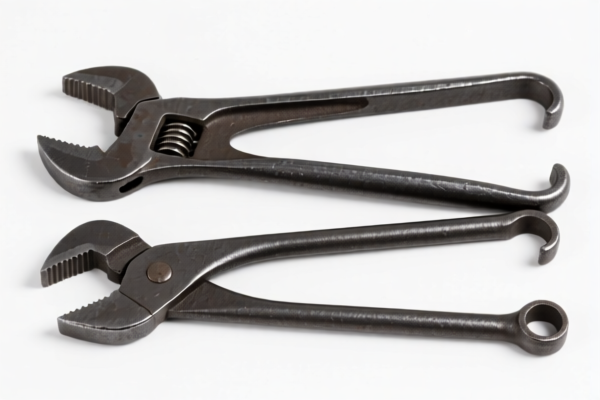
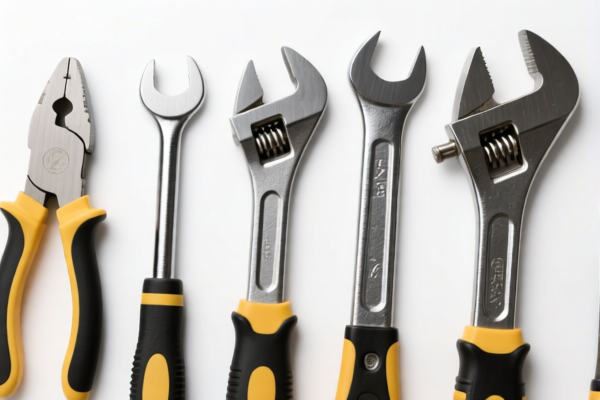
AI Analysis
🛠️ Auto Repair Tools: HS Code Classification & US Customs Strategy (2026 Edition)
🌐 HS Code Reference & Customs Clearance Guide | 2026 Latest Tariff Analysis | Professional Clearance Strategy
📌 I. Product Definition & Classification: What Are "Auto Repair Tools"?
"Auto Repair Tools" is a broad functional term covering instruments used to maintain, service, or repair motor vehicles. In international trade and US Customs (CBP) classification, these tools are generally categorized based on their mechanism of operation and material composition:
- Hand Tools (Non-Motorized): Wrenches, sockets, screwdrivers, pliers, hammers. If made of base metal (iron/steel) and not specifically named elsewhere, they fall under Chapter 82.
- Power/Powered Tools: Impact wrenches, pneumatic drills, electric torque wrenches. These fall under Chapter 84 or 85 depending on the power source (electric vs. pneumatic/hydraulic).
- Sets/Kits: Retail sets containing multiple tools. Classification often depends on the "essential character" of the set or specific subheadings for "sets of tools."
⚠️ Key Distinction Point:
- If the tool is manual (hand-operated) and made of metal, it typically falls under Chapter 82 (Tools, Implements, Cutlery...).
- If the tool is powered (electric/pneumatic) and handheld, it typically falls under Chapter 84 (Machinery & Mechanical Appliances).
- Misclassification Risk: Declaring a powered impact wrench as a simple hand wrench can lead to severe penalties due to duty rate discrepancies.
📦 II. HS Code Classification Details (2026 Latest Tariff Authority Cross-Reference)
Based on the provided data, here are the five most likely HS Codes for "Auto Repair Tools" and the reasoning for each:
| HS Code | Product Description | Application Scenario | Reasoning / Match Basis |
|---|---|---|---|
8467.29.00.40 |
Power Tools: Screwdriver/Impact Wrench | Pneumatic/Electric impact wrenches, cordless screwdrivers | Match: Falls under "Hand-held tools for working in the hand." Compatible with mechanical structure of screw drivers/impact wrenches. No material conflict. |
8205.59.55.60 |
Hand Tools: Other (Metal) | Manual wrenches, socket sets, pliers | Match: "Auto repair tools" are hand tools. Inferred as metal (iron/steel) due to lack of specific material conflict. Fits "Other hand tools" (residual category). |
8206.00.00.00 |
Hand Tools: Sets of Tools | Retail kits containing wrenches, sockets, etc. | Match: "Tools" function aligns. Inferred as a "set of tools" for retail sale. No material/form conflict. |
8467.89.10.00 |
Power Tools: Other (Pneumatic/Hydraulic) | Pneumatic ratchets, hydraulic jacks (handheld), specialized repair engines | Match: Matches "Hand-held tools... pneumatic/hydraulic." Inferred metal usage for auto repair. No conflict with "metal processing" residual category. |
8205.59.30.80 |
Hand Tools: Other (Specific Metal Sub-cat) | Specific metal hand tools not elsewhere specified | Match: Inferred as "Other hand tools" based on form and usage. No clear material conflict. |
🔍 Critical Reminder:
- Powered vs. Hand-Powered: The difference between8467(Powered) and8205(Hand) is the primary determinant of duty rates.
- Sets: If sold as a kit,8206.00.00.00is often used, but the duty calculation method ("rate applicable to that article in the set") makes it complex and risky.
💰 III. 2026 Latest Tariff Rate Breakdown (Including Additional Duties & Policies)
✅ Applicable Country: United States (US)
✅ Origin: China (CN)
✅ Effective Date: 2025/2026 Trade Policies (Section 301 & IEEPA)
🎯 1. 8467.29.00.40 – Power Tools: Impact Wrenches/Screwdrivers
| Item | Detail |
|---|---|
| Base Duty Rate | 0.0% (ad valorem) |
| Section 301 Additional Duty | +7.5% |
| IEEPA (122-Clause) Duty | +10% |
| Total Effective Rate | 17.5% |
| Tax Calculation | CIF Value × 17.5% |
| De Minimis Exemption | ❌ Not Eligible (Subject to 301/IEEPA rules) |
| Legal Basis Path | IEEPA:9903.01.25 → USITC:8467.29.00.40 |
📌 Explanation:
- Base Rate 0%: Favorable base rate for certain power tools.
- Section 301 (7.5%): Standard US-China trade war tariff for many machinery tools.
- IEEPA (10%): Additional tariff under International Emergency Economic Powers Act targeting specific Chinese imports.
- Total 17.5%: Moderate risk compared to hand tools.
🎯 2. 8205.59.55.60 – Hand Tools: Other Metal (Manual)
| Item | Detail |
|---|---|
| Base Duty Rate | 5.3% (ad valorem) |
| Section 301 Additional Duty | +25.0% |
| IEEPA (122-Clause) Duty | +10% |
| Total Effective Rate | 40.3% |
| Tax Calculation | CIF Value × 40.3% |
| De Minimis Exemption | ❌ Not Eligible |
| Legal Basis Path | IEEPA:9903.01.24 → USITC:8205.59.55.60 → FOOTNOTE:301 |
📌 Warning:
- High Duty Alert: This is a high-cost category. The 25% Section 301 tariff is the standard for most Chapter 82 hand tools.
- Base 5.3%: Unlike power tools, hand tools often have a non-zero base rate.
- Total 40.3%: Significantly impacts profit margins. Must be priced accordingly.
🎯 3. 8206.00.00.00 – Sets of Hand Tools
| Item | Detail |
|---|---|
| Base Duty Rate | Variable (Rate applicable to the article in the set with the highest duty) |
| Section 301 Additional Duty | +25.0% |
| IEEPA (122-Clause) Duty | +10% |
| Total Effective Rate | Subject to +35.0% (Base + 25%) |
| Tax Calculation | Depends on the "essential character" component |
| De Minimis Exemption | ❌ Not Eligible |
| Legal Basis Path | USITC:8206.00.00.00 |
📌 Complexity Note:
- The duty is not a flat rate. It applies the highest applicable rate of the components in the set.
- If the set contains even one item subject to 25% Section 301, the entire set may be subject to that rate.
- Risk: High audit risk due to subjective "essential character" determination.
🎯 4. 8467.89.10.00 – Other Power Tools (Pneumatic/Hydraulic)
| Item | Detail |
|---|---|
| Base Duty Rate | 0.0% (ad valorem) |
| Section 301 Additional Duty | +7.5% |
| IEEPA (122-Clause) Duty | +10% |
| Total Effective Rate | 17.5% |
| Tax Calculation | CIF Value × 17.5% |
| De Minimis Exemption | ❌ Not Eligible |
| Legal Basis Path | IEEPA:9903.01.25 → USITC:8467.89.10.00 |
📌 Explanation:
- Similar to8467.29.00.40, this benefits from a 0% base rate.
- Ideal for pneumatic impact wrenches or hydraulic jacks if correctly classified here.
- Total 17.5%: More cost-effective than manual tools (8205series).
🎯 5. 8205.59.30.80 – Hand Tools: Other Specific Metal
| Item | Detail |
|---|---|
| Base Duty Rate | 0.0% (ad valorem) |
| Section 301 Additional Duty | +25.0% |
| IEEPA (122-Clause) Duty | +10% |
| Total Effective Rate | 35.0% |
| Tax Calculation | CIF Value × 35.0% |
| De Minimis Exemption | ❌ Not Eligible |
| Legal Basis Path | USITC:8205.59.30.80 |
📌 Note:
- Lower base rate (0%) than8205.59.55.60, but still subject to 25% Section 301.
- Total 35.0%: Still high, but 5.3% cheaper than the other manual tool category.
🛠️ IV. Customs Clearance Practical Advice (Avoid Pitfalls)
✅ 1. Documentation Checklist (Mandatory)
| Document | Required? | Description |
|---|---|---|
| ✅ Product Specification Sheet | ✔️ | Must detail: Power source (Electric/Pneumatic/Manual), Material (Steel/Aluminum), Voltage/PSI. |
| ✅ High-Res Photos | ✔️ | Show clear view of motor, battery, air inlet, or lack thereof. Prove it's a "Tool." |
| ✅ Bill of Lading / Commercial Invoice | ✔️ | Must specify "Auto Repair Tools" NOT generic "Hardware." |
| ✅ Material Declaration | ✔️ | Explicitly state "Made of Iron/Steel" to support Chapter 82 classification. |
| ✅ HS Code Pre-Ruling | ✔️ | Highly Recommended for large shipments to avoid disputes. |
✅ 2. Classification Strategy (Key Mantra)
🔥 "Power = Ch84, Hand = Ch82. 301 Hits Both, But Base Rates Differ!"
| Scenario | Correct Classification | Incorrect Classification | Consequence |
|---|---|---|---|
| Electric Impact Wrench | 8467.29.00.40 (17.5%) |
8205.59.55.60 (40.3%) |
Underpayment of 22.8% → Penalty + Back Duties |
| Manual Socket Set | 8205.59.55.60 (40.3%) |
8467.89.10.00 (17.5%) |
Overpayment → Lost profit, potential audit for fraud if intent proven |
| Pneumatic Ratchet | 8467.89.10.00 (17.5%) |
8205.59.30.80 (35.0%) |
Underpayment of 17.5% → Penalty |
| Tool Kit (Mixed) | 8206.00.00.00 (Variable) |
Individual items | Complex Audit Risk → Delayed clearance |
✅ 3. Special Considerations
| Situation | Recommendation |
|---|---|
| OEM Private Label | Ensure invoice lists both Manufacturer and Brand. Do not hide origin. |
| "Smart" Tools | If the tool has Bluetooth/WiFi, CBP may still classify as Ch84/82 based on primary function, but check for Ch90 (Instrumentation) overlap. |
| Battery Included | If lithium batteries are included, additional DOT/Packaging regulations apply (Section III of IEEPA may affect battery classification). |
| De Minimis (Section 321) | NOT APPLICABLE. All these HS codes are subject to 301/IEEPA duties, meaning $800 de minimis exemption is void. |
🌍 V. Global Market Comparison (2026)
| Country/Region | Recommended HS Code | Duty Rate (China Origin) | Certification | Notes |
|---|---|---|---|---|
| 🇺🇸 USA | 8467... or 8205... |
17.5% - 40.3% | None (General) | Highest Risk Market due to 301/IEEPA. |
| 🇨🇳 China | 8467... or 8205... |
0% - 6% | CCC (if applicable) | No additional tariffs for imports into China. |
| 🇪🇺 EU | 8467... or 8205... |
0% - 4.5% | CE Marking | No Section 301 equivalent, but strict CE safety standards. |
| 🇨🇦 Canada | 8467... or 8205... |
0% - 6.5% | Health Canada (if pneumatic) | CUSMA benefits may apply if origin is North American. |
| 🇲🇽 Mexico | 8467... or 8205... |
0% - 5% | NOM Standards | USMCA benefits if locally assembled. |
📌 Conclusion:
- The US market is the most expensive for Chinese-made auto repair tools due to Section 301 and IEEPA tariffs.
- Power tools (8467) are ~20% cheaper in duties than manual tools (8205).
- If possible, shift strategy to import power tools instead of manual tools to save ~20-25% in duties.
📌 VI. Common Errors & Pitfalls (Lessons Learned)
❌ Error 1: Declaring a powered impact wrench as a "Hand Tool" (8205)
👉 Result: CBP reclassifies to 8467, demanding back duties. Penalty applied.
❌ Error 2: Ignoring Section 301 in pricing
👉 Result: Profit margin erased by 25% additional duty. Loss of competitiveness.
❌ Error 3: Using "Hardware" as a generic description
👉 Result: Customs cannot determine HS Code. Shipment held for inspection.
❌ Error 4: Assuming De Minimis applies to small packages
👉 Result: Packages with $100 value still taxed 17.5-40.3%. Surprise bills for customers.
✅ Correct Practice:
"Electric Impact Wrench, 1/2 Inch Drive, 0-1000 RPM, 18V Lithium, Model XYZ, FCC Certified"
🎯 VII. Conclusion: Professional Classification Saves Money!
🎯 Remember the Mantra:
🔹 "Power = Ch84, Hand = Ch82. 301 is Real. 17.5% vs 40.3% is a HUGE gap."
🔹 "HS Code Determines Duty. Duty Determines Profit. Get it Right."
📌 Pro Tip:
- If your product is assembled in Vietnam or Mexico, check for USMCA/CUSMA benefits to avoid Section 301 tariffs.
- Always request an Advance Ruling from CBP for new product lines.
- Price your US goods with a minimum 25% buffer for manual tools and 18% buffer for power tools.
📣 Immediate Action:
📞 Contact a Licensed Customs Broker
📸 Provide High-Res Photos & Specs
🚀 Secure Your HS Code Pre-Ruling
💼 Protect Your Margins in the US Market!
✨ Professional Clearance Starts with Accurate Classification!
💼 Every Dollar Saved in Duty is Pure Profit!
Customer Reviews
About HS Code Classification
The Harmonized System (HS) is an internationally standardized nomenclature developed by the World Customs Organization (WCO) to classify traded products. Over 200 countries use the HS system as the basis for customs tariffs, trade statistics, and import/export regulations.
Each HS code follows a hierarchical structure:
- Chapter (2 digits) — Broad category of goods (e.g., Chapter 84: Machinery and Mechanical Appliances)
- Heading (4 digits) — More specific grouping within the chapter
- Subheading (6 digits) — Internationally standardized breakdown, used by all WCO member countries
- National subdivisions (8-10 digits) — Country-specific extensions for further classification, such as US HTSUS 10-digit codes
Correct HS code classification is essential for smooth customs clearance, accurate duty payment, and compliance with trade regulations. Misclassification can lead to customs delays, overpayment of duties, or penalties.
When importing from CN to US, the applicable tariff rates may include:
- Most-Favored-Nation (MFN) rate — The standard duty rate applied to WTO members
- General rate — Applied to countries without trade agreements
- Trade remedy duties — Additional tariffs such as Section 301 (anti-dumping), Section 232 (national security), or countervailing duties
The information provided on this page is for reference purposes only. For official classification, please consult with your local customs authority or a licensed customs broker.