Automatic Buckle Belt
CN → US| HS Code | Tariff Rate | Origin | Destination | Doc |
|---|---|---|---|---|
| 4205004000 | 36.8% | CN | US | Official Doc |
| 4205008000 | 35.0% | CN | US | Official Doc |
| 6217108500 | 24.6% | CN | US | Official Doc |
| 6217109550 | 32.1% | CN | US | Official Doc |
Product Images
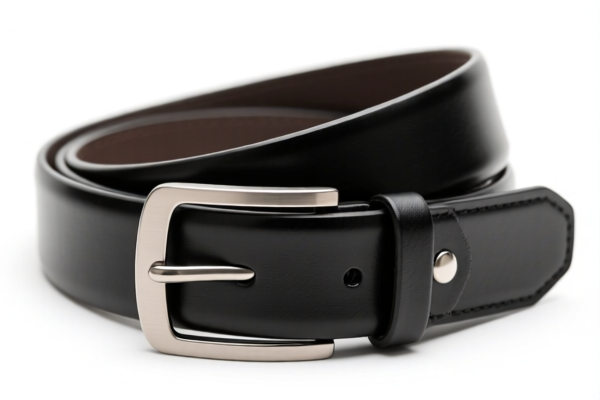
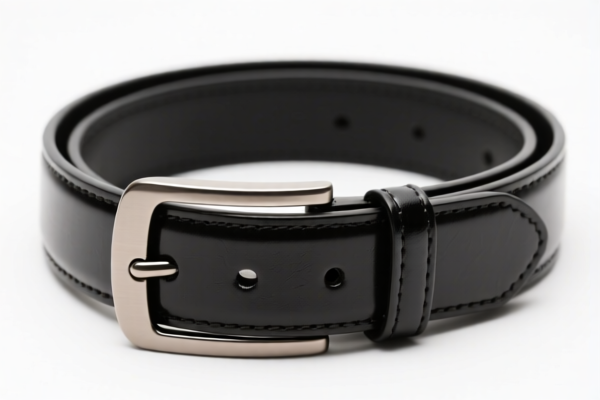
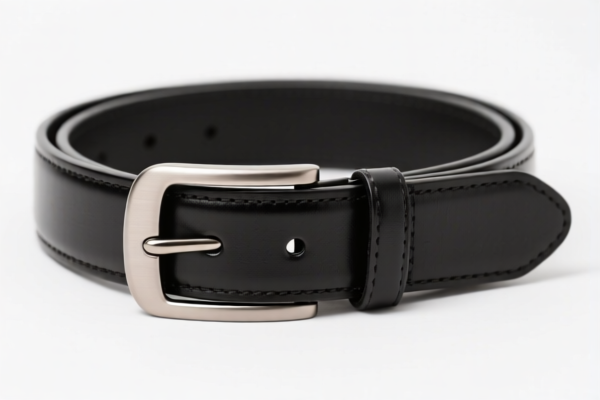
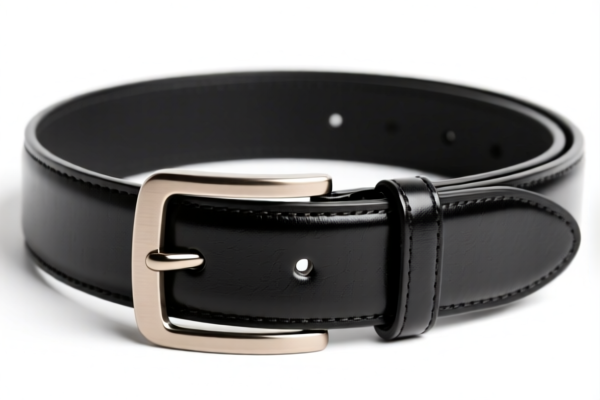
AI Analysis
🎒 Automatic Buckle Belts (Leather & Synthetic Variants)
🌐 HS Code Reference & Customs Clearance Guide | 2026 Latest Tariff Analysis | Professional Compliance Strategy
📌 One: Product Definition & Classification: Do You Really Understand "Automatic Buckle Belts"?
An automatic buckle belt is a type of accessory used to secure clothing, primarily made of leather or synthetic materials, featuring a self-locking mechanism in the buckle. In international trade, its classification depends heavily on material composition and functional classification (as a standalone leather good vs. an apparel accessory).
Leather Goods (Heading 42):
Belts made of leather or regenerating leather are often classified under Chapter 42 as finished leather articles.
Apparel Accessories (Heading 62):
Belts considered as "parts" or "accessories" of garments (especially those made of synthetic leather or specific composite materials) may fall under Chapter 62.
⚠️ Key Distinction Point:
- If classified as a finished leather article (independent good) → Chapter 42
- If classified as a garment accessory (part of the apparel trade) → Chapter 62
- The presence of USITC Section 301 tariffs and IEEPA Section 177/122 tariffs drastically affects the total cost, especially for goods originating from China.
📦 Two: HS Code Classification Details (2026 Latest Tariff Authoritative Comparison)
| HS Code | Product Description | Applicable Scenario | Tariff Category |
|---|---|---|---|
4205.00.40.00 |
Automatic buckle belts, material: Leather or Regenerating Leather | Classified as Belt Strips | 🎯 Chapter 42 (Leather Articles) |
4205.00.80.00 |
Automatic buckle belts, material: Leather or Synthetic Leather | Classified as Other Leather Articles | 🎯 Chapter 42 (Leather Articles) |
6217.10.85.00 |
Automatic buckle belts, Apparel Accessory, Material: Leather or Synthetic Leather | Classified as Made-up Clothing Accessories | 🎯 Chapter 62 (Garments/Accessories) |
6217.10.95.50 |
Automatic buckle belts, Apparel Accessory, Material: Leather or Synthetic Leather | Classified as Other Made-up Accessories | 🎯 Chapter 62 (Garments/Accessories) |
🔍 Key Reminder:
- Chapter 42 items generally have lower Base Duties but are subject to High Additional Tariffs due to trade disputes. - Chapter 62 items have higher Base Duties but may have lower Additional Tariffs in some scenarios, yet still face specific trade restrictions. - Material matters: "Regenerating leather" falls under 4205.40; "Other leather/synthetic" falls under 4205.80. - Function matters: If declared as a "Belt Strip" vs. "Apparel Accessory," the HS code changes completely.
💰 Three: 2026 Latest Tariff Rate Breakdown (Including Surtaxes & Policy Add-ons)
✅ Applicable Country: United States (US)
✅ Origin: China (CN)
✅ Effective Date: Post-2025 Trade Adjustments (Includes Section 301 & IEEPA Measures)
🎯 1. 4205.00.40.00 — Belt Strips, Leather/Regenerating Leather
| Item | Content |
|---|---|
| Base Duty Rate | 1.8% (ad valorem) |
| Section 301 Surtax | +25.0% (USITC Footnote) |
| IEEPA/Section 122 Tariff | +10.0% (Targeted China Import) |
| Total Effective Tax Rate | 36.8% |
| Tax Calculation | CIF Value × 36.8% |
| De Minimis Exemption | ❌ Denied (deny_de_minimis) |
| Legal Path | USITC:4205.00.40.00 → SECTION_301 → IEEPA:122 |
📌 Explanation:
- Although the base duty is low (1.8%), the 25% Section 301 tariff and 10% IEEPA 122 tariff push the total to 36.8%. - This classification is for belts treated as finished leather goods, not parts of clothing.
🎯 2. 4205.00.80.00 — Other Leather Articles (Leather/Synthetic)
| Item | Content |
|---|---|
| Base Duty Rate | 0.0% (ad valorem) |
| Section 301 Surtax | +25.0% (USITC Footnote) |
| IEEPA/Section 122 Tariff | +10.0% (Targeted China Import) |
| Total Effective Tax Rate | 35.0% |
| Tax Calculation | CIF Value × 35.0% |
| De Minimis Exemption | ❌ Denied (deny_de_minimis) |
| Legal Path | USITC:4205.00.80.00 → SECTION_301 → IEEPA:122 |
📌 Note:
- This is the lowest total tax rate among the four options (35.0%). - Suitable for belts made of leather or synthetic leather classified under "Other" leather articles. - Warning: Ensure the material definition matches "Other Leather Articles" to avoid misclassification penalties.
🎯 3. 6217.10.85.00 — Apparel Accessories (Leather/Synthetic)
| Item | Content |
|---|---|
| Base Duty Rate | 14.6% (ad valorem) |
| Section 301 Surtax | 0.0% (No additional 301 tariff applied in this specific sub-category context in this dataset) |
| IEEPA/Section 122 Tariff | +10.0% |
| Total Effective Tax Rate | 24.6% |
| Tax Calculation | CIF Value × 24.6% |
| De Minimis Exemption | ❌ Denied (deny_de_minimis) |
| Legal Path | USITC:6217.10.85.00 → IEEPA:122 |
📌 Key Insight:
- This classification has the highest Base Duty (14.6%) but no Section 301 25% surtax, resulting in a much lower total rate of 24.6%. - Critical Condition: Must be correctly declared as an "Apparel Accessory" (Clothing Accessory) under Chapter 62, not a standalone leather good. - This is often the most cost-effective option if the product is legitimately an accessory.
🎯 4. 6217.10.95.50 — Other Made-up Apparel Accessories
| Item | Content |
|---|---|
| Base Duty Rate | 14.6% (ad valorem) |
| Section 301 Surtax | +7.5% (Partial Surtax Application) |
| IEEPA/Section 122 Tariff | +10.0% |
| Total Effective Tax Rate | 32.1% |
| Tax Calculation | CIF Value × 32.1% |
| De Minimis Exemption | ❌ Denied (deny_de_minimis) |
| Legal Path | USITC:6217.10.95.50 → SECTION_301_PARTIAL → IEEPA:122 |
📌 Note:
- Total rate is 32.1%, which is higher than6217.10.85.00but lower than Chapter 42 items. - This category applies to "Other" apparel accessories where a different 301 partial surtax applies.
🛠️ Four: Customs Clearance Practical Advice (Battle-Tested Pitfall Avoidance Guide)
✅ 1. Documentation Checklist (Mandatory)
| Document | Required | Notes |
|---|---|---|
| ✅ Product Specification Sheet | ✔️ | Must specify material (e.g., "Top-grain Leather," "PU Synthetic"), buckle type (automatic/metal), and lining. |
| ✅ Product Photos (Clear) | ✔️ | Must show the automatic mechanism of the buckle and the entire belt. Avoid generic stock photos. |
| ✅ Commercial Invoice | ✔️ | Must clearly state: "Automatic Buckle Belt, Leather/Synthetic, Apparel Accessory." Avoid vague terms like "Fashion Item." |
| ✅ Packing List | ✔️ | Detail quantity per carton, gross weight, and net weight. |
| ✅ Certificate of Origin (CO) | ✔️ | To verify China origin (triggering tariffs) or claim preferential treatment if re-exported (if applicable). |
| ✅ Customs Ruling/Pre-determination | ✔️ | Highly Recommended. Apply for an Advance Ruling to confirm if it is 4205 or 6217. |
✅ 2. Declaration Strategy (Key Mnemonic)
🔥 "Material Defines Chapter, Function Defines Rate! 'Accessory' Saves Money, 'Leather Good' Costs More!"
| Scenario | Correct HS Code | Incorrect Practice | Consequence |
|---|---|---|---|
| Leather Belt, Declared as "Belt Strip" | 4205.00.40.00 |
N/A | 36.8% Tax |
| Synthetic Leather Belt, Declared as "Apparel Accessory" | 6217.10.85.00 |
Declared as "Leather Good" → 4205 |
Saving 12.2% Tax! (24.6% vs 36.8%) |
| Generic "Belt", Material Unspecified | Risk of Audit | Vague description | Delay, Penalties, Possible Re-classification to Highest Rate |
| Belt + Buckle Sold Separately | Separate Classification | Combined as "Belt Set" | Complex Tariff Calculation, Potential Errors |
✅ 3. Special Cases Handling
| Situation | Handling Advice |
|---|---|
| OEM Belts for Fashion Brands | Provide brand authorization and design specs. Ensure the invoice reflects the true nature of the goods to support Chapter 62 classification if intended. |
| Mixed Materials (e.g., Leather Strap + Metal Buckle) | The primary material determines the classification. If >50% leather, Chapter 42 is likely. However, if deemed an "Accessory," Chapter 62 may apply. Consult a customs broker. |
| Small Quantity Imports (De Minimis) | ❌ Not Applicable. All four HS codes in this dataset are marked as deny_de_minimis. Even small packages are subject to full tariffs. |
| Transshipment via Third Countries | ❌ High Risk. US Customs tracks origin. Simply shipping through Vietnam/Mexico without substantial transformation will still trigger China tariffs. |
🌍 Five: Global Market Customs Comparison (2026 Latest)
| Country/Region | Recommended HS Code (Similar) | Approx. Tariff (China Origin) | Certification/Notes |
|---|---|---|---|
| 🇺🇸 USA | 4205.00.80.00 or 6217.10.85.00 |
35.0% or 24.6% | High scrutiny on origin. IEEPA 122 applies. |
| 🇨🇳 China | 4205.00.80.00 |
~10-14% | Import duty for foreign belts. |
| 🇪🇺 EU | 4203.29 or 6217.90 |
~4-10% | No Section 301. CE marking not required for belts, but safety standards apply. |
| 🇬🇧 UK | 4203.29 |
~4-10% | Post-Brexit rules. Origin documentation critical. |
| 🇯🇵 Japan | 4203.29 |
~5-8% | Generally favorable, no major surtaxes like US. |
📌 Conclusion:
- The USA is the most challenging market due to the combination of Base Duty + Section 301 + IEEPA tariffs. - Classification Strategy is Key: Moving from Chapter 42 to Chapter 62 (if applicable) can save 10-12% in duties. - China Origin is a Major Cost Driver: Ensure accurate origin declaration. Any attempt to circumvent tariffs via false origin declaration is illegal and high-risk.
📌 Six: Common Errors & Pitfalls (Lessons Learned)
❌ Error 1: Declaring "Automatic Buckle Belt" as "Fashion Accessory" without specifying material.
👉 Consequence: Customs may classify it under the highest duty rate or detain the shipment for further inspection.
❌ Error 2: Misclassifying a Leather Belt as an "Apparel Accessory" (Chapter 62) when it is clearly a standalone leather good.
👉 Consequence: Audit Risk. Customs may demand back taxes (up to 36.8%) plus penalties.
❌ Error 3: Ignoring the IEEPA 10% Tariff in cost calculations.
👉 Consequence: Profit margin erosion. Many sellers only calculate the 25% Section 301, forgetting the additional 10%.
❌ Error 4: Using De Minimis (Section 321) for shipments.
👉 Consequence: Severe Penalty. All listed HS codes are deny_de_minimis. Using this loophole will lead to seizure and legal action.
✅ Correct Action:
"Automatic Buckle Belt, 3cm Width, Synthetic Leather, Metal Buckle, Apparel Accessory. HS Code: 6217.10.85.00. CIF Value: $100. Total Tax: $24.60."
🎯 Seven: Conclusion: Professional Classification, Save Costs, Ensure Smooth Clearance!
🎯 Remember the Mnemonic:
🔹 "Leather Good = 42 (35-37%) | Apparel Accessory = 62 (24-32%)"
🔹 "Don't use De Minimis! It's Denied!"
🔹 "Check Origin! China Origin = 10% IEEPA Plus 301 Tariffs!"
📌 Pro Tip:
If your belts are originating from Vietnam, Mexico, or Malaysia (and meet substantial transformation rules), you may avoid the 25% Section 301 and 10% IEEPA tariffs, reducing the effective rate to just the Base Duty (0-14.6%).
Recommendation:
📞 Apply for an Advance Customs Ruling (CBP Ruling) before shipping.
🚀 Accurate Classification is the Key to Profitability.
✨ Professional Clearance Starts with Accurate Classification!
💼 Every Dollar Saved in Tariffs is Pure Profit!
Customer Reviews
About HS Code Classification
The Harmonized System (HS) is an internationally standardized nomenclature developed by the World Customs Organization (WCO) to classify traded products. Over 200 countries use the HS system as the basis for customs tariffs, trade statistics, and import/export regulations.
Each HS code follows a hierarchical structure:
- Chapter (2 digits) — Broad category of goods (e.g., Chapter 84: Machinery and Mechanical Appliances)
- Heading (4 digits) — More specific grouping within the chapter
- Subheading (6 digits) — Internationally standardized breakdown, used by all WCO member countries
- National subdivisions (8-10 digits) — Country-specific extensions for further classification, such as US HTSUS 10-digit codes
Correct HS code classification is essential for smooth customs clearance, accurate duty payment, and compliance with trade regulations. Misclassification can lead to customs delays, overpayment of duties, or penalties.
When importing from CN to US, the applicable tariff rates may include:
- Most-Favored-Nation (MFN) rate — The standard duty rate applied to WTO members
- General rate — Applied to countries without trade agreements
- Trade remedy duties — Additional tariffs such as Section 301 (anti-dumping), Section 232 (national security), or countervailing duties
The information provided on this page is for reference purposes only. For official classification, please consult with your local customs authority or a licensed customs broker.