Automatic Cooking Machine
CN → US| HS Code | Tariff Rate | Origin | Destination | Doc |
|---|---|---|---|---|
| 8516606000 | 12.7% | CN | US | Official Doc |
| 8516604070 | 35.0% | CN | US | Official Doc |
| 8438909090 | 37.8% | CN | US | Official Doc |
| 8438800000 | 35.0% | CN | US | Official Doc |
Product Images
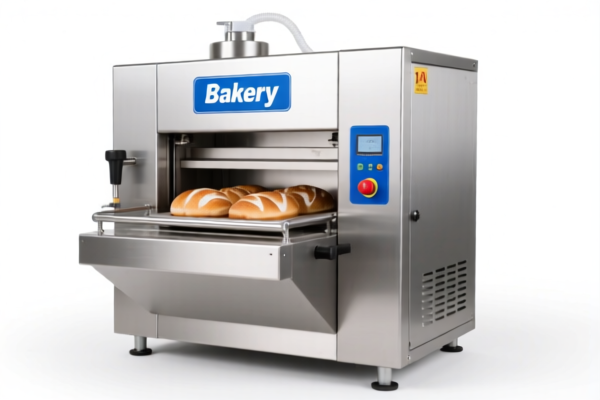
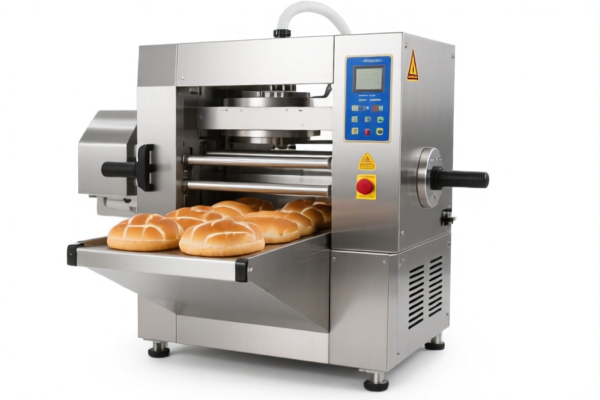
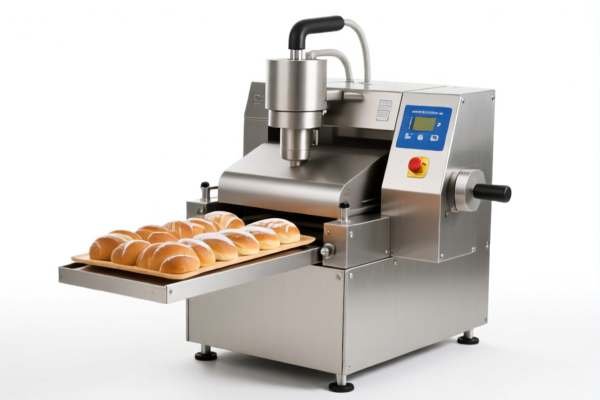
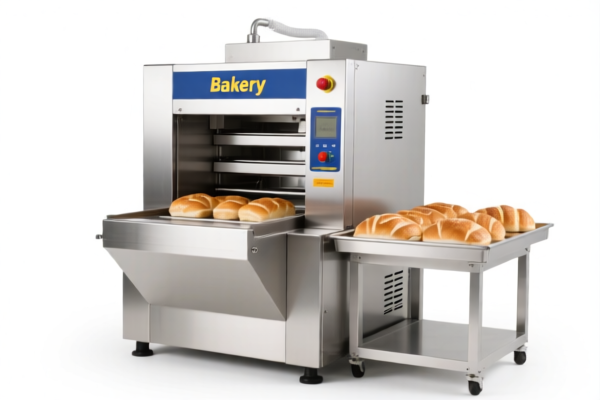
AI Analysis
🍳 Automatic Cooking Machine (Fully Automatic Cooking Robots)
🌐 HS Code Reference & Customs Clearance Guide | 2026 Latest Tariff Analysis | Professional-Level Strategy
📌 I. Product Definition & Classification: Do You Really Understand "Automatic Cooking Machines"?
The Automatic Cooking Machine (also known as a robotic chef, automated culinary device, or smart cooking pot) represents the intersection of home appliances, food processing machinery, and mechatronics. In international trade, its classification is critical because it determines whether it is treated as a simple electrical appliance (lower tax) or complex industrial/commercial machinery (higher tax).
Key Distinction Points: * Household/Small Commercial Use: If the device is designed for home kitchens or small-scale restaurants, it often falls under Chapter 85 (Electrical Appliances). * Industrial/Commercial Scale: If the device is designed for large-scale food production plants or industrial manufacturing, it falls under Chapter 84 (Machinery). * Functionality: Does it merely heat? Or does it mechanically stir, mix, and control temperature? This impacts the "electrical" vs. "mechanical" nature.
⚠️ Critical Classification Logic:
- Simple Heating + Basic Controls: Tends toward 8516 (Electrical heating appliances).
- Complex Mechanical Processing + Industrial Use: Tends toward 8438 (Food processing machinery).
- Material/Structure: If it lacks specific "kitchen appliance" features and is more of a generic heating vessel, it may fall into the "catch-all" basket of 8516.
📦 II. HS Code Classification Details (2026 Latest Tariff Authority对照)
Based on the provided data, here are the four primary classification paths for Automatic Cooking Machines entering the US market.
| HS Code | Product Description | Application Scenario | Tax Profile |
|--------|--------------------------|--------------------------|
| 8516.60.60.00 | Fully Automatic Cooking Machine (Catch-All)
General purpose, consistent with electric heating cooking equipment. Considered a "bottom-line" category. | Home use, small cafes, general-purpose electric heating units. | 12.7% |
| 8516.60.40.70 | Automatic Cooking Machine (Cooking Range/Oven Type)
Matches the description of cooking ranges, stoves, and ovens. No material or form conflict. | Commercial kitchens, restaurant-grade electric stoves/ovens. | 35.0% |
| 8438.90.90.90 | Cooking Machine (Food/Beverage Prep Machinery)
Highly matches food or beverage preparation machinery. Classified as mechanical equipment. | Industrial food processing lines, automated meal prep facilities. | 37.8% |
| 8438.80.00.00 | Automatic Cooking Machine (Industrial Food/Beverage)
Food/beverage processing machinery, used for industrial preparation or manufacturing of food. | Large-scale food manufacturing plants, industrial catering equipment. | 35.0% |
🔍 Key Insight:
- HS 8516 implies electrical heating dominance.
- HS 8438 implies mechanical processing dominance.
- The tariff difference is massive (from 12.7% to 37.8%). Misclassification can lead to severe penalties or unexpected costs.
💰 III. 2026 Latest Tariff Rate Breakdown (Including Surtaxes & Policy Add-ons)
✅ Applicable Country: United States (US)
✅ Origin: China (CN)
✅ Effective Date: Current US-China Trade Policies (Section 301 & IEEPA)
🎯 1. 8516.60.60.00 —— The "Lowest Risk" Path (Catch-All)
| Item | Detail |
|---|---|
| Base Duty Rate | 2.7% (Standard MFN Rate) |
| Section 301 Surcharge | 0.0% (Specific to this subheading) |
| IEEPA Surcharge | +10% (Targeting China-origin goods) |
| Total Effective Rate | 12.7% |
| Tax Calculation | CIF Value × 12.7% |
| De Minimis Eligibility | ❌ No (Standard $800 de minimis does not apply to Section 301/IEEPA goods) |
| Legal Basis Path | USITC:8516.60.60.00 → IEEPA:9903.01.24 |
📌 Explanation:
- This is the most cost-effective classification if the product can be argued as a general electric heating appliance.
- 0% Section 301 is a significant advantage, leaving only the 10% IEEPA surcharge.
🎯 2. 8516.60.40.70 —— The "Commercial Kitchen" Path
| Item | Detail |
|---|---|
| Base Duty Rate | 0.0% (Free under certain FTAs or MFN, but... ) |
| Section 301 Surcharge | +25.0% (High Section 301 Rate for Kitchen Equipment) |
| IEEPA Surcharge | +10.0% |
| Total Effective Rate | 35.0% |
| Tax Calculation | CIF Value × 35.0% |
| De Minimis Eligibility | ❌ No |
| Legal Basis Path | USITC:8516.60.40.70 → SECTION301:9903.88.01 → IEEPA:9903.01.24 |
📌 Explanation:
- Despite a 0% base rate, the 25% Section 301 surcharge makes this path expensive.
- This code is for machines that resemble stoves, ovens, or ranges. If your machine looks like a commercial wok station or electric oven, this may apply.
🎯 3. 8438.90.90.90 —— The "Industrial Machinery" Path (Highest Tax)
| Item | Detail |
|---|---|
| Base Duty Rate | 2.8% |
| Section 301 Surcharge | +25.0% |
| IEEPA Surcharge | +10.0% |
| Total Effective Rate | 37.8% |
| Tax Calculation | CIF Value × 37.8% |
| De Minimis Eligibility | ❌ No |
| Legal Basis Path | USITC:8438.90.90.90 → SECTION301:9903.88.01 → IEEPA:9903.01.24 |
📌 Explanation:
- This is the most expensive classification.
- It applies if the machine is classified as general food processing machinery (Chapter 84) rather than a kitchen appliance.
- Warning: Only use this if the machine is clearly for industrial mass production and not a standalone appliance.
🎯 4. 8438.80.00.00 —— The "Industrial Food Processing" Path
| Item | Detail |
|---|---|
| Base Duty Rate | 0.0% |
| Section 301 Surcharge | +25.0% |
| IEEPA Surcharge | +10.0% |
| Total Effective Rate | 35.0% |
| Tax Calculation | CIF Value × 35.0% |
| De Minimis Eligibility | ❌ No |
| Legal Basis Path | USITC:8438.80.00.00 → SECTION301:9903.88.01 → IEEPA:9903.01.24 |
📌 Explanation:
- Similar to8516.60.40.70, this has a 0% base rate but high surcharges.
- Applies to machinery for industrial preparation of food (e.g., large batch mixers, automated cooking lines).
🛠️ IV. Customs Clearance Practical Advice (Real-World Pitfall Avoidance)
✅ 1. Documentation Checklist (Non-Negotiable)
| Document | Required | Purpose |
|---|---|---|
| ✅ Product Spec Sheet | ✔️ | Details power, capacity, automation level (stirring vs. heating only). |
| ✅ Circuit/Structure Diagram | ✔️ | Crucial: Proves if it's an electrical appliance (8516) or mechanical processor (8438). |
| ✅ Product Photos (Label/Meter) | ✔️ | Shows branding, voltage, and form factor. |
| ✅ Certifications | ✔️ | UL/ETL (Electrical), NSF (Food Safety), FCC (if digital controls). |
| ✅ Commercial Invoice | ✔️ | Must accurately describe the item (see naming tips below). |
| ✅ Packing List | ✔️ | Itemizes accessories (power cords, manuals, spare parts). |
✅ 2. Naming & Declaration Strategy (The "Golden Rules")
🔥 "Name Matters: Appliance vs. Machinery"
| Scenario | Recommended HS Code | Correct Declaration Name | Avoid |
|---|---|---|---|
| Home/Small Biz, Heating Focus | 8516.60.60.00 |
"Electric Automatic Cooking Appliance" | "Industrial Robot Chef" |
| Commercial Stove/Oven Type | 8516.60.40.70 |
"Electric Cooking Range / Stove" | "Food Processor" |
| Industrial Batch Processor | 8438.90.90.90 |
"Food Processing Machinery" | "Cooking Pot" |
| Large Scale Food Line | 8438.80.00.00 |
"Industrial Food Preparation Machine" | "Kitchen Appliance" |
📌 Strategic Tip:
- If you can legitimately classify as8516.60.60.00, you save ~22-25% in taxes compared to other options.
- Ensure your product does not look like industrial factory equipment. Emphasize "Heating," "Cooking Appliance," and "Electrical" in documentation.
✅ 3. Special Cases & Handling
| Situation | Handling Advice |
|---|---|
| OEM Custom Machines | Provide design drawings. If it's a modified commercial stove, it may still fall under 8516.60.40.70. |
| Smart Home Integration | If it connects to Wi-Fi/App, ensure FCC compliance. This supports the "Electrical Appliance" (8516) argument. |
| Mixed Packaging | If shipped with food ingredients, declare the machine separately. Food may require FDA registration. |
| Used/Refurbished | Strictly regulated. New machines are preferred for clean HS classification. |
🌍 V. Global Market Comparison (2026 Update)
| Market | Recommended HS Code | Est. Duty (China Origin) | Key Certifications |
|---|---|---|---|
| 🇺🇸 USA | 8516.60.60.00 (Best) |
12.7% | UL, FCC, NSF |
| 🇪🇺 EU | 8516.60.60.00 |
0-4% (Varies) | CE, RoHS, WEEE |
| 🇨🇳 China | 8516.60.60.00 |
8-12% | CCC (if applicable) |
| 🇦🇺 Australia | 8516.60.60.00 |
5-10% | RCM, Electrical Safety |
📌 Conclusion:
- The USA has the most complex tax structure due to Section 301 and IEEPA.
-8516.60.60.00is the optimal code for US imports to minimize tax impact.
- EU and Australia are more straightforward, often lower tax, but strict on safety/energy efficiency.
📌 VI. Common Mistakes & Pitfalls (Lessons Learned)
❌ Mistake 1: Calling it "Robot Chef" implies High-Tech Machinery → Leads to 8438 (37.8% tax).
👉 Fix: Use "Automatic Cooking Appliance" or "Electric Cooking Pot."
❌ Mistake 2: Ignoring Section 301 Exclusions.
👉 Fix: Verify if your specific HS subheading is exempt. (Note: 8516.60.60.00 has 0% S301, which is great).
❌ Mistake 3: Under-declaring Value or Splitting Shipments.
👉 Fix: Customs will consolidate values. Splitting shipments of the same good is considered fraud.
❌ Mistake 4: Missing UL/ETL Certification.
👉 Fix: Without it, US Customs may deny entry or impose additional inspection costs.
🎯 VII. Conclusion: Strategic Recommendation
🎯 Key Takeaway:
🔹 Aim for
8516.60.60.00(12.7% Total Tax) by positioning your product as an electric heating appliance, not industrial machinery.
🔹 Avoid8438codes (35-37.8%) unless the machine is undeniably large-scale industrial equipment.
🔹 Documentation is Key: Provide clear diagrams showing it is an electrical device, not a mechanical processor.
📌 Pro Tip:
Apply for a Customs Ruling (Advance Ruling) from US CBP before shipping. This provides legal certainty on your HS Code and tax rate.
📣 Next Steps:
📞 Contact a Customs Broker: Share product photos and spec sheets.
📄 Prepare Documentation: Ensure invoices and certificates are ready.
🚀 Optimize Your Supply Chain: Consider warehousing in non-US hubs if taxes remain high.
✨ Professional Clearance Starts with Precise Classification!
💼 Your Profit Margin Depends on Your HS Code!
Customer Reviews
About HS Code Classification
The Harmonized System (HS) is an internationally standardized nomenclature developed by the World Customs Organization (WCO) to classify traded products. Over 200 countries use the HS system as the basis for customs tariffs, trade statistics, and import/export regulations.
Each HS code follows a hierarchical structure:
- Chapter (2 digits) — Broad category of goods (e.g., Chapter 84: Machinery and Mechanical Appliances)
- Heading (4 digits) — More specific grouping within the chapter
- Subheading (6 digits) — Internationally standardized breakdown, used by all WCO member countries
- National subdivisions (8-10 digits) — Country-specific extensions for further classification, such as US HTSUS 10-digit codes
Correct HS code classification is essential for smooth customs clearance, accurate duty payment, and compliance with trade regulations. Misclassification can lead to customs delays, overpayment of duties, or penalties.
When importing from CN to US, the applicable tariff rates may include:
- Most-Favored-Nation (MFN) rate — The standard duty rate applied to WTO members
- General rate — Applied to countries without trade agreements
- Trade remedy duties — Additional tariffs such as Section 301 (anti-dumping), Section 232 (national security), or countervailing duties
The information provided on this page is for reference purposes only. For official classification, please consult with your local customs authority or a licensed customs broker.