Automatic Data Processing Equipment
CN → US| HS Code | Tariff Rate | Origin | Destination | Doc |
|---|---|---|---|---|
| 8544429090 | 87.6% | CN | US | Official Doc |
| 8544493080 | 40.3% | CN | US | Official Doc |
| 8473309100 | 35.0% | CN | US | Official Doc |
| 8542900000 | 60.0% | CN | US | Official Doc |
| 8542390090 | 60.0% | CN | US | Official Doc |
| 8473302000 | 85.0% | CN | US | Official Doc |
Product Images
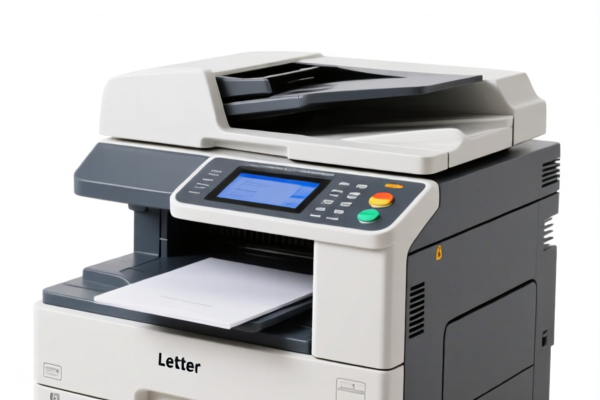
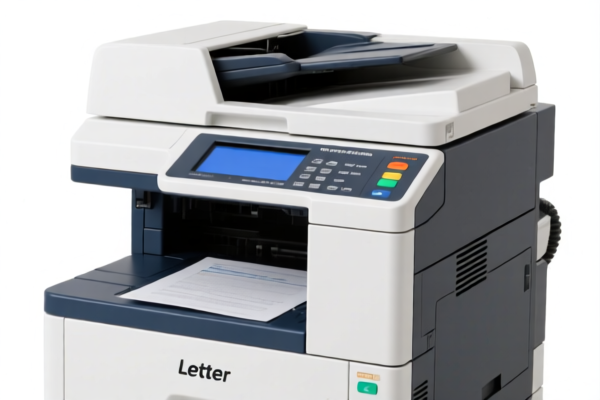
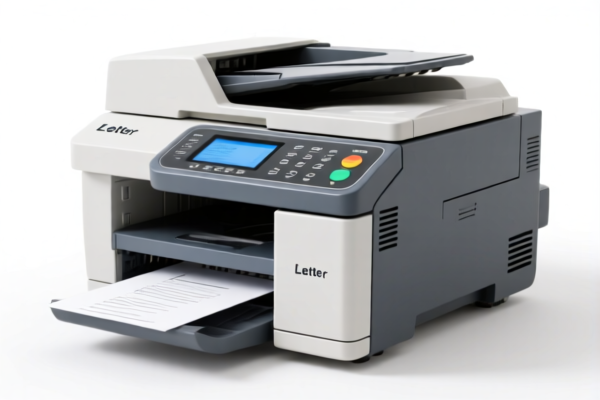
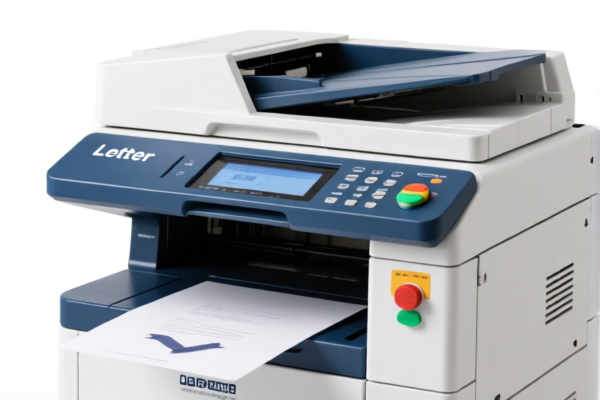
AI Analysis
🖥️ Automatic Data Processing (ADP) Equipment Parts: The HS Code Maze & Clearance Strategy
🌐 HS Code Reference & Customs Clearance Guide | 2026 Latest Tariff Analysis | Professional-Level通关 Strategy
📌 One, Product Definition: What Exactly Are "ADP Parts"?
In international trade, "Automatic Data Processing (ADP) Equipment" usually refers to computers, servers, and related hardware. However, when importing parts, the classification is highly complex because it depends on the material, function, and electrical characteristics of the component.
The data provided highlights a critical reality: There is no single HS Code for "ADP Parts." The tariff rate can range from 35% to 87.6% depending on how you classify the specific part. Misclassification can lead to massive unexpected costs.
⚠️ Key Distinction Logic:
- Electronic Chips/Circuits (No specific voltage/material rule) → Usually lower base tariff but high 301/IEEPA surcharges.
- Wires/Cables (Specific voltage <1000V) → Subject to specific material rules (Metal/Plastic).
- Mechanical Parts (Non-electronic) → Often face higher specific surcharges (Section 122/Steel/Aluminum).
📦 Two, HS Code Classification Details (Based on Provided Data)
We have identified 6 potential HS Codes for ADP parts. Each has a distinct logic and drastically different tax implications.
| HS Code | Product Description (Summary) | Key Classification Logic | Total Tax Rate (Estimated) |
|---|---|---|---|
8544.42.90.90 |
Insulated Conductors (Wires/Cables) | Voltage ≤ 1,000V; Material: Metal or Plastic. | 87.6% 🔴 (Highest) |
8544.49.30.80 |
Insulated Conductors (Other) | Parts/Components; Inferred Material: Copper/Metal. Catch-all logic. | 40.3% 🟠 |
8473.30.91.00 |
Parts of ADP Machines (General) | Directly matches HS Chapter 8471 (ADP Machines). No material conflict. | 35.0% 🟢 (Lowest) |
8542.90.00.00 |
Parts of Electronic Integrated Circuits | Electronic ICs and parts; Usage matches ADP, no material conflict. | 60.0% 🔴 |
8542.39.00.90 |
Electronic Integrated Circuits (Other) | Other class of electronic ICs; Based on part attributes & catch-all. | 60.0% 🔴 |
8473.30.20.00 |
Parts of ADP Machines (Specific) | Matches Chapter 8471 machines in usage; Consistent form. | 85.0% 🔴 (Very High) |
💰 Three, Detailed Tariff Breakdown (The Tax Trap)
✅ Applicable Country: United States (US)
✅ Origin: China (CN)
✅ Context: Includes Base Tariff, Section 301, Section 122, and IEEPA surcharges.
🎯 1. 8544.42.90.90 – Wires/Cables (Metal/Plastic)
⚠️ CRITICAL WARNING: The Highest Tax Bracket!
| Item | Detail |
|---|---|
| Base Tariff | 2.6% |
| Section 301 Surcharge | +25.0% |
| Section 122 Surcharge | +50% (Steel, Aluminum, Copper products) |
| IEEPA Surcharge | +10% |
| Total Effective Tax | 87.6% |
| Calculation | CIF Value × 87.6% |
| De Minimis Exemption | ❌ Denied |
📌 Explanation:
- The 50% Section 122 tax is applied because these insulated conductors likely contain copper or aluminum.
- Combined with 301 (25%) and IEEPA (10%), the total tax is nearly doubling the product cost.
- Strategy: Avoid this code if possible; check if the part can be classified as a general machine part (8473).
🎯 2. 8473.30.91.00 – General ADP Parts (Best Case Scenario)
✅ OPTIMAL CLASSIFICATION: Lowest Tax Rate
| Item | Detail |
|---|---|
| Base Tariff | 0.0% |
| Section 301 Surcharge | +25.0% |
| Section 122 Surcharge | 0% (Assumed non-steel/aluminum/copper specific conflict) |
| IEEPA Surcharge | +10% |
| Total Effective Tax | 35.0% |
| Calculation | CIF Value × 35.0% |
| De Minimis Exemption | ❌ Denied |
📌 Explanation:
- This code directly aligns with Chapter 8471 (Automatic Data Processing Machines).
- Since the base tariff is 0%, the only penalties are the political surcharges (301 + 10%).
- Strategy: If your part is a generic mechanical or non-specific electronic component, fight for this classification. It saves 52.6% in tax compared to wires.
🎯 3. 8544.49.30.80 – Other Insulated Conductors (Copper/Metal)
⚠️ MID-RISK: High Material-Specific Penalty
| Item | Detail |
|---|---|
| Base Tariff | 5.3% |
| Section 301 Surcharge | +25.0% |
| Section 122 Surcharge | 0% (Specific note: No 50% steel/aluminum surcharge listed here, but verify copper status) |
| IEEPA Surcharge | +10% |
| Total Effective Tax | 40.3% |
| Calculation | CIF Value × 40.3% |
📌 Explanation:
- Higher base tariff (5.3%) than8473, but avoids the massive 50% Section 122 surcharge seen in8544.42.
- Still subject to 301 and IEEPA.
- Strategy: Use if the part is clearly a copper wire/conductor but doesn't fit the "≤1000V" specific metal criteria of8544.42.
🎯 4. 8542.90.00.00 & 8542.39.00.90 – Electronic IC Parts
🔴 HIGH TAX: Electronic Component Surcharge
| Item | Detail |
|---|---|
| Base Tariff | 0.0% |
| Section 301 Surcharge | +50.0% (Note: Data shows 50% here, likely due to specific 301 list updates for semiconductors) |
| Section 122 Surcharge | N/A |
| IEEPA Surcharge | +10% |
| Total Effective Tax | 60.0% |
| Calculation | CIF Value × 60.0% |
📌 Explanation:
- The data indicates a 50% Section 301 surcharge for these IC parts, which is higher than the standard 25%.
- This reflects stricter US policies on critical tech components.
- Strategy: If you are importing microchips or circuit boards, budget for 60% tax. Ensure the description explicitly states "Parts of Integrated Circuits."
🎯 5. 8473.30.20.00 – Specific ADP Parts
🔴 HIGH TAX: Material Conflict Penalty
| Item | Detail |
|---|---|
| Base Tariff | 0.0% |
| Section 301 Surcharge | +25.0% |
| Section 122 Surcharge | +50% (Steel, Aluminum, Copper products) |
| IEEPA Surcharge | +10% |
| Total Effective Tax | 85.0% |
| Calculation | CIF Value × 85.0% |
📌 Explanation:
- Although the base tariff is 0%, the 50% Section 122 surcharge destroys the benefit.
- This implies the part is made of steel, aluminum, or copper and falls under this specific sub-heading.
- Strategy: Avoid this code. It is nearly as expensive as the wire code (8544.42.90.90).
🛠️ Four, Customs Clearance Practical Advice (Avoiding Pitfalls)
✅ 1. Document Preparation Checklist
| Document | Requirement | Why? |
|---|---|---|
| Product Specification | Must detail voltage, material, and function. | Determines if it's a wire (8544) or a general part (8473). |
| Material Composition | Explicitly state % of Copper, Steel, Aluminum. | Triggers Section 122 (50% tax) if metals are present. |
| Circuit Diagram | For electronic parts. | Proves if it's an IC (8542) or just a connector. |
| Commercial Invoice | Must describe as "Part of ADP Machine" if using 8473. |
Vague descriptions lead to misclassification by CBP. |
| Origin Certificate | For China origin. | Required for calculating 301 and IEEPA surcharges. |
✅ 2. Strategic Classification Tips
🔥 Rule of Thumb:
"Mechanical/General = 35% | IC/Electronic = 60% | Wire/Metal = 40-87%"
| Scenario | Recommended HS Code | Tax Rate | Action |
|---|---|---|---|
| Generic Bracket, Case, Fan | 8473.30.91.00 |
35% | ✅ BEST OPTION |
| Copper Wire Harness (<1000V) | 8544.49.30.80 |
40.3% | ⚠️ Verify no steel/aluminum content |
| Copper Wire Harness (High Voltage) | 8544.42.90.90 |
87.6% | ❌ AVOID (Check voltage limits) |
| Microchip / CPU Part | 8542.90.00.00 |
60% | 🔴 Prepare for high tax |
| Steel/Aluminum Mount | 8473.30.20.00 |
85.0% | ❌ AVOID (Material penalty) |
✅ 3. Special Considerations for Section 122
- Section 122 Surcharge (50%): Applies to specific steel, aluminum, and copper products imported under certain HTSUs.
- How to Avoid:
- If the part is plastic, ensure the description emphasizes "Insulated Plastic Conductor" if using
8544.42. - If the part is mechanical, ensure it doesn't fall under the specific metal-listed subheadings of
8473.30.20.
🌍 Five, Global Market Comparison (2026)
| Market | HS Code Focus | Tax Impact | Key Requirement |
|---|---|---|---|
| 🇺🇸 USA | 8473.30.91.00 preferred |
35% (Best) vs 87.6% (Worst) | Strict Section 122 enforcement on metals |
| 🇨🇳 China | 8473.30.91.00 |
0-5% (Low) | CCC Certification (if applicable) |
| 🇪🇺 EU | 8473.30.91.00 |
0-3% (Low) | CE Marking, RoHS Compliance |
📌 Conclusion:
The US market is the most challenging due to layered surcharges (301, IEEPA, 122).
- Winning Strategy: Classify parts as8473.30.91.00(General ADP Parts) whenever possible to cap tax at 35%.
- Losing Strategy: Misclassifying metal wires or mechanical parts into specific metal-heavy codes (8544.42,8473.30.20) will cost you 85-87%.
📌 Six, Common Errors & Blood-Trying Lessons
❌ Error 1: Calling a "Copper Wire" a "Generic Part"
👉 Result: CBP reclassifies it to 8544.42.90.90 → 87.6% Tax + Penalties.
❌ Error 2: Ignoring Material Composition
👉 Result: A plastic bracket mistakenly declared as metal → Triggers Section 122 (50%).
❌ Error 3: Using "IC Part" for a simple Connector
👉 Result: Classified under 8542 → 60% Tax instead of 35% for generic parts.
✅ Correct Approach:
"Describe by Function and Material. If it's a plastic/mixed part of a computer, use
8473.30.91.00. If it's a wire, specify voltage and material precisely."
🎯 Seven, Conclusion: Precision is Profit
🎯 Final Advice:
🔹 35% is the ceiling for safe classification.
🔹 60% is the reality for semiconductors.
🔹 85%+ is the penalty for metal-heavy wires/parts.
📌 Action Item:
1. Audit your BOM (Bill of Materials) for metal content.
2. Pre-classify all parts using 8473.30.91.00 as the default target.
3. Consult a customs broker to verify Section 122 applicability for any metal-containing parts.
✨ Professional Customs Clearance Starts with Accurate Classification!
💼 Your Profit Margin Depends on Getting the HS Code Right!
Customer Reviews
About HS Code Classification
The Harmonized System (HS) is an internationally standardized nomenclature developed by the World Customs Organization (WCO) to classify traded products. Over 200 countries use the HS system as the basis for customs tariffs, trade statistics, and import/export regulations.
Each HS code follows a hierarchical structure:
- Chapter (2 digits) — Broad category of goods (e.g., Chapter 84: Machinery and Mechanical Appliances)
- Heading (4 digits) — More specific grouping within the chapter
- Subheading (6 digits) — Internationally standardized breakdown, used by all WCO member countries
- National subdivisions (8-10 digits) — Country-specific extensions for further classification, such as US HTSUS 10-digit codes
Correct HS code classification is essential for smooth customs clearance, accurate duty payment, and compliance with trade regulations. Misclassification can lead to customs delays, overpayment of duties, or penalties.
When importing from CN to US, the applicable tariff rates may include:
- Most-Favored-Nation (MFN) rate — The standard duty rate applied to WTO members
- General rate — Applied to countries without trade agreements
- Trade remedy duties — Additional tariffs such as Section 301 (anti-dumping), Section 232 (national security), or countervailing duties
The information provided on this page is for reference purposes only. For official classification, please consult with your local customs authority or a licensed customs broker.