Automatic Toothpaste Squeezer
CN → US| HS Code | Tariff Rate | Origin | Destination | Doc |
|---|---|---|---|---|
| 7615200000 | 88.8% | CN | US | Official Doc |
| 8479896500 | 20.3% | CN | US | Official Doc |
| 3924905650 | 20.9% | CN | US | Official Doc |
| 8479820040 | 35.0% | CN | US | Official Doc |
| 7615109100 | 70.6% | CN | US | Official Doc |
Product Images
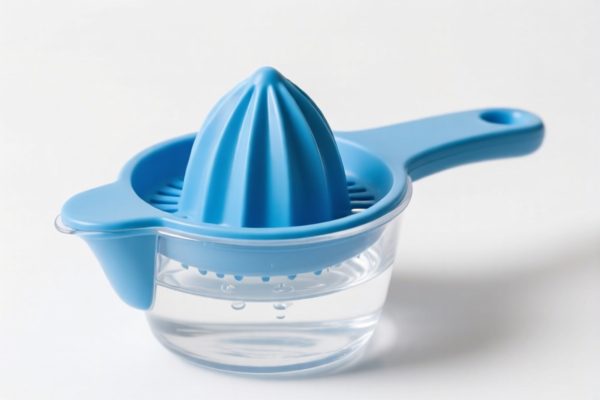
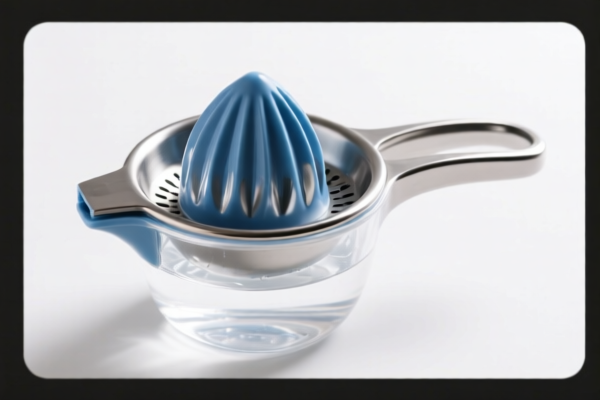
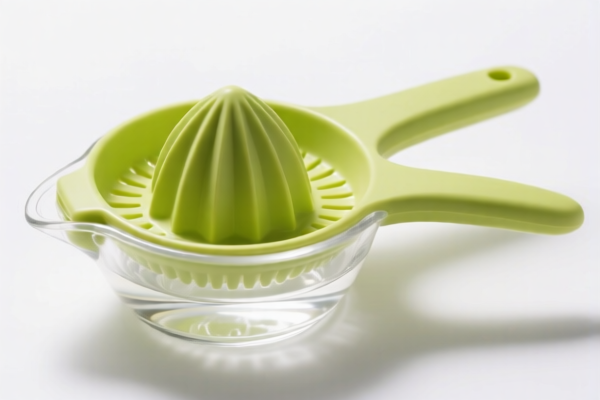
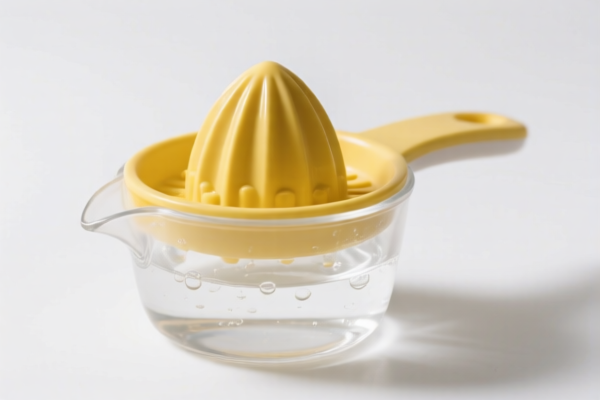
AI Analysis
🦷 Automatic Toothpaste Squeezer (Smart Dispensers)
🌐 HS Code Reference & Customs Clearance Guide | 2026 Latest Tariff Analysis | Professional Entry Strategies
📌 I. Product Definition & Classification: Do You Really Understand "Toothpaste Squeezers"?
The Automatic Toothpaste Squeezer is a household convenience device designed to extrude toothpaste (and similar pastes) with minimal effort. In international trade, its classification depends heavily on material, function, and power source. It generally falls into two main categories:
- Household/Plastic Items: Simple manual or battery-operated squeezers made primarily of plastic.
- Mechanical Appliances: Motorized devices with specific mechanical functions (mixing, rotating, pressing).
⚠️ Key Distinction Point:
- If the primary function is hygiene/household use and it's made of plastic → Look at Chapter 39 (Plastics).
- If it’s made of aluminum or is a complex mechanical device without a specific motor-driven "machine" function → Look at Chapter 76 (Aluminum) or Chapter 84 (Machines).
- If it involves mixing/stirring pastes specifically → Look at Chapter 84 (Machinery for mixing).
📦 II. HS Code Classification Details (2026 Latest Tariff Authority Comparison)
| HS Code | Product Description | Applicable Scenario | Material/Function | Total Tax Rate (Est.)* |
|---|---|---|---|---|
3924.90.56.50 |
Plastic Sanitary/Household Articles | Battery-operated or manual plastic squeezers; bathroom accessories. | Plastic (Primary Material) | 20.9% |
8479.89.65.00 |
Other Machinery with Individual Functions | Mechanical devices not specified elsewhere; general mechanical squeeze mechanisms. | Mechanical/General | 20.3% |
8479.82.00.40 |
Machinery for Mixing/Kneading/Blending | Devices that actively mix toothpaste with other agents or have complex kneading functions. | Mechanical (Mixing Function) | 35.0% |
7615.10.91.00 |
Other Household Aluminum Articles | Squeeze tubes or dispensers made of Aluminum, falling under general household use. | Aluminum (Household) | 70.6% |
7615.20.00.00 |
Other Aluminum Sanitary/Personal Care Articles | Aluminum items specifically for personal care/hygiene (not strictly "kitchen"). | Aluminum (Sanitary) | 88.8% |
🔍 Important Reminder:
- Material is King: Aluminum items face significantly higher tariffs (70%-88%) compared to plastic (20%) due to specific "122 Clause" or aluminum-specific tariffs. - Function Matters: A simple squeeze mechanism is often classified as "Machinery" (8479), but if it's just a plastic holder/dispeneser, it may fall under "Plastic Sanitary Articles" (3924). - Avoid Over-Classification: Do not classify a simple plastic squeezer as "Machinery" if it has no complex motorized control system, but be careful not to classify a complex motorized aluminum device as "Plastic."
💰 III. 2026 Latest Tariff Rate Details (Including Surtaxes & Policy Add-ons)
✅ Applicable Country: United States (US)
✅ Origin: China (CN)
✅ Effective Date: 2025/2026 (Includes subsequent imports)
🎯 1. 3924.90.56.50 —— Plastic Sanitary/Household Articles (Lowest Risk)
| Item | Content |
|---|---|
| Base Tariff | 3.4% |
| Surtax (Section 301) | +7.5% |
| 122 Clause Tariff | +10% |
| Total Rate | 20.9% |
| Tax Calculation | CIF Value × 20.9% |
| De Minimis Eligibility | ❌ No (Usually) |
| Legal Basis Path | Base + USITC Footnotes + IEEPA Add-ons |
📌 Explanation:
- This is the most favorable classification for plastic-based squeezers. - The "122 Clause" refers to specific targeted tariffs on certain Chinese goods. - Cost Advantage: Significantly lower than aluminum counterparts.
🎯 2. 8479.89.65.00 —— Other Machinery with Individual Functions
| Item | Content |
|---|---|
| Base Tariff | 2.8% |
| Surtax (Section 301) | +7.5% |
| 122 Clause Tariff | +10% |
| Total Rate | 20.3% |
| Tax Calculation | CIF Value × 20.3% |
| De Minimis Eligibility | ❌ No |
| Legal Basis Path | Base + USITC Footnotes + IEEPA Add-ons |
📌 Note:
- If the device is mechanical but doesn't fit "mixing" or "kneading," this is the default "other machinery" code. - Slightly cheaper than plastic in base tariff, but similar total rate. Ensure the product is truly "mechanical" (has moving parts/motors) to justify this classification.
🎯 3. 8479.82.00.40 —— Machinery for Mixing/Kneading
| Item | Content |
|---|---|
| Base Tariff | 0.0% |
| Surtax (Section 301) | +25.0% |
| 122 Clause Tariff | +10% |
| Total Rate | 35.0% |
| Tax Calculation | CIF Value × 35.0% |
| De Minimis Eligibility | ❌ No |
| Legal Basis Path | Base + USITC Footnotes + IEEPA Add-ons |
📌 Warning:
- High surtax (25%) due to Section 301. - Only classify here if the device actively mixes toothpaste with other substances or has a kneading mechanism. Simple extrusion does NOT qualify.
🎯 4. 7615.10.91.00 & 7615.20.00.00 —— Aluminum Articles (High Cost)
| Item | Content |
|---|---|
| Base Tariff | 3.1% - 3.8% |
| Surtax (Section 301) | +7.5% |
| 122 Clause Tariff (Steel/Aluminum/Copper) | +50% (for 7615.10) / +10% (for 7615.20, varies by specific 122 clause application) |
| Total Rate | 70.6% - 88.8% |
| Tax Calculation | CIF Value × High % |
| De Minimis Eligibility | ❌ No |
📌 Critical Alert:
- Aluminum is penalized heavily. The "122 Clause" for aluminum products imposes a massive +50% tariff in some sub-categories (like 7615.10). - Recommendation: Avoid Classifying plastic squeezers as aluminum. Avoid using aluminum for high-volume, low-margin squeezers.
🛠️ IV. Customs Clearance Practical Advice (Pitfall Avoidance Guide)
✅ 1. Preparation Checklist (Non-negotiable)
| Document | Required? | Description |
|---|---|---|
| ✅ Product Specifications | ✔️ | Voltage, battery type, material composition (Plastic vs. Aluminum %), weight. |
| ✅ Photos (Labeled) | ✔️ | Front, back, interior mechanism, label with model number. |
| ✅ Function Statement | ✔️ | "Automatic extrusion device," NOT "Mixer" unless it actually mixes. |
| ✅ Material Declaration | ✔️ | Explicitly state "ABS Plastic," "PP Plastic," or "Aluminum Alloy." |
| ✅ Commercial Invoice | ✔️ | Clear description: "Automatic Toothpaste Dispenser, Plastic, Battery Operated." |
✅ 2. Classification Strategy (Key Mnemonic)
🔥 “Plastic is Cheap, Aluminum is Expensive, Mixing is Medium, Simple Squeeze is Best.”
| Scenario | Correct HS Code | Reason |
|---|---|---|
| Plastic, Battery-Operated Squeezer | 3924.90.56.50 |
Household sanitary item, plastic material. Lowest risk/cost. |
| Mechanical, No Specific Function | 8479.89.65.00 |
General machinery. Good if plastic classification is rejected. |
| Device that MIXES Toothpaste | 8479.82.00.40 |
Specific function overrides general machinery. |
| Aluminum Squeezer | 7615.20.00.00 or 7615.10.91.00 |
High Cost. Avoid if possible. |
✅ 3. Special Circumstances Handling
| Situation | Handling Advice |
|---|---|
| OEM Custom Design | Provide design drawings to prove it’s a "sanitary article" if plastic. |
| Kit Packaging (Squeezer + Tube + Paste) | Declare as a Set. Primary character determines classification. If squeezer is main, use its code. |
| Aluminum Body + Plastic Parts | If aluminum is >50% by weight/value, it may be classified under 7615. Risk of high tariff! |
| Smart/Bluetooth Enabled | Still 3924 or 8479. Electronics inside do not change the primary function from "squeeze" to "machine" unless it has complex computing/processing functions (unlikely for a squeezer). |
🌍 V. Global Market Comparison (2026 Latest)
| Country/Region | Recommended HS Code | Tariff (China Origin) | Certification | Notes |
|---|---|---|---|---|
| 🇺🇸 USA | 3924.90.56.50 |
20.9% | FCC (if wireless) | High tariffs on Aluminum (70%+). |
| 🇨🇳 China | 3924.90.56.50 |
3.4% - 8% | CCC (if electric) | Low entry barrier. |
| 🇪🇺 EU | 3924.10.00 |
0% - 3% | CE + RoHS | Favorable for plastic household goods. |
| 🇬🇧 UK | 3924.10.00 |
0% - 3% | UKCA + RoHS | Post-Brexit rules align closely with EU. |
| 🇦🇺 Australia | 3924.10.00 |
5% | RCM | Standard household tariff. |
📌 Conclusion:
- USA is the most expensive market due to Section 301 and 122 Clause tariffs. - Plastic-based classification is crucial to keep costs under 21%. - Aluminum products are nearly prohibitive for low-cost items in the US market.
📌 VI. Common Errors & Pitfall Guide (Lessons from Blood & Tears)
❌ Error 1: Classifying a simple plastic squeezer as 8479.89 (Machinery) to avoid "Sanitary" scrutiny.
👉 Consequence: No real benefit; plastic under 3924 is cheaper (20.9% vs 20.3% is negligible, but 3924 is more common for this item). If audited, misclassification risks penalties.
❌ Error 2: Declaring an Aluminum Squeezer as Plastic to evade 122 Clause tariffs.
👉 Consequence: Severe Penalties. Customs will test material composition. If found to be aluminum, you face back-taxes + fines + potential seizure. Do not lie about material.
❌ Error 3: Classifying a simple squeezer as 8479.82 (Mixing Machine).
👉 Consequence: Higher tariff (35%). The device does not mix. Customs will reject the functional claim.
❌ Error 4: Ignoring "122 Clause" implications for Aluminum.
👉 Consequence: A 50% surtax can kill your profit margin. Always check if the HS Code triggers the "Steel/Aluminum/Copper" additional tariff.
✅ Correct Practice:
"Automatic Toothpaste Dispenser, Battery Operated, Plastic Housing, Model XYZ, FCC Certified"
🎯 VII. Conclusion: Smart Classification, Higher Profits!
🎯 Remember the Mantra:
🔹 "Plastic is King, Aluminum is Costly."
🔹 "Squeeze, Don't Mix, unless you Really Mix."
🔹 "Check the 122 Clause, or Watch Your Margin Go."
📌 Pro Tip:
If your product uses aluminum, consider switching to high-quality plastic or stainless steel (if classified differently) to avoid the 50% aluminum surtax.
Always apply for an Advance Ruling from US Customs if your product is on the border between Plastic (3924) and Machinery (8479).
📣 Immediate Action:
📞 Consult a Customs Broker with your material composition and function videos.
🚀 Optimize your HS Code to3924.90.56.50for the best balance of compliance and cost in the US market.
✨ Professional Clearance Starts with Accurate Classification!
💼 Every percentage point of tariff saved is pure profit!
Customer Reviews
About HS Code Classification
The Harmonized System (HS) is an internationally standardized nomenclature developed by the World Customs Organization (WCO) to classify traded products. Over 200 countries use the HS system as the basis for customs tariffs, trade statistics, and import/export regulations.
Each HS code follows a hierarchical structure:
- Chapter (2 digits) — Broad category of goods (e.g., Chapter 84: Machinery and Mechanical Appliances)
- Heading (4 digits) — More specific grouping within the chapter
- Subheading (6 digits) — Internationally standardized breakdown, used by all WCO member countries
- National subdivisions (8-10 digits) — Country-specific extensions for further classification, such as US HTSUS 10-digit codes
Correct HS code classification is essential for smooth customs clearance, accurate duty payment, and compliance with trade regulations. Misclassification can lead to customs delays, overpayment of duties, or penalties.
When importing from CN to US, the applicable tariff rates may include:
- Most-Favored-Nation (MFN) rate — The standard duty rate applied to WTO members
- General rate — Applied to countries without trade agreements
- Trade remedy duties — Additional tariffs such as Section 301 (anti-dumping), Section 232 (national security), or countervailing duties
The information provided on this page is for reference purposes only. For official classification, please consult with your local customs authority or a licensed customs broker.