Automotive Application Square Meter
CN → US| HS Code | Tariff Rate | Origin | Destination | Doc |
|---|---|---|---|---|
| 3921905050 | 39.8% | CN | US | Official Doc |
| 8708998180 | 12.5% | CN | US | Official Doc |
| 3921190090 | 41.5% | CN | US | Official Doc |
| 3921905050 | 39.8% | CN | US | Official Doc |
| 8708998180 | 12.5% | CN | US | Official Doc |
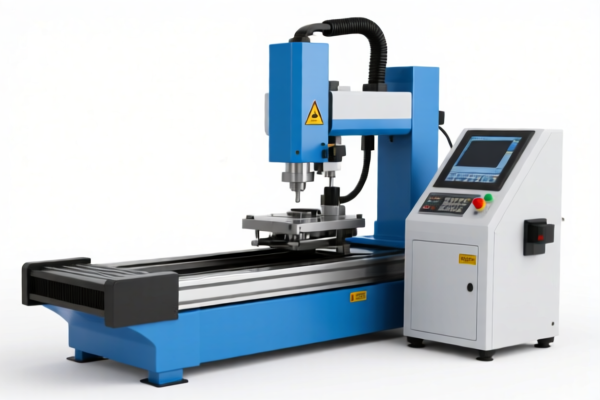
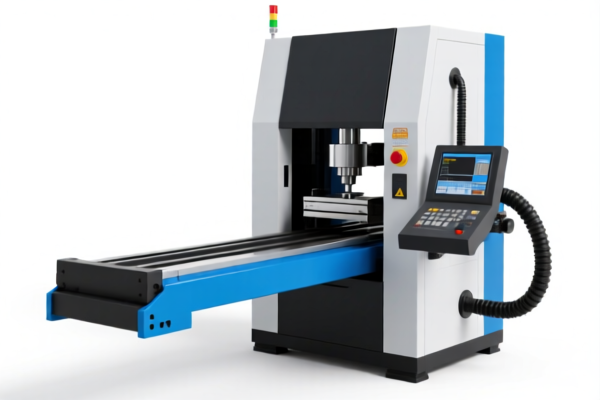
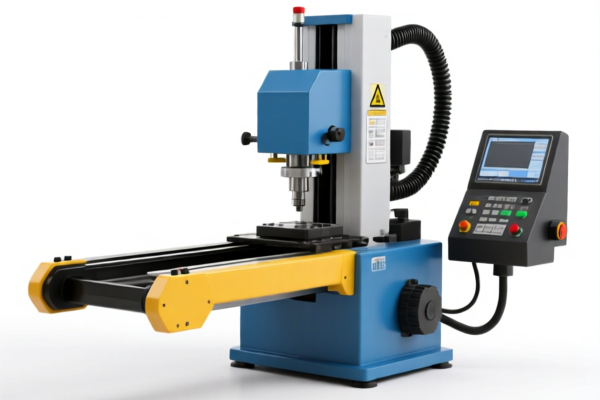
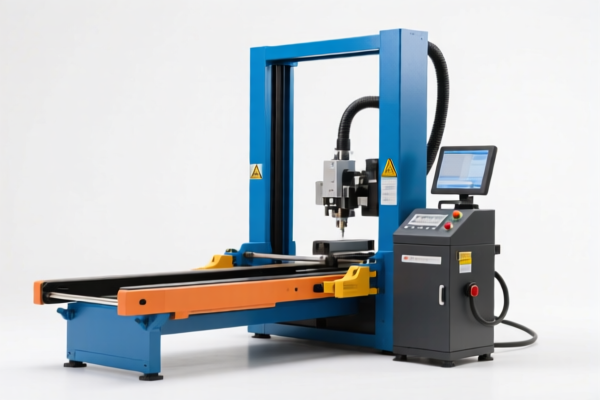
Product Images
AI Analysis
🚗 Automotive Application Square Meter: HS Code Classification & Duty Analysis 2026
🌐 HS Code Reference & Customs Clearance Guide | Latest Tariff Structure | Professional Entry Strategy
📌 I. Product Definition & Classification: What is "Automotive Application Square Meter"?
The input term "Automotive Application Square Meter" is ambiguous because "Square Meter" is a unit of measurement, not a product description. In international trade, this usually refers to sheet, film, membrane, foil, or strip materials used in the automotive industry.
Based on the provided data, two primary classification paths exist, depending on whether the material is classified as a Plastic Sheet/Film or an Automotive Part/Accessory.
⚠️ Key Distinction Point:
- If the item is a raw material (plastic sheet/film) intended for processing into car parts → Classified under Chapter 39 (Plastics).
- If the item is a finished or semi-finished part specifically designed for installation in a car (e.g., interior lining, specific cover) → Classified under Chapter 87 (Vehicles).
📦 II. HS Code Classification Details (Based on Provided Data)
| HS Code | Product Description | Logical Inference from Data | Total Tax Rate |
|---|---|---|---|
3921.90.50.50 |
Plastic sheets, films, boards, etc., other (Automotive use) | "Square meter" implies sheet/film form; "Automotive use" implies interior/structural plastic sheets. Falls under "Other plastics". | 39.8% |
8708.99.81.80 |
Parts and accessories of motor vehicles (Other) | "Automotive application" defines the purpose. With no conflicting material info, it defaults to the "catch-all" for auto parts/accessories. | 12.5% |
3921.19.00.90 |
Plastic sheets, films, boards (Other) | "Square meter" implies board/sheet/film form; "Automotive use" implies plastic film. Uses the "Other" catch-all principle. | 41.5% |
🔍 Important Note:
-3921.90.50.50and3921.19.00.90are highly similar (Plastic Sheets), but3921.19.00.90has a higher base tariff (6.5% vs 4.8%).
-8708.99.81.80is significantly cheaper (12.5%) because it is classified as an Auto Part, not a raw plastic material, thus avoiding the heavy 25% Section 301 tariff on many plastics.
💰 III. 2026 Latest Tariff Rate Breakdown (Including Surcharges)
✅ Applicable Country: United States (US)
✅ Origin: China (CN)
✅ Effective Date: November 10, 2025 (and subsequent imports)
🎯 1. 3921.90.50.50 —— Plastic Sheets, Films (Other)
| Item | Content |
|---|---|
| Base Tariff | 4.8% |
| Section 301 Surcharge (Add-on Tariff) | +25.0% |
| Section 122 Tariff | +10.0% |
| Total Tax Rate | 39.8% |
| Tax Calculation | CIF Value × 39.8% |
| De Minimis Eligibility | ❌ Not Eligible (High duty rate usually excludes small parcel exemptions) |
| Legal Basis Path | Base: 3921.90.50.50 → Section 301: 25% → Section 122: 10% |
📌 Explanation:
- Base Tariff (4.8%): Standard MFN rate for other plastic sheets.
- Section 301 (25%): Heavy additional tariff imposed on many Chinese plastic products.
- Section 122 (10%): Specific tariff applicable to certain textile/plastic items under Section 122 of the U.S. Trade Act.
- Total: 39.8%. This is a high-cost classification.
🎯 2. 8708.99.81.80 —— Parts and Accessories of Motor Vehicles
| Item | Content |
|---|---|
| Base Tariff | 2.5% |
| Section 301 Surcharge (Add-on Tariff) | 0.0% |
| Section 122 Tariff | +10.0% |
| Total Tax Rate | 12.5% |
| Tax Calculation | CIF Value × 12.5% |
| De Minimis Eligibility | ❌ Not Eligible (Though lower, auto parts are generally not de minimis exempt if classified as parts) |
| Legal Basis Path | Base: 8708.99.81.80 → Section 122: 10% |
📌 Explanation:
- Base Tariff (2.5%): Standard rate for auto parts.
- Section 301 (0%): Crucial Advantage! Many auto parts are exempt from the 25% Section 301 tariff, unlike general plastic sheets.
- Section 122 (10%): Still applicable under specific provisions.
- Total: 12.5%. This is a low-cost classification compared to plastic sheets.
🎯 3. 3921.19.00.90 —— Plastic Sheets, Films (Other)
| Item | Content |
|---|---|
| Base Tariff | 6.5% |
| Section 301 Surcharge (Add-on Tariff) | +25.0% |
| Section 122 Tariff | +10.0% |
| Total Tax Rate | 41.5% |
| Tax Calculation | CIF Value × 41.5% |
| De Minimis Eligibility | ❌ Not Eligible |
| Legal Basis Path | Base: 3921.19.00.90 → Section 301: 25% → Section 122: 10% |
📌 Explanation:
- Base Tariff (6.5%): Higher base rate than3921.90.50.50.
- Section 301 (25%): Same heavy surcharge as above.
- Total: 41.5%. This is the most expensive classification. Avoid if possible.
🛠️ IV. Customs Clearance Practical Advice (Real-World Pitfall Guide)
✅ 1. Preparation Checklist (Essential Documents)
| Document | Required | Description |
|---|---|---|
| ✅ Product Specification | ✔️ | Must clearly state: Material (e.g., PVC, PE, PP), Thickness, Width, Form (Sheet/Film). |
| ✅ Usage Statement | ✔️ | Explicitly state: "For Automotive Interior/Exterior Application." |
| ✅ Technical Drawing/Photo | ✔️ | Show if it’s a raw roll/sheet or a pre-cut part. |
| ✅ Commercial Invoice | ✔️ | Describe accurately. Avoid vague terms like "Square Meter." Use "Plastic Sheet for Automotive Use" or "Automotive Trim Part." |
| ✅ Packing List | ✔️ | Match invoice details. |
✅ 2. Classification Strategy (Key Principles)
🔥 "Material vs. Function: Define It Clearly!"
| Scenario | Recommended HS Code | Reasoning | Risk |
|---|---|---|---|
| Raw Plastic Sheet (Rolls, unprocessed) | 3921.90.50.50 or 3921.19.00.90 |
It is a plastic material, not yet a "part." | High Duty (39.8% - 41.5%) |
| Pre-cut Automotive Trim/Part | 8708.99.81.80 |
It is specifically shaped/functioned for auto installation. | Low Duty (12.5%) |
| Ambiguous "Material" | 3921.90.50.50 |
Safest "Plastic" classification if function is unclear. | Medium-High Duty (39.8%) |
⚠️ Critical Warning:
- If you ship raw plastic sheets but declare them as "Automotive Parts" (8708) to save tax, Customs may reject this as misclassification.
- Rule: Only8708if the item is ready for installation or specifically processed for auto use. If it’s just a sheet that can be cut, it’s likely3921.
✅ 3. Special Cases & Mitigation
| Case | Advice |
|---|---|
| OEM Custom Parts | If the sheet is cut to specific car models, argue for 8708.99.81.80. Provide design files. |
| Generic Sheets | If it’s standard plastic sheet for any use (including auto), use 3921.90.50.50. |
| High-Value Shipments | Consider Advance Ruling (Pre-classification) from CBP to confirm 8708 eligibility if it’s a pre-finished part. |
| Section 122 Impact | Note that both plastic and auto part classifications attract a 10% Section 122 tariff. The main saving is avoiding the 25% Section 301 on 8708. |
🌍 V. Global Market Comparison (2026 Snapshot)
| Region | Recommended HS Code | Approx. Total Duty (China Origin) | Notes |
|---|---|---|---|
| 🇺🇸 USA | 8708.99.81.80 |
12.5% | Best option if eligible. |
| 🇺🇸 USA | 3921.90.50.50 |
39.8% | High cost due to Section 301 + 122. |
| 🇺🇸 USA | 3921.19.00.90 |
41.5% | Highest cost. |
| 🇪🇺 EU | Various (Check Chapter 39/87) | Varies (0-10%) | No Section 301/122. Generally lower tariffs. |
| 🇨🇳 China | Various | Varies (0-10%) | No Section 301/122. |
📌 Conclusion for US Importers:
- Goal: Prove the item is an "Automotive Part" (8708) to save ~27% in duties compared to plastic sheets.
- Method: Ensure the product is processed/customized for automotive use, not just a generic plastic sheet.
📌 VI. Common Errors & Pitfalls (Blood Lessons)
❌ Error 1: Declaring raw plastic rolls as "Auto Parts" without proof.
👉 Result: Customs reclassification to 3921, back taxes of ~27%, plus penalties.
❌ Error 2: Using "Square Meter" as the product name.
👉 Result: Customs rejects vague descriptions. Must specify "PVC Sheet" or "Interior Trim."
❌ Error 3: Ignoring Section 122 Tariff.
👉 Result: Unexpected 10% charge even on "low-duty" items. Always budget for it.
❌ Error 4: Confusing 3921.90.50.50 and 3921.19.00.90.
👉 Result: 3921.19 has a higher base rate (6.5% vs 4.8%). Choose the correct subheading based on plastic type.
✅ Correct Approach:
"PVC Automotive Interior Panel, Pre-cut for Model XYZ, 2mm Thickness, Material: Polyvinyl Chloride"
→ Aim for8708.99.81.80(12.5%).
🎯 VII. Conclusion: Strategic Classification for Cost Saving
🎯 Key Takeaway:
🔹 "Function Over Form": If it’s a part, classify as
8708(12.5%). If it’s raw material, classify as3921(39.8%+).
🔹 "Section 301 is the Enemy": Avoiding the 25% surcharge on plastics is the biggest saving.
🔹 "Be Specific": Never use "Square Meter" as a product name. Use material and application.
📌 Pro Tip:
If your product is a pre-formed automotive component (e.g., door panel, trim piece), always pursue 8708.99.81.80. If it’s a roll of plastic, you likely must pay the 3921 rate. Consult a customs broker for an Advance Ruling if borderline.
📣 Immediate Action:
📞 Engage a licensed customs broker.
📄 Provide technical specs to justify8708classification if possible.
📉 Calculate cost difference: 39.8% vs 12.5% is a huge margin impact.
✨ Precision in Classification, Profit in Clearance!
💼 Your Duty Bill is as precise as your HS Code!
Customer Reviews
About HS Code Classification
The Harmonized System (HS) is an internationally standardized nomenclature developed by the World Customs Organization (WCO) to classify traded products. Over 200 countries use the HS system as the basis for customs tariffs, trade statistics, and import/export regulations.
Each HS code follows a hierarchical structure:
- Chapter (2 digits) — Broad category of goods (e.g., Chapter 84: Machinery and Mechanical Appliances)
- Heading (4 digits) — More specific grouping within the chapter
- Subheading (6 digits) — Internationally standardized breakdown, used by all WCO member countries
- National subdivisions (8-10 digits) — Country-specific extensions for further classification, such as US HTSUS 10-digit codes
Correct HS code classification is essential for smooth customs clearance, accurate duty payment, and compliance with trade regulations. Misclassification can lead to customs delays, overpayment of duties, or penalties.
When importing from CN to US, the applicable tariff rates may include:
- Most-Favored-Nation (MFN) rate — The standard duty rate applied to WTO members
- General rate — Applied to countries without trade agreements
- Trade remedy duties — Additional tariffs such as Section 301 (anti-dumping), Section 232 (national security), or countervailing duties
The information provided on this page is for reference purposes only. For official classification, please consult with your local customs authority or a licensed customs broker.