Automotive Endoscope
CN → US| HS Code | Tariff Rate | Origin | Destination | Doc |
|---|---|---|---|---|
| 9027894560 | 35.0% | CN | US | Official Doc |
| 9027898060 | 35.0% | CN | US | Official Doc |
Product Images
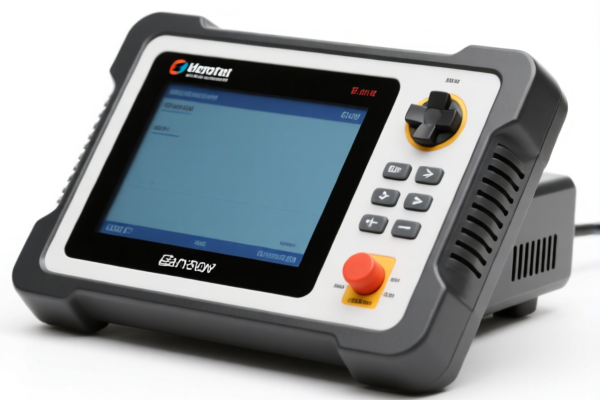
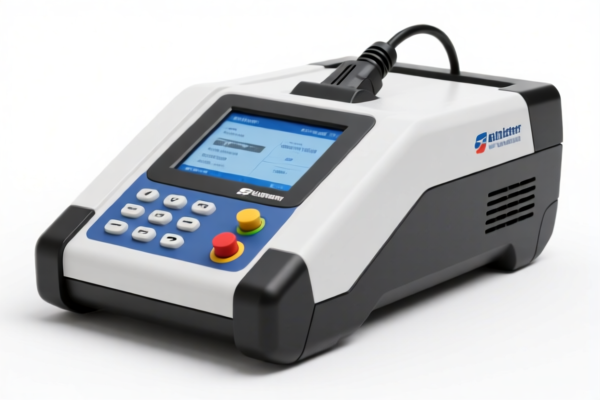
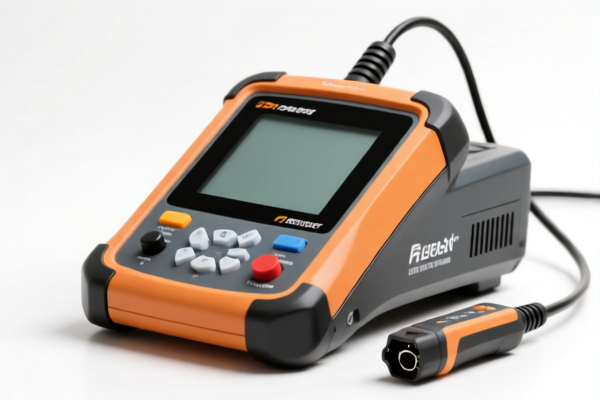
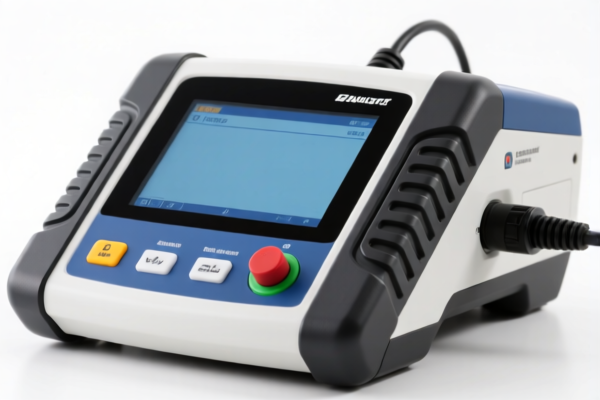
AI Analysis
🔍 Automotive Endoscope (Borescopes for Vehicle Inspection)
🌐 HS Code Reference & Customs Clearance Guide | 2026 Latest Tariff Analysis | Professional Compliance Strategy
📌 Part 1: Product Definition & Classification: Do You Really Understand "Automotive Endoscopes"?
An Automotive Endoscope (also known as a mechanical borescope or rigid/flexible inspection camera) is a specialized diagnostic tool used by mechanics and engineers to visually inspect hard-to-reach areas within engines, transmissions, cylinder blocks, and HVAC systems without disassembly.
In international trade, these devices are often misclassified as "photographic equipment" or "data processing machine accessories." However, under the Harmonized System (HS), they are strictly classified as Physical Analysis Instruments because their primary function is inspection and measurement of internal conditions (visual/physical state).
⚠️ Key Distinction Point:
- If the device is merely a camera module (no optical lens system or light source integration for analysis) → It might fall under 8525 (Broadcasting/Video Cameras).
- If the device is a complete instrument with optical viewing tubes, light sources, and handles for physical inspection/analysis of mechanical parts → It falls under 9027.
- Crucial Rule for 2026: Most standalone automotive borescopes are classified as "Instruments and apparatus for physical or chemical analysis" or "Other instruments and apparatus for measuring/checking quantities of light/heat/sound" depending on specific optical configuration.
📦 Part 2: HS Code Classification Details (Based on Provided Data)
According to the provided <DATA>, Automotive Endoscopes fall under Chapter 90: Optical, Photographic, Cinematographic, Measuring, Checking, Precision, Medical or Surgical Instruments. Specifically, they are categorized under Heading 9027.
Below are the two possible HS Codes provided in the data, distinguished by their electrical vs. non-electrical or specific functional attributes.
| HS Code | Product Description (Official) | Applicable Scenario | Tax Rate (China to US) |
|---|---|---|---|
9027.89.45.60 |
Electrical Physical analysis instruments and apparatus (Under: Instruments for physical/chemical analysis; Measuring viscosity, porosity, expansion, surface tension, etc.; Measuring heat, sound, or light; Microtomes; Other instruments: Other: Other: Other) |
- Electronic borescopes with LCD screens - Fiber optic endoscopes with electronic sensors - Digital inspection cameras for automotive diagnostics |
25.0% (Base: 0% + Additional: 25%) |
9027.89.80.60 |
Other Physical analysis instruments and apparatus (Under: Instruments for physical/chemical analysis; Measuring viscosity, porosity, expansion, surface tension, etc.; Measuring heat, sound, or light; Microtomes; Other instruments: Other: Other: Other) |
- Non-electronic rigid inspection scopes (mirror-based) - Mechanical push-rod endoscopes without electronic components - Purely optical inspection tools |
25.0% (Base: 0% + Additional: 25%) |
🔍 Critical Note:
- Both HS Codes provided in<DATA>carry a Total Tax Rate of 25.0% (0% Base + 25% Additional).
- The distinction between45(Electrical) and80(Other/Non-Electrical) depends on the internal technology:
- Electrical: Contains CCD/CMOS sensors, LED light sources powered by batteries, and/or digital display units.
- Non-Electrical: Uses mirrors, lenses, and fiber optics without active electronic components for image capture (rare in modern automotive tools, but possible for basic rigid scopes).
💰 Part 3: 2026 Latest Tariff Rate Detailed Explanation
✅ Applicable Country: United States (US)
✅ Origin: China (CN)
✅ Effective Date: Current Section 301 Tariffs Apply
🎯 1. 9027.89.45.60 – Electrical Physical Analysis Instruments
| Item | Content |
|---|---|
| Base Tariff | 0% (ad valorem) |
| Additional Tariff (Section 301) | +25% |
| Total Effective Tariff | 25.0% |
| Tax Calculation | CIF Value × 25% |
| De Minimis Exemption? | ❌ NO (Section 301 goods are generally excluded from de minimis treatment if valued over $800, or subject to specific restrictions) |
| Legal Basis Path | USITC:9027.89.45.60 → Section 301: Footnote 9903.88.01 (or similar applicable footnote for Chapter 90) |
📌 Explanation:
- The 0% base rate reflects the MFN (Most Favored Nation) rate for general instruments.
- The 25% additional duty is imposed under Section 301 of the Trade Act of 1974 against products from China.
- Total Cost Impact: For every $10,000 CIF value, you pay $2,500 in additional duties.
🎯 2. 9027.89.80.60 – Other Physical Analysis Instruments
| Item | Content |
|---|---|
| Base Tariff | 0% |
| Additional Tariff (Section 301) | +25% |
| Total Effective Tariff | 25.0% |
| Tax Calculation | CIF Value × 25% |
| De Minimis Exemption? | ❌ NO |
| Legal Basis Path | USITC:9027.89.80.60 → Section 301 |
📌 Note:
- The tariff burden is identical to the electrical version.
- Classification accuracy is vital because misclassifying an electrical device as "non-electrical" may lead to customs audits and penalties if evidence (e.g., circuit board) is found.
🛠️ Part 4: Customs Clearance Practical Advice (Pitfall Avoidance Guide)
✅ 1. Required Documentation Checklist
| Document | Required | Description |
|---|---|---|
| ✅ Product Specification Sheet | ✔️ | Must clearly state: Type (Rigid/Flexible), Length, Viewing Angle, Light Source (LED/Fiber), Power Source. |
| ✅ Circuit Diagram / Schematics | ✔️ | Critical for Classification: Proves whether the device is "Electrical" (9027.89.45) or "Non-Electrical" (9027.89.80). |
| ✅ Product Photos (Internal & External) | ✔️ | Show connector type, lens assembly, and any display unit. |
| ✅ Commercial Invoice | ✔️ | Description must be precise: "Automotive Borescope/Endoscope for Mechanical Inspection." Avoid vague terms like "Camera." |
| ✅ Packing List | ✔️ | List accessories separately (e.g., probes, cables, case) if they are not part of the main unit. |
✅ 2. Declaration Tips (Key Rules)
🔥 “Declare as Instrument, Not Camera”
| Situation | Correct Declaration | Wrong Practice |
|---|---|---|
| Digital Endoscope with Screen | 9027.89.45.60"Electrical Physical Analysis Instrument (Borescope)" |
Misdeclare as "Photographic Camera" (8525) → Risk of higher duty or rejection |
| Mechanical Mirror Scope | 9027.89.80.60"Physical Analysis Instrument (Endoscope)" |
Misdeclare as "Tool Accessory" → Incorrect valuation |
| Endoscope + Laptop Software Bundle | Declare Endoscope as main item Software as separate if invoiced separately |
Bundle as one "Computer System" → High risk of audit |
📌 Explanation:
- Endoscopes are not considered "photographic apparatus" for general use (which might fall under 8525). They are measuring/inspection instruments for physical states (Chapter 90).
- Using the term "Physical Analysis Instrument" in the description helps customs officers immediately recognize the correct Chapter 90 classification.
✅ 3. Special Scenarios
| Scenario | Handling Advice |
|---|---|
| OEM for Repair Shops | Provide contract showing specific design for automotive inspection to prove "professional instrument" status. |
| Consumer-Grade vs. Industrial | Both fall under 9027 if used for inspection. Ensure description emphasizes "diagnostic/inspection" purpose. |
| Accessories (Probes, Cables) | If sold separately, declare under respective headings (e.g., 9027.90 for parts). If sold together, main function rules apply (Endoscope as main item). |
🌍 Part 5: Global Market Comparison (2026 Context)
| Country/Region | Recommended HS Code | Tariff Rate (China Origin) | Certification Requirements | Notes |
|---|---|---|---|---|
| 🇺🇸 USA | 9027.89.45.60 / 9027.89.80.60 |
25% (Additional) | None specific, but FCC if wireless | High tariff burden. |
| 🇨🇳 China | 9027.89 |
~5-7% | CCC (if electrical) | Low tariff, high demand. |
| 🇪🇺 EU | 9027.89 |
0% (if general) | CE, RoHS | No Section 301 equivalent. |
| 🇬🇧 UK | 9027.89 |
0% | UKCA, RoHS | Post-Brexit rules apply. |
| 🇦🇺 Australia | 9027.89 |
5% | RCM | No special additional duties. |
📌 Conclusion:
- The USA is the only major market imposing a 25% additional tariff on these goods from China.
- Cost Saving Strategy: Consider sourcing from Vietnam, Malaysia, or Thailand to potentially avoid the 25% Section 301 tariff (verify Country of Origin rules carefully).
- Domestic/Non-US Markets: Tariffs are significantly lower (0-7%), making these instruments highly competitive elsewhere.
📌 Part 6: Common Errors & Pitfall Guide (Lessons Learned)
❌ Error 1: Classifying as 8525 (Broadcasting/Video Cameras)
👉 Consequence: If misclassified, customs may reassess under 9027 + 301 Tariff. Even if 8525 had lower base duty, the 25% additional duty might still apply if the good is deemed a "dual-use" or analytical instrument. Correct classification is safer.
❌ Error 2: Ignoring the "Electrical" vs. "Non-Electrical" distinction
👉 Consequence: If you declare 9027.89.80 (Non-Electrical) for a digital borescope, customs may seize the goods for misdeclaration and impose fines. Always provide circuit diagrams.
❌ Error 3: Undervaluing by splitting "Camera" and "Light Source"
👉 Consequence: Customs will consolidate the value based on the principal function. Splitting leads to delayed clearance and audits.
❌ Error 4: Using generic terms like "Tool" or "Accessory"
👉 Consequence: Vague descriptions trigger manual examination. Use precise terms: "Endoscope for Physical Inspection."
✅ Correct Declaration Example:
"Automotive Borescope, Electric, Flexible, with LED Light Source and LCD Display, Model XYZ, for Engine Inspection, FCC Certified"
🎯 Part 7: Conclusion: Precision Classification Saves Money!
🎯 Key Takeaways:
🔹 "Endoscope is an Instrument, Not a Camera" → Classify under 9027.
🔹 "Electrical vs. Non-Electrical" → Determines sub-heading (45vs.80), but both carry 25% additional duty.
🔹 "China to US = 25% Extra Cost" → Factor this into your pricing or consider supply chain diversification.
📌 Pro Tip:
If your volume is high, apply for an Advance Ruling from US Customs (CBP) to lock in the HS Code classification and avoid future disputes.
📣 Immediate Action:
📞 Consult a licensed customs broker.
📄 Prepare detailed technical specs.
🌍 Evaluate non-US markets to reduce tariff impact.
✨ Professional Customs Clearance Starts with Accurate Classification!
💼 Every 25% Saved is Pure Profit!
Customer Reviews
About HS Code Classification
The Harmonized System (HS) is an internationally standardized nomenclature developed by the World Customs Organization (WCO) to classify traded products. Over 200 countries use the HS system as the basis for customs tariffs, trade statistics, and import/export regulations.
Each HS code follows a hierarchical structure:
- Chapter (2 digits) — Broad category of goods (e.g., Chapter 84: Machinery and Mechanical Appliances)
- Heading (4 digits) — More specific grouping within the chapter
- Subheading (6 digits) — Internationally standardized breakdown, used by all WCO member countries
- National subdivisions (8-10 digits) — Country-specific extensions for further classification, such as US HTSUS 10-digit codes
Correct HS code classification is essential for smooth customs clearance, accurate duty payment, and compliance with trade regulations. Misclassification can lead to customs delays, overpayment of duties, or penalties.
When importing from CN to US, the applicable tariff rates may include:
- Most-Favored-Nation (MFN) rate — The standard duty rate applied to WTO members
- General rate — Applied to countries without trade agreements
- Trade remedy duties — Additional tariffs such as Section 301 (anti-dumping), Section 232 (national security), or countervailing duties
The information provided on this page is for reference purposes only. For official classification, please consult with your local customs authority or a licensed customs broker.