Automotive Inner Tube
CN → US| HS Code | Tariff Rate | Origin | Destination | Doc |
|---|---|---|---|---|
| 8708998180 | 12.5% | CN | US | Official Doc |
| 8708706060 | 37.5% | CN | US | Official Doc |
| 4011105000 | 38.4% | CN | US | Official Doc |
| 4013100010 | 38.7% | CN | US | Official Doc |
| 8708998180 | 12.5% | CN | US | Official Doc |
Product Images
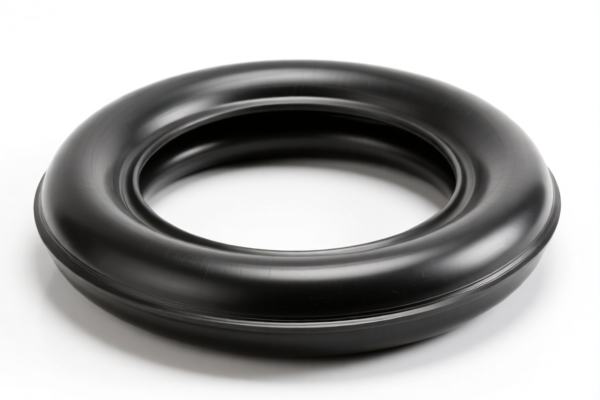
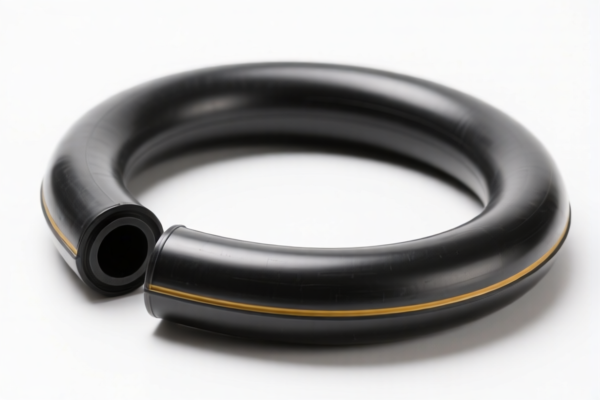
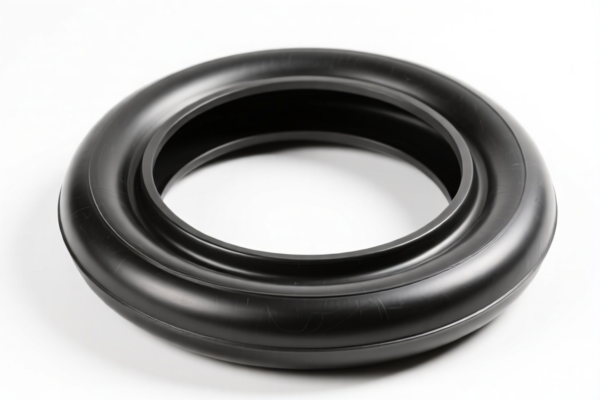
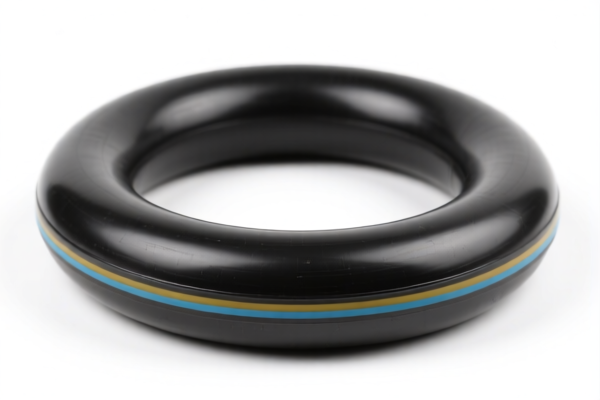
AI Analysis
🚗 Automotive Inner Tube (乘用车内胎)
🌐 HS Code Reference & Customs Clearance Guide | 2026 Latest Tariff Analysis | Professional Clearance Strategy
📌 I. Product Definition & Classification: Understanding the "Inner Tube"
Automotive inner tubes are critical components of pneumatic tire systems, providing the airtight seal necessary for vehicle mobility. In international trade, the classification depends heavily on whether they are treated as tire components (Chapter 40) or general automobile parts (Chapter 87). The material is consistently inferred as Rubber.
⚠️ Key Classification Distinction:
- If viewed as a specific rubber inflatable tire part → Classified under Chapter 40 (Higher tariffs due to specific rubber product rules).
- If viewed as a general automobile spare part/accessory → Classified under Chapter 87 (Lower base tariffs, but subject to specific trade remedies).
📦 II. HS Code Classification Details (2026 Latest Tariff Authority Comparison)
| HS Code | Product Description | Application Scenario | Tariff Category |
|---|---|---|---|
8708.99.81.80 |
Automotive inner tube as a spare part; fits "Other parts and accessories" definition. | General auto parts category, rubber material inferred. | Auto Parts |
8708.99.81.80 |
Automotive inner tube belongs to auto parts/accessories; reasonable inference of rubber material. | Repeated classification for auto parts category. | Auto Parts |
8708.70.60.60 |
Part of road wheels (pneumatic tires), fits "Other parts and accessories." | Specifically linked to wheel/tire assembly context. | Auto Parts |
4011.10.50.00 |
Component of rubber inflatable tires; meets new-style rubber tire material requirements. | Treated as a tire sub-component. | Rubber Tire Part |
4013.10.00.10 |
Fully conforms to material (rubber inner tube) and use (passenger car) limits. | Strict classification as a dedicated rubber inner tube. | Rubber Product |
🔍 Key Reminder:
- Classifying under 8708 generally results in lower base tariffs but faces 122 Clause tariffs.
- Classifying under 4011/4013 treats it as a rubber good, often triggering Section 301 (25%) tariffs in addition to base duties.
- Misclassification Risk: Declaring a tire component as a general part (8708) when it is strictly defined as a tire part (4013) may lead to customs audits.
💰 III. 2026 Latest Tariff Rate Breakdown (Including Surcharges & Policy Add-ons)
✅ Applicable Country: United States (US)
✅ Origin: China (CN)
✅ Effective Date: Current active rates including Section 301 and Section 122 provisions.
🎯 1. 8708.99.81.80 —— Automotive Spare Part Classification (Lowest Risk)
This is the most favorable classification for duty minimization, as it avoids the heavy 25% Section 301 tariffs applicable to rubber tires, though it still faces Section 122.
| Item | Content |
|---|---|
| Base Duty Rate | 2.5% (ad valorem) |
| Section 301 Surcharge | 0.0% (Not applicable to this subheading) |
| Section 122 Surcharge | +10% (Targeted at specific auto parts) |
| Total Tax Rate | 12.5% |
| Tax Calculation | CIF Value × 12.5% |
| De Minimis Eligibility | ❌ No (Standard de minimis does not apply to Section 122 goods) |
| Legal Basis Path | HTSUS:8708.99.81.80 → Section 122 Authority |
📌 Explanation:
- "Section 122 Tariff 10%": Based on the International Emergency Economic Powers Act (IEEPA) Section 122, targeting automobile parts and components.
- "Base Duty 2.5%": Standard Most Favored Nation (MFN) rate for auto parts.
- Total 12.5%: This is the lowest effective tariff among all valid HS codes for this product.
🎯 2. 8708.70.60.60 —— Road Wheel Component Classification
| Item | Content |
|---|---|
| Base Duty Rate | 2.5% |
| Section 301 Surcharge | +25.0% |
| Section 122 Surcharge | +10% |
| Total Tax Rate | 37.5% |
| Tax Calculation | CIF Value × 37.5% |
| De Minimis Eligibility | ❌ No |
| Legal Basis Path | HTSUS:8708.70.60.60 → Section 301 + Section 122 |
📌 Note:
- Although classified under Chapter 87 (Auto Parts), the specific subheading8708.70(Road wheels and parts thereof) is subject to the 25% Section 301 tariff.
- Combined with 10% Section 122, the total burden is 37.5%.
🎯 3. 4011.10.50.00 —— Rubber Inflatable Tire Component
| Item | Content |
|---|---|
| Base Duty Rate | 3.4% |
| Section 301 Surcharge | +25.0% |
| Section 122 Surcharge | +10% |
| Total Tax Rate | 38.4% |
| Tax Calculation | CIF Value × 38.4% |
| De Minimis Eligibility | ❌ No |
| Legal Basis Path | HTSUS:4011.10.50.00 → Section 301 + Section 122 |
📌 Note:
- Classified under Chapter 40 (Rubber and articles thereof).
- Subject to 25% Section 301 (typical for rubber tires/parts from China) and 10% Section 122.
🎯 4. 4013.10.00.10 —— Rubber Inner Tube (Specific Material Definition)
| Item | Content |
|---|---|
| Base Duty Rate | 3.7% |
| Section 301 Surcharge | +25.0% |
| Section 122 Surcharge | +10% |
| Total Tax Rate | 38.7% |
| Tax Calculation | CIF Value × 38.7% |
| De Minimis Eligibility | ❌ No |
| Legal Basis Path | HTSUS:4013.10.00.10 → Section 301 + Section 122 |
📌 Note:
- This is the most "material-specific" classification, explicitly defining the item as a rubber inner tube.
- Highest total tax rate among the options (38.7%).
- Use this only if customs strictly requires material-specific declaration over "auto part" classification.
🛠️ IV. Customs Clearance Practical Advice (Battle-Tested Pitfall Guide)
✅ 1. Required Documentation List (All or Nothing)
| Document | Mandatory | Description |
|---|---|---|
| ✅ Product Spec Sheet | ✔️ | Material composition (100% Rubber?), dimensions, valve type. |
| ✅ Commercial Invoice | ✔️ | Must clearly state "Automotive Inner Tube" or "Auto Part." |
| ✅ Packing List | ✔️ | Separate inner tubes from wheels/tires if shipped separately. |
| ✅ Country of Origin Cert. | ✔️ | Critical for applying/preventing Section 301/122 exemptions. |
| ✅ HS Code Pre-Ruling | ✔️ | Highly recommended to lock in 8708.99.81.80 for lower taxes. |
✅ 2. Declaration Strategy (Key Mantra)
🔥 “Part is King, Rubber is High; 8708 Wins, 4013 Pains!”
| Scenario | Correct Declaration | Wrong Approach |
|---|---|---|
| Inner Tube Shipped Separately | 8708.99.81.80 (Auto Part) |
Misdeclare as 4013 → 38.7% Tax |
| Inner Tube Shipped with Tire | Consider as tire assembly | Split invoice incorrectly → Audit risk |
| Generic "Rubber Tube" Label | Specific: "Passenger Car Inner Tube" | Vague: "Rubber Part" → Customs Delay |
| Non-China Origin | Declare Correct Origin | Hide Origin → Seizure/Fines |
💡 Strategic Insight:
- The8708.99.81.80classification is the clear winner for cost efficiency (12.5% vs 37.5%+).
- Ensure your product description emphasizes "Automobile Part" rather than just "Rubber Article" to support this classification.
✅ 3. Special Case Handling
| Situation | Handling Advice |
|---|---|
| OEM Custom Tubes | Provide OEM contracts to prove use as auto parts, supporting 8708 classification. |
| Mixed Containers | Ensure inner tubes are not mixed with other non-auto rubber goods to avoid classification ambiguity. |
| Section 122 Exemptions | Check if the specific brand/model qualifies for any current exemptions (rare, but possible). |
| Valve Stem Inclusion | If valve stems are included, declare together under the same HS code; do not split. |
🌍 V. Global Main Market Clearance Comparison (2026 Latest)
| Country/Region | Recommended HS Code | Duty Rate | Certification | Notes |
|---|---|---|---|---|
| 🇺🇸 USA | 8708.99.81.80 |
12.5% | NHTSA DOT (if applicable) | Lowest US Rate. Avoid 4013. |
| 🇨🇳 China | 4013.10.00.10 |
5-10% | CCC (if applicable) | Domestic trade may prefer material code. |
| 🇪🇺 EU | 4013.10.00 |
0-6% | CE/RoHS | No Section 301/122. VAT applies separately. |
| 🇬🇧 UK | 4013.10.00 |
0-6% | UKCA | Post-Brexit rules align closely with EU. |
| 🇯🇵 Japan | 4013.10.00 |
0-10% | JIS | No punitive tariffs. |
📌 Conclusion:
- USA is the only market where classification choice drastically changes cost (12.5% vs 38.7%).
- Europe/Asia do not apply Section 301 or Section 122, so4013is standard.
- Optimization Focus: Prioritize8708.99.81.80for US imports to save 26% in duties.
📌 VI. Common Errors & Pitfall Guide (Lessons Learned)
❌ Error 1: Declaring Inner Tube as 4011 (Tire Part) without justification.
👉 Consequence: 38.4% Duty instead of 12.5% → Huge profit loss.
❌ Error 2: Not declaring Section 122 liability for 8708 codes.
👉 Consequence: Underpayment of the 10% surcharge → Penalties & Back Taxes.
❌ Error 3: Vague description "Rubber Part."
👉 Consequence: Customs cannot determine if it’s 8708 (Auto) or 4013 (Rubber) → Hold & Audit.
❌ Error 4: Ignoring Section 301 applicability on 8708.70.
👉 Consequence: Surprisingly high duty (37.5%) because 8708.70 is subject to 301, unlike 8708.99.
✅ Correct Practice:
"Inner Tube, Passenger Car, Rubber, For Auto Parts Use, Model XYZ, Origin CN"
🎯 VII. Conclusion: Precision Classification, Maximize Margin!
🎯 Remember the Mantra:
🔹 “Part First (8708), Save Big (12.5%); Rubber Specific (4013), Tax High (38.7%)!”
🔹 “Check Section 122, Always apply the 10%; Avoid 301 on Parts, Stay Low!”
📌 Pro Tip:
- For US imports, always argue for 8708.99.81.80 as an "Automobile Part" rather than a "Rubber Article."
- Provide technical documents proving the tube is designed specifically for automotive use (size, valve type, pressure ratings) to support the auto part classification.
- Consider Advance Ruling (Pre-Ruling) from US CBP to lock in the 12.5% rate and avoid post-import audits.
📣 Take Action Now:
📞 Consult a licensed customs broker to file for HS Code Pre-Ruling on
8708.99.81.80.
🚀 Clear the border, Cut the costs, Boost your margins!
✨ Professional Clearance Starts with Accurate Classification!
💼 Every percentage point saved is pure profit!
Customer Reviews
About HS Code Classification
The Harmonized System (HS) is an internationally standardized nomenclature developed by the World Customs Organization (WCO) to classify traded products. Over 200 countries use the HS system as the basis for customs tariffs, trade statistics, and import/export regulations.
Each HS code follows a hierarchical structure:
- Chapter (2 digits) — Broad category of goods (e.g., Chapter 84: Machinery and Mechanical Appliances)
- Heading (4 digits) — More specific grouping within the chapter
- Subheading (6 digits) — Internationally standardized breakdown, used by all WCO member countries
- National subdivisions (8-10 digits) — Country-specific extensions for further classification, such as US HTSUS 10-digit codes
Correct HS code classification is essential for smooth customs clearance, accurate duty payment, and compliance with trade regulations. Misclassification can lead to customs delays, overpayment of duties, or penalties.
When importing from CN to US, the applicable tariff rates may include:
- Most-Favored-Nation (MFN) rate — The standard duty rate applied to WTO members
- General rate — Applied to countries without trade agreements
- Trade remedy duties — Additional tariffs such as Section 301 (anti-dumping), Section 232 (national security), or countervailing duties
The information provided on this page is for reference purposes only. For official classification, please consult with your local customs authority or a licensed customs broker.