Automotive Plastic Self Adhesive Tape
CN → US| HS Code | Tariff Rate | Origin | Destination | Doc |
|---|---|---|---|---|
| 3926305000 | 22.8% | CN | US | Official Doc |
| 3926909989 | 22.8% | CN | US | Official Doc |
| 3919102055 | 40.8% | CN | US | Official Doc |
| 5604909000 | 40.0% | CN | US | Official Doc |
| 3919905060 | 40.8% | CN | US | Official Doc |
Product Images


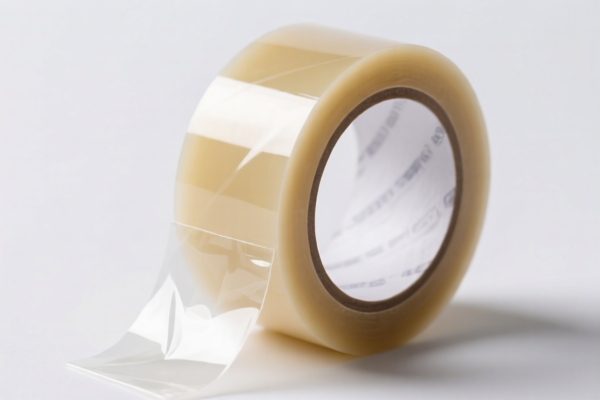
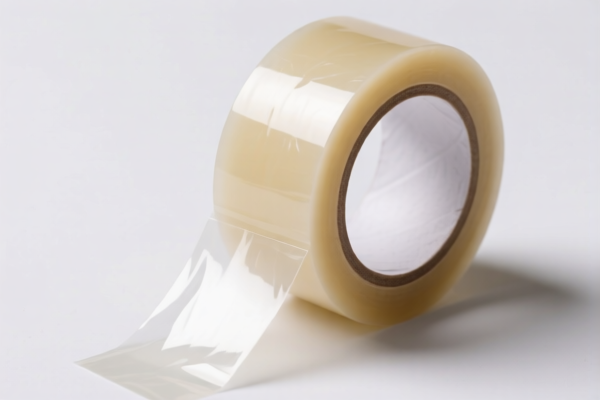
AI Analysis
🚗 Automotive Plastic Self-Adhesive Tape: HS Code Classification & Tariff Breakdown (USA Import)
🌐 HS Code Reference & Customs Clearance Guide | 2026 Latest Tariff Analysis | Professional Clearance Strategy
📌 I. Product Definition: What is "Automotive Plastic Self-Adhesive Tape"?
Automotive plastic self-adhesive tape is a critical automotive exterior accessory. It is primarily used for connecting, bonding, sealing, or decorative purposes on vehicle exteriors.
In international trade, its classification depends on three key factors: 1. Material: Plastic (PP, PE, PVC, etc.). 2. Form: Self-adhesive tape (flat, roll, or sheet). 3. Processing: Whether it is impregnated, coated, or covered with plastic.
⚠️ Critical Distinction:
- If it is a standard plastic adhesive tape (flat shape, self-adhesive) → Often falls under 3919.
- If it is a specialized plastic component for connection/adhesion → May fall under 3926.
- If it involves impregnation/coating processes → May fall under 5604 or 3919.90.
📦 II. HS Code Classification Details (2026 Latest Tariff Authority)
The following HS Codes are derived strictly from the provided <DATA> for "Automotive Plastic Self-Adhesive Tape". Note that different descriptions lead to significantly different tax rates.
| HS Code | Product Description (from Data) | Key Characteristics | Total Tax Rate |
|---|---|---|---|
| 3926.30.50.00 | Automotive exterior plastic self-adhesive tape; Material: Plastic; Purpose: Connecting/Adhesive Parts; Form: Other plastic products. | Classified as a general "Other Plastic Product" for connection. | 22.8% |
| 3926.90.99.89 | Automotive exterior plastic self-adhesive tape; Material: Plastic; Form: Tape; Category: Other plastic products. | Classified broadly as "Other Plastic Products" (Tape form). | 22.8% |
| 3919.10.20.55 | Automotive exterior plastic self-adhesive tape; Material: Plastic; Form: Self-adhesive tape; Meets flat shape requirements. | Classified as "Plastic self-adhesive tapes, in rolls of a width ≤ 20cm" (typically). | 40.8% |
| 5604.90.90.00 | Automotive exterior plastic self-adhesive tape; Material: Plastic; Processed: Impregnated, coated, covered, or sheathed with plastic; Form: Tape. | Classified under "Yarn, strip... impregnated... with plastic". | 40.0% |
| 3919.90.50.60 | Automotive exterior plastic self-adhesive tape; Material: Plastic; Form: Self-adhesive tape; Purpose: Automotive Exterior. | Classified as "Other plastic self-adhesive tapes". | 40.8% |
🔍 Key Insight:
- Lower Tax Bracket (22.8%): Codes3926.30.50.00and3926.90.99.89classify the product as a general "Plastic Product" rather than a standard "Adhesive Tape". This is often the preferred route if the product is seen as a finished component.
- Higher Tax Bracket (40.0% - 40.8%): Codes3919.10.20.55,5604.90.90.00, and3919.90.50.60classify it strictly as "Adhesive Tape" or "Impregnated Tape", which attract higher additional tariffs.
💰 III. 2026 Latest Tariff Rate Breakdown (Detailed Analysis)
✅ Applicable Country: United States (US)
✅ Country of Origin: China (CN)
✅ Effective Date: Current tariffs apply as per the data.
🎯 1. Low-Tax Options: 3926.30.50.00 & 3926.90.99.89
Total Tax Rate: 22.8%
| Item | Detail |
|---|---|
| Base Tariff | 5.3% |
| Section 301 Tariff | 7.5% |
| Section 122 Tariff | 10% |
| Total Effective Rate | 22.8% |
| Calculation | CIF Value × 22.8% |
| De Minimis Exemption | ❌ Not Applicable (Section 301 and 122 tariffs generally do not benefit from de minimis exemptions) |
| Legal Basis | Based on HS Code classification under Chapter 39 (Articles of Plastic and Articles Thereof) |
📌 Explanation:
- These codes avoid the 25% Section 301 tariff applied to standard plastic tapes (like those under 3919.10).
- Instead, they are subject to a lower 7.5% Section 301 rate (likely due to specific product exclusions or different subsection interpretation).
- Recommendation: If your product qualifies as a "connecting/adhesive part" rather than just a roll of tape, this is the most cost-effective classification.
🎯 2. Medium-Tax Option: 5604.90.90.00
Total Tax Rate: 40.0%
| Item | Detail |
|---|---|
| Base Tariff | 5.0% |
| Section 301 Tariff | 25.0% |
| Section 122 Tariff | 10% |
| Total Effective Rate | 40.0% |
| Calculation | CIF Value × 40.0% |
| De Minimis Exemption | ❌ Not Applicable |
📌 Explanation:
- This code applies if the tape is described as impregnated, coated, covered, or sheathed with plastic.
- The 25% Section 301 tariff is fully applied, which is the standard high rate for many plastic goods.
- Only saves 0.8% compared to the 3919 codes.
🎯 3. High-Tax Options: 3919.10.20.55 & 3919.90.50.60
Total Tax Rate: 40.8%
| Item | Detail |
|---|---|
| Base Tariff | 5.8% |
| Section 301 Tariff | 25.0% |
| Section 122 Tariff | 10% |
| Total Effective Rate | 40.8% |
| Calculation | CIF Value × 40.8% |
| De Minimis Exemption | ❌ Not Applicable |
📌 Explanation:
-3919.10.20.55: For self-adhesive tapes in rolls of a specific width (typically ≤20cm).
-3919.90.50.60: For other self-adhesive plastic tapes.
- These are the most common classifications for standard adhesive tapes.
- The 25% Section 301 tariff is applied, plus a slightly higher base tariff (5.8%) compared to other codes.
🛠️ IV. Customs Clearance Practical Advice (Pitfall Avoidance Guide)
✅ 1. Essential Documentation Checklist
| Document | Mandatory? | Description |
|---|---|---|
| ✅ Product Specifications | ✔️ | Must detail: Material (e.g., PP/PE), Adhesive Type, Width, Roll Length, Thickness. |
| ✅ Product Photos | ✔️ | Clear images showing the product, label, and packaging. Must prove it is "Plastic Self-Adhesive Tape". |
| ✅ Commercial Invoice | ✔️ | Description must match the chosen HS Code. E.g., if using 3926, describe as "Plastic Adhesive Component" not just "Tape". |
| ✅ Packing List | ✔️ | Weight, dimensions, and number of packages. |
| ✅ Certificate of Origin | ✔️ | Required for origin verification, especially for Section 301/122 applicability. |
✅ 2. Classification Strategy (Key Tips)
🔥 "Describe Function, Not Just Form!"
| Scenario | Recommended HS Code | Reasoning |
|---|---|---|
| Standard Roll of Tape | 3919.10.20.55 or 3919.90.50.60 |
Standard adhesive tape classification. High tax (40.8%). |
| Tape with Plastic Coating/Impregnation | 5604.90.90.00 |
Processed yarn/strips. Medium tax (40.0%). |
| Tape Used as a Specific Adhesive Part | 3926.30.50.00 |
LOWEST TAX (22.8%). Emphasize its role as a "connecting/adhesive part" rather than raw material. |
| General Plastic Tape Component | 3926.90.99.89 |
LOWEST TAX (22.8%). Broad category for other plastic products. |
✅ 3. Special Considerations
| Situation | Advice |
|---|---|
| Width of Tape | If width is ≤20cm, it likely falls under 3919.10. If >20cm, it may fall under 3919.90. This affects the specific sub-code but not the general tax bracket significantly. |
| Adhesive Type | Does not change HS Code, but must be declared for safety/chemical compliance. |
| Origin | Ensure the Certificate of Origin correctly states "Made in China" to apply the correct Section 301 and 122 tariffs. |
| Section 122 Tariff | 10% is mandatory for most goods from China under Section 122. No exemption. |
📌 V. Common Errors & Pitfalls (Blood & Tears Lessons)
❌ Error 1: Using "Adhesive Tape" description for all products without considering Chapter 39 vs. 3926.
👉 Consequence: You might pay 40.8% instead of 22.8%. Loss: 18% of CIF value!
❌ Error 2: Misdeclaring the material.
👉 Consequence: If the tape contains metal foil or fabric base, it may not qualify as pure plastic (3919/3926) and could fall under different chapters with different rules.
❌ Error 3: Ignoring Section 122.
👉 Consequence: The 10% Section 122 tariff applies regardless of the HS Code. Failing to account for it leads to underpayment and penalties.
✅ Correct Approach:
"Plastic Self-Adhesive Tape for Automotive Exterior, Material: PP, Width: 5cm, Used as Bonding Component"
🎯 VI. Conclusion: Professional Classification for Cost Savings
🎯 Key Takeaway:
- Best Case: Classify under 3926.30.50.00 or 3926.90.99.89 → 22.8% Total Tax.
- Worst Case: Classify under 3919.10.20.55 → 40.8% Total Tax.
- Difference: 18% savings on every dollar imported!
🔹 "Treat it as a 'Plastic Product' (3926), not just 'Tape' (3919), to save 18%!"
🔹 "Section 122 (10%) and Section 301 (7.5% vs 25%) are the key variables."
📌 Pro Tip:
- Request a Pre-Ruling from U.S. Customs and Border Protection (CBP) if you are uncertain about the classification.
- Clearly define the product's end-use and composition in your commercial invoice to support the lower tax bracket (3926).
📣 Immediate Action:
📞 Consult with a customs broker to confirm if your specific tape formulation qualifies for Chapter 3926.
🚀 Optimize your HS Code, reduce your tariff burden, and boost your profit margin!
✨ Professional Customs Clearance Starts with Precise Classification!
💼 Every percentage point matters in global trade!
Customer Reviews
About HS Code Classification
The Harmonized System (HS) is an internationally standardized nomenclature developed by the World Customs Organization (WCO) to classify traded products. Over 200 countries use the HS system as the basis for customs tariffs, trade statistics, and import/export regulations.
Each HS code follows a hierarchical structure:
- Chapter (2 digits) — Broad category of goods (e.g., Chapter 84: Machinery and Mechanical Appliances)
- Heading (4 digits) — More specific grouping within the chapter
- Subheading (6 digits) — Internationally standardized breakdown, used by all WCO member countries
- National subdivisions (8-10 digits) — Country-specific extensions for further classification, such as US HTSUS 10-digit codes
Correct HS code classification is essential for smooth customs clearance, accurate duty payment, and compliance with trade regulations. Misclassification can lead to customs delays, overpayment of duties, or penalties.
When importing from CN to US, the applicable tariff rates may include:
- Most-Favored-Nation (MFN) rate — The standard duty rate applied to WTO members
- General rate — Applied to countries without trade agreements
- Trade remedy duties — Additional tariffs such as Section 301 (anti-dumping), Section 232 (national security), or countervailing duties
The information provided on this page is for reference purposes only. For official classification, please consult with your local customs authority or a licensed customs broker.