Automotive Repair Tools
CN → US| HS Code | Tariff Rate | Origin | Destination | Doc |
|---|---|---|---|---|
| 8467290040 | 17.5% | CN | US | Official Doc |
| 8205595560 | 40.3% | CN | US | Official Doc |
| 8206000000 | 0.0% | CN | US | Official Doc |
| 8467891000 | 17.5% | CN | US | Official Doc |
| 8205593080 | 35.0% | CN | US | Official Doc |
Product Images
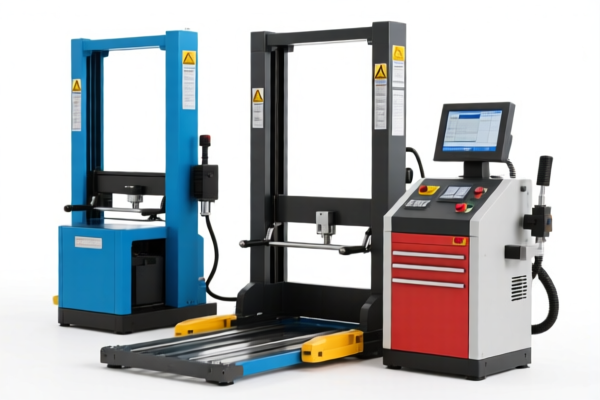
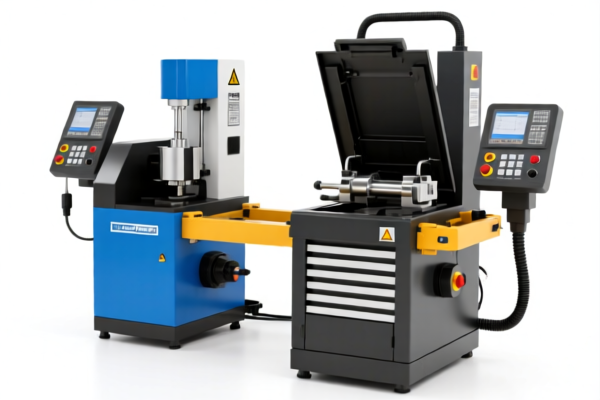
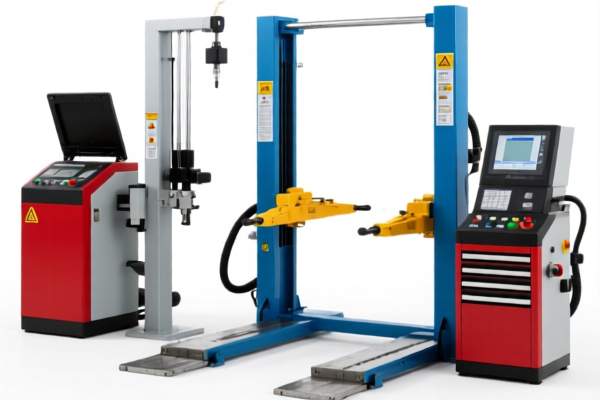
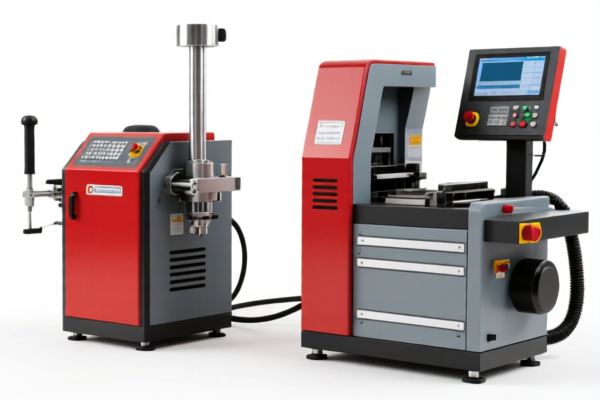
AI Analysis
🔧 Automotive Repair Tools (Hand & Power Tools)
🌐 HS Code Reference & Customs Clearance Guide | 2026 Latest Tariff Analysis | Professional Clearance Strategy
📌 I. Product Definition & Classification: What Exactly Are "Automotive Repair Tools"?
Automotive repair tools encompass a wide range of equipment used for vehicle maintenance, diagnostics, and mechanical repairs. In international trade, these are generally classified based on power source and functionality:
Manual Hand Tools (Hand Operated): Wrenches, sockets, pliers, screwdrivers, hammers, and specialized automotive repair kits without motors.
Powered Power Tools: Electric, pneumatic, or hydraulic impact wrenches, drills, grinders, and diagnostic scanners that contain motors or engines.
⚠️ Key Distinction Point:
- If the tool is hand-operated (no motor) and made of metal → Typically falls under Chapter 82 (Articles of Iron/Steel) or Chapter 84 (Machinery parts if complex).
- If the tool is powered (electric/pneumatic/hydraulic) → Typically falls under Chapter 84 (Tools for working metal, etc.).
- Retail Sets: If sold as a kit containing various tools, classification depends on the essential character of the set.
📦 II. HS Code Classification Details (2026 Latest Tariff Authority Comparison)
| HS Code | Product Description | Application Scenario | Power Source / Material |
|---|---|---|---|
8467.29.00.40 |
Other hand-held tools with self-contained electric or non-electric motor; Screwdrivers and impact wrenches | Impact wrenches, electric ratchets, pneumatic drivers | ✅ Powered (Electric/Pneumatic) |
8205.59.55.60 |
Other hand tools, n.e.c. (Not elsewhere classified) | General manual automotive repair kits (wrenches, pliers) | ❌ Manual (Metal/Iron/Steel inferred) |
8206.00.00.00 |
Hand tools (e.g., hammers, screwdrivers, pliers, tongs, nutcrackers) with combined features (retail sets) | Multi-tool automotive repair kits sold in retail packaging | ❌ Manual (Mixed components) |
8467.89.10.00 |
Other tools for working in the hand, self-contained, for working metal | General powered automotive metalworking tools (grinders, etc.) | ✅ Powered (Metalworking focus) |
8205.59.30.80 |
Other hand tools, n.e.c. (Excluding specific subsets) | Specific manual automotive tools falling under "other" | ❌ Manual (Metal inferred) |
🔍 Important Reminder:
- Powered Tools are classified under 8467 if they are hand-held tools with self-contained motors.
- Manual Tools are classified under 8205 or 8206 if they are simple hand-operated instruments.
- Sets: If a kit contains both manual and powered tools, customs may classify based on the principal function or the value-weighted component.
💰 III. 2026 Latest Tariff Rate Breakdown (Including Additional Duties & Policy Surcharges)
✅ Applicable Country: United States (US)
✅ Origin: China (CN)
✅ Effective Date: From November 10, 2025 (and subsequent imports)
🎯 1. 8467.29.00.40 —— Powered Hand-Held Tools (Impact Wrenches, etc.)
| Item | Content |
|---|---|
| Basic Duty Rate | 0% (ad valorem) |
| Section 301 Additional Duty | +7.5% (From Section 301 Tariffs) |
| Section 122 Tariff | +10% (Specific automotive-related provisions) |
| Total Tariff Rate | 17.5% |
| Tax Calculation | CIF Value × 17.5% |
| De Minimis Exemption Eligible? | ❌ No (deny_de_minimis) |
| Legal Basis Path | Section 301: 8467.29.00.40 → Section 122: Automotive Tools |
📌 Explanation:
- "0% Base" indicates the standard MFN duty is low, but Section 301 and Section 122 significantly increase the cost.
- Section 122 is specifically targeted at certain automotive parts and tools, adding an extra 10%.
- Total 17.5% is moderate compared to other categories but still a significant cost driver.
🎯 2. 8205.59.55.60 —— Manual Hand Tools (Other, Metal Inferred)
| Item | Content |
|---|---|
| Basic Duty Rate | 5.3% |
| Section 301 Additional Duty | +25.0% |
| Section 122 Tariff | +10% |
| Total Tariff Rate | 40.3% |
| Tax Calculation | CIF Value × 40.3% |
| De Minimis Exemption Eligible? | ❌ No (deny_de_minimis) |
| Legal Basis Path | Section 301: 8205.59.55.60 → Section 122 → Manual Tools Category |
📌 Explanation:
- "Base Duty 5.3%" is standard for iron/steel hand tools.
- Section 301 (+25%) is the major cost component for Chinese-manufactured metal goods.
- Section 122 (+10%) applies here as automotive repair tools are often linked to automotive maintenance.
- Total 40.3% is very high, making manual tool imports expensive from China.
🎯 3. 8206.00.00.00 —— Retail Sets of Hand Tools
| Item | Content |
|---|---|
| Basic Duty Rate | The rate applicable to that article in the set subject to tax |
| Section 301 Additional Duty | +25.0% |
| Section 122 Tariff | +10% |
| Total Tariff Rate | Variable (Base + 35%) |
| Tax Calculation | CIF Value × (Base Rate + 35%) |
| De Minimis Exemption Eligible? | ❌ No (deny_de_minimis) |
| Legal Basis Path | Section 301 → Retail Sets Rules → Section 122 |
📌 Explanation:
- For sets, the base duty depends on the component that gives the set its essential character.
- Regardless of the base rate, Section 301 (+25%) and Section 122 (+10%) are always added.
- Total Surcharge: Always 35% on top of the base duty.
🎯 4. 8467.89.10.00 —— Other Powered Metalworking Tools
| Item | Content |
|---|---|
| Basic Duty Rate | 0.0% |
| Section 301 Additional Duty | +7.5% |
| Section 122 Tariff | +10% |
| Total Tariff Rate | 17.5% |
| Tax Calculation | CIF Value × 17.5% |
| De Minimis Exemption Eligible? | ❌ No (deny_de_minimis) |
| Legal Basis Path | Section 301: 8467.89.10.00 → Section 122 |
📌 Explanation:
- Similar to8467.29.00.40, these are powered tools but fall under a different subheading for "other" metalworking tools.
- Total 17.5% remains consistent due to the same Section 301 and 122 surcharges.
🎯 5. 8205.59.30.80 —— Other Manual Hand Tools (Specific Subset)
| Item | Content |
|---|---|
| Basic Duty Rate | 0.0% |
| Section 301 Additional Duty | +25.0% |
| Section 122 Tariff | +10% |
| Total Tariff Rate | 35.0% |
| Tax Calculation | CIF Value × 35.0% |
| De Minimis Exemption Eligible? | ❌ No (deny_de_minimis) |
| Legal Basis Path | Section 301: 8205.59.30.80 → Section 122 |
📌 Explanation:
- "Base Duty 0%" may apply to certain specific manual tools under this subheading.
- However, Section 301 (+25%) and Section 122 (+10%) still apply.
- Total 35.0% is high, reflecting the punitive tariffs on Chinese metal goods.
🛠️ IV. Customs Clearance Practical Advice (Real-World Pitfall Avoidance Guide)
✅ 1. Required Documentation Checklist (No Omissions Allowed)
| Document | Must Provide | Explanation |
|---|---|---|
| ✅ Product Specifications | ✔️ | Include material, power source, torque specs, voltage |
| ✅ Product Photos (Label/Nameplate) | ✔️ | Clear view of brand, model, input/output parameters |
| ✅ Commercial Invoice | ✔️ | Must clearly state "Automotive Repair Tools" and HS Code |
| ✅ Packing List | ✔️ | Detail contents to prove if it's a set or individual tools |
| ✅ Certificate of Origin (CO) | ✔️ | Critical for verifying China origin and applying Section 301/122 |
| ✅ Test Reports (if applicable) | ✔️ | UL, CE, or safety certifications for powered tools |
✅ 2. Declaration Tips (Key Mnemonics)
🔥 "Powered is 84, Manual is 82, Sets depend on Character, Section 301 & 122 Always Apply!"
| Scenario | Correct Declaration Approach | Common Error |
|---|---|---|
| Electric Impact Wrench | 8467.29.00.40 |
Misclassifying as manual → Incorrect tax |
| Socket Wrench Set (Manual) | 8205.59.55.60 or 8206.00.00.00 |
Vague description "Tools" → Delayed clearance |
| Pneumatic Drill | 8467.89.10.00 |
Confusing with general machinery |
| Mixed Kit (Manual + Electric) | Determine Essential Character | Splitting shipment → Higher costs |
✅ 3. Special Circumstances Handling
| Scenario | Handling Advice |
|---|---|
| OEM Custom Tools | Provide customer orders and design drawings to prove specific automotive use |
| Diagnostic Scanners | May fall under 8543 (Electrical machines) not tools, verify HS Code |
| Tools with Lubricants | Lubricants may be classified separately, affecting tax calculation |
| Third-Country Assembly | If tools are assembled in Mexico/Vietnam, they may qualify for IEEPA exemptions, reducing tariffs significantly |
🌍 V. Global Market Comparison (2026 Latest)
| Country/Region | Recommended HS Code | Tariff (China Origin) | Certification Requirements | Remarks |
|---|---|---|---|---|
| 🇺🇸 USA | 8467.29.00.40 / 8205.59.55.60 |
17.5% ~ 40.3% | UL, CE, RoHS | High Section 301 & 122 tariffs |
| 🇨🇳 China | 8467.29.00.40 / 8205.59.55.60 |
5% ~ 8% | CCC (if applicable) | Low base tariffs |
| 🇪🇺 EU | 8467.29.00.40 / 8205.59.55.60 |
0% ~ 4% | CE, REACH | No Section 301 surcharges |
| 🇲🇽 Mexico | Varies | 0% ~ 5% | NOM | Free Trade under USMCA |
📌 Conclusion:
- USA imposes the highest effective tariff due to Section 301 and Section 122.
- China-origin manual tools face up to 40.3% total duty.
- China-origin powered tools face 17.5% total duty.
- Consider supply chain diversification (e.g., Mexico, Vietnam) to mitigate US tariffs.
📌 VI. Common Errors & Pitfall Guide (Lessons from Experience)
❌ Error 1: Declaring "Automotive Tools" without specifying power source
👉 Consequence: Customs may classify as the highest taxed manual tool category → 40.3% instead of 17.5%
❌ Error 2: Ignoring Section 122 for automotive-related tools
👉 Consequence: Underpayment of 10% additional duty → Penalties and Back Taxes
❌ Error 3: Misclassifying Electric Tools as Manual
👉 Consequence: Wrong HS Code → Clearance Delay, Seizure, or Re-export
❌ Error 4: Not declaring China Origin for Section 301/122 Application
👉 Consequence: If origin is unclear, customs may apply Most Favored Nation (MFN) rates, which could be different or lead to audits.
✅ Correct Approach:
"Impact Wrench, 1/2 Drive, 1000Nm Torque, Electric 18V, Model ABC, Made in China, UL Certified"
🎯 VII. Conclusion: Professional Declaration, Time & Cost Savings!
🎯 Remember the Mnemonic:
🔹 "Powered 17.5, Manual 40.3, Sets Vary but Add 35%, Section 301 & 122 Always Hit!"
🔹 "HS Code Determines Life, Tax Rate Differs by 25 Points, One Mistake Costs Thousands!"
📌 Pro Tip:
If your automotive tools are originating from Vietnam, Mexico, Thailand, or Malaysia, you may qualify for IEEPA Exemptions, reducing tariffs to 0%~5%.
Recommend Applying for Advance Rulings before shipment to avoid clearance risks.
📣 Immediate Action:
📞 Contact Professional Customs Brokers + Provide Product Images + Apply for HS Code Advance Ruling
🚀 Let Your Automotive Tools Clear Customs Smoothly, Export Efficiently, and Maximize Profits!
✨ Professional Clearance Starts with Accurate Classification!
💼 Every Cent of Your Cost Deserves Precise Calculation!
Customer Reviews
About HS Code Classification
The Harmonized System (HS) is an internationally standardized nomenclature developed by the World Customs Organization (WCO) to classify traded products. Over 200 countries use the HS system as the basis for customs tariffs, trade statistics, and import/export regulations.
Each HS code follows a hierarchical structure:
- Chapter (2 digits) — Broad category of goods (e.g., Chapter 84: Machinery and Mechanical Appliances)
- Heading (4 digits) — More specific grouping within the chapter
- Subheading (6 digits) — Internationally standardized breakdown, used by all WCO member countries
- National subdivisions (8-10 digits) — Country-specific extensions for further classification, such as US HTSUS 10-digit codes
Correct HS code classification is essential for smooth customs clearance, accurate duty payment, and compliance with trade regulations. Misclassification can lead to customs delays, overpayment of duties, or penalties.
When importing from CN to US, the applicable tariff rates may include:
- Most-Favored-Nation (MFN) rate — The standard duty rate applied to WTO members
- General rate — Applied to countries without trade agreements
- Trade remedy duties — Additional tariffs such as Section 301 (anti-dumping), Section 232 (national security), or countervailing duties
The information provided on this page is for reference purposes only. For official classification, please consult with your local customs authority or a licensed customs broker.