Automotive Supplies
CN → US| HS Code | Tariff Rate | Origin | Destination | Doc |
|---|---|---|---|---|
| 8708106050 | 87.5% | CN | US | Official Doc |
| 8512909000 | 37.5% | CN | US | Official Doc |
| 8512202080 | 35.0% | CN | US | Official Doc |
| 8708295160 | 0.0% | CN | US | Official Doc |
Product Images
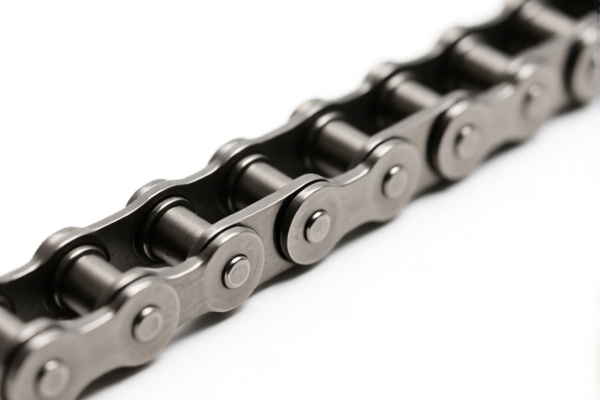
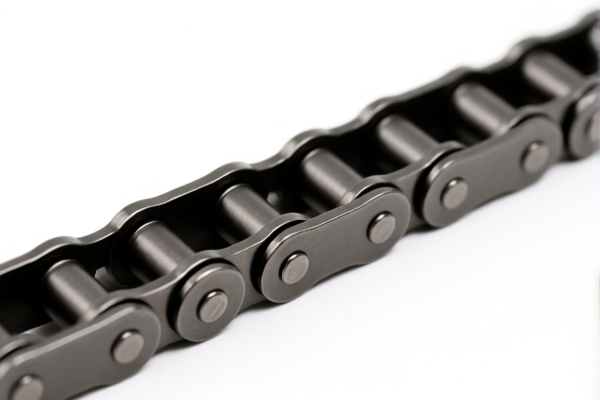
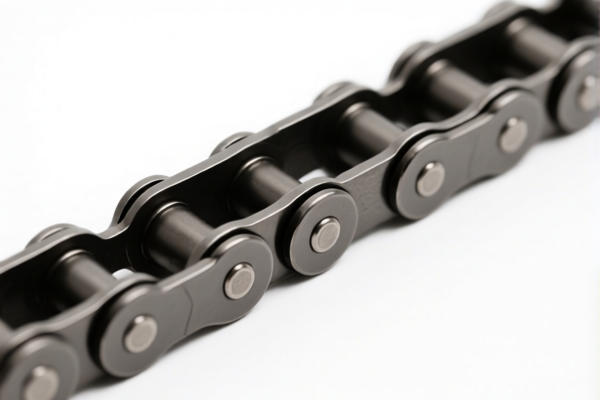

AI Analysis
🚗 Automotive Supplies (Auto Parts & Accessories)
🌐 HS Code Reference & Customs Clearance Guide | 2026 Latest Tariff Analysis | Professional Compliance Strategy
📌 I. Product Definition & Classification: What are "Automotive Supplies"?
Automotive Supplies (commonly referred to as Auto Parts) encompass a wide range of components, accessories, and replacement parts for motor vehicles. In international trade, classification is not arbitrary; it depends heavily on the specific function, material, and integration level of the part.
General Parts (Chapter 87): Mechanical, electrical, or structural components not specifically described elsewhere (e.g., body panels, seat frames, suspension parts).
Specific Equipment Parts (Chapter 85): Electrical equipment, lighting, signaling devices, sound systems, or interior electrical components.
⚠️ Key Distinction Point:
- If the part is a general mechanical component or body structure → Often falls under 8708 (General Auto Parts).
- If the part is an electrical lighting or signaling device → Often falls under 8512 (Lighting/Signal Equipment).
- Conflict Warning: Classification errors here can lead to massive tariff discrepancies (from 2.5% to 87.5%).
📦 II. HS Code Classification Details (2026 Latest Tariff Authority对照)
Based on the provided data, the following HS Codes are potential classifications for "Automotive Supplies" depending on the specific item type:
| HS Code | Product Description | Application Scenario | Material/Type Note |
|---|---|---|---|
8708.10.60.50 |
Parts and accessories for automotive bodies (e.g., bumpers, body panels) | Structural body parts, general mechanical components | 📌 High Tax: Steel, Aluminum, Copper subject to 122 Clause |
8512.90.90.00 |
Other electrical lighting or signaling equipment | General electrical accessories, non-specific electrical parts | 📌 Medium-High Tax: General electrical parts |
8512.20.20.80 |
Vehicle lighting/signaling equipment (e.g., headlights, tail lights, turn signals) | Specific lighting devices | 📌 Medium Tax: Functional lighting |
8708.29.51.60 |
Other parts and accessories for vehicles (Body/Structure) | General body parts, brackets, supports | 📌 Low Base Tax, High Surcharge: Steel/Aluminum/Copper triggers 122 Clause |
🔍 Key Insight:
- 8708 Codes are for "General Parts" where no specific electrical function is defined.
- 8512 Codes are for "Electrical Lighting/Signaling" where the primary function is light or signal.
- Critical Trigger: The 122 Clause Tariff applies if the item contains Steel, Aluminum, or Copper, significantly impacting8708items.
💰 III. 2026 Latest Tariff Rate Details (Including Surcharges & Policy Add-ons)
✅ Applicable Country: United States (US)
✅ Origin: China (CN)
✅ Effective Time: Ongoing (Current Trade Restrictions Apply)
🎯 1. 8708.10.60.50 —— Automotive Body Parts (General Mechanical/Structural)
| Item | Content |
|---|---|
| Base Duty Rate | 2.5% |
| Section 301 Surcharge | +25.0% |
| Section 232 (Steel/Alu) / 122 Clause | +50.0% (If material is Steel, Aluminum, or Copper) |
| Total Effective Tax Rate | 87.5% |
| Tax Calculation | CIF Value × 87.5% |
| Legal Basis Path | HTSUS:8708.10.60.50 → USITC:25% → 122 Clause:50% |
📌 Explanation:
- This is the highest tax bracket among the options.
- The 50% surcharge is triggered specifically if the part is made of Steel, Aluminum, or Copper.
- Recommendation: Avoid this code unless absolutely necessary; the cost impact is severe.
🎯 2. 8512.90.90.00 —— Other Electrical Lighting/Signaling Equipment
| Item | Content |
|---|---|
| Base Duty Rate | 2.5% |
| Section 301 Surcharge | +25.0% |
| Section 122 Clause | 10% (Note: Data specifies 122 Clause 10%, but total tax is listed as 37.5%, implying specific calculation logic for this subheading) |
| Total Effective Tax Rate | 37.5% |
| Tax Calculation | CIF Value × 37.5% |
| Legal Basis Path | HTSUS:8512.90.90.00 → USITC:25% → 122 Clause:10% |
📌 Explanation:
- Applies to electrical components that are lighting/signaling related but do not fit other specific lighting codes.
- Lower total tax than general body parts (87.5%) because it is classified under Chapter 85 (Electrical) rather than general mechanical parts.
🎯 3. 8512.20.20.80 —— Vehicle Lighting/Signaling Equipment
| Item | Content |
|---|---|
| Base Duty Rate | 0.0% |
| Section 301 Surcharge | +25.0% |
| Section 122 Clause | 10% |
| Total Effective Tax Rate | 35.0% |
| Tax Calculation | CIF Value × 35.0% |
| Legal Basis Path | HTSUS:8512.20.20.80 → USITC:25% → 122 Clause:10% |
📌 Explanation:
- Lowest Tax Option among the provided data.
- Applies specifically to lighting and signaling devices (e.g., headlamps, brake lights).
- Base duty is 0%, making it the most cost-effective classification for lighting parts.
🎯 4. 8708.29.51.60 —— Other Parts & Accessories (Body/Structure)
| Item | Content |
|---|---|
| Base Duty Rate | 2.5% |
| Section 301 Surcharge | +25.0% |
| Section 232 (Steel/Alu) / 122 Clause | +50.0% (If material is Steel, Aluminum, or Copper) |
| Total Effective Tax Rate | 87.5% (2.5% + 85.0% Surcharges) |
| Tax Calculation | CIF Value × 87.5% |
| Legal Basis Path | HTSUS:8708.29.51.60 → USITC:25% → 122 Clause:50% |
📌 Explanation:
- Similar to8708.10.60.50, this is a general body part code.
- The 50% surcharge applies if the part contains Steel, Aluminum, or Copper.
- Despite having a low base rate (2.5%), the surcharges make it extremely expensive to import.
🛠️ IV. Customs Clearance Practical Advice (Actionable Guide)
✅ 1. Preparation Checklist (Mandatory Documents)
| Document | Required | Purpose |
|---|---|---|
| ✅ Product Specification Sheet | ✔️ | Must list material composition (Steel/Al/Cu) to determine 122 Clause applicability. |
| ✅ Technical Drawings/Photos | ✔️ | To prove if it's a "Lighting Device" (Ch 85) or "General Part" (Ch 87). |
| ✅ Commercial Invoice | ✔️ | Must clearly describe the item (e.g., "LED Headlamp" vs. "Steel Bumper Bracket"). |
| ✅ Material Declaration | ✔️ | Critical: Declare if Steel, Aluminum, or Copper is present to avoid 50% surprise penalties. |
| ✅ Country of Origin Certificate | ✔️ | For US origin verification. |
✅ 2. Classification Strategy (Key Rules)
🔥 “Lighting goes to 85, General goes to 87. Watch the Metal for 122!”
| Scenario | Correct HS Code | Total Tax | Why? |
|---|---|---|---|
| Headlights / Tail Lights | 8512.20.20.80 |
35.0% | Classified as Lighting Equipment (Ch 85). Lowest tax. |
| Electrical Wires / Connectors | 8512.90.90.00 |
37.5% | Classified as Other Electrical Parts. |
| Steel Bumper / Aluminum Hood | 8708.10.60.50 or 8708.29.51.60 |
87.5% | General Parts. Triggers 50% Steel/Alu Surcharge. |
| Plastic Trim / Seat Fabric | Likely 8708 | 27.5% (if no metal) | If no Steel/Al/Cu, 122 Clause may not apply (check specific ruling). |
⚠️ Critical Warning:
- If you classify a Steel Bumper as8512.90.90.00(Electrical Part) to save tax, Customs will likely reclassify it, leading to back taxes + penalties.
- Always verify material content. If it contains Steel, Aluminum, or Copper, expect the 50% surcharge under the 122 Clause/Section 232.
✅ 3. Special Handling Tips
| Situation | Recommendation |
|---|---|
| Mixed Shipment | Separate Lighting Parts (Ch 85) from General Parts (Ch 87) in the packing list. |
| Material Ambiguity | If unsure if a part contains Steel/Al/Cu, assume it does to prepare for 87.5% tax, or provide a material breakdown letter. |
| Pre-Ruling | Apply for a Binding Ruling from US CBP if the classification is between Ch 85 and Ch 87. |
| Kit Sets | Do not split lighting components and general hardware in different invoices for the same kit; declare as a whole if possible, or clearly distinguish. |
🌍 V. Cost Comparison & Optimization
| HS Code | Description | Total Tax | Risk Level | Recommendation |
|---|---|---|---|---|
8512.20.20.80 |
Lighting Devices | 35.0% | Low | ✅ Best for Lights |
8512.90.90.00 |
Other Electrical Parts | 37.5% | Low | ✅ Good for Electronics |
8708.10.60.50 |
Body Parts (Metal) | 87.5% | High | ❌ Avoid if possible |
8708.29.51.60 |
Body Parts (Metal) | 87.5% | High | ❌ Avoid if possible |
📌 Conclusion:
- Lighting parts are significantly cheaper to import (35-37.5%) than structural metal parts (87.5%).
- Optimization Strategy: If your "Automotive Supply" includes lights, ensure they are clearly defined as lighting equipment to utilize the 8512 codes.
- For metal body parts, consider supply chain relocation (non-China origin) if the 50% surcharge makes the business unprofitable, as there is no easy tariff workaround for steel/aluminum auto parts from China under current rules.
📌 VI. Common Mistakes & Pitfalls
❌ Mistake 1: Classifying a Steel Bumper as a general accessory without declaring material.
👉 Result: 50% surcharge applied automatically by CBP algorithms → 87.5% total tax.
❌ Mistake 2: Calling a Headlight a "General Electrical Part" (8512.90.90.00).
👉 Result: While tax is similar (37.5%), it increases audit risk. Use specific code 8512.20.20.80 for lights (35.0%) for accuracy and lower cost.
❌ Mistake 3: Ignoring the 122 Clause.
👉 Result: Assuming 2.5% + 25% = 27.5% when it’s actually 87.5% due to metal content.
✅ Correct Approach:
“LED Headlamp Assembly, Model XYZ, Contains Steel Reflector Housing, FCC Certified” →
8512.20.20.80
“Steel Bumper Cover, Model ABC, Primed, No Electrical Components” →8708.10.60.50(Expect 87.5% tax)
🎯 VII. Conclusion: Strategic Sourcing for Auto Parts
🎯 Key Takeaway:
🔹 Lighting = 35% Tax
🔹 Electronics = 37.5% Tax
🔹 Metal Body Parts = 87.5% Tax
🚀 Action Plan:
1. Audit Your Product Line: Identify which parts are lighting vs. structural.
2. Material Declaration: Ensure invoices and specs clearly state material content (Steel/Al/Cu).
3. Cost-Benefit Analysis: If shipping metal parts from China, factor in the 87.5% tariff. Consider alternatives if margins are thin.
✨ Professional Clearance Starts with Accurate Classification!
💼 Don’t let hidden tariffs erase your profits!
Customer Reviews
About HS Code Classification
The Harmonized System (HS) is an internationally standardized nomenclature developed by the World Customs Organization (WCO) to classify traded products. Over 200 countries use the HS system as the basis for customs tariffs, trade statistics, and import/export regulations.
Each HS code follows a hierarchical structure:
- Chapter (2 digits) — Broad category of goods (e.g., Chapter 84: Machinery and Mechanical Appliances)
- Heading (4 digits) — More specific grouping within the chapter
- Subheading (6 digits) — Internationally standardized breakdown, used by all WCO member countries
- National subdivisions (8-10 digits) — Country-specific extensions for further classification, such as US HTSUS 10-digit codes
Correct HS code classification is essential for smooth customs clearance, accurate duty payment, and compliance with trade regulations. Misclassification can lead to customs delays, overpayment of duties, or penalties.
When importing from CN to US, the applicable tariff rates may include:
- Most-Favored-Nation (MFN) rate — The standard duty rate applied to WTO members
- General rate — Applied to countries without trade agreements
- Trade remedy duties — Additional tariffs such as Section 301 (anti-dumping), Section 232 (national security), or countervailing duties
The information provided on this page is for reference purposes only. For official classification, please consult with your local customs authority or a licensed customs broker.