Automotive cooling hose
CN → US| HS Code | Tariff Rate | Origin | Destination | Doc |
|---|---|---|---|---|
| 4009120050 | 20.0% | CN | US | Official Doc |
| 3917390050 | 38.1% | CN | US | Official Doc |
| 4009110000 | 37.5% | CN | US | Official Doc |
| 3917320020 | 38.1% | CN | US | Official Doc |
| 8708998105 | 37.5% | CN | US | Official Doc |
| 8708998180 | 37.5% | CN | US | Official Doc |
Product Images
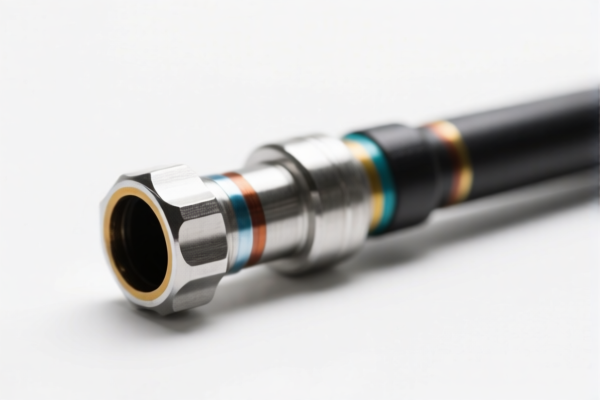
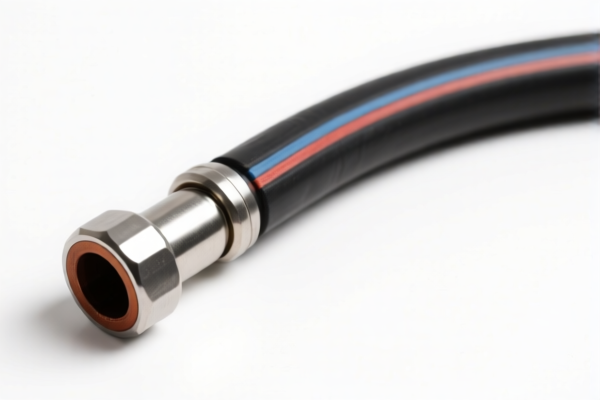
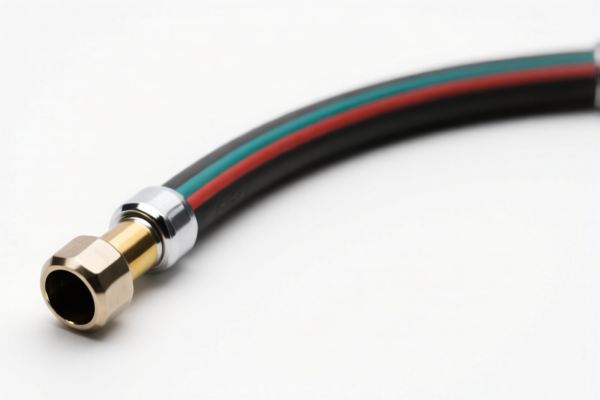
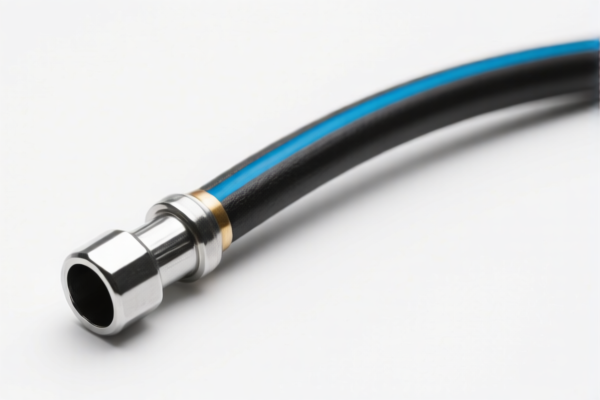
AI Analysis
🚗 Automotive Cooling Hose (Serpentine & Radiator Hoses)
🌐 HS Code Reference & Customs Clearance Guide | 2024-2026 Tax Policy Analysis | Professional Logistics Strategy
📌 I. Product Definition & Classification: Do You Really Know "Cooling Hoses"?
Automotive cooling hoses are critical components in internal combustion engine and EV thermal management systems, responsible for circulating coolant (antifreeze) between the engine, radiator, heater core, and reservoir. In international trade, classification depends heavily on material composition (Rubber vs. Plastic) and reinforcement structure.
Vulcanized Rubber Hoses: Typically reinforced with fabric, cord, or metal, offering high flexibility and heat resistance. Classified under Chapter 40.
Plastic/Polymer Hoses: Often rigid or semi-rigid, made from PVC, PE, or reinforced nylon. Classified under Chapter 39.
⚠️ Key Distinction Point:
- If the primary material is vulcanized rubber (even with additives) → Chapter 40
- If the primary material is plastic (e.g., Polyethylene, PVC) → Chapter 39
- If it is a finished automotive part specifically identified as a brake hose or similar specialized fitting → Chapter 87 (Rare for standard coolant hoses, but possible if marketed strictly as a brake/cooling hybrid component).
📦 II. HS Code Classification Details (Latest Tariff Authority Comparison)
| HS Code | Product Description | Material/Structure | Typical Application |
|---|---|---|---|
4009.12.00.50 |
Cooling hoses, made of vulcanized rubber, with fittings or other accessories | Vulcanized Rubber | High-temp engine hoses, turbo hoses |
3917.39.00.50 |
Tubes, pipes, and hoses of plastics, not reinforced or otherwise combined with other materials | Plastic (General) | Low-temp heater hoses, reservoir tubes |
4009.11.00.00 |
Hoses of vulcanized rubber, without fittings or other accessories | Vulcanized Rubber | Basic radiator hoses, simple loops |
3917.32.00.20 |
Tubes, pipes, and hoses of plastics, of polyethylene | Polyethylene (PE) | Specific PE-based coolant lines |
8708.99.81.05 |
Parts and accessories of motor vehicles (Brake hoses/lines) | Rubber/Plastic Mix | Specialized automotive fittings, brake-cooling hybrids |
🔍 Key Reminder:
- Chapter 40 (Rubber) vs. Chapter 39 (Plastic) is the most common point of confusion. Check the material safety data sheet (MSDS) or technical specs. - If the hose comes with clamps, fittings, or connectors pre-assembled, it may push classification toward 4009.12 (with accessories) or even 8708 if deemed a specific vehicle part. - Avoid Misclassification: Do not classify a rubber hose as plastic just because it looks similar; the vulcanization process defines Chapter 40.
💰 III. Detailed Tariff Rate Analysis (Including Additional Taxes & Policy Surcharges)
✅ Applicable Country: United States (US)
✅ Origin: China (CN)
✅ Effective Date: Current tariffs apply (Section 301 + IEEPA)
🎯 1. 4009.12.00.50 — Rubber Cooling Hose with Accessories
| Item | Details |
|---|---|
| Base Duty Rate | 2.5% |
| Section 301 Surcharge | +7.5% |
| IEEPA Section 122 Surcharge | +10% |
| Total Effective Rate | 20.0% |
| Calculation Basis | CIF Value × 20% |
| De Minimis Eligibility | ❌ No (Cannot use $800 exemption for commercial cargo) |
| Legal Reference Path | USITC:4009.12.00.50 → Section 301: Footnote 9903.88.01 → IEEPA: 122 |
📌 Explanation:
- Rubber hoses fall under higher scrutiny due to their industrial nature. - The 7.5% Section 301 rate applies to many rubber goods from China. - The 10% IEEPA 122 surcharge is a recent addition for specific strategic goods. - Total 20% is significant but lower than some other rubber categories.
🎯 2. 3917.39.00.50 — Plastic Cooling Hose (General)
| Item | Details |
|---|---|
| Base Duty Rate | 3.1% |
| Section 301 Surcharge | 0.0% |
| IEEPA Section 122 Surcharge | +10% |
| Total Effective Rate | 13.1% |
| Calculation Basis | CIF Value × 13.1% |
| De Minimis Eligibility | ❌ No |
| Legal Reference Path | USITC:3917.39.00.50 → IEEPA: 122 |
📌 Strategy Tip:
- If your product can be technically classified as Plastic (PE/PVC) rather than Rubber, you save 6.9% in duties. - Check Material Specs: Ensure the hose is primarily plastic-based to qualify for this lower rate.
🎯 3. 4009.11.00.00 — Rubber Hose (No Accessories)
| Item | Details |
|---|---|
| Base Duty Rate | 2.5% |
| Section 301 Surcharge | +25.0% |
| IEEPA Section 122 Surcharge | +10% |
| Total Effective Rate | 37.5% |
| Calculation Basis | CIF Value × 37.5% |
| De Minimis Eligibility | ❌ No |
| Legal Reference Path | USITC:4009.11.00.00 → Section 301: Higher Tier → IEEPA: 122 |
⚠️ Critical Warning:
- This rate is extremely high (37.5%).
- Section 301 tariffs for basic rubber hoses (without accessories) are often higher because they are considered more susceptible to domestic substitution. - Avoid this code unless necessary. Prefer4009.12.00.50(20%) if fittings are included.
🎯 4. 3917.32.00.20 — Polyethylene (PE) Hoses
| Item | Details |
|---|---|
| Base Duty Rate | 3.1% |
| Section 301 Surcharge | +25.0% |
| IEEPA Section 122 Surcharge | +10% |
| Total Effective Rate | 38.1% |
| Calculation Basis | CIF Value × 38.1% |
| De Minimis Eligibility | ❌ No |
| Legal Reference Path | USITC:3917.32.00.20 → Section 301: High Tier → IEEPA: 122 |
⚠️ Pitfall Alert:
- Not all plastic hoses get the low 0% Section 301 rate. Polyethylene (PE) specific codes often face higher 25% surcharges. - Double-check if your PE hose can be classified under3917.39.00.50(General Plastics) instead, which only has a 0% Section 301 rate.
🎯 5. 8708.99.81.05 — Automotive Brake/Cooling Hoses (Vehicle Parts)
| Item | Details |
|---|---|
| Base Duty Rate | 2.5% |
| Section 301 Surcharge | +25.0% |
| IEEPA Section 122 Surcharge | +10% |
| Total Effective Rate | 37.5% |
| Calculation Basis | CIF Value × 37.5% |
| De Minimis Eligibility | ❌ No |
| Legal Reference Path | USITC:8708.99.81.05 → Section 301: Vehicle Parts → IEEPA: 122 |
📌 Explanation:
- Classifying as a "Vehicle Part" (Chapter 87) often attracts the highest Section 301 surcharges (25%) because it directly competes with US auto parts manufacturing. - Only use this if the product is explicitly a brake hose or a certified automotive assembly part. For standard coolant hoses, Chapter 40/39 is usually safer and cheaper.
🛠️ IV. Customs Clearance Practical Advice (Avoiding Pitfalls)
✅ 1. Documentation Checklist (Essential for Smooth Clearance)
| Document | Required? | Purpose |
|---|---|---|
| ✅ Technical Spec Sheet | ✔️ | Proves material (Rubber vs. Plastic) and dimensions |
| ✅ Product Photos | ✔️ | Shows presence/absence of fittings/clamps |
| ✅ Commercial Invoice | ✔️ | Must clearly state "Automotive Cooling Hose" and HS Code |
| ✅ Bill of Lading | ✔️ | Standard shipping document |
| ✅ Certificate of Origin (CO) | ✔️ | Needed for tariff verification |
| ✅ Material Safety Data Sheet (MSDS) | ✔️ | Helps Customs determine chemical composition |
✅ 2. Classification Strategy (Key Tips)
🔥 "Material First, Accessories Second, Avoid Chapter 87!"
| Scenario | Recommended HS Code | Reason |
|---|---|---|
| Rubber hose with clamps/fittings | 4009.12.00.50 |
Lower duty (20%) vs. basic rubber (37.5%) |
| Plastic hose (PVC/General) | 3917.39.00.50 |
Lowest duty (13.1%) due to 0% Section 301 |
| Pure PE Hose | 3917.32.00.20 |
High Duty (38.1%) – Try to reclassify if possible |
| Basic Rubber Hose (No fittings) | 4009.11.00.00 |
High Duty (37.5%) – Avoid if fittings are included |
| Brake Line / Hybrid Part | 8708.99.81.05 |
High Duty (37.5%) – Only for specific brake parts |
✅ 3. Special Handling Notes
| Situation | Advice |
|---|---|
| OEM vs. Aftermarket | Both are subject to same tariffs. No difference in classification. |
| Mixed Shipments | Separate rubber and plastic hoses on invoice to avoid ambiguous classification. |
| Sample vs. Bulk | Samples under $800 may still be scrutinized if clearly commercial. Declare accurately. |
| Re-routing Supply Chain | Consider sourcing from Vietnam/Mexico for IEEPA Exemptions if tariffs are prohibitive. |
🌍 V. Global Market Comparison (2024-2026)
| Country/Region | Recommended HS Code | Duty Rate (China Origin) | Key Certifications | Notes |
|---|---|---|---|---|
| 🇺🇸 USA | 4009.12.00.50 or 3917.39.00.50 |
20% (Rubber) / 13.1% (Plastic) | DOT, ISO 9001 | High Section 301 + IEEPA taxes. |
| 🇨🇳 China | 4009.12 / 3917.39 |
5-7% (MFN) | CCC, ISO | Low duty, no surcharges. |
| 🇪🇺 EU | 4009.12 / 3917.39 |
0-6.5% | REACH, RoHS, ECE R12 | No Section 301. Stable rates. |
| 🇨🇦 Canada | 4009.12 / 3917.39 |
0% (CUSMA eligible if Canadian) | Transport Canada | Check origin for zero duty. |
| 🇲🇽 Mexico | 4009.12 / 3917.39 |
0% (if USMCA compliant) | NOM | Free trade within North America. |
📌 Conclusion:
- USA is the most expensive market for Chinese automotive hoses due to dual tariffs. - Plastic hoses (Chapter 39) are generally cheaper to import than Rubber hoses (Chapter 40) into the US. - EU and other markets do not have equivalent Section 301/IEEPA surcharges, making them more cost-effective for Chinese exports.
📌 VI. Common Errors & Pitfalls (Lessons Learned)
❌ Error 1: Classifying a rubber hose with fittings as 4009.11.00.00 (No accessories).
👉 Consequence: Duty jumps from 20% to 37.5%.
✅ Fix: Always use 4009.12.00.50 if fittings are present.
❌ Error 2: Classifying a plastic hose as a vehicle part (8708).
👉 Consequence: Duty jumps from 13.1% to 37.5%.
✅ Fix: Only use 8708 for certified brake/auto-specific assemblies. Standard coolant hoses belong in Ch. 39/40.
❌ Error 3: Assuming all plastic hoses are low duty.
👉 Consequence: PE hoses (3917.32.00.20) have 38.1% duty.
✅ Fix: Verify if the plastic is PE or another type. General plastics (3917.39.00.50) are much cheaper.
🎯 VII. Conclusion: Optimize Cost, Ensure Compliance
🎯 Remember the Golden Rules:
🔹 "Rubber + Fittings = 20% (Best for Rubber)"
🔹 "General Plastic = 13.1% (Best Overall)"
🔹 "Avoid Basic Rubber (37.5%) and PE (38.1%)"
🔹 "Chapter 87 is Expensive – Use Only for Specific Parts"
📌 Pro Tip:
If your volume is high, consider Advance Rulings (CBP Binding Rulings) to lock in the HS Code and avoid sudden audits. Also, explore duty drawback programs if you re-export or manufacture in the US.
📣 Immediate Action:
📞 Consult your customs broker with product samples.
📄 Verify material composition (Rubber vs. Plastic).
📊 Calculate landed cost with 20% vs. 13.1% tariffs to optimize pricing.
✨ Professional clearance starts with precise classification!
💼 Every percentage point saved is pure profit!
Customer Reviews
About HS Code Classification
The Harmonized System (HS) is an internationally standardized nomenclature developed by the World Customs Organization (WCO) to classify traded products. Over 200 countries use the HS system as the basis for customs tariffs, trade statistics, and import/export regulations.
Each HS code follows a hierarchical structure:
- Chapter (2 digits) — Broad category of goods (e.g., Chapter 84: Machinery and Mechanical Appliances)
- Heading (4 digits) — More specific grouping within the chapter
- Subheading (6 digits) — Internationally standardized breakdown, used by all WCO member countries
- National subdivisions (8-10 digits) — Country-specific extensions for further classification, such as US HTSUS 10-digit codes
Correct HS code classification is essential for smooth customs clearance, accurate duty payment, and compliance with trade regulations. Misclassification can lead to customs delays, overpayment of duties, or penalties.
When importing from CN to US, the applicable tariff rates may include:
- Most-Favored-Nation (MFN) rate — The standard duty rate applied to WTO members
- General rate — Applied to countries without trade agreements
- Trade remedy duties — Additional tariffs such as Section 301 (anti-dumping), Section 232 (national security), or countervailing duties
The information provided on this page is for reference purposes only. For official classification, please consult with your local customs authority or a licensed customs broker.