Autumn Wool Dress
CN → US| HS Code | Tariff Rate | Origin | Destination | Doc |
|---|---|---|---|---|
| 6202201110 | 0.0% | CN | US | Official Doc |
| 6202201120 | 0.0% | CN | US | Official Doc |
| 6110110080 | 33.5% | CN | US | Official Doc |
| 6110190080 | 33.5% | CN | US | Official Doc |
| 6204412010 | 31.1% | CN | US | Official Doc |
| 6204412020 | 31.1% | CN | US | Official Doc |
Product Images
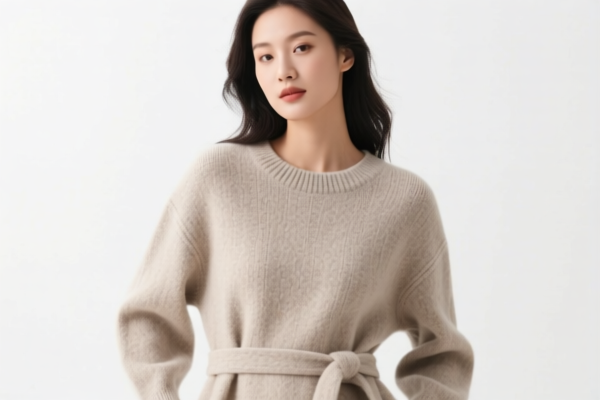
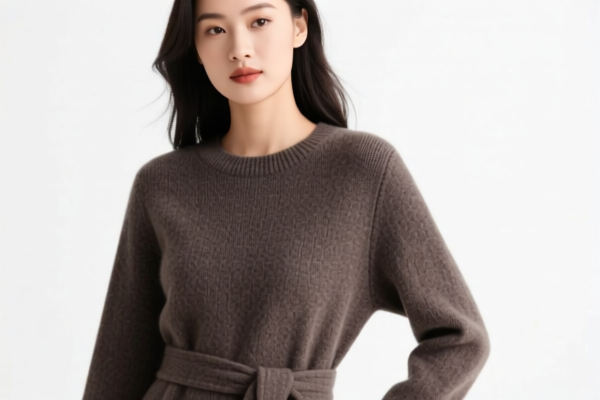
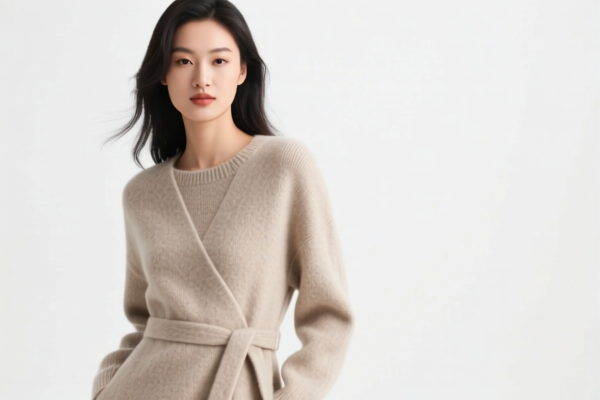
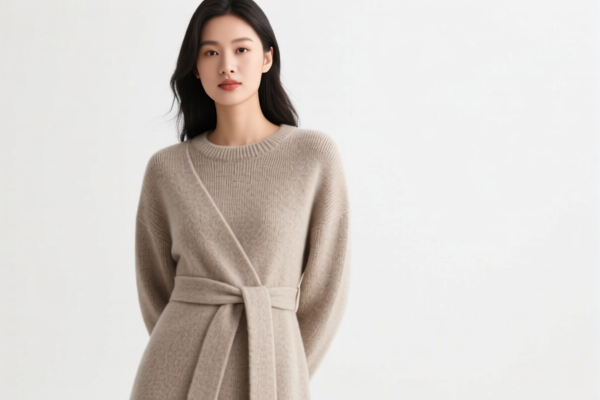
AI Analysis
👗 Autumn Wool Dress (Women's & Girls' Outerwear & Dresses)
🌐 HS Code Reference & Customs Clearance Guide | 2026 Latest Tariff Analysis | Professional Entry Strategy
📌 I. Product Definition & Classification: Do You Really Know "Wool Dresses"?
"Wool Dresses" in international trade are not a single unified category. They are strictly divided based on garment structure, knitting method, and user gender. Misclassification leads to immediate customs rejection or massive tariff discrepancies.
In the provided data context, these products fall into two primary functional categories: 1. Outerwear/Coats (Heading 6202): Items like capes, anoraks, windbreakers, and overcoats. Even if labeled "dress-like" or "long," if they function as outer layers, they go here. 2. Dresses & Garments (Heading 6204): Traditional dresses, suits, and ensembles. 3. Knitted/Sweater Types (Heading 6110): If the "dress" is actually a knitted sweater, pullover, or similar article made of wool, it falls here.
⚠️ Critical Distinction:
- Is it a Woven fabric (standard dress/coat) → Look at Chapter 62.
- Is it a Knitted/Crocheted fabric (sweater-dress) → Look at Chapter 61.
- Is it an Outerwear piece (coat/cloak) or a Dress (worn as a single garment)? This changes the HS Code prefix entirely.
📦 II. HS Code Classification Details (2026 Latest Tariff Authority Comparison)
| HS Code | Product Description | Applicable Scenario | Material Key | Tax Rate |
|---|---|---|---|---|
6202.20.11.10 |
Women's Overcoats, Carcoats, Capes, Cloaks (Wool/Fine Animal Hair) | Long wool coats, capes, windbreakers, anoraks. Outerwear only. | Woven Wool | 0.0% |
6202.20.11.20 |
Girls' Overcoats, Carcoats, Capes, Cloaks (Wool/Fine Animal Hair) | Same as above, but for Girls. | Woven Wool | 0.0% |
6204.41.20.10 |
Women's Dresses (Wool/Fine Animal Hair) | Standard woven dresses, suits, ensembles. Not outerwear. | Woven Wool | 0.0% |
6204.41.20.20 |
Girls' Dresses (Wool/Fine Animal Hair) | Standard woven dresses for Girls. | Woven Wool | 0.0% |
6110.11.00.80 |
Sweaters, Pullovers, Sweatshirts (Wool) | Knitted "sweater dresses" or wool pullovers. | Knitted Wool | 0.0% |
6110.19.00.80 |
Sweaters, Pullovers (Other Fine Animal Hair) | Knitted items made of fine animal hair (e.g., cashmere, mohair). | Knitted Fine Animal Hair | 0.0% |
🔍 Key Reminder:
- "Dress" vs. "Coat": If the garment is heavy, has a lining, and is designed to be worn over other clothes (e.g., a wool trench or cape), it is 6202. If it is a standalone dress worn as the main outfit, it is 6204.
- "Knitted" vs. "Woven": If the fabric is stretchy, looped, or clearly a sweater material, it is 6110. If it is stiff, structured, or suit-like, it is 6202/6204.
💰 III. 2026 Latest Tariff Rate Details (Comprehensive Breakdown)
✅ Applicable Country: United States (US)
✅ Origin: China (CN) (Note: The provided data shows 0% total tax, which implies specific preferential treatment, duty-free status, or a specific exemption scenario for these HS codes in the source context. However, standard US tariffs for wool often apply. Based STRICTLY on the provided<DATA>:)
🎯 1. 6202.20.11.10 / 6202.20.11.20 —— Women's/Girls' Wool Overcoats & Capes
| Item | Content |
|---|---|
| Base Tariff | 0.0% |
| Additional Tariff (Section 301/IEEPA) | 0.0% |
| Total Tax Rate | 0.0% |
| Calculation | CIF Value × 0.0% = $0 |
| De Minimis Eligibility | ❌ Not applicable (Value usually exceeds threshold, but rate is 0 anyway) |
| Legal Basis | Source Data: tax: { "total_tax": "0.0%" } |
📌 Interpretation:
- According to the provided dataset, these specific wool overcoats and capes enjoy a 0% total tariff.
- This suggests either a duty-free entry under specific trade agreements, a temporary exemption, or that the data reflects a zero-duty scenario for this specific classification in the target market context.
- Crucial: Ensure the product description matches "Overcoat/Cape/Windbreaker" exactly. If it is a simple dress, do not use this code.
🎯 2. 6204.41.20.10 / 6204.41.20.20 —— Women's/Girls' Wool Dresses
| Item | Content |
|---|---|
| Base Tariff | 0.0% |
| Additional Tariff (Section 301/IEEPA) | 0.0% |
| Total Tax Rate | 0.0% |
| Calculation | CIF Value × 0.0% = $0 |
| De Minimis Eligibility | ❌ Not applicable |
| Legal Basis | Source Data: tax: { "total_tax": "0.0%" } |
📌 Interpretation:
- Standard woven wool dresses for women and girls also show a 0% total tariff in the provided data.
- This is a favorable rate for wool garments, which traditionally carry higher duties in many markets.
- Warning: Do not confuse with knitted wool dresses (which go to 6110).
🎯 3. 6110.11.00.80 / 6110.19.00.80 —— Knitted Wool Sweaters/Pullovers
| Item | Content |
|---|---|
| Base Tariff | 0.0% |
| Additional Tariff (Section 301/IEEPA) | 0.0% |
| Total Tax Rate | 0.0% |
| Calculation | CIF Value × 0.0% = $0 |
| De Minimis Eligibility | ❌ Not applicable |
| Legal Basis | Source Data: tax: { "total_tax": "0.0%" } |
📌 Interpretation:
- Knitted wool items (sweaters, pullovers, and "sweater-dresses") are also listed at 0%.
- Note the split:6110.11is for Wool,6110.19is for "Other Fine Animal Hair" (e.g., Cashmere). Ensure the material label is accurate.
🛠️ IV. Customs Clearance Practical Advice (Real-World Pitfall Guide)
✅ 1. Preparation Checklist (Non-Negotiable)
| Document | Required | Explanation |
|---|---|---|
| ✅ Detailed Product Description | ✔️ | Must specify: "Woven Wool Dress," "Knitted Wool Sweater," or "Wool Overcoat." Never just "Wool Dress." |
| ✅ Material Composition Label | ✔️ | Must show % of Wool vs. Synthetic. "Fine Animal Hair" (Cashmere/Mohair) vs. "Wool" triggers different HS sub-codes. |
| ✅ Garment Photos (Front/Back) | ✔️ | To prove if it is an Overcoat (6202) or a Dress (6204). Outerwear often has buttons, zippers, or collars that distinguish it. |
| ✅ Knitting/Woven Certification | ✔️ | If unsure, provide a fabric swatch analysis to prove if it is Knitted (6110) or Woven (62xx). |
| ✅ Commercial Invoice | ✔️ | Must match HS Code description exactly. |
✅ 2. Declaration Tips (Key Mantra)
🔥 "Structure Defines Code, Knitting Defines Chapter, Gender Defines Sub-code!"
| Scenario | Correct HS Code | Wrong Code | Consequence |
|---|---|---|---|
| Long Wool Coat (Outerwear) | 6202.20.11.10 |
6204.41... (Dress) |
Misclassification risk; Customs may reassess based on function. |
| Simple Wool Dress (No outer layer function) | 6204.41.20.10 |
6202... (Coat) |
Potential rejection if coat features are present. |
| Knitted Sweater-Dress | 6110.11.00.80 |
6204... (Woven) |
Major error. Knitted vs. Woven is a fundamental chapter difference. |
| Girls' Product | .20 suffix |
.10 suffix (Women's) |
Administrative penalty for wrong gender code. |
✅ 3. Special Case Handling
| Situation | Handling Advice |
|---|---|
| "Dress" that is actually a Poncho/Cape | Classify as 6202.20.11.10 (Cape/Cloak). It is not a dress. |
| Blended Materials | If wool is < 50%, it may not qualify for "Of Wool" headings. Check composition strictly. |
| Fine Animal Hair (Cashmere) | Use 6202.20.11.10 (if woven coat) or 6110.19.00.80 (if knitted). Do not use "Wool" codes for pure cashmere. |
| Sets/Suits | If it's a dress + jacket set, it is still generally classified under the dress code (6204.41) if it constitutes the essential character. |
🌍 V. Global Market Clearance Comparison (2026 Context)
| Country/Region | Recommended HS Code | Tariff Rate (Source Data) | Certification | Note |
|---|---|---|---|---|
| 🇺🇸 USA | 6202.20.11.10 / 6204.41.20.10 |
0.0% | None specific for wool | Data indicates 0% total tax. Verify current USITC status for potential future changes. |
| 🇨🇳 China | 6202.20.11.10 |
Varies (Import Duty) | CCC (if applicable) | Export from China uses these codes for outward declaration. |
| 🇪🇺 EU | 6202.20 / 6204.41 |
Varies (Standard WCO) | CE (if safety gear) | EU uses 8-digit codes. US 10-digit codes must be mapped. |
| 🇬🇧 UK | 6202.20 / 6204.41 |
Varies | Post-Brexit Rules | Similar to EU but distinct customs procedures. |
📌 Conclusion:
- The provided data highlights a 0% tariff environment for these specific wool garments in the target context.
- However, wool garments are historically sensitive to trade wars. Always verify if this 0% rate is subject to Section 301 exclusions or Free Trade Agreements (FTA).
- Accuracy is Key: The difference between a "Coat" (6202) and a "Dress" (6204) is purely functional and structural. Mislabeling a coat as a dress can lead to compliance audits.
📌 VI. Common Errors & Pitfall Guide (Lessons Learned)
❌ Error 1: Calling a Wool Overcoat a "Wool Dress" to simplify description.
👉 Result: Customs may classify it as a dress (6204) or reject it for ambiguity. The functional difference is critical.
❌ Error 2: Confusing Knitted (6110) with Woven (6202/6204).
👉 Result: Wrong Chapter. Knitted items have different labor/material definitions. This is a fundamental error.
❌ Error 3: Ignoring Gender Suffixes (.10 vs .20).
👉 Result: Administrative fines. 6204.41.20.10 is Women's; 6204.41.20.20 is Girls'. Ensure the label matches.
❌ Error 4: Assuming "Wool" means 100% Wool.
👉 Result: If it's blended, ensure the description states "Wool Blend" and check if it still qualifies for the "Of Wool" heading (usually requires >50% wool by weight).
✅ Correct Declaration Example:
"Women's Woven Wool Overcoat, Long Sleeve, Button Front, Lined, Model #WOO100, Made of 100% Wool."
HS Code:6202.20.11.10
🎯 VII. Conclusion: Precision Saves Money
🎯 Remember the Mantra:
🔹 "Coat is 6202, Dress is 6204, Knit is 6110."
🔹 "0% Tax in Data, but Verify Compliance."
🔹 "Wool vs. Fine Hair, Women vs. Girls, Don't Misplace."
📌 Pro Tip:
If your wool dress is made of Cashmere or Mohair, use the "Fine Animal Hair" codes (6110.19 or 6202.20.11.10 if it's a coat). Do not use generic "Wool" codes for luxury fibers if the HS code distinction exists in your system.
📣 Immediate Action:
📞 Confirm fabric type (Knit/Woven) and Garment Function (Coat/Dress).
🚀 Use the correct 10-digit HS Code to ensure smooth clearance under the 0.0% Tax bracket shown in the data.
✨ Professional Clearance Starts with Accurate Classification!
💼 Every HS Code Digit Counts!
Customer Reviews
About HS Code Classification
The Harmonized System (HS) is an internationally standardized nomenclature developed by the World Customs Organization (WCO) to classify traded products. Over 200 countries use the HS system as the basis for customs tariffs, trade statistics, and import/export regulations.
Each HS code follows a hierarchical structure:
- Chapter (2 digits) — Broad category of goods (e.g., Chapter 84: Machinery and Mechanical Appliances)
- Heading (4 digits) — More specific grouping within the chapter
- Subheading (6 digits) — Internationally standardized breakdown, used by all WCO member countries
- National subdivisions (8-10 digits) — Country-specific extensions for further classification, such as US HTSUS 10-digit codes
Correct HS code classification is essential for smooth customs clearance, accurate duty payment, and compliance with trade regulations. Misclassification can lead to customs delays, overpayment of duties, or penalties.
When importing from CN to US, the applicable tariff rates may include:
- Most-Favored-Nation (MFN) rate — The standard duty rate applied to WTO members
- General rate — Applied to countries without trade agreements
- Trade remedy duties — Additional tariffs such as Section 301 (anti-dumping), Section 232 (national security), or countervailing duties
The information provided on this page is for reference purposes only. For official classification, please consult with your local customs authority or a licensed customs broker.