Aviation Leather
CN → US| HS Code | Tariff Rate | Origin | Destination | Doc |
|---|---|---|---|---|
| 411410 | 0.0% | CN | US | Official Doc |
| 901380 | 0.0% | CN | US | Official Doc |
| 9401104000 | 17.5% | CN | US | Official Doc |
| 9401108000 | 17.5% | CN | US | Official Doc |
| 8807300030 | 35.0% | CN | US | Official Doc |
| 8807300060 | 85.0% | CN | US | Official Doc |
| 411410 | 0.0% | CN | US | Official Doc |
| 901380 | 0.0% | CN | US | Official Doc |
Product Images
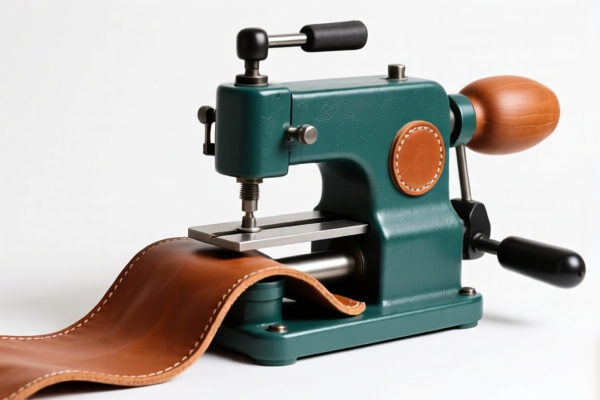
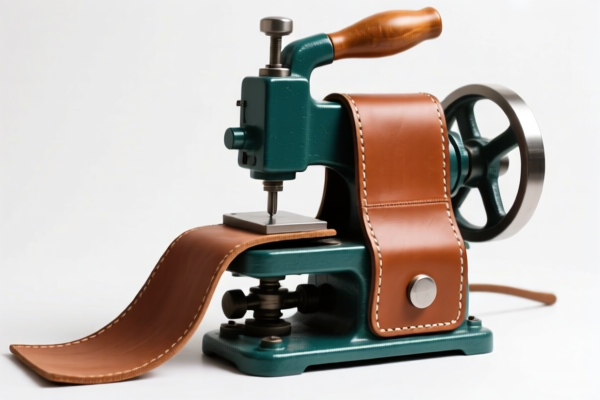
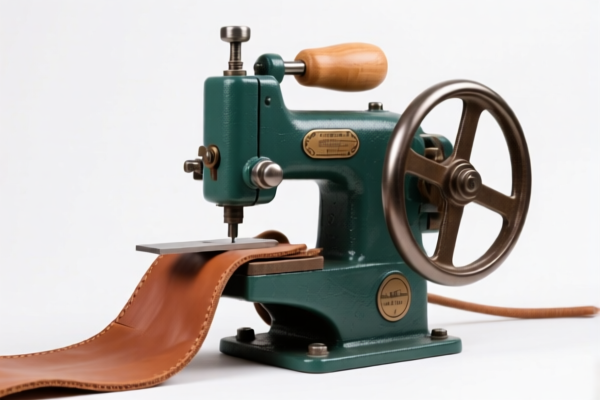
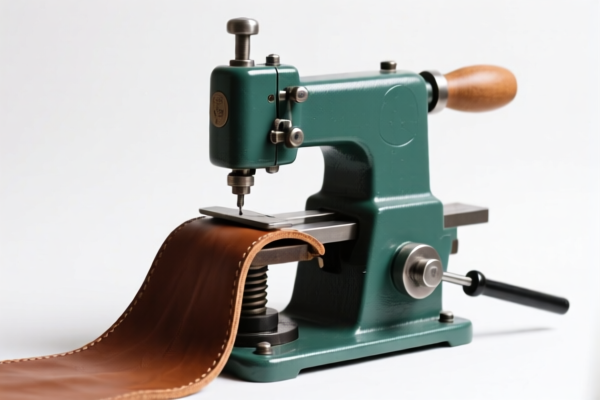
AI Analysis
🛩️ Aviation Leather & Aircraft Interiors (Seats, Trim & Parts)
🌐 HS Code Reference & Customs Clearance Guide | 2026 Latest Tariff Analysis | Professional Clearance Strategy
📌 I. Product Definition & Classification: What Exactly is "Aviation Leather"?
In international trade, "Aviation Leather" is not a single commodity but a category spanning finished leather goods and aircraft structural/components. It primarily falls into two distinct branches:
- Aircraft Seats: Finished leather upholstery used in aircraft seating (Headings 9401).
- Aviation Components: Raw/tanned leather for interiors, or specific parts of aircraft (Heading 8807/4114).
⚠️ Critical Distinction:
- If the item is a finished seat (upholstered, frame included, usable) → It belongs to Chapter 94 (Furniture).
- If the item is raw/tanned leather intended for aircraft use → It belongs to Chapter 41 (Leather).
- If the item is a structural part (non-upholstered) of an airplane → It belongs to Chapter 88 (Aircraft).
📦 II. HS Code Classification Details (2026 Latest Tariff Authority对照)
| HS Code | Product Description | Applicable Scenario | Key Identification Point |
|---|---|---|---|
9401.10.40.00 |
Seats for aircraft, leather upholstered | Luxury business jets, first-class cabin seats | ✅ Finished seat, leather cover |
9401.10.80.00 |
Seats for aircraft, other (non-leather or not specified) | Standard economy seats, fabric/leather-mix seats | ✅ Finished seat, non-leather or unspecified |
4114.10 |
Tanned leather (bovine/equine/swine/ovine), for aviation applications | Rolls of leather, pre-cut pieces for interior trim | ✅ Raw/Tanned material, not yet a seat |
9013.80 |
Aircraft parts/accessories, including leather components | Specific aviation leather fittings, trim pieces | ⚠️ Note: Often a fallback/incorrect code if seat; see below |
8807.30.00.30 |
Other parts of airplanes (Civil aircraft) | Structural parts, non-upholstered components | ✅ Part of airplane, not a seat |
8807.30.00.60 |
Other parts of airplanes (General) | Aircraft parts, steel/aluminum/copper components | ✅ Structural/Mechanical parts |
🔍 Key Reminder:
- Seats are almost always classified under 9401.10, regardless of whether they are for aircraft. Do NOT classify a finished seat as "Airplane Part" (8807).
- Raw Leather for aviation use falls under 4114.10, provided it is tanned/prepared.
- Non-upholstered Parts (e.g., frames, panels) fall under 8807.
💰 III. 2026 Latest Tariff Rate Details (Detailed Breakdown)
✅ Applicable Country: United States (US)
✅ Origin: China (CN) (Assuming Chinese origin based on "Additional Tax" context)
✅ Effective Time: Current Trade Relations (Section 301 & Other Measures)
🎯 1. 9401.10.40.00 & 9401.10.80.00 —— Aircraft Seats (Finished Goods)
| Item | Content |
|---|---|
| Base Tariff | 0.0% (Ad Valorem) |
| Additional Tax (Section 301) | +7.5% |
| Total Tariff Rate | 7.5% |
| Tax Calculation | CIF Value × 7.5% |
| De Minimis Exemption | ❌ Not Applicable (Commercial cargo, high value) |
| Legal Basis Path | HTSUS: 9401.10 → USITC Footnote 9903.88.01 (if applicable) |
📌 Explanation:
- Although the base tariff for aircraft seats is 0%, the 7.5% additional tax is currently applied due to ongoing trade measures.
- This applies to both leather (...40) and other (...80) aircraft seats.
- Cost Impact: Moderate. Easier to absorb than structural parts.
🎯 2. 4114.10 —— Tanned Leather for Aviation Use
| Item | Content |
|---|---|
| Base Tariff | Information Not Retrieved |
| Additional Tax | Error/Failed to Retrieve |
| Total Tariff Rate | Error |
| Note | ⚠️ High Risk: Tariff information for 4114.10 is unstable in current databases. May be subject to Section 301 (25%) if classified under general leather headings like 4114.20 or similar. |
| Recommendation | Consult Customs Broker: This code requires precise classification. If deemed "General Leather," tax could jump to 25%+. |
📌 Caution:
- Do not assume4114.10has low taxes. If the leather is not explicitly "aviation-specific" in documentation, it may be reclassified to general leather codes with higher tariffs.
🎯 3. 8807.30.00.30 —— Other Parts of Airplanes (Civil Aircraft)
| Item | Content |
|---|---|
| Base Tariff | 0.0% |
| Additional Tax (Section 301) | +25.0% |
| Total Tariff Rate | 25.0% |
| Tax Calculation | CIF Value × 25.0% |
| De Minimis Exemption | ❌ Not Applicable |
📌 Explanation:
- Non-upholstered structural parts of civil aircraft attract a 25% additional tax.
- This is significantly higher than finished seats (7.5%).
🎯 4. 8807.30.00.60 —— Other Parts of Airplanes (General/Metallic)
| Item | Content |
|---|---|
| Base Tariff | 0.0% |
| Additional Tax (Section 301) | +25.0% |
| Additional Tax (Steel/Aluminum/Copper) | +50.0% |
| Total Tariff Rate | 75.0% |
| Tax Calculation | CIF Value × 75.0% |
| De Minimis Exemption | ❌ Not Applicable |
📌 Critical Warning:
- If your "aviation part" contains steel, aluminum, or copper (e.g., frames, brackets, structural supports), it is subject to the 50% metal-specific tariff ON TOP of the 25% base additional tariff.
- Total: 75%. This is a very high cost.
- Strategy: Avoid classifying structural metal parts under this code if possible. Ensure proper separation of leather vs. metal components.
🛠️ IV. Customs Clearance Practical Advice (Avoiding Pitfalls)
✅ 1. Documentation Checklist (Mandatory)
| Document | Required? | Purpose |
|---|---|---|
| ✅ Commercial Invoice | ✔️ | Must specify: "Aircraft Seat, Leather Upholstered" or "Tanned Leather for Aviation" |
| ✅ Packing List | ✔️ | Separate leather items from metal/structural parts to avoid 75% classification |
| ✅ Product Specifications | ✔️ | Confirm if item is "Finished Seat" (9401) or "Part" (8807) |
| ✅ Certificate of Origin | ✔️ | Critical for determining additional tax applicability |
| ✅ Photo/Video | ✔️ | Show leather texture, stitching, and lack of structural metal if claiming 9401 |
✅ 2. Classification Strategy (Key Tips)
🔥 "Seats are Furniture, Parts are Metal! Separate to Save!"
| Scenario | Correct HS Code | Incorrect HS Code | Risk |
|---|---|---|---|
| Leather Aircraft Seat | 9401.10.40.00 |
9013.80 or 8807.30 |
Misclassification → Delay or Penalty |
| Tanned Leather Roll | 4114.10 |
9401.10 |
High Tax if deemed "Finished" |
| Metal Aircraft Bracket | 8807.30.00.60 |
4114.10 |
75% Tax if mixed with leather incorrectly |
| Leather Trim Piece | 9013.80 or 4114.10 |
9401.10 |
Under-taxing → Audit Risk |
📌 Key Rule:
- Never mix finished seats (9401) with structural parts (8807) in one HS Code declaration.
- If a seat has a metal frame, it is still classified as a Seat (9401), NOT an aircraft part. The 7.5% tax applies, not 25%/75%.
✅ 3. Special Cases & Mitigation
| Situation | Handling Advice |
|---|---|
| Leather + Metal Frame Seat | Declare as 9401.10.40.00 (Seat). Do NOT declare frame separately as 8807. Tax: 7.5% instead of 25-75%. |
| Raw Leather for Trim | Ensure description says "For Aviation Use" but clearly state "Unfinished/Tanned Leather". Apply for pre-ruling if possible. |
| Small Leather Accessories | If value is low, consider if they fit under de minimis, but for aviation parts, usually commercial shipment. |
| Origin Not China | If leather/seats are from EU/Japan/Canada, 0% Additional Tax may apply (check FTA status). |
🌍 V. Global Market Comparison (2026)
| Country/Region | Recommended HS Code | Tariff Rate (CN Origin) | Key Requirement |
|---|---|---|---|
| 🇺🇸 USA | 9401.10.40.00 |
7.5% | Precise "Leather Seat" description |
| 🇺🇸 USA | 8807.30.00.60 |
75.0% (if metal) | Avoid if possible. Separate metal parts. |
| 🇨🇳 China | 9401.10.40.00 |
Low/0% (Import) | CCC certification may apply for some aviation components |
| 🇪🇺 EU | 9401.10.40.00 |
Varies (Check EBA) | CE Certification for aviation safety |
| 🇦🇺 Australia | 9401.10.40.00 |
5-10% | No additional punitive tariffs |
📌 Conclusion:
- USA is the highest-cost market for aviation goods due to additional tariffs.
- Critical Savings: Classify finished seats as 9401 (7.5%) rather than 8807 (25-75%).
- Risk Area: Raw leather (4114.10) has unclear tax status. Get a pre-ruling.
📌 VI. Common Mistakes & Pitfalls (Lessons Learned)
❌ Mistake 1: Classifying a leather aircraft seat as an "Aircraft Part" (8807.30.00.60)
👉 Consequence: Tax jumps from 7.5% to 75% (if metal frame). Massive Cost Increase!
❌ Mistake 2: Declaring tanned leather as "Finished Seat" (9401.10)
👉 Consequence: Customs rejection for misdeclaration. Penalty + Delay.
❌ Mistake 3: Mixing metal structural parts with leather seats in one line item
👉 Consequence: Customs may reclassify entire shipment as "Metal Parts" → 75% Tax.
❌ Mistake 4: Ignoring Leather Origin
👉 Consequence: If leather is from China, full additional tax. If from EU, 0%. Documentation must match.
✅ Correct Approach:
"Aircraft Seat, Model XYZ, Leather Upholstered, Frame Included, for Civil Aviation Use" → 9401.10.40.00
🎯 VII. Conclusion: Smart Classification Saves Money!
🎯 Remember the Golden Rule:
🔹 "Seats are Furniture (7.5%), Parts are Metal (75% if CN)!"
🔹 "Separate Leather from Metal, and you save 67.5%!"
🔹 "Raw Leather? Get a Pre-Ruling!"
📌 Pro Tip:
If your aviation leather products are originating from Vietnam, Mexico, or Canada, you may qualify for 0% Additional Tariff. Ensure your Certificate of Origin is accurate!
📣 Immediate Action:
📞 Contact Customs Broker + Provide Product Photos + Apply for Advance Ruling if unsure about
4114.10
🚀 Protect Your Margins!
✨ Professional Classification Starts with Precision!
💼 Every Percent Matters in Aviation Trade!
Customer Reviews
About HS Code Classification
The Harmonized System (HS) is an internationally standardized nomenclature developed by the World Customs Organization (WCO) to classify traded products. Over 200 countries use the HS system as the basis for customs tariffs, trade statistics, and import/export regulations.
Each HS code follows a hierarchical structure:
- Chapter (2 digits) — Broad category of goods (e.g., Chapter 84: Machinery and Mechanical Appliances)
- Heading (4 digits) — More specific grouping within the chapter
- Subheading (6 digits) — Internationally standardized breakdown, used by all WCO member countries
- National subdivisions (8-10 digits) — Country-specific extensions for further classification, such as US HTSUS 10-digit codes
Correct HS code classification is essential for smooth customs clearance, accurate duty payment, and compliance with trade regulations. Misclassification can lead to customs delays, overpayment of duties, or penalties.
When importing from CN to US, the applicable tariff rates may include:
- Most-Favored-Nation (MFN) rate — The standard duty rate applied to WTO members
- General rate — Applied to countries without trade agreements
- Trade remedy duties — Additional tariffs such as Section 301 (anti-dumping), Section 232 (national security), or countervailing duties
The information provided on this page is for reference purposes only. For official classification, please consult with your local customs authority or a licensed customs broker.