Ayu Interior Wall Panel
CN → US| HS Code | Tariff Rate | Origin | Destination | Doc |
|---|---|---|---|---|
| 3925900000 | 40.3% | CN | US | Official Doc |
| 3925200091 | 22.8% | CN | US | Official Doc |
Product Images
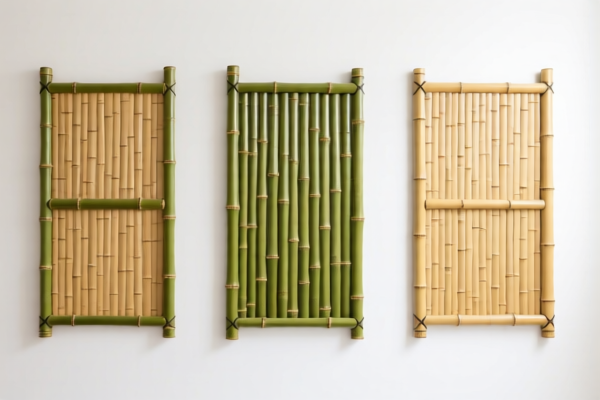
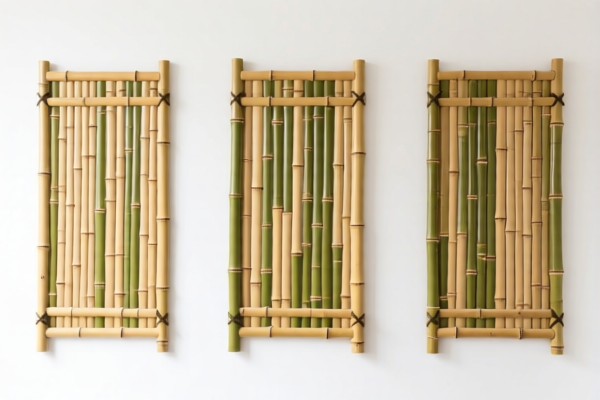
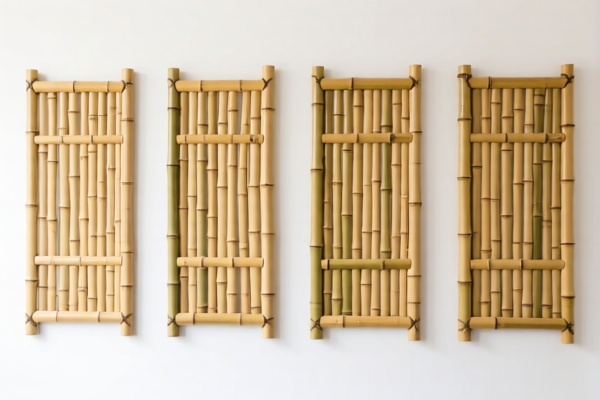
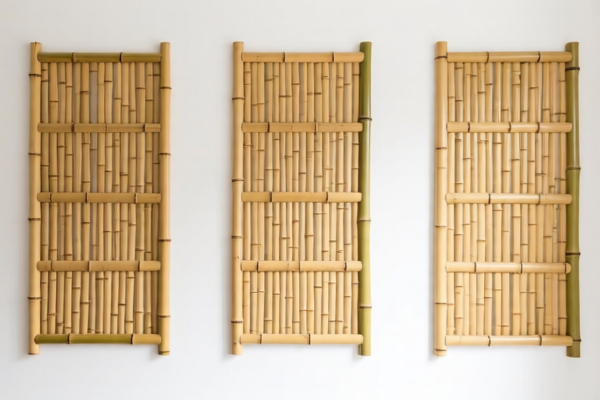
AI Analysis
🏠 Ayur Interior Wall Panel: The Plastic Builders' Ware Deep Dive
🌐 HS Code Reference & Customs Clearance Guide | 2026 Latest Tariff Analysis | Professional Clearance Strategy
📌 I. Product Definition & Classification: Do You Really Know "Ayur" Panels?
"Ayur" Interior Wall Panels (often referring to PVC, PE, or other plastic composite wall coverings) are decorative building materials used to enhance interior aesthetics. In international trade, they are classified under Chapter 39: Plastics and Articles Thereof.
Crucially, these products fall under HS Heading 3925: "Builders' ware of plastics, not elsewhere specified or included."
⚠️ Critical Distinction:
- Are they finished doors/windows? → Go to 3925.20 (Higher Risk/Tax).
- Are they general wall panels/cladding (not doors/windows)? → Go to 3925.90 (Zero Base Tariff).
📦 II. HS Code Classification Details (2026 Latest Tariff Authority Match)
Based on the provided data, here are the two possible classifications depending on the exact physical form and intended use of the "Ayur" panel.
| HS Code | Product Description | Applicable Scenario | Tax Risk Level |
|---|---|---|---|
3925.90.00.00 |
Builders' ware of plastics, not elsewhere specified or included: Other | General interior wall cladding, PVC trim, decorative plastic panels (NOT doors/windows) | 🟢 Low (0% Base) |
3925.20.00.91 |
Builders' ware of plastics...: Doors, windows and their frames and thresholds for doors | If the panel is marketed or functions as a door, window frame, or threshold | 🟠 High (12.8% Total) |
🔍 Key Alert:
- Most "Interior Wall Panels" are NOT doors or windows. They should be classified under 3925.90.00.00.
- Misclassification Risk: If you incorrectly declare wall panels as "doors" or "window frames" (3925.20), you will pay 12.8% tax unnecessarily. Conversely, if you declare actual doors as "other panels" (3925.90), you risk penalties for false declaration.
💰 III. 2026 Latest Tariff Rate Breakdown (With Add-on Taxes & Policy Details)
✅ Applicable Countries: United States (US)
✅ Origin: China (CN) (Assumed based on typical Ayur/PVC export origins; verify if different)
✅ Effective Time: Current rates as per provided data
🎯 1. 3925.90.00.00 — General Plastic Builders' Ware (Wall Panels)
| Item | Content |
|---|---|
| Base Tariff | 0.0% |
| Additional Tariff | 0.0% |
| Total Tax Rate | 0.0% |
| Tax Calculation | CIF Value × 0% = $0 Duty |
| De Minimis Eligibility | ✅ Yes (If shipped via Section 321/86.02, under $800) |
| Legal Basis | Standard HTSUS 3925.90.00.00 |
📌 Explanation:
- This code applies to plastic building materials that are not specifically doors, windows, or fences.
- Interior wall panels made of PVC, ABS, or polycarbonate typically fall here.
- Cost Advantage: Zero duty makes this the preferred classification for pure wall cladding products.
🎯 2. 3925.20.00.91 — Plastic Doors, Windows & Frames
| Item | Content |
|---|---|
| Base Tariff | 5.3% |
| Additional Tariff (Section 301/Other) | 7.5% |
| Total Tax Rate | 12.8% |
| Tax Calculation | CIF Value × 12.8% |
| De Minimis Eligibility | ❌ No (Subject to full duty assessment) |
| Legal Basis | HTSUS 3925.20.00.91 |
📌 Explanation:
- This code is strictly for functional building components: doors, window frames, sashes, and thresholds.
- Warning: If your "Ayur Panel" is a sliding door panel or a window cover, it MUST be classified here.
- Cost Impact: 12.8% is a significant cost increase compared to 0%.
🛠️ IV. Customs Clearance Practical Advice (Real-World Pitfall Guide)
✅ 1. Documentation Checklist (Must-Haves)
| Document | Required? | Notes |
|---|---|---|
| ✅ Product Specification Sheet | ✔️ | Must clearly state: "Interior Wall Panel," NOT "Door" or "Window." |
| ✅ Installation Manual | ✔️ | Show installation on walls, not as entry/exit points. |
| ✅ Product Photos | ✔️ | Clear images showing panel dimensions, texture, and mounting clips. |
| ✅ Commercial Invoice | ✔️ | Description: "PVC Interior Wall Panel, Model AYUR-X" |
| ✅ Material Safety Data Sheet (MSDS) | ✔️ | If applicable, to prove plastic composition. |
✅ 2. Declaration Strategy (Key Mnemonics)
🔥 "Walls are 0%, Doors are 12.8% - Know the Difference!"
| Scenario | Correct Declaration | Incorrect Declaration |
|---|---|---|
| Decorative Wall Cladding | 3925.90.00.00 | Declared as 3925.20 → Overpay 12.8% |
| Plastic Front Door | 3925.20.00.91 | Declared as 3925.90 → Audit Risk/Fine |
| Window Frame | 3925.20.00.91 | Declared as 3925.90 → Audit Risk/Fine |
| Mixed Shipment (Panels + Doors) | Split Line Items | Combined as "Building Materials" → Confusion/Delay |
✅ 3. Special Handling Tips
| Situation | Recommendation |
|---|---|
| Product Looks Like a Door | Provide photos showing it is too small for human passage or lacks hinges/handles. Emphasize "Decorative Only." |
| Sample for Evaluation | Ship under Section 321 (De Minimis) if under $800 to avoid duty entirely (if eligible). |
| Large Volume Import | Apply for an Advance Ruling from CBP to lock in HS Code 3925.90.00.00 if there is ambiguity. |
| Packaging | Clearly mark boxes as "Interior Wall Panel" and NOT "Door/Window." |
🌍 V. Global Market Comparison (2026)
| Market | Recommended HS Code | Tariff Rate | Notes |
|---|---|---|---|
| 🇺🇸 USA | 3925.90.00.00 |
0.0% | Best for wall panels. Avoid 3925.20 unless it's a door. |
| 🇨🇳 China | 3925.90.00.00 |
7.5% | Import tariff into China. |
| 🇪🇺 EU | 3925.90.00 |
4.5% | Standard duty for plastic builders' ware. |
| 🇬🇧 UK | 3925.90.00 |
4.5% | Post-Brexit tariffs apply. |
📌 Conclusion:
- The USA offers 0% duty for wall panels under 3925.90.00.00.
- Misclassification is the #1 risk: Do not confuse decorative wall panels with functional doors/windows.
📌 VI. Common Errors & Pitfalls (Blood Lessons)
❌ Mistake 1: Calling wall panels "Interior Doors" in the invoice
👉 Result: 12.8% duty charged + potential penalty for misdeclaration.
❌ Mistake 2: Declaring actual doors as "Plastic Sheets"
👉 Result: Customs audit, backdated duties, and fines.
❌ Mistake 3: Ignoring product usage in photos
👉 Result: CBP may reject classification if photos show door handles or hinges.
✅ Correct Action:
"Decorative PVC Interior Wall Panel, Model AYUR, Non-Functional, No Hardware"
HS Code:3925.90.00.00
Duty: 0%
🎯 VII. Conclusion: Precise Classification = Profit Protection
🎯 Remember the Golden Rule:
🔹 "If it closes a room, it's a door (12.8%). If it covers a wall, it's other (0%)."
🔹 "Ayur Panels are usually 'Other' - don't pay for a door you don't have."
📌 Pro Tip:
If your "Ayur" panel is a sliding glass door insert or a window shutter, it MUST be classified under 3925.20.00.91.
For pure decorative wall coverings, stick to 3925.90.00.00 to save 12.8%.
📣 Immediate Action:
📞 Confirm product nature with manufacturer.
🖼️ Provide CBP with clear photos showing NO door/window hardware.
🚀 Save 12.8% on every shipment by classifying correctly!
✨ Professional Customs Clearance Starts with Correct Classification!
💼 Your Bottom Line Depends on These 8 Digits!
Customer Reviews
About HS Code Classification
The Harmonized System (HS) is an internationally standardized nomenclature developed by the World Customs Organization (WCO) to classify traded products. Over 200 countries use the HS system as the basis for customs tariffs, trade statistics, and import/export regulations.
Each HS code follows a hierarchical structure:
- Chapter (2 digits) — Broad category of goods (e.g., Chapter 84: Machinery and Mechanical Appliances)
- Heading (4 digits) — More specific grouping within the chapter
- Subheading (6 digits) — Internationally standardized breakdown, used by all WCO member countries
- National subdivisions (8-10 digits) — Country-specific extensions for further classification, such as US HTSUS 10-digit codes
Correct HS code classification is essential for smooth customs clearance, accurate duty payment, and compliance with trade regulations. Misclassification can lead to customs delays, overpayment of duties, or penalties.
When importing from CN to US, the applicable tariff rates may include:
- Most-Favored-Nation (MFN) rate — The standard duty rate applied to WTO members
- General rate — Applied to countries without trade agreements
- Trade remedy duties — Additional tariffs such as Section 301 (anti-dumping), Section 232 (national security), or countervailing duties
The information provided on this page is for reference purposes only. For official classification, please consult with your local customs authority or a licensed customs broker.