Ayu Wood Veneer Board
CN → US| HS Code | Tariff Rate | Origin | Destination | Doc |
|---|---|---|---|---|
| 4408390250 | 35.0% | CN | US | Official Doc |
| 4408390291 | 35.0% | CN | US | Official Doc |
Product Images
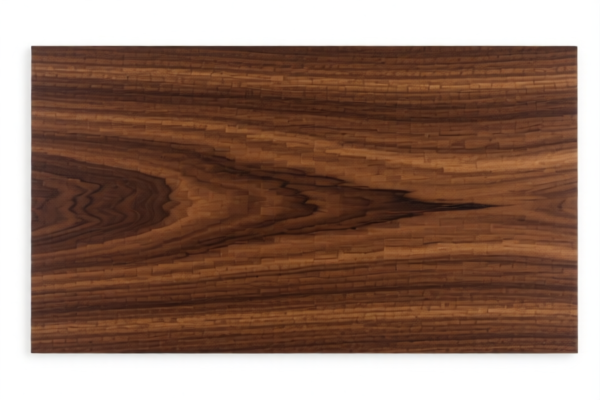

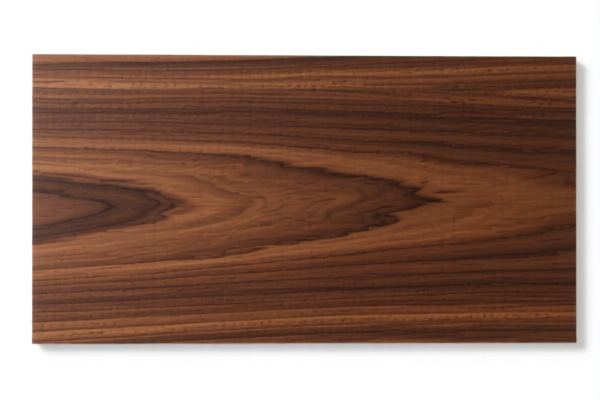
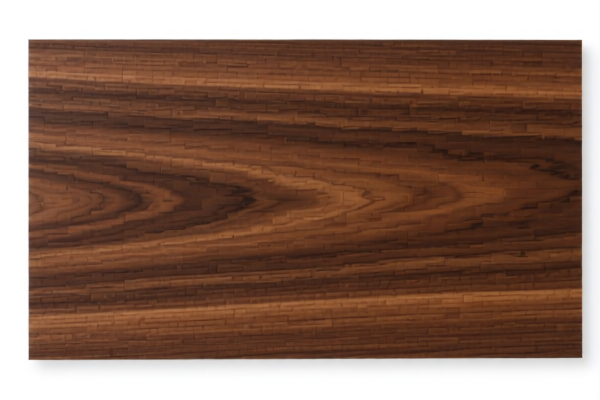
AI Analysis
🪵 Ayu Wood Veneer Board (Obeche / Triplochiton spp.)
🌐 HS Code Reference & Customs Clearance Guide | 2026 Latest Tariff Analysis | Professional Transit Strategy
📌 1. Product Definition and Classification: Do You Really Know "Ayu Wood"?
Ayu Wood (scientifically known as Triplochiton scleroxylon, commonly referred to as Obeche or Ayous) is a lightweight tropical hardwood widely used in the wood industry. In international trade, it is primarily processed into veneers for plywood manufacturing, furniture making, and interior decoration.
Key Characteristics: * Origin: Tropical Africa (Nigeria, Cameroon, Gabon, etc.) * Processing State: Sawn lengthwise, sliced, or peeled. * Thickness: Not exceeding 6 mm. * Surface Treatment: Planed, sanded, spliced, or end-jointed.
⚠️ Critical Distinction:
- If the product is Obeche/Ayu Wood specifically: It falls under 4408.39.02.50.
- If the product is other tropical woods (not Obeche/Ayu): It falls under 4408.39.02.91.
- Both are classified under the broader heading of "Sheets for veneering... of tropical wood."
📦 2. HS Code Classification Details (2026 Latest Tariff Authority)
| HS Code | Product Description | Specific Wood Type | Tax Rate |
|---|---|---|---|
4408.39.02.50 |
Sheets for veneering, sliced/peeled, ≤6mm: Other: Obeche (Triplochiton spp.), also known as Ayous | ✅ Obeche / Ayu / Ayous | 25.0% |
4408.39.02.91 |
Sheets for veneering, sliced/peeled, ≤6mm: Other: Other | ❌ Other Tropical Woods (e.g., Mahogany, Sapele, etc.) | 25.0% |
🔍 Key Reminder:
- Thickness Limit: The veneer sheets must not exceed 6 mm in thickness. If thicker, they do not fall under this specific subheading.
- Processing: Includes sliced, peeled, sawn lengthwise. Whether planed, sanded, spliced, or end-jointed does not change the HS code, provided they are veneer sheets.
- Wood Type: Ensure your supplier’s certificate confirms the species. Mislabeling "Mahogany" as "Obeche" to seek loopholes is illegal and risky. However, for these two codes, the tax rate is identical, so the main risk is customs inspection and potential penalties for misdeclaration, not tax difference.
💰 3. 2026 Latest Tariff Rate Breakdown (Including Surcharges)
✅ Applicable Country: United States (US)
✅ Origin: China (CN) (Note: Even if Obeche is African, if processed/shipped via China or declared as Chinese origin due to trade routes, these tariffs apply. If direct from Africa, US may have different FTAs, but for CN origin, see below)
✅ Effective Date: Current trade war policies (Section 301 + IEEPA)
🎯 1. 4408.39.02.50 — Obeche / Ayu Wood Veneer
| Item | Content |
|---|---|
| Base Tariff | 0.0% (Most Favored Nation / MFN rate) |
| Section 301 Surcharge | +25.0% (USITC Footnote 9903.88.01) |
| IEEPA Surcharge | +0.0% (Currently, wood products are not targeted by the latest 10% IEEPA hike on all goods, only specific strategic items. Check latest HTSUS for updates. However, the provided data shows Total Tax: 25.0%). |
| Total Effective Tax Rate | 25.0% |
| Tax Calculation | CIF Value × 25% |
| De Minimis Exemption | ❌ Not Eligible (Wood products are typically excluded from de minimis benefits under Section 301). |
📌 Explanation:
- The base duty for wood veneers is 0%.
- The 25% additional duty is imposed under Section 301 of the Trade Act of 1974 against Chinese goods.
- Total Cost: For every $1,000 of CIF value, you pay $250 in additional duties.
- No IEEPA 10%: Based on the provided datatax_detail: "基础关税: 0.0%, 加征关税: 25.0%", the total is strictly 25%. Do not add an extra 10% unless specific product codes are updated in future IEEPA lists.
🛠️ 4. Customs Clearance Practical Advice (Pitfall Avoidance Guide)
✅ 1. Required Documentation Checklist
| Document | Must Provide | Explanation |
|---|---|---|
| ✅ Commercial Invoice | ✔️ | Must clearly state: "Wood Veneer Sheets, Obeche (Triplochiton Spp.), Thickness <6mm, Sliced/Pealed." |
| ✅ Packing List | ✔️ | Detail gross/net weight, number of packages, dimensions. |
| ✅ Bill of Lading / Air Waybill | ✔️ | Standard transport document. |
| ✅ Species Identification Certificate | ✔️ | Crucial! Prove it is Triplochiton scleroxylon (Obeche/Ayu). Misclassification as "Hardwood Veneer" could lead to different scrutiny. |
| ✅ Fumigation Certificate | ✔️ | ISPM 15 compliance. Wood products must be fumigated or heat-treated to prevent pest introduction. |
| ✅ Phytosanitary Certificate | ✔️ | Issued by the country of origin’s plant protection organization. |
| ✅ HTSUS Pre-ruling (Optional but Recommended) | ✔️ | If shipment volume is large, apply for a binding ruling from CBP to confirm 4408.39.02.50. |
✅ 2. Declaration Tips (Key Mantra)
🔥 "Species Specific, Thickness Clear, Fumigation Done, Tax Predictable!"
| Scenario | Correct Declaration | Wrong Practice |
|---|---|---|
| Obeche/Ayu Veneer | 4408.39.02.50 |
Declaring as "General Plywood Core" → May attract higher scrutiny or incorrect tax. |
| Other Tropical Wood | 4408.39.02.91 |
Declaring as Obeche to avoid "Other" category → Fraud Risk. (Tax is same, but compliance risk is high). |
| Thickness >6mm | Not 4408.39.02.50/91 |
Must be classified under solid wood or plywood headings (e.g., 4407 or 4412) → Different Tax Rates! |
| Unfurnished Wood | Not Veneer | Must be 4407.29 or similar → Different Tax! |
⚠️ Critical Warning:
- Do not mix Obeche with other woods in one shipment without clear separation.
- Do not claim "Wood Veneer" if the product is actually plywood panels (which are already laminated). Plywood falls under 4412. Veneer sheets are the input material for plywood.
- Thickness is Key: If any sheet exceeds 6 mm, it cannot be classified under4408.39.02.50. It must be reclassified. This is the most common cause of customs delays.
✅ 3. Special Cases
| Case | Handling Advice |
|---|---|
| Mixed Species Shipment | Separate Obeche from other tropical woods. Declare separately to avoid confusion. |
| Spliced/End-Jointed Veneer | Still falls under 4408.39.02.50 if ≤6mm and Obeche. Declare as "Spliced Obeche Veneer." |
| Sample Shipment | Still subject to full duties and documentation. No exemption for de minimis if >$800 value or if restricted. |
| Re-export from Third Country | Ensure the Country of Origin is correctly declared. If processed in Vietnam, origin may be Vietnam. If shipped from China, origin is China. |
🌍 5. Global Market Comparison (2026 Latest)
| Country/Region | Recommended HS Code | Tariff (China Origin) | Certification | Notes |
|---|---|---|---|---|
| 🇺🇸 United States | 4408.39.02.50 |
25% (Section 301) | Phytosanitary, Fumigation | High duty cost. Plan margins accordingly. |
| 🇨🇳 China | 4408.39.02.50 |
~5-6% (MFN) | None special | Low duty, but strict quality checks. |
| 🇪🇺 EU | 4408.39.02.50 |
0% (Most countries) | EUTR (Due Diligence) | No EUTIF, no Section 301. Favorable for EU market. |
| 🇬🇧 UK | 4408.39.02.50 |
0% | UK EUTR | Post-Brexit, similar to EU. |
| 🇯🇵 Japan | 4408.39.02.50 |
~5% | Fumigation | Moderate duty. |
📌 Conclusion:
- US Market: 25% Duty is a significant cost driver. Ensure your pricing includes this.
- EU/UK Market: 0% Duty makes these regions more competitive for Obeche veneer exports from China.
- Documentation: Phytosanitary and Fumigation certificates are mandatory for all countries due to biosecurity regulations.
📌 6. Common Errors & Pitfall Guide (Blood & Tears Lessons)
❌ Error 1: Declaring Plywood as Veneer Sheets
👉 Consequence: Plywood (4412) has different tariffs and quality standards. Misdeclaration leads to seizure and fines.
✅ Fix: Plywood is laminated. Veneer is single-layer sheets. Be honest about the product state.
❌ Error 2: Ignoring Thickness Limit
👉 Consequence: If sheets are 6.5 mm thick, 4408.39.02.50 is invalid. You must use 4407.29 or other solid wood codes.
✅ Fix: Measure thickness carefully. Include "≤6mm" in the description.
❌ Error 3: Missing Phytosanitary Certificate
👉 Consequence: Shipment held at port for fumigation or returned/destructed.
✅ Fix: Obtain certificate from origin country’s plant quarantine agency.
❌ Error 4: Misidentifying Species
👉 Consequence: If customs suspects Obeche is actually a protected species (e.g., Rosewood), they will detain the shipment for CITES review.
✅ Fix: Provide scientific name (Triplochiton scleroxylon) and supplier’s species declaration.
🎯 7. Conclusion: Professional Declaration, Smooth Transit, Cost Control!
🎯 Remember the Mantra:
🔹 "Obeche or Ayous, under 6mm, 25% tax in US. Species clear, fungus free, customs won't sue."
🔹 "Veneer is not Plywood, Thickness is King, Tax is 25%, Don't Wing It!"
📌 Pro Tip:
- For US imports, consider supply chain diversification. If possible, source Obeche veneer from African countries directly or from Southeast Asia with favorable trade terms (if origin rules allow).
- Apply for CBP Pre-Ruling if you are a high-volume importer. This provides legal certainty and avoids surprise audits.
- Use licensed customs brokers experienced in wood products to handle phyto-sanitary checks.
📣 Immediate Action:
📞 Contact a licensed customs broker + Provide Species Certificate + Verify Thickness + Prepare Phytosanitary Docs
🚀 Let your Ayu Wood Veneer board clear customs quickly, efficiently, and legally!
✨ Professional clearance starts with accurate classification!
💼 Every dollar of duty saved is a dollar of profit earned!
Customer Reviews
About HS Code Classification
The Harmonized System (HS) is an internationally standardized nomenclature developed by the World Customs Organization (WCO) to classify traded products. Over 200 countries use the HS system as the basis for customs tariffs, trade statistics, and import/export regulations.
Each HS code follows a hierarchical structure:
- Chapter (2 digits) — Broad category of goods (e.g., Chapter 84: Machinery and Mechanical Appliances)
- Heading (4 digits) — More specific grouping within the chapter
- Subheading (6 digits) — Internationally standardized breakdown, used by all WCO member countries
- National subdivisions (8-10 digits) — Country-specific extensions for further classification, such as US HTSUS 10-digit codes
Correct HS code classification is essential for smooth customs clearance, accurate duty payment, and compliance with trade regulations. Misclassification can lead to customs delays, overpayment of duties, or penalties.
When importing from CN to US, the applicable tariff rates may include:
- Most-Favored-Nation (MFN) rate — The standard duty rate applied to WTO members
- General rate — Applied to countries without trade agreements
- Trade remedy duties — Additional tariffs such as Section 301 (anti-dumping), Section 232 (national security), or countervailing duties
The information provided on this page is for reference purposes only. For official classification, please consult with your local customs authority or a licensed customs broker.