Ayu Wood Veneer Panel
CN → US| HS Code | Tariff Rate | Origin | Destination | Doc |
|---|---|---|---|---|
| 4421994000 | 15.1% | CN | US | Official Doc |
| 4421999880 | 38.3% | CN | US | Official Doc |
| 4408390250 | 35.0% | CN | US | Official Doc |
| 4408390291 | 35.0% | CN | US | Official Doc |
| 4412330670 | 35.0% | CN | US | Official Doc |
| 4412333285 | 43.0% | CN | US | Official Doc |
Product Images
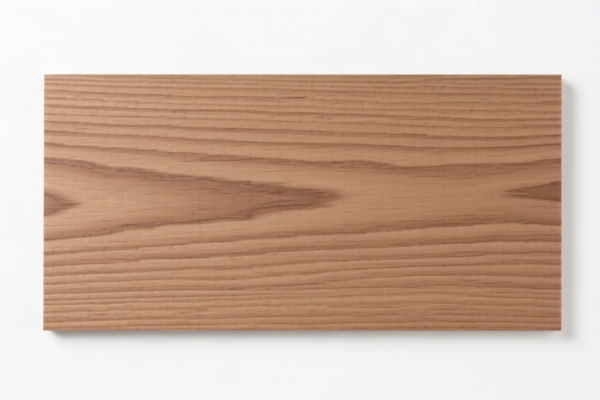
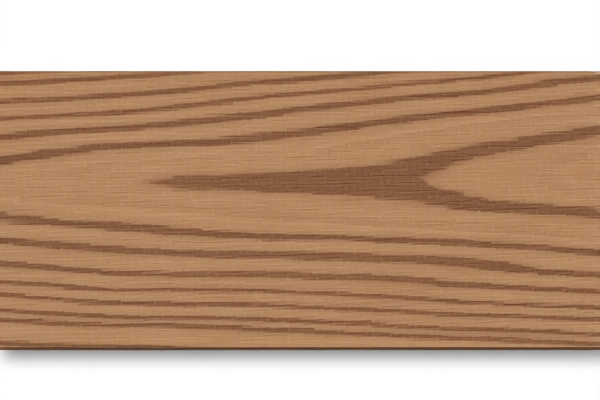
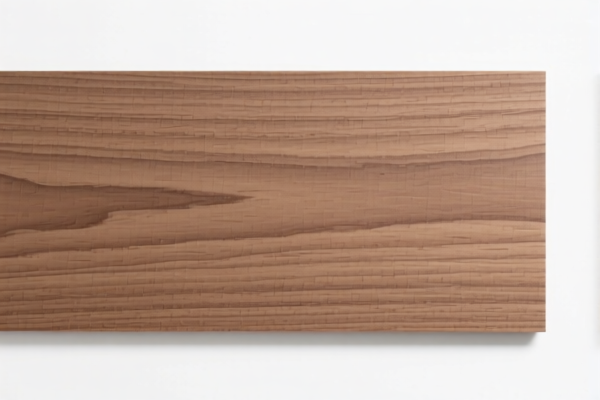
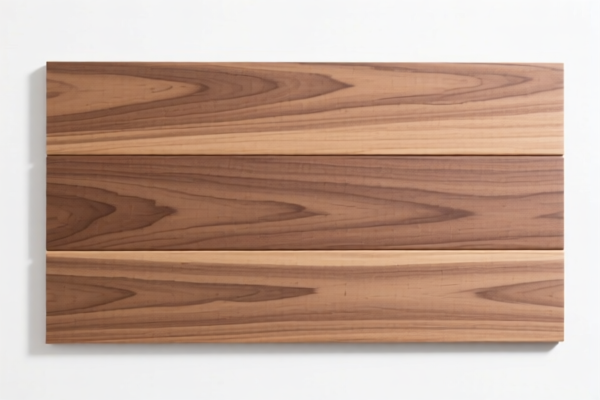
AI Analysis
🪵 Ayu Wood Veneer Panels (Obeche/Ayous) & Wood Articles
🌐 HS Code Reference & Customs Clearance Guide | 2026 Latest Tariff Analysis | Professional Compliance Strategy
📌 I. Product Definition & Classification: What Exactly is "Ayu/Obeche"?
Ayu Wood (commonly known in trade as Obeche or Ayous, scientific name: Triplochiton scleroxylon) is a premium tropical hardwood widely used in furniture making, plywood manufacturing, and interior decoration due to its fine grain, light color, and excellent workability.
In international trade, these products are primarily classified into two categories based on their processing level:
- Raw Veneer Sheets: Thin slices of wood (≤6mm thick) obtained by slicing, peeling, or sawing laminated wood. These are raw materials for further processing (e.g., making plywood or laminating onto furniture).
- Finished/semi-finished Wood Articles: Such as blinds, shutters, or other miscellaneous wood items.
⚠️ Key Distinction Point:
- If the product is a thin sheet (≤6mm) used for veneering or plywood → It falls under Chapter 44 (Wood and Wood Articles), specifically heading 4408 or 4412.
- If the product is a finished item like blinds or shutters → It falls under 4421.
- Crucial Note: Obeche is explicitly listed in the HS Code descriptions. Misclassification often occurs when traders confuse "veneer sheets" with "finished furniture parts."
📦 II. HS Code Classification Details (2026 Latest Tariff Mapping)
Based on the provided data, here is the precise breakdown for Ayu Wood-related imports:
| HS Code | Product Description | Applicable Scenario | Key Characteristics |
|--------|--------------------------|--------------------------|
| 4408.39.02.50 | Sheets for veneering... of tropical wood: Obeche | Raw veneer sheets of Obeche (Ayous) wood, ≤6mm thickness | ✅ Specific species: Triplochiton spp. |
| 4408.39.02.91 | Sheets for veneering... of tropical wood: Other | Other tropical wood veneers (not Obeche, not specified further) | ❌ Not Obeche; generic tropical wood |
| 4421.99.40.00 | Other articles of wood: Wood blinds, shutters, screens and shades | Finished wood blinds or shutters (with/without hardware) | ✅ Finished product, not raw veneer |
| 4421.99.98.80 | Other articles of wood: Other | Miscellaneous wood items not covered elsewhere | ✅ General wood articles |
| 4412.33.06.70 | Plywood... with at least one outer ply... birch | Note: This code is for Birch plywood, NOT Obeche | ❌ Exclude: Obeche is tropical, not birch |
| 4412.33.32.85 | Plywood... with at least one outer ply... nonconiferous (other than birch) | Plywood with face ply of oak, maple, etc., but not birch | ❌ Exclude: Unless face ply is specifically listed non-coniferous species other than birch. Obeche plywood would likely fall under general tropical plywood codes not listed here or under 4408 if it's veneer. |
🔍 Critical Insight for Ayu/Obeche:
- The primary code for Obeche Veneer is4408.39.02.50.
- If you are importing plywood made with Obeche veneer, ensure the plywood structure matches the specific codes provided. However, note that codes4412.33.06.70explicitly require a Birch face ply. If your plywood has an Obeche face, it may not fit into4412.33.06.70. It might fall under4412.33.32.85if Obeche is considered under "other nonconiferous" or a different subheading not explicitly listed for Obeche in this specific snippet. For pure Obeche veneer sheets, stick to4408.39.02.50.
💰 III. 2026 Latest Tariff Rate Details (With Additional Duties)
✅ Applicable Country: United States (US)
✅ Origin: China (CN) [Assumed based on 25% additional duty context]
✅ Effective Time: Current (2026)
🎯 1. 4408.39.02.50 – Obeche Veneer Sheets
| Item | Details |
|---|---|
| Base Duty Rate | 0.0% |
| Section 301 Additional Duty | +25.0% |
| Total Duty Rate | 25.0% |
| Tax Calculation | CIF Value × 25% |
| De Minimis Exemption | ❌ Not Applicable (High value threshold issues) |
| Legal Basis | USITC Tariff Schedule + Section 301 List 4A |
📌 Explanation:
- Base Rate (0%): Wood veneers from many tropical sources enjoy 0% base duty under MFN treatment.
- Additional Duty (25%): This is the critical cost driver. Products of Chinese origin classified under HS 4408 are subject to the 25% Section 301 additional tariff.
- Total Cost: You must budget for 25% of the CIF value as duty alone.
🎯 2. 4408.39.02.91 – Other Tropical Wood Veneers
| Item | Details |
|---|---|
| Base Duty Rate | 0.0% |
| Section 301 Additional Duty | +25.0% |
| Total Duty Rate | 25.0% |
| Tax Calculation | CIF Value × 25% |
| De Minimis Exemption | ❌ Not Applicable |
| Legal Basis | USITC Tariff Schedule + Section 301 List 4A |
📌 Note: Same tax treatment as Obeche. If your wood is tropical but not Obeche, this code applies.
🎯 3. 4421.99.40.00 – Wood Blinds/Shutters
| Item | Details |
|---|---|
| Base Duty Rate | 5.1% |
| Section 301 Additional Duty | 0.0% (Check specific list; blinds often exempt or lower) |
| Total Duty Rate | 5.1% |
| Tax Calculation | CIF Value × 5.1% |
| De Minimis Exemption | ⚠️ Check De Minimis Rules (Often applicable for low-value shipments, but verify current CBP guidelines) |
| Legal Basis | USITC Tariff Schedule |
📌 Advantage: This code has a much lower total duty (5.1%) compared to veneers (25%). If you can classify finished wooden blinds correctly, it saves significant cost. However, ensure they are not just "parts" of furniture, which might revert to higher rates.
🎯 4. 4421.99.98.80 – Other Wood Articles
| Item | Details |
|---|---|
| Base Duty Rate | 3.3% |
| Section 301 Additional Duty | +25.0% |
| Total Duty Rate | 28.3% |
| Tax Calculation | CIF Value × 28.3% |
| De Minimis Exemption | ❌ Not Applicable |
| Legal Basis | USITC Tariff Schedule + Section 301 List 4A |
📌 Warning: This is the highest tax rate (28.3%). Avoid this classification if possible. It applies to miscellaneous wood items not elsewhere specified.
🎯 5. Plywood Codes (4412.33.06.70 & 4412.33.32.85)
⚠️ IMPORTANT:
-4412.33.06.70requires a Birch face ply. Obeche is NOT Birch. Do not use this code for Obeche plywood.
-4412.33.32.85covers plywood with other nonconiferous face plies. If your plywood has an Obeche face, and Obeche is considered under "other nonconiferous" in the specific subheading, this may apply.
- Base Duty: 8.0%
- Additional Duty: 25.0%
- Total Duty: 33.0%
- Risk: This is higher than the veneer sheet rate (25%). Verify if Obeche plywood is covered here or under a different plywood subheading. Consult customs broker for plywood-specific classification.
🛠️ IV. Customs Clearance Practical Advice (Real-World Pitfall Prevention)
✅ 1. Documentation Checklist (Must-Have)
| Document | Required | Notes |
|---|---|---|
| Commercial Invoice | ✔️ | Must specify "Obeche" or "Ayous" (Triplochiton spp.) |
| Packing List | ✔️ | Detail thickness (≤6mm for veneer), dimensions, quantity |
| Product Photo | ✔️ | Show wood grain, label, and condition (planed/sanded/unplaned) |
| Species Confirmation Letter | ✔️ | From supplier confirming botanical name (Triplochiton scleroxylon) |
| Origin Certificate | ✔️ | To prove Chinese origin (triggering 25% duty) |
| Plywood Structure Diagram | ✔️ | If importing plywood, show ply orientation and face material |
✅ 2. Classification Tips (Key Mnemonics)
🔥 "Veneer is thin, ≤6mm; Blinds are finished, 5.1%; Other wood is 28.3%!"
| Scenario | Correct HS Code | Total Duty | Why? |
|---|---|---|---|
| Obeche Veneer Sheets (≤6mm) | 4408.39.02.50 |
25% | Explicitly listed for Obeche |
| Other Tropical Veneer (≤6mm) | 4408.39.02.91 |
25% | Generic tropical wood |
| Wooden Blinds/Shutters | 4421.99.40.00 |
5.1% | Finished article, no 301 duty |
| Miscellaneous Wood Items | 4421.99.98.80 |
28.3% | Catch-all, high tax |
| Birch Plywood (Face) | 4412.33.06.70 |
25% | NOT Obeche! |
| Obeche Plywood (Face) | Check 4412.33.32.85 or others |
Likely 33%+ | Verify if Obeche fits "other nonconiferous" |
✅ 3. Special Considerations
| Situation | Recommendation |
|---|---|
| OEM Custom Veneer | Ensure the invoice clearly states "Obeche" to avoid being classified as "Other Tropical Wood" (4408.39.02.91), which has the same tax but different documentation needs. |
| Mixed Shipments | If a container has both blinds (5.1%) and veneer (25%), declare them separately. Do not lump them under "Other Wood Articles" (28.3%). |
| Plywood with Obeche Face | Critical: Do not use 4412.33.06.70 (Birch). Use 4412.33.32.85 if applicable, but verify with a customs broker. The tax is 33%, which is higher than veneer sheets. Consider importing as veneers and having plywood made locally if possible, to save on duty (25% vs 33%). |
| De Minimis Eligibility | For blinds (5.1%), if value is <$800, you might qualify for de minimis. For veneer (25%), de minimis is often not available due to higher duty thresholds or specific exclusions. Check current CBP rulings. |
🌍 V. Global Market Comparison (2026)
| Country/Region | Recommended HS Code | Duty Rate | Certification | Notes |
|---|---|---|---|---|
| 🇺🇸 USA | 4408.39.02.50 |
25% | None specific | High duty due to Section 301 |
| 🇨🇳 China | 4408.39.02.50 |
~5-10% | None | Lower base duty |
| 🇪🇺 EU | 4408.39.00 |
0-5% | FSC/PEFC recommended | No Section 301 |
| 🇬🇧 UK | 4408.39.00 |
0-5% | FSC/PEFC recommended | Post-Brexit tariffs |
📌 Conclusion:
- USA is the most expensive market for Chinese-origin wood veneers due to the 25% additional duty.
- Blinds offer a cost advantage (5.1%) if you can classify them correctly.
- Plywood with Obeche face may face higher duties (33%) than raw veneers (25%). Consider supply chain adjustments.
📌 VI. Common Mistakes & Pitfalls (Blood & Tears Lessons)
❌ Mistake 1: Classifying Obeche Plywood as 4412.33.06.70 (Birch)
👉 Result: Customs rejection, misclassification penalties, and potential audits.
✅ Fix: Use correct plywood code for non-birch face plies.
❌ Mistake 2: Declaring Veneer Sheets as "Wood Articles" (4421.99.98.80)
👉 Result: Paying 28.3% instead of 25%. Unnecessary cost.
✅ Fix: Use 4408.39.02.50 for Obeche veneers.
❌ Mistake 3: Not specifying "Obeche" on the invoice
👉 Result: Customs may classify as "Other Tropical Wood" (4408.39.02.91). While tax is same, it triggers additional scrutiny and documentation requirements.
✅ Fix: Always use scientific name or common trade name Obeche/Ayous.
❌ Mistake 4: Ignoring Thickness for Veneer
👉 Result: If veneer is >6mm, it may fall under different codes (e.g., 4407 for sawn wood).
✅ Fix: Ensure thickness is ≤6mm for 4408 classification.
🎯 VII. Conclusion: Smart Classification, Cost Savings!
🎯 Remember the Rule:
🔹 "Veneer ≤6mm = 25% (Obeche specific)"
🔹 "Blinds = 5.1% (Low tax advantage)"
🔹 "Other Wood = 28.3% (Avoid!)"
🔹 "Plywood = Check carefully (Often 33%!)"
📌 Pro Tip:
If you are importing Obeche plywood with a face ply of Obeche, compare the total landed cost of importing veneers (25%) and having plywood manufactured locally vs. importing plywood directly (possibly 33%). The savings can be significant.
📣 Action Required:
📞 Contact a licensed customs broker to verify the exact HS Code for Obeche plywood.
📄 Ensure your invoice clearly states "Obeche (Ayous)" and thickness ≤6mm for veneers.
🚀 Optimize your product mix (e.g., more blinds, less miscellaneous wood) to minimize duty costs.
✨ Professional Compliance is the Key to Profitability!
💼 Every percentage point matters in global trade!
Customer Reviews
About HS Code Classification
The Harmonized System (HS) is an internationally standardized nomenclature developed by the World Customs Organization (WCO) to classify traded products. Over 200 countries use the HS system as the basis for customs tariffs, trade statistics, and import/export regulations.
Each HS code follows a hierarchical structure:
- Chapter (2 digits) — Broad category of goods (e.g., Chapter 84: Machinery and Mechanical Appliances)
- Heading (4 digits) — More specific grouping within the chapter
- Subheading (6 digits) — Internationally standardized breakdown, used by all WCO member countries
- National subdivisions (8-10 digits) — Country-specific extensions for further classification, such as US HTSUS 10-digit codes
Correct HS code classification is essential for smooth customs clearance, accurate duty payment, and compliance with trade regulations. Misclassification can lead to customs delays, overpayment of duties, or penalties.
When importing from CN to US, the applicable tariff rates may include:
- Most-Favored-Nation (MFN) rate — The standard duty rate applied to WTO members
- General rate — Applied to countries without trade agreements
- Trade remedy duties — Additional tariffs such as Section 301 (anti-dumping), Section 232 (national security), or countervailing duties
The information provided on this page is for reference purposes only. For official classification, please consult with your local customs authority or a licensed customs broker.