BBQ Bag
CN → US| HS Code | Tariff Rate | Origin | Destination | Doc |
|---|---|---|---|---|
| 3926903300 | 16.5% | CN | US | Official Doc |
| 3926901000 | 20.9% | CN | US | Official Doc |
| 6305330080 | 25.9% | CN | US | Official Doc |
| 6305330040 | 25.9% | CN | US | Official Doc |
| 4202920809 | 42.0% | CN | US | Official Doc |
| 4202920807 | 42.0% | CN | US | Official Doc |
Product Images
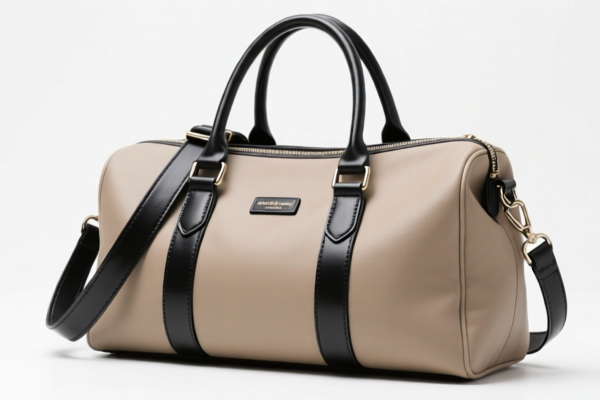
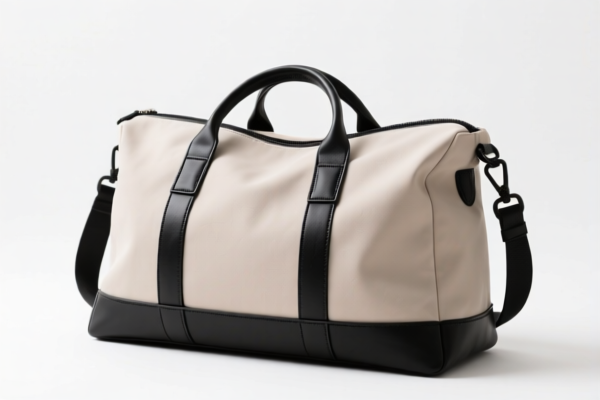
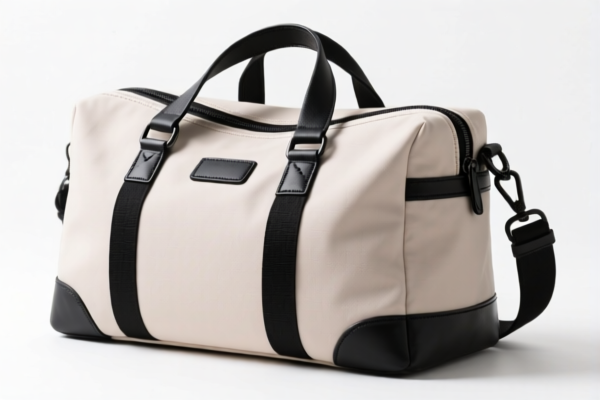
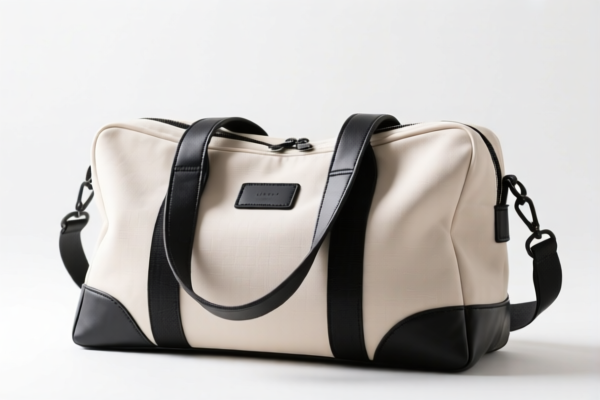
AI Analysis
🔥 BBQ Bag & Insulated Food Bags (Insulated Food or Beverage Bags)
🌐 HS Code Reference & Customs Clearance Guide | 2026 Latest Tariff Breakdown | Professional Logistics Strategy 📌 Part 1: Product Definition & Classification: What Exactly is a "BBQ Bag"?
In the context of international trade and customs regulation, a "BBQ Bag" is rarely classified as a simple polyethylene shopping bag. Instead, it is typically categorized under Insulated Food or Beverage Bags (or general textile sacks depending on construction).
Key Distinctions: 1. Insulated Soft-Sided Containers: Bags with a thermal lining (foam, foil, or reflective material) designed to keep food hot or cold during transport to picnics, barbecues, or parties. These often have outer surfaces made of textiles (nylon, polyester) or plastics. 2. Textile Packing Bags: Simple woven polypropylene (PP) or polyethylene (PE) bags used for carrying charcoal, grills, or raw food items. These are considered "sacks and bags of a kind used for the packing of goods."
⚠ critical Classification Point: - If the bag has insulation, handles, and zips for food retention → It falls under Chapter 42 (Articles of leather/plastics/textile, specifically Insulated Bags). - If the bag is a simple woven sack for bulk packing/transport of goods (even if used for BBQ supplies) → It falls under Chapter 63 (Sacks and bags of man-made textile materials).
📦 Part 2: DetailedHS Code Classification (2026 Latest Tariff Reference)
Based on the provided data, here are the precise classifications for BBQ-related packaging and storage:
| HS Code | Product Description | Typical Use Case | Key Feature |
|---|---|---|---|
4202.92.08.09 |
Insulated food or beverage bags: With outer surface of textile materials: Other | Premium BBQ cooler bags, picnic totes | Textile outer, insulated interior, non-woven specific type |
4202.92.08.07 |
Insulated food or beverage bags: With outer surface of textile materials: Other: Of man-made fibers | Standard BBQ cooler bags, nylon/polyester coolers | Man-made fiber outer (e.g., Nylon, Polyester), insulated |
6305.33.00.40 |
Sacks and bags (packing of goods): Of polyethylene or polypropylene strip: Weighing <1 kg, with outer laminated ply of plastics sheeting: Printed with 3+ colors | Printed promotional BBQ supply bags | Lightweight (<1kg), laminated, multi-color printing |
6305.33.00.80 |
Sacks and bags (packing of goods): Of polyethylene or polypropylene strip: Other | Bulk charcoal bags, grill accessory sacks | Standard PP/PE woven sack, no specific lamination/printing req. |
3926.90.33.00 |
Handbags (Plastics articles) | Plastic shopping-style BBQ tote bags | Solid plastic material, handbag style (less common for true BBQ) |
3926.90.10.00 |
Buckets and pails (Plastics articles) | Plastic buckets for sauce/charcoal storage | Rigid plastic container, not a flexible bag |
🔍 Critical Note: - Insulated Bags (Ch 42): If your "BBQ Bag" is designed to keep food warm/cold (thermos effect), it MUST be classified under 4202.92.08.xx. The presence of insulation and handles for carrying food distinguishes it from simple packing sacks. - Simple Sacks (Ch 63): If it is a woven PP bag used to carry bags of charcoal, raw meat, or grilling tools without thermal properties, it falls under 6305.33.xx.
💰 Part 3: 2026 Latest Tariff Rate Details
✅ Applicable Country: United States (US)
✅ Origin: China (CN)
✅ Effective Time: 2025/2026 Current Rates
🎯 1. 4202.92.08.07 & 4202.92.08.09 —— Insulated Food Bags (Textile/Man-made Fiber)
| Item | Content |
|---|---|
| Basic Tariff (General Rate) | 0.0% |
| Additional Tariff (Section 301) | 0.0% |
| Total Tax Rate | 0.0% |
| Calculation Basis | Ad Valorem (Based on CIF Value) |
| De Minimis Eligibility | ✅ Yes (If value ≤ $800 per shipment) |
| Legal Basis | HTSUS 4202.92.08 |
📌 Explanation: - Insulated food bags made of textile materials are currently duty-free at the US border. - No Section 301 surcharge applies to these specific textile/packaging articles in this subheading. - Benefit: Low cost of entry, high margin potential for insulated cooler brands.
🎯 2. 6305.33.00.40 —— PP/PE Laminated Printed Sacks (<1kg)
| Item | Content |
|---|---|
| Basic Tariff | 0.0% |
| Additional Tariff | 0.0% |
| Total Tax Rate | 0.0% |
| Calculation Basis | Ad Valorem |
| De Minimis Eligibility | ✅ Yes (If value ≤ $800) |
| Legal Basis | HTSUS 6305.33.00.40 |
📌 Explanation: - Lightweight, printed polypropylene/polyethylene sacks used for packaging goods are duty-free. - Condition: Must weigh less than 1 kg and have an outer laminated ply with 3+ colors of printing. - If it exceeds 1kg or lacks lamination/printing, it falls under
6305.33.00.80(still 0.0%).
🎯 3. 6305.33.00.80 —— Other PP/PE Sacks
| Item | Content |
|---|---|
| Basic Tariff | 0.0% |
| Additional Tariff | 0.0% |
| Total Tax Rate | 0.0% |
| Calculation Basis | Ad Valorem |
| De Minimis Eligibility | ✅ Yes (If value ≤ $800) |
| Legal Basis | HTSUS 6305.33.00.80 |
📌 Explanation: - Standard woven PP/PE sacks for packing goods. - Important: Ensure description clearly states "for packing of goods" to differentiate from "garbage bags" (which may have different classifications).
🎯 4. 3926.90.33.00 —— Plastic Handbags
| Item | Content |
|---|---|
| Basic Tariff | 6.5% |
| Additional Tariff | 0.0% |
| Total Tax Rate | 6.5% |
| Calculation Basis | Ad Valorem |
| De Minimis Eligibility | ✅ Yes (If value ≤ $800) |
| Legal Basis | HTSUS 3926.90.33.00 |
📌 Explanation: - If the "BBQ Bag" is a solid plastic tote (not woven, not insulated textile), it is classified as a plastic handbag/article. - Cost Impact: 6.5% duty applies. This is significantly higher than textile bags (0%). - Risk: High risk of misclassification. If it’s clearly a cooler bag, do NOT use this code.
🎯 5. 3926.90.10.00 —— Plastic Buckets
| Item | Content |
|---|---|
| Basic Tariff | 0.0% |
| Additional Tariff | 0.0% |
| Total Tax Rate | 0.0% |
| Calculation Basis | Ad Valorem |
| De Minimis Eligibility | ✅ Yes (If value ≤ $800) |
| Legal Basis | HTSUS 3926.90.10.00 |
📌 Explanation: - Only applies if the item is a rigid bucket/pail (e.g., for charcoal or sauce), not a flexible bag.
🛠 Part 4: Customs Clearance Practical Advice (Avoid Pitstops)
✅ 1. Preparation Checklist (Do Not Skip)
| Document | Required | Notes |
|---|---|---|
| ✅ Product Photos | ✔ | Must show insulation layer, handles, zips, and material texture (woven vs. solid plastic). |
| ✅ Bill of Lading/Packing List | ✔ | Clearly describe as "Insulated Food Carrier" or "Woven Polypropylene Sack for Packing Goods." |
| ✅ Material Composition Statement | ✔ | Specify: "Outer: 100% Nylon; Lining: EPE Foam + Aluminum foil." (For Ch 42) |
| ✅ Weight Specification | ✔ | For 6305.33.00.40, must confirm item weight is <1 kg. |
| ✅ Printing Specification | ✔ | For 6305.33.00.40, confirm multi-color (3+) printing on laminated surface. |
| ✅ Origin Label | ✔ | Mark "Made in China" to avoid origin fraud issues. |
✅ 2. Declaration Strategy (Golden Rules)
🔥 "Insulation = Chapter 42; Simple Woven = Chapter 63; Solid Plastic = Chapter 39"
| Scenario | Correct Declaration | Wrong Declaration | Consequence |
|---|---|---|---|
| BBQ Cooler Bag (Nylon + Foam) | 4202.92.08.07 "Insulated Food Bag, Man-made Fiber" |
"Plastic Bag" or "Shopping Bag" | 0% (If correct) vs. 6.5% (If misclassified as plastic handbag) |
| Charcoal Sack (Woven PP) | 6305.33.00.80 "PP Woven Sack for Packing Charcoal" |
"Tote Bag" | 0% (If correct) vs. Inspection Delay (If unclear) |
| Printed Promotional Bag (<1kg) | 6305.33.00.40 "Laminated PP Sack, Multi-color Printed" |
"Plastic Bag" | 0% (If correct) |
| Plastic Tote (Solid, no insulation) | 3926.90.33.00 "Plastic Handbag/Tote" |
"Insulated Bag" | 6.5% Duty |
📌 Key Warning: - Do NOT label an insulated cooler bag as a "Plastic Bag" or "Handbag" to avoid duties if it’s clearly textile/insulated. Customs may audit the material. - Do NOT label a simple woven sack as an "Insulated Bag" if it has no thermal lining. This is misdeclaration.
✅ 3. Special Handling Tips
| Situation | Advice |
|---|---|
| OEM Custom BBQ Bags | Provide design proofs to prove "Insulation" exists if declaring under Ch 42. |
| Mixed Containers | If shipping both Insulated Bags (Ch 42) and Woven Sacks (Ch 63), declare them on separate line items to avoid confusion. |
| Weight Sensitive (<1kg Rule) | For 6305.33.00.40, ensure the net weight is clearly under 1kg. If >1kg, it defaults to 6305.33.00.80 (still 0%, but different subheading). |
| Plastic vs. Textile | If the bag has a plastic coating but is woven textile, it is likely 6305 or 4202. If it is solid molded plastic, it is 3926. |
🌍 Part 5: Global Market Comparison (2026)
| Country/Region | RecommendedHS Code | Duty Rate | Notes |
|---|---|---|---|
| 🇺🇸 USA | 4202.92.08.07 |
0.0% | Best for Insulated Bags. No Section 301. |
| 🇺🇸 USA | 6305.33.00.80 |
0.0% | Best for Woven Sacks. |
| 🇺🇸 USA | 3926.90.33.00 |
6.5% | Higher duty for solid plastic bags. |
| 🇪🇺 EU | 4202.92 |
~0-2% | Generally low duty, VAT applies. |
| 🇨🇳 China | 4202.92 |
~10-14% | Import duty applies. |
| 🇬🇧 UK | 4202.92 |
~0% | Post-Brexit tariff may vary, check latest. |
📌 Conclusion: - The US market is highly favorable for BBQ bags (both insulated and woven), with 0% duty for the most common types (
4202and6305). - Avoid classifying insulated bags as "Plastic Handbags" (3926.90.33.00), as it incurs an unnecessary 6.5% duty. - Ensure descriptions are precise: "Insulated" for Ch 42, "Woven Sack for Packing" for Ch 63.
📌 Part 6: Common Errors & Pitfall Guide (Lessons Learned)
❌ Error 1: Classifying a Nylon Insulated Cooler Bag as a "Plastic Shopping Bag" (3926.90.33.00).
👉 Result: Paying 6.5% duty instead of 0%.
✅ Fix: Declare as "Insulated Food Bag of Textile Material" (4202.92.08.07).
❌ Error 2: Labeling a Simple Woven PP Charcoal Sack as an "Insulated Bag".
👉 Result: Customs rejection or audit for misrepresentation (no insulation exists).
✅ Fix: Declare as "Polypropylene Woven Sack for Packing Goods" (6305.33.00.80).
❌ Error 3: Failing to specify Weight for Printed Laminated Bags.
👉 Result: If weight is >1kg, 6305.33.00.40 is invalid. Must use 6305.33.00.80.
✅ Fix: Verify net weight <1kg before declaring 40 subheading.
❌ Error 4: Using "Bag" generically without specifying Material or Function. 👉 Result: Customs broker assigns generic code, potentially higher duty or delay. ✅ Fix: Use full description: "Insulated Bag, Outer: 100% Polyester, Lining: Foam, for Food Storage."
✅ Best Practice Declaration Example:
"INSULATED FOOD BEVERAGE BAG, OUTER MATERIAL 100% NYLON, LINING EPE FOAM & ALUMINUM FOIL, HANDLE TYPE, MODEL X-200, MADE IN CHIN"
🎯 Part 7: Conclusion: Maximize Profit with Accurate Classification
🎯 Key Takeaways:
🔹 Insulated Bags (Textile) = 0% Duty (
4202.92.08.07/09).
🔹 Woven Sacks (PP/PE) = 0% Duty (6305.33.00.80/40).
🔹 Solid Plastic Bags = 6.5% Duty (3926.90.33.00). Avoid this if possible by optimizing material to textile/insulated.
🔹 Precision in Description saves money and prevents customs holds.
📌 Pro Tip:
If you are exporting to the US, ensure your Insulated BBQ Bags clearly show thermal properties in photos. If you are exporting Woven Charcoal Bags, emphasize "Woven PP" and "For Packing" in the commercial invoice.
📣 Immediate Action:
📞 Confirm Material Composition with your factory.
📦 Label Accurately on the commercial invoice.
🚀 Enjoy 0% Duty on most BBQ bag types by choosing the right Chapter 42 or 63 code!
✨ Professional Clearance Starts with the Right Code! 💼 Every Percent of Duty Saved is Pure Profit!
Customer Reviews
About HS Code Classification
The Harmonized System (HS) is an internationally standardized nomenclature developed by the World Customs Organization (WCO) to classify traded products. Over 200 countries use the HS system as the basis for customs tariffs, trade statistics, and import/export regulations.
Each HS code follows a hierarchical structure:
- Chapter (2 digits) — Broad category of goods (e.g., Chapter 84: Machinery and Mechanical Appliances)
- Heading (4 digits) — More specific grouping within the chapter
- Subheading (6 digits) — Internationally standardized breakdown, used by all WCO member countries
- National subdivisions (8-10 digits) — Country-specific extensions for further classification, such as US HTSUS 10-digit codes
Correct HS code classification is essential for smooth customs clearance, accurate duty payment, and compliance with trade regulations. Misclassification can lead to customs delays, overpayment of duties, or penalties.
When importing from CN to US, the applicable tariff rates may include:
- Most-Favored-Nation (MFN) rate — The standard duty rate applied to WTO members
- General rate — Applied to countries without trade agreements
- Trade remedy duties — Additional tariffs such as Section 301 (anti-dumping), Section 232 (national security), or countervailing duties
The information provided on this page is for reference purposes only. For official classification, please consult with your local customs authority or a licensed customs broker.