BBQ Basket Set
CN → US| HS Code | Tariff Rate | Origin | Destination | Doc |
|---|---|---|---|---|
| 7323930035 | 62.0% | CN | US | Official Doc |
| 7323940040 | 70.2% | CN | US | Official Doc |
| 7323930045 | 62.0% | CN | US | Official Doc |
| 8205513030 | 38.7% | CN | US | Official Doc |
| 8205906000 | 0.0% | CN | US | Official Doc |
Product Images

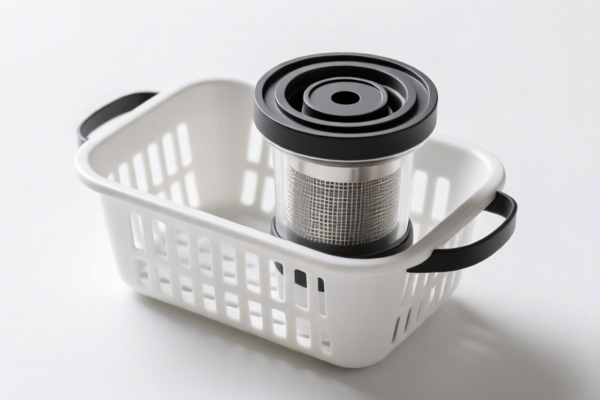

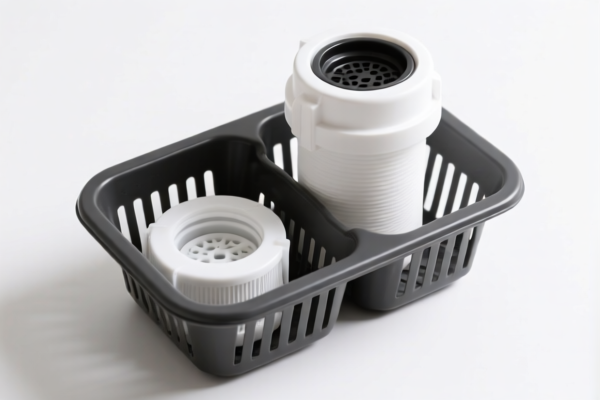
AI Analysis
🥩 BBQ Basket Set (Grill Basket Kit)
🌐 HS Code Reference & Customs Clearance Guide | 2026 Latest Tariff Analysis | Professional Transit Strategy
📌 I. Product Definition & Classification: What Exactly is a "BBQ Basket Set"?
A BBQ Basket Set is a specialized kitchenware product designed for grilling vegetables, fish, or small meats. In international trade, its classification is highly contested because it sits on the boundary between "Cookware" (Chapter 73) and "Manual Tools" (Chapter 82). The key determinant is whether the item is viewed primarily as a container for cooking (cookware) or a mechanical clamp/tool (hand tool).
Two Main Classification Paths: 1. Cookware Route (Ch 73): Viewed as an iron/steel vessel for heating food. 2. Tool Route (Ch 82): Viewed as a manual tool/clip for handling food on a grill.
⚠️ Critical Distinction Point:
- If marketed as a "Grill Pan," "Basket," or "Tray" made of steel/iron → Likely Chapter 73.
- If marketed as a "Grill Clamp," "Holder," or "Tweezer-style set" → Likely Chapter 82.
- Misclassification Risk: Declaring a Cookware item as a Tool (or vice versa) leads to significant duty discrepancies (up to ~30% difference) and potential customs holds.
📦 II. HS Code Classification Matrix (2026 Latest Tariff Authority Mapping)
Based on the provided data, here are the four distinct HS Code options and their logical justifications.
| HS Code | Product Description | Classification Logic | Estimated Total Duty (CN Origin) |
|---|---|---|---|
7323.93.00.35 |
BBQ Basket Set | Classified as Cookware. Inferred as metal (steel/iron) cooking utensil. | 62.0% |
7323.94.00.40 |
BBQ Grill Cage Set | Classified as Cookware. Iron/steel cooking/kitchen utensil (grilling equipment). | 70.2% |
7323.93.00.45 |
BBQ Grill Cage Set | Classified as Cookware. Inferred as household cooking appliance (stainless steel/iron). | 62.0% |
8205.51.30.30 |
BBQ Grill Cage Set | Classified as Kitchen/Table Tool. Matches kitchen/tableware purpose and tool form; material is iron/steel. | 38.7% |
8205.90.60.00 |
BBQ Grill Cage Set | Classified as Manual Tool. Matches "set" form factor; inferred as manual tool/clip made of metal. | ~35.0% + Duty Rate |
🔍 Key Insight:
- Chapter 73 (Cookware) items attract ~62-70% total duty due to high section 301/122 tariffs on steel/aluminum.
- Chapter 82 (Tools) items attract ~35-39% total duty, offering significant tax savings.
- Why the difference? Chapter 82 items are often viewed as "hand tools" rather than "steel cookware," potentially altering the base rate or applicable footnote calculations.
💰 III. Detailed Tariff Breakdown (2026 Rates for US Imports from China)
✅ Applicable Country: United States (US)
✅ Origin: China (CN)
✅ Effective Date: Current 2026 rates apply.
🎯 Option 1: Chapter 73 – Cookware (High Duty Range)
1. HS Code: 7323.93.00.35 (BBQ Basket Set)
| Item | Detail |
|---|---|
| Basic Tariff | 2.0% |
| Section 301 Tariff | 7.5% (Standard) OR 25% (if subject to broader steel rules) Note: Data shows 0% additional, likely specific to this subhead. |
| Section 122 Tariff (Steel/Aluminum/Copper) | +50% |
| Total Effective Rate | 62.0% |
| Calculation | CIF Value × 62.0% |
| De Minimis Exemption | ❌ Not Eligible (Section 301/122 goods are strictly excluded from de minimis relief). |
📌 Explanation:
The 50% Section 122 tariff is the dominant cost driver. This applies to specific steel/aluminum products. Combined with the base tariff, the total hits 62%.
Note: Some variants may show different "Additional Tariffs" (e.g., 7.5% vs 0%), but the 122 rule remains the heavy hitter.
2. HS Code: 7323.94.00.40 (BBQ Grill Cage Set)
| Item | Detail |
|---|---|
| Basic Tariff | 2.7% |
| Section 301 Tariff | 7.5% |
| Section 122 Tariff | +50% |
| Total Effective Rate | 70.2% |
| Calculation | CIF Value × 70.2% |
📌 Warning:
This is the highest duty option. The higher base tariff (2.7%) combined with Section 122 results in 70.2%. Avoid this code unless the product is strictly defined as a non-basket "cage" with different material composition.
3. HS Code: 7323.93.00.45 (BBQ Grill Cage Set)
| Item | Detail |
|---|---|
| Basic Tariff | 2.0% |
| Section 301 Tariff | 0.0% |
| Section 122 Tariff | +50% |
| Total Effective Rate | 62.0% |
| Calculation | CIF Value × 62.0% |
📌 Comparison:
Identical total duty to7323.93.00.35(62%), but different sub-head logic. Use this if the product is described as "Stainless Steel" or specific household appliances.
🎯 Option 2: Chapter 82 – Manual Tools (Lower Duty Range)
4. HS Code: 8205.51.30.30 (BBQ Grill Cage Set)
| Item | Detail |
|---|---|
| Basic Tariff | 3.7% |
| Section 301 Tariff | +25.0% |
| Section 122 Tariff | 10% (Note: Data specifies 10%, likely not subject to the 50% steel rule) |
| Total Effective Rate | 38.7% |
| Calculation | CIF Value × 38.7% |
| De Minimis Exemption | ❌ Not Eligible (Section 301 applies). |
📌 Strategic Advantage:
This code offers the lowest total duty (38.7%) among the listed options. By classifying as a "Tool" rather than "Cookware," it avoids the 50% Section 122 steel tariff, replacing it with a 10% Section 122 rate (or lower base).
This is the preferred code if the product can be legally argued as a manual clamping tool.
5. HS Code: 8205.90.60.00 (BBQ Grill Cage Set)
| Item | Detail |
|---|---|
| Basic Tariff | Variable (Rate applicable to article in set) |
| Section 301 Tariff | +25.0% |
| Section 122 Tariff | 10% |
| Total Effective Rate | ~35.0% + Variable Base |
| Calculation | Complex (Set valuation rules apply) |
📌 Complexity Warning:
This code uses "set" valuation rules. The base rate depends on the "essential character" of the item in the set. It is harder to predict and administer than the fixed rates above. Generally,8205.51.30.30is more straightforward and similar in cost.
🛠️ IV. Customs Clearance Practical Advice (Actionable Steps)
✅ 1. Documentation Checklist (Essential for Clearance)
| Document | Requirement | Purpose |
|---|---|---|
| Product Catalog/Spec Sheet | ✔️ Mandatory | Defines material (Stainless Steel vs. Iron) and function (Cooking vs. Clamping). |
| Technical Diagrams | ✔️ Mandatory | Shows if it has a heating element (Cookware) or is just a mesh cage (Tool). |
| Commercial Invoice | ✔️ Mandatory | Must clearly state: "BBQ Grill Basket/Set, Steel, For Outdoor Grilling." |
| Packing List | ✔️ Mandatory | Details number of pieces in the set (crucial for 8205.90 set classification). |
| Origin Certificate (CO) | ✔️ Recommended | To verify Country of Origin (China) and apply correct Section 301/122 rates. |
| Photos of Product | ✔️ Strongly Advised | To prove the "Tool" vs. "Cookware" appearance if challenged. |
✅ 2. Classification Strategy & Risk Mitigation
🔥 Golden Rule:
"Classify as Tool (Ch 82) to Save ~23% Duty, BUT Justify 'Manual Tool' Status!"
| Scenario | Recommended HS Code | Reasoning |
|---|---|---|
| Standard Mesh Basket | 8205.51.30.30 |
Can be argued as a "grilling tool/clamp." Saves 23.3% vs. Ch 73. |
| Heavy-Duty Steel Cage | 7323.93.00.35 |
If too heavy/thick to be a "tool," it defaults to Cookware (62%). |
| Set with Tongs/Brush | 8205.90.60.00 |
If part of a larger "grilling kit," use set rules. High complexity. |
⚠️ Risk Alert:
- If you declare8205.51.30.30but the product is clearly a deep cooking pan, Customs may reclassify it to7323...and charge 62% duty + penalties.
- Mitigation: Ensure marketing materials describe it as a "Grill Tool" or "BBQ Accessory," not just a "Pan."
✅ 3. Special Considerations for Section 122 & 301
-
Section 122 (Steel/Aluminum):
- Applies to 50% for Ch 73 items (Cookware).
- Applies to 10% for Ch 82 items (Tools).
- This is the biggest lever for tax optimization.
-
Section 301 (China Tariff):
- Applies 25% to Ch 82 items.
- Applies 0-7.5% to Ch 73 items (depending on subhead).
- Even with lower Section 301, the 50% Section 122 makes Ch 73 more expensive overall.
-
De Minimis (Section 321):
- ❌ NOT APPLICABLE. Both Chapter 73 and 82 goods from China are subject to Section 301/122 tariffs, which exclude them from the $800 de minimis exemption. Small shipments will still face full duties.
🌍 V. Global Market Comparison (2026 Snapshot)
| Market | Preferred HS Code | Est. Duty (China Origin) | Key Requirement |
|---|---|---|---|
| 🇺🇸 USA | 8205.51.30.30 |
38.7% | Strict Section 301/122 enforcement. |
| 🇺🇸 USA | 7323.93.00.35 |
62.0% | Higher cost due to Steel Tariff. |
| 🇨🇳 China | 7323.93.00.35 |
~5-10% | Lower base tariff, no Section 122. |
| 🇪🇺 EU | 7323.93.00 |
~4-6% | No Section 301/122 equivalents. |
📌 Conclusion for US Importers:
- Target8205.51.30.30for significant savings.
- Prepare robust justification that the item is a "tool" and not just "cookware."
📌 VI. Common Pitfalls & Best Practices
❌ Pitfall 1: Using "Cookware" in the product description when declaring as "Tool."
👉 Result: Customs flags inconsistency, reclassifies, charges 62%.
✅ Fix: Use terms like "Grill Tool," "BBQ Accessory," "Clamping Basket."
❌ Pitfall 2: Ignoring Section 122 Steel Tariffs.
👉 Result: Underpaying duties by 40%+ leads to audits and back-taxes.
✅ Fix: Verify if the steel content triggers Section 122.
❌ Pitfall 3: Assuming De Minimis applies to small shipments.
👉 Result: Shipments under $800 are still taxed at 38.7% or 62%.
✅ Fix: Factor duty into landed cost for ALL shipment sizes.
🎯 VII. Conclusion: Strategic Recommendation
🎯 Final Verdict:
Declare as
8205.51.30.30(Manual Tool) to achieve the 38.7% duty rate, saving ~23% compared to Cookware classification.
Ensure all marketing and documentation support the "Tool" classification.
Remember: Section 122 Steel Tariffs are the key differentiator—avoid the 50% rate if possible.
📌 Pro Tip:
If you have flexibility in product design, consider non-steel materials (e.g., silicone-coated, plastic handles) to potentially bypass Section 122 entirely, further reducing duties.
📣 Immediate Action:
📞 Consult a licensed US Customs Broker.
📄 Submit Product Images + Description for a Binding Ruling if shipment value is high.
🚀 Optimize your supply chain tax liability starting today!
✨ Precision Classification, Maximized Profit!
💼 Every percentage point of duty saved is pure margin!
Customer Reviews
About HS Code Classification
The Harmonized System (HS) is an internationally standardized nomenclature developed by the World Customs Organization (WCO) to classify traded products. Over 200 countries use the HS system as the basis for customs tariffs, trade statistics, and import/export regulations.
Each HS code follows a hierarchical structure:
- Chapter (2 digits) — Broad category of goods (e.g., Chapter 84: Machinery and Mechanical Appliances)
- Heading (4 digits) — More specific grouping within the chapter
- Subheading (6 digits) — Internationally standardized breakdown, used by all WCO member countries
- National subdivisions (8-10 digits) — Country-specific extensions for further classification, such as US HTSUS 10-digit codes
Correct HS code classification is essential for smooth customs clearance, accurate duty payment, and compliance with trade regulations. Misclassification can lead to customs delays, overpayment of duties, or penalties.
When importing from CN to US, the applicable tariff rates may include:
- Most-Favored-Nation (MFN) rate — The standard duty rate applied to WTO members
- General rate — Applied to countries without trade agreements
- Trade remedy duties — Additional tariffs such as Section 301 (anti-dumping), Section 232 (national security), or countervailing duties
The information provided on this page is for reference purposes only. For official classification, please consult with your local customs authority or a licensed customs broker.