BBQ Brush
CN → US| HS Code | Tariff Rate | Origin | Destination | Doc |
|---|---|---|---|---|
| 3924104000 | 13.4% | CN | US | Official Doc |
| 3924905650 | 20.9% | CN | US | Official Doc |
| 9603908050 | 70.3% | CN | US | Official Doc |
| 9603908040 | 20.3% | CN | US | Official Doc |
| 8215995000 | 15.3% | CN | US | Official Doc |
| 8215992600 | 0.0% | CN | US | Official Doc |
Product Images


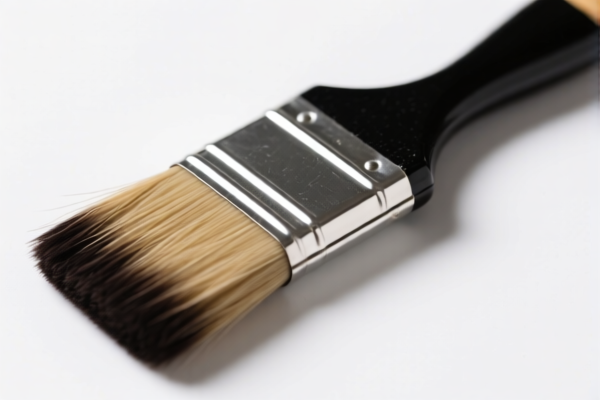
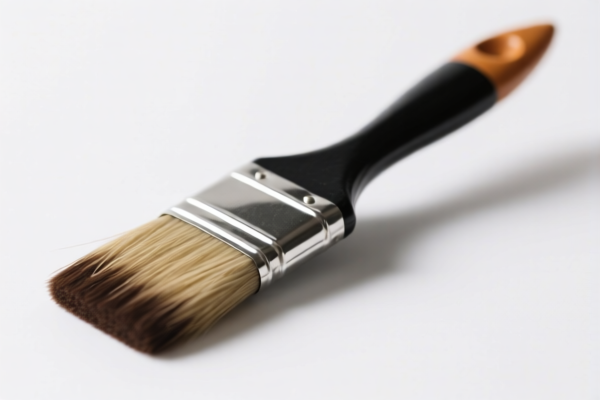
AI Analysis
🍢 BBQ Brush (Grilling Cleaning Brush)
🌐 HS Code Reference & Customs Clearance Guide | 2026 Updated Tariff Analysis | Pro-Level Import Strategy
📌 One, Product Definition & Classification: What Exactly Is a BBQ Brush?
A BBQ brush is a handheld cleaning tool used to scrub grills, griddles, and cooking surfaces during or after grilling. It typically features a brush head made of metal bristles (often stainless steel) and a plastic or wooden handle, designed for removing food residue, grease, and carbon buildup.
⚠️ Key Classification Point:
- If the brush head is metal (e.g., stainless steel) and used for cleaning grills → Not a kitchen utensil, but a cleaning tool → HS Code: 9603.90.80.50
- If the brush is made entirely of plastic and used for general household cleaning → May fall under 3924.90.56.50
- If it's a metal brush with a wooden handle, used for industrial or mechanical cleaning, not food contact → Still 9603.90.80.50🔍 Critical Distinction:
- Food contact? → Yes, but not for eating → Still classified as a cleaning tool, not tableware.
- Bristles made of metal? → Yes → Excluded from 8215.99.50.00 (which is for cutlery parts).
- Used for grilling? → Yes → Excluded from 3924.10.40.00 (plastic tableware).
📦 Two, HS Code Classification Details (2026 Updated Tariff Authority)
| HS Code | Product Description | Use Case | Material | Food Contact? |
|---|---|---|---|---|
9603.90.80.50 |
Brooms, brushes (including parts), hand-operated floor sweepers, mops, feather dusters; paint pads, rollers, squeegees (non-roller); other | BBQ cleaning brushes, grill brushes, metal bristle brushes | Metal bristles + plastic/wood handle | ✅ Yes (but not for eating) |
9603.90.80.40 |
Brooms (specific subcategory) | Brooms with wooden or plastic bristles | Wooden or plastic bristles | ❌ No |
3924.10.40.00 |
Tableware, kitchenware, household articles of plastics: Tableware & kitchenware: Other | Plastic plates, cups, spoons, etc. | Plastic only | ✅ Yes |
3924.90.56.50 |
Tableware, kitchenware, etc., of plastics: Other: Other | Plastic household items not elsewhere specified | Plastic only | ✅ Yes |
8215.99.50.00 |
Spoons, forks, ladles, skimmers, cake-servers, fish-knives, butter-knives, sugar tongs, etc.; base metal parts | Cutlery and metal kitchen tools | Base metal (e.g., steel, iron) | ✅ Yes |
8215.99.26.00 |
Forks: Other: Other: Other (including parts) | Metal forks, not for eating (e.g., industrial) | Metal only | ❌ No (not for food) |
🔍 Why Not Other Codes?
- ❌ Not 3924.10.40.00: Even if plastic handle, metal bristles disqualify it as "tableware".
- ❌ Not 8215.99.50.00: It’s not cutlery — it’s a cleaning tool, not used to eat with.
- ❌ Not 8215.99.26.00: Forks are not brushes, even if made of metal.
💰 Three, 2026 Updated Tariff Rate Breakdown (Including附加 Taxes & Policy)
✅ Applicable Country: United States (US)
✅ Origin: China (CN)
✅ Effective Date: November 10, 2025 (and onward)
🎯 1. 9603.90.80.50 — Other Brushes (Including BBQ Brushes)
| Item | Detail |
|---|---|
| Base Duty Rate | 2.8% (ad valorem) |
| Additional Tariff (Section 301) | +7.5% (applied to steel, aluminum, and copper products) |
| Special Additional Duty (IEEPA) | +50% (applied to steel, aluminum, copper-based products from China) |
| Total Effective Duty | 60.3% |
| Tax Calculation | CIF Value × 60.3% |
| De Minimis Threshold | ❌ Not eligible (denied under US law) |
| Legal Basis Path | IEEPA:9903.01.25 → IEEPA:9903.01.24 → USITC:9603.90.80.50 → FOOTNOTE:9903.88.01 |
📌 Explanation:
- 7.5% is the Section 301 tariff on steel, aluminum, copper-based goods from China.
- 50% is the IEEPA (International Emergency Economic Powers Act) penalty on steel and aluminum products.
- Total = 60.3% → Extremely high — one of the highest tariffs in the category.✅ Exception:
- If the bristles are made of plastic (not metal), and the brush is not for metal cleaning, it may qualify for lower tariff under3924.90.56.50(0% base).
🎯 2. 9603.90.80.40 — Brooms (Other)
| Item | Detail |
|---|---|
| Base Duty Rate | 2.8% |
| Additional Tariff (Section 301) | +7.5% (applies to steel, aluminum, copper products) |
| Special Additional Duty (IEEPA) | +0% (no 50% surcharge if not steel/aluminum-based) |
| Total Effective Duty | 10.3% |
| Tax Calculation | CIF Value × 10.3% |
| De Minimis Threshold | ✅ Eligible (if value < $800) |
| Legal Basis Path | USITC:9603.90.80.40 → FOOTNOTE:9903.88.01 |
📌 Note:
- This code applies only if the brush is a broom (e.g., wooden or plastic bristles, not metal).
- If metal bristles are present, even in a "broom", it must be classified as9603.90.80.50.
🛠️ Four, Customs Clearance Practical Tips (Pro-Level Avoidance Guide)
✅ 1. Required Documentation (No Exceptions)
| Document | Must Provide | Why |
|---|---|---|
| ✅ Product Specification Sheet | ✔️ | Shows bristle material, handle type, dimensions |
| ✅ Material Composition Report | ✔️ | Proves metal vs. plastic bristles |
| ✅ Product Photos (with close-up of bristles) | ✔️ | Critical for customs to verify bristle type |
| ✅ Commercial Invoice | ✔️ | Must state: "BBQ Grill Cleaning Brush, Stainless Steel Bristles, Plastic Handle" |
| ✅ Certificate of Origin (CO) | ✔️ | If from China → 45% tariff applies |
| ✅ Third-Party Test Report | ✔️ | If applicable: RoHS, REACH, FDA (for food contact) |
| ✅ Packing List | ✔️ | Shows quantity, packaging, no mixed items |
✅ 2.申报技巧 (Key Pro Tips)
🔥 "Bristle Type Rules All — Metal = 60.3%, Plastic = 0%!"
| Scenario | Correct HS Code | Wrong Code | Risk |
|---|---|---|---|
| Stainless steel bristles, plastic handle | 9603.90.80.50 |
3924.10.40.00 |
60.3% vs 3.4% → 56.9% extra tax! |
| Plastic bristles, wooden handle | 9603.90.80.40 |
9603.90.80.50 |
10.3% vs 60.3% → 50% higher! |
| Metal bristles, used for grilling | 9603.90.80.50 |
8215.99.50.00 |
60.3% vs 5.3% → 55% overpay! |
| Plastic-only brush, no metal | 3924.90.56.50 |
9603.90.80.50 |
0% vs 60.3% → 60.3% saved! |
✅ 3. Special Cases & Solutions
| Case | Solution |
|---|---|
| Bristles are metal but used for non-food cleaning (e.g., garage) | Still 9603.90.80.50 — IEEPA applies |
| Bristles are plastic, but handle is metal | Still 9603.90.80.40 (if not metal bristles) |
| BBQ brush sold as part of a grill kit | Must be declared separately — cannot be bundled |
| Brush with wooden bristles | 9603.90.80.40 → 10.3% (if from China) |
🌍 Five, Global Market Customs Comparison (2026)
| Country/Region | Recommended HS Code | Tariff | Certification | Notes |
|---|---|---|---|---|
| 🇺🇸 USA | 9603.90.80.50 |
60.3% (if metal bristles) | FDA, RoHS | Highest tariff |
| 🇨🇳 China | 9603.90.80.50 |
5% | CCC | No extra taxes |
| 🇪🇺 EU | 9603.90.80.50 |
0% (if CE) | CE, REACH | No IEEPA |
| 🇦🇺 Australia | 9603.90.80.50 |
5% | RCM | No IEEPA |
| 🇯🇵 Japan | 9603.90.80.50 |
0% | PSE | No IEEPA |
📌 Insight:
- Only the US applies the 50% IEEPA surcharge on steel/aluminum-based brushes.
- China-origin metal-bristle BBQ brushes face the highest cost in the US.
📌 Six, Common Mistakes & Pitfalls (Avoid These!)
❌ Mistake 1: Declaring a metal-bristle BBQ brush as 3924.10.40.00 (plastic tableware)
👉 Result: 60.3% vs 3.4% → 56.9% extra tax → Penalties + audits
❌ Mistake 2: Using 8215.99.50.00 (cutlery parts) for a cleaning brush
👉 Result: 60.3% vs 5.3% → 55% overpay → Customs rejection
❌ Mistake 3: Not specifying bristle material in invoice
👉 Result: Customs cannot verify — delayed clearance, possible seizure
❌ Mistake 4: Bundling with grills or cookware
👉 Result: All items taxed at 60.3% — even if only the brush is metal
✅ Correct Declaration Example:
"BBQ Grill Cleaning Brush, Stainless Steel Bristles, Plastic Handle, 8-inch, FDA-Compliant, for Food Contact Cleaning, Model XYZ"
🎯 Seven, Conclusion: Precision Matters — One Mistake = Thousands in Extra Cost!
🎯 Remember the Golden Rule:
🔹 "If it has metal bristles → 60.3% in the US"
🔹 "If it’s plastic bristles → 10.3% or 0% depending on material"
🔹 "Never call it 'tableware' or 'cutlery' — it’s a brush!"
📌 Pro Tip:
If you're shipping plastic-bristle BBQ brushes, consider manufacturing in Vietnam, Mexico, or Thailand — IEEPA exemption applies → 0% tariff in the US.
📣 Take Action Now:
📞 Contact a US Customs Broker + Submit product photos + material report
🚀 Apply for HS Code Pre-Ruling (Advance Ruling) to lock in the correct code and avoid surprises.
✨ Smart Importing Starts with Smart Classification!
💼 Your profit margin depends on one line — get it right!
Customer Reviews
About HS Code Classification
The Harmonized System (HS) is an internationally standardized nomenclature developed by the World Customs Organization (WCO) to classify traded products. Over 200 countries use the HS system as the basis for customs tariffs, trade statistics, and import/export regulations.
Each HS code follows a hierarchical structure:
- Chapter (2 digits) — Broad category of goods (e.g., Chapter 84: Machinery and Mechanical Appliances)
- Heading (4 digits) — More specific grouping within the chapter
- Subheading (6 digits) — Internationally standardized breakdown, used by all WCO member countries
- National subdivisions (8-10 digits) — Country-specific extensions for further classification, such as US HTSUS 10-digit codes
Correct HS code classification is essential for smooth customs clearance, accurate duty payment, and compliance with trade regulations. Misclassification can lead to customs delays, overpayment of duties, or penalties.
When importing from CN to US, the applicable tariff rates may include:
- Most-Favored-Nation (MFN) rate — The standard duty rate applied to WTO members
- General rate — Applied to countries without trade agreements
- Trade remedy duties — Additional tariffs such as Section 301 (anti-dumping), Section 232 (national security), or countervailing duties
The information provided on this page is for reference purposes only. For official classification, please consult with your local customs authority or a licensed customs broker.