Baby Bathtub
CN → US| HS Code | Tariff Rate | Origin | Destination | Doc |
|---|---|---|---|---|
| 3922100000 | 23.8% | CN | US | Official Doc |
| 6910900000 | 23.2% | CN | US | Official Doc |
| 6910100050 | 15.8% | CN | US | Official Doc |
| 7324290000 | 60.0% | CN | US | Official Doc |
| 3922900000 | 41.3% | CN | US | Official Doc |
Product Images
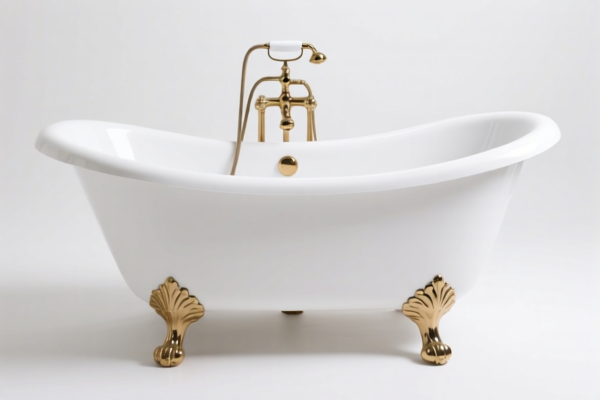
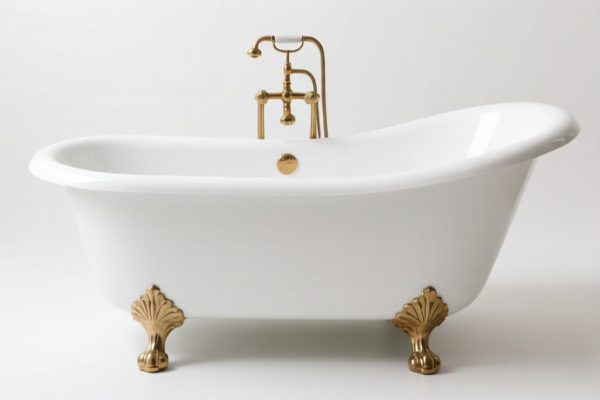
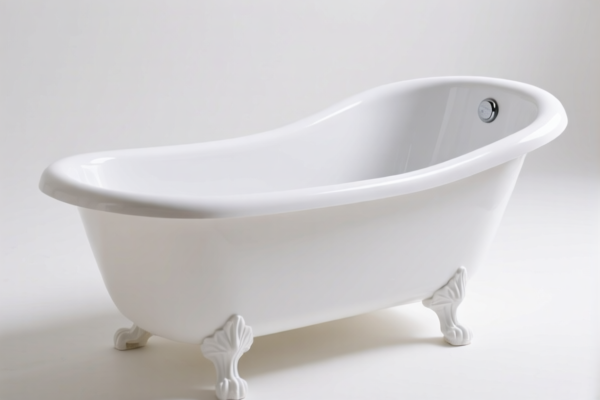
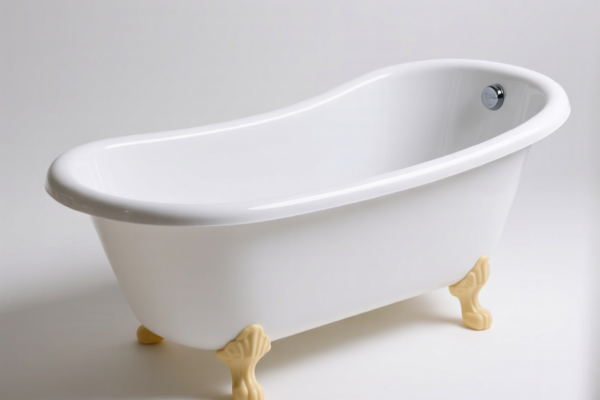
AI Analysis
🛁 Baby Bathtubs: The Ultimate HS Code & Tariff Breakdown | 2026 Customs Clearance Guide
🌐 HS Code Reference & Clearance Strategy | Complete Tax Analysis for Plastics, Ceramics, and Metal Bathware
📌 One: Product Definition & Classification: What Exactly is a "Baby Bathtub"?
A Baby Bathtub is a specialized hygiene appliance designed for the safe bathing of infants. In international trade, its classification depends entirely on the material composition and specific manufacturing intent. Misclassifying the material can lead to catastrophic tariff hikes (up to 60%!) and customs delays.
Critical Distinction: * Plastic Models: Usually fall under Chapter 39 (Plastics) or Chapter 69 (Ceramics if mixed). * Ceramic Models: Falls under Chapter 69 (Ceramic sanitary ware). * Metal (Steel/Iron) Models: Falls under Chapter 73 (Steel products).
⚠️ Key Classification Rule:
- Plastic + Bath Form →3922.10.00.00(Primary) or3922.90.00.00(General Plastic)
- Ceramic + Bath Form →6910.10.00.50(Specific) or6910.90.00.00(General)
- Metal (Steel) + Bath Form →7324.29.00.00(High Risk, High Tax!)
📦 Two: HS Code Classification Details (2026 Tariff Schedule)
Based on the latest data, here is the precise mapping for Baby Bathtubs:
| HS Code | Product Description | Material Type | Specific Category |
|---|---|---|---|
| 3922.10.00.00 | Plastic Baby Bathtub, shaped specifically as a tub, made of plastic. | Plastic | Specific Infant Bathtub |
| 6910.90.00.00 | Ceramic or Plastic Baby Bathtub, classified under "Other" sanitary ware. | Ceramic/Plastic Mix | Other Sanitary Appliances |
| 6910.10.00.50 | Ceramic Baby Bathtub, classified under "Other" ceramic sanitary fixtures. | Ceramic | Ceramic Sanitary Ware |
| 7324.29.00.00 | Steel or Other Metal Baby Bathtub, classified under "Other" bathing appliances. | Steel/Metal | Other Bathing Fixtures |
| 3922.90.00.00 | Plastic Baby Bathtub, classified under "Other" plastic sanitary ware. | Plastic | General Plastic Sanitary Ware |
🔍 Critical Warning:
- Steel Bathtubs (7324.29.00.00) are the DANGER ZONE. They carry a 60.0% total tax rate due to heavy steel/aluminum copper surcharges.
- Plastic vs. Ceramic: Even if a tub has a ceramic-like finish, if the core is plastic, it belongs to 3922, not 6910.
💰 Three: 2026 Tax Rate Breakdown (Detailed Tariff Analysis)
✅ Target Market: USA (US)
✅ Origin: China (CN)
✅ Applicable Period: 2025 onwards (Current Active Rates)
🎯 1. 3922.10.00.00 —— Plastic Baby Bathtub (Specific Form)
The most common classification for standard plastic tubs.
| Tax Component | Rate | Details |
|---|---|---|
| Base Tariff | 6.3% | Standard US import duty for plastics. |
| Section 301 Surcharge | 7.5% | Added duty for Chinese manufactured goods. |
| Section 122 Tariff | 10% | Specific additional duty on plastic imports. |
| 🔥 TOTAL RATE | 23.8% | Moderate-High |
| Calculation | CIF Value × 23.8% |
📌 Explanation:
- The 23.8% is the sum of Base (6.3%) + Section 301 (7.5%) + Section 122 (10%).
- Strategy: This is the "sweet spot" for plastic tubs. Avoid over-complicating the description to keep it under this specific "Bath Form" code.
🎯 2. 6910.90.00.00 —— Ceramic/Plastic Hybrid (Other Category)
Used for mixed materials or less common shapes.
| Tax Component | Rate | Details |
|---|---|---|
| Base Tariff | 5.7% | Lower base for ceramics/sanitary ware. |
| Section 301 Surcharge | 7.5% | Standard 301 addition. |
| Section 122 Tariff | 10% | Additional duty. |
| 🔥 TOTAL RATE | 23.2% | Moderate |
| Calculation | CIF Value × 23.2% |
📌 Note: Slightly cheaper than the specific plastic code, but harder to justify unless the material is genuinely mixed or non-standard.
🎯 3. 6910.10.00.50 —— Ceramic Baby Bathtub
The "Safe Bet" for pure ceramic tubs (if they exist).
| Tax Component | Rate | Details |
|---|---|---|
| Base Tariff | 5.8% | Low base duty for ceramics. |
| Section 301 Surcharge | 0.0% | EXEMPT from this specific surcharge. |
| Section 122 Tariff | 10% | Standard Section 122. |
| 🔥 TOTAL RATE | 15.8% | LOWEST for Ceramic |
| Calculation | CIF Value × 15.8% |
📌 Advantage: This is the most tax-efficient option! 15.8% is significantly lower than plastic (23.8%) or steel (60%). If you can produce or source pure ceramic baby tubs, this is the golden ticket.
🎯 4. 7324.29.00.00 —— Steel/Metal Baby Bathtub
⚠️ EXTREME RISK ⚠️
| Tax Component | Rate | Details |
|---|---|---|
| Base Tariff | 0.0% | Often low base for some metals. |
| Section 301 Surcharge | 0.0% | (Note: May vary based on specific steel type). |
| Section 122 Tariff | 10% | Standard Section 122. |
| Steel/Al/Cu Surcharge | 50% | HARSH additional tariff for steel/aluminum/copper products. |
| 🔥 TOTAL RATE | 60.0% | CATASTROPHIC |
| Calculation | CIF Value × 60.0% |
📌 Danger Zone:
- The 50% steel surcharge makes this category financially unviable for most baby products unless the price is incredibly high.
- Recommendation: ABSOLUTELY AVOID classifying baby bathtubs as "Steel" unless they are heavy-duty industrial fixtures, not typical infant tubs.
🎯 5. 3922.90.00.00 —— Plastic Baby Bathtub (General Category)
Used if the tub does not fit the specific "Bath Form" description or is a general plastic sanitary item.
| Tax Component | Rate | Details |
|---|---|---|
| Base Tariff | 6.3% | Same as specific plastic. |
| Section 301 Surcharge | 25.0% | HIGHER surcharge for general plastic sanitary ware. |
| Section 122 Tariff | 10% | Standard Section 122. |
| 🔥 TOTAL RATE | 41.3% | VERY HIGH |
| Calculation | CIF Value × 41.3% |
📌 Warning:
- Do NOT use this code for a standard baby bathtub!
- The 25% Section 301 surcharge here (vs. 7.5% in3922.10) results in a 17.5% cost increase.
- Only use if the product is a non-bath plastic sanitary item (e.g., a plastic toilet seat for kids).
🛠️ Four: Customs Clearance Practical Advice (Action Plan)
✅ 1. Material Verification (The First Step)
Before shipping, confirm the material composition.
* Plastic? Use 3922.10.00.00 (23.8%). Avoid 3922.90.00.00 (41.3%).
* Ceramic? Use 6910.10.00.50 (15.8%). This is your cheapest option!
* Metal? STOP! Do not ship steel baby tubs. The 60% tariff will destroy margins.
✅ 2. Declaration Strategy (Keywords Matter)
| Scenario | Correct Description | Incorrect Description |
|---|---|---|
| Plastic Tub | "Baby Bathtub, Plastic, Infant Form" | "Plastic Sanitary Ware" (Risk of 41.3%) |
| Ceramic Tub | "Ceramic Baby Bathtub, Sanitary Fixture" | "Ceramic Tile" or "Pottery" (Classification Risk) |
| Mixed Material | "Ceramic/Plastic Baby Bathtub" | "Metal Bathtub" (Risk of 60%) |
🔥 Golden Rule:
"Be Specific. 'Plastic' is not enough. 'Plastic Baby Bathtub' is3922.10. 'Plastic Sanitary Ware' is3922.90."
✅ 3. Required Documentation Checklist
| Document | Requirement | Why? |
|---|---|---|
| Product Photo | High-res, showing material texture | Prove it's plastic/ceramic, not metal. |
| Spec Sheet | Material: HDPE/PP (Plastic) or Porcelain (Ceramic) | Prevents customs from assuming "Steel". |
| Declaration | Explicitly state "Intended for Infants" | Justifies specific HS Code 3922.10 or 6910.10. |
| Bill of Lading | Clear description matching Invoice | Avoids "Discrepancy" flags. |
✅ 4. Special Case: Steel Bathtubs
If you must ship a metal tub (e.g., specialized medical-grade): * Pre-Alert: Contact a broker immediately. * Costing: Add 60% to your landed cost calculation. * Alternative: Consider sourcing a plastic alternative to save 36.2% in taxes.
📌 Five: Summary & Recommendation
| Material | Recommended HS Code | Total Tax Rate | Verdict |
|---|---|---|---|
| Plastic (Specific) | 3922.10.00.00 |
23.8% | ✅ Best for Standard Plastic |
| Ceramic | 6910.10.00.50 |
15.8% | ✅ BEST OPTION (Lowest Tax) |
| Plastic (General) | 3922.90.00.00 |
41.3% | ❌ AVOID (Too expensive) |
| Hybrid (Cer/Plas) | 6910.90.00.00 |
23.2% | ⚠️ Acceptable |
| Steel/Metal | 7324.29.00.00 |
60.0% | 🛑 DO NOT USE (Catastrophic) |
🚀 Final Strategy:
- Switch to Ceramic: If possible, manufacture or source ceramic baby bathtubs to leverage the 15.8% rate.
- Stick to Specific Plastic: If plastic, ensure your declaration matches
3922.10.00.00to avoid the 41.3% penalty. - Kill Steel: Do not import steel baby tubs to the US under any circumstances unless you have a niche high-end market willing to absorb the 60% tax.
- Documentation: Always provide a material certificate to prove the absence of steel/iron content.
✨ Pro Tip:
"In Customs, Material is King. A 5% shift in material classification can save you 18% or cost you 37%. Verify your bill of materials before you pack!"
📢 Ready to Ship?
Check your product's HS Code against this table. If it's plastic, use 3922.10. If it's ceramic, use 6910.10. Avoid 3922.90 and 7324.29!
💼 Professional Customs Clearance: Precision Saves Money!
🚀 Your Baby Bathtub, Your Profit Margin, Your Strategy!
Customer Reviews
About HS Code Classification
The Harmonized System (HS) is an internationally standardized nomenclature developed by the World Customs Organization (WCO) to classify traded products. Over 200 countries use the HS system as the basis for customs tariffs, trade statistics, and import/export regulations.
Each HS code follows a hierarchical structure:
- Chapter (2 digits) — Broad category of goods (e.g., Chapter 84: Machinery and Mechanical Appliances)
- Heading (4 digits) — More specific grouping within the chapter
- Subheading (6 digits) — Internationally standardized breakdown, used by all WCO member countries
- National subdivisions (8-10 digits) — Country-specific extensions for further classification, such as US HTSUS 10-digit codes
Correct HS code classification is essential for smooth customs clearance, accurate duty payment, and compliance with trade regulations. Misclassification can lead to customs delays, overpayment of duties, or penalties.
When importing from CN to US, the applicable tariff rates may include:
- Most-Favored-Nation (MFN) rate — The standard duty rate applied to WTO members
- General rate — Applied to countries without trade agreements
- Trade remedy duties — Additional tariffs such as Section 301 (anti-dumping), Section 232 (national security), or countervailing duties
The information provided on this page is for reference purposes only. For official classification, please consult with your local customs authority or a licensed customs broker.