Baby Bed Sheet
CN → US| HS Code | Tariff Rate | Origin | Destination | Doc |
|---|---|---|---|---|
| 4818900080 | 17.5% | CN | US | Official Doc |
| 6302219020 | 24.2% | CN | US | Official Doc |
| 4818900020 | 17.5% | CN | US | Official Doc |
| 6302319020 | 24.2% | CN | US | Official Doc |
| 6307908995 | 17.0% | CN | US | Official Doc |
Product Images
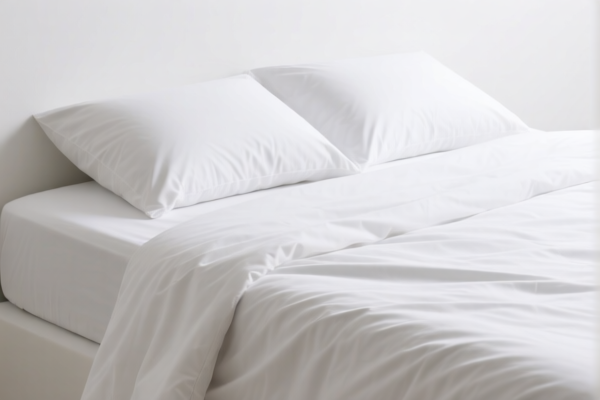
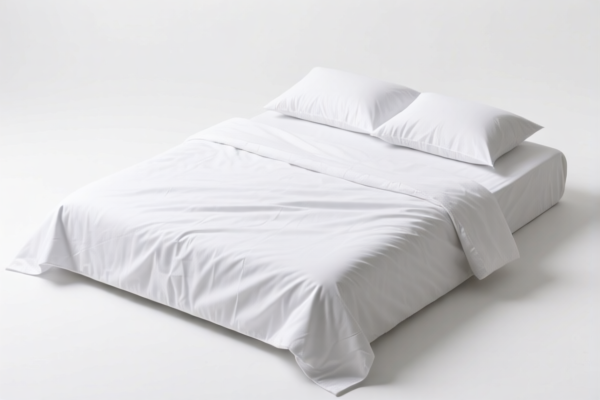
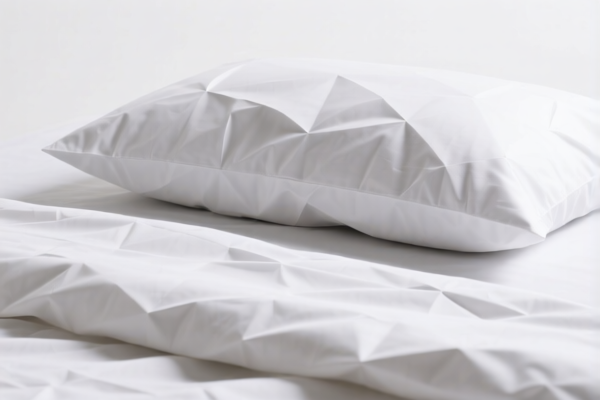
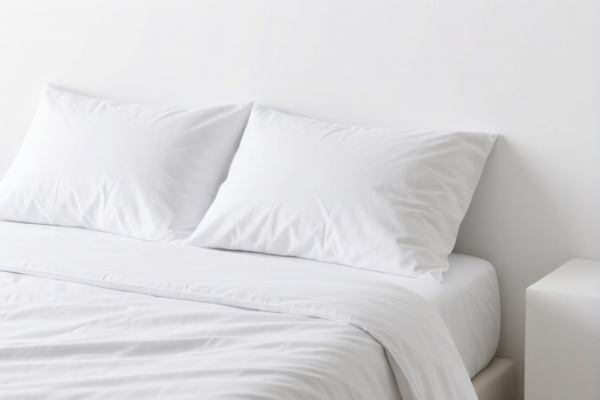
AI Analysis
🛏️ Baby Bed Sheet (Infant Bedding Sheets)
🌐 HS Code Reference & Customs Clearance Guide | 2026 Latest Tariff Analysis | Professional Transit Strategy
📌 I. Product Definition & Classification: Do You Really Know "Baby Bed Sheets"?
Baby bed sheets are essential textile consumables designed for infant care, typically used in cribs, bassinets, or changing stations. In international trade, their classification heavily depends on material composition and end-use scenario. There is a critical distinction between textile fabrics (cotton, polyester blends) and disposable/hygienic papers (non-woven, cellulose fibers), which leads to vastly different tariff treatments.
⚠️ Key Distinction Point:
- If the product is made of cellulose, paper pulp, or non-woven fabric for hygienic/disposable use → Classify under Chapter 48 (Paper Products)
- If the product is made of cotton, polyester, or other textiles for reusable bedding → Classify under Chapter 63 (Other Made-Up Textile Articles)
📦 II. HS Code Classification Details (2026 Latest Tariff Authority对照)
Based on the provided data, here are the four potential classifications for Baby Bed Sheets, depending on material inference:
| HS Code | Product Description | Material Inference | Use Case | Total Tax Rate |
|---|---|---|---|---|
4818.90.00.80 |
Sanitary/Hygienic Paper Products (Sheets) | Paper, Pulp, Cellulose | Disposable/Disposable-like hygiene items | 17.5% |
6302.21.90.20 |
Other Cotton Bedding (Printed) | Cotton (Most Common) | Reusable crib sheets, cotton blends | 24.2% |
4818.90.00.20 |
Sanitary/Hygienic Paper Products (Sheets) | Paper, Pulp, Cellulose | Hospital/Hygiene scenarios | 17.5% |
6302.31.90.20 |
Other Cotton Bedding (Printed) | Cotton | Reusable bedding, no conflict | 24.2% |
6307.90.89.95 |
Other Made-Up Textile Articles | Cotton/Fabric (General) | "Other" catch-all category | 17.0% |
🔍 Key Observation:
- Paper-based sheets (4818.xx) carry a lower total tax (17.5%).
- Cotton-based sheets (6302.xx) carry a higher total tax (24.2%).
- The "Other" category (6307.90.89.95) offers the lowest tax (17.0%), but requires justification as a non-standard textile article.
💰 III. 2026 Latest Tariff Rate Breakdown (Including Surtaxes & Policy Add-ons)
✅ Applicable Country: USA (US)
✅ Origin: China (CN)
✅ Effective Date: Post-November 10, 2025 (including subsequent imports)
🎯 1. 4818.90.00.80 & 4818.90.00.20 —— Paper/Cellosue Hygiene Sheets
| Item | Content |
|---|---|
| Basic Duty | 0.0% (ad valorem) |
| Section 301 Surtax | +7.5% (USITC Footnote) |
| IEEPA Surcharge (122 Clause) | +10% (Against China/HK products) |
| Total Tax Rate | 17.5% |
| Tax Calculation | CIF Value × 17.5% |
| De Minimis Eligibility | ❌ Not Eligible (High tariff threshold) |
| Legal Basis Path | IEEPA:9903.01.24 → USITC:4818.90.00.80/20 → FOOTNOTE:9903.88.01 |
📌 Explanation:
- Despite a 0% basic duty, the 17.5% effective rate is driven by trade remedies.
- Section 301 (7.5%) applies to paper products from China.
- IEEPA 10% applies broadly to Chinese goods.
- Result: Moderate cost impact, but lower than cotton textiles.
🎯 2. 6302.21.90.20 & 6302.31.90.20 —— Cotton Bedding Sheets
| Item | Content |
|---|---|
| Basic Duty | 6.7% (ad valorem) |
| Section 301 Surtax | +7.5% (USITC Footnote) |
| IEEPA Surcharge (122 Clause) | +10% (Against China/HK products) |
| Total Tax Rate | 24.2% |
| Tax Calculation | CIF Value × 24.2% |
| De Minimis Eligibility | ❌ Not Eligible |
| Legal Basis Path | IEEPA:9901.25 → IEEPA:9903.01.24 → USITC:6302.xx → FOOTNOTE:9903.88.01 |
📌 Explanation:
- Higher base duty (6.7%) compared to paper.
- Same surtaxes apply: 7.5% (301) + 10% (IEEPA).
- Result: Highest cost scenario. Cotton bedding is heavily taxed due to trade barriers.
🎯 3. 6307.90.89.95 —— Other Made-Up Textile Articles
| Item | Content |
|---|---|
| Basic Duty | 7.0% |
| Section 301 Surtax | 0.0% (No 301 surtax for this specific "other" category) |
| IEEPA Surcharge (122 Clause) | +10% |
| Total Tax Rate | 17.0% |
| Tax Calculation | CIF Value × 17.0% |
| De Minimis Eligibility | ❌ Not Eligible |
| Legal Basis Path | IEEPA:9901.25 → USITC:6307.90.89.95 |
📌 Explanation:
- Best Tariff Optimization!
- Although the basic duty is 7.0% (higher than paper's 0%), the Section 301 surtax is 0%.
- Only IEEPA 10% applies.
- Total: 17.0% — Lower than both paper (17.5%) and cotton bedding (24.2%).
- Requirement: Must justify as a non-standard textile article ("Other"), not standard bedding.
🛠️ IV. Customs Clearance Practical Advice (Battle-Tested Pitfall Guide)
✅ 1. Preparation Checklist (All Documents Required)
| Document | Mandatory | Notes |
|---|---|---|
| ✅ Product Specification Sheet | ✔️ | Must clearly state material composition (e.g., "100% Cotton" vs. "Cellulose Fiber") |
| ✅ Material Test Report | ✔️ | Critical to prove if it's paper/pulp or textile |
| ✅ Product Photos | ✔️ | Show texture, packaging, and any labels (e.g., "Disposable" vs. "Reusable") |
| ✅ Commercial Invoice | ✔️ | Describe as "Infant Bedding Sheet" or "Hygiene Paper Sheet" — be precise |
| ✅ Packing List | ✔️ | Match invoice exactly |
| ✅ Origin Certificate | ✔️ | To confirm Chinese origin for surtax calculation |
🔥 Pro Tip:
- If the sheet is reusable and soft, declare as Cotton Textile (6302).
- If the sheet is thin, paper-like, or disposable, declare as Paper Product (4818).
- If the sheet is textile but not standard bedding (e.g., specialized medical cover), try6307.90.89.95for lower tax.
✅ 2. Declaration Strategy (Golden Rules)
🔥 “Material First, Purpose Second, Code Precision Saves Money!”
| Scenario | Recommended HS Code | Reason |
|---|---|---|
| Reusable Cotton Crib Sheet | 6302.21.90.20 / 6302.31.90.20 |
Standard textile bedding |
| Disposable Paper/Non-woven Sheet | 4818.90.00.80 / 4818.90.00.20 |
Hygiene/Paper product |
| Special Textile Cover (Non-Standard) | 6307.90.89.95 |
Lowest Tax (17.0%), but needs justification |
⚠️ Warning:
- Do not misdeclare a cotton sheet as "paper" to get 17.5% tax — Customs may audit material and impose penalties + back taxes.
- Do not over-declare a paper sheet as "textile" — You pay 24.2% unnecessarily.
✅ 3. Special Cases
| Case | Handling Advice |
|---|---|
| Baby Hospital Gown/Sheet | Consider 4818.90.00.20 (Hygiene Paper) if disposable, or 6307.90.89.95 if textile. |
| Printed Cotton Sheet | Must use 6302.21.90.20 (Printed Cotton Bedding). |
| Non-Cotton Textile (e.g., Polyester) | Check if 6302.21.90.20 covers it; if not, use 6307.90.89.95 for lower tax. |
| Importing from Non-China Origin | IEEPA 10% may not apply — Check Free Trade Agreements (FTA). |
🌍 V. Global Market Comparison (2026 Latest)
| Country/Region | Recommended HS Code | Total Tax (China Origin) | Notes |
|---|---|---|---|
| 🇺🇸 USA | 6307.90.89.95 |
17.0% | Best Option if "Other Textile" qualifies |
| 🇺🇸 USA | 4818.90.00.80 |
17.5% | Good if paper-based |
| 🇺🇸 USA | 6302.21.90.20 |
24.2% | Highest cost for cotton |
| 🇨🇳 China | 6302.21.90.20 |
~7-9% | No US surtaxes, but watch domestic VAT |
| 🇪🇺 EU | 6302.21.90.20 |
~6.5% | No IEEPA/301 surtaxes |
📌 Conclusion:
- USA imposes heavy surtaxes on Chinese goods.
-6307.90.89.95is the strategic winner for textile sheets if you can justify it as "other made-up articles."
- Paper products are a solid backup with 17.5% total tax.
📌 VI. Common Errors & Pitfalls (Blood-Led Lessons)
❌ Error 1: Declaring a cotton sheet as paper (4818) to save tax.
👉 Consequence: Customs lab test proves it's cotton → Back taxes + 20% penalty.
❌ Error 2: Declaring a disposable paper sheet as textile (6302).
👉 Consequence: Overpaying 24.2% instead of 17.5% — Loss of profit margin.
❌ Error 3: Not specifying material on the invoice.
👉 Consequence: Customs assigns highest duty rate arbitrarily → 24.2% applied automatically.
❌ Error 4: Ignoring IEEPA 122 Clause.
👉 Consequence: Missing the 10% surcharge in declaration → Audit trigger.
✅ Correct Practice:
“Infant Bed Sheet, 100% Cotton, Printed, Reusable, Model XYZ” →
6302.21.90.20
“Disposable Hygiene Sheet, Cellulose Fiber, White, Pack of 50” →4818.90.00.80
“Special Medical Cover, Non-Woven Fabric, Custom Size” →6307.90.89.95
🎯 VII. Conclusion: Professional Declaration, Cost Optimization!
🎯 Remember the Rule:
🔹 “Paper: 17.5%, Cotton: 24.2%, Other Textile: 17.0% — Choose Wisely!”
🔹 “HS Code Defines Cost, Material Defines Code, Declaration Defines Compliance!”
📌 Pro Tip:
If your baby bed sheets are originally made in Vietnam or Mexico, you may qualify for IEEPA exemptions, reducing taxes to 0-5%.
Consider Advance Ruling (Pre-Classification) with US Customs to confirm the best HS Code for your specific product.
📣 Immediate Action:
📞 Contact a licensed customs broker + Provide material test report + Apply for HS Code Pre-Ruling
🚀 Ensure smooth customs clearance, optimize tariff costs, and maximize your profit!
✨ Professional Clearance Starts with Accurate Classification!
💼 Every Dollar Saved is a Dollar Earned!
Customer Reviews
About HS Code Classification
The Harmonized System (HS) is an internationally standardized nomenclature developed by the World Customs Organization (WCO) to classify traded products. Over 200 countries use the HS system as the basis for customs tariffs, trade statistics, and import/export regulations.
Each HS code follows a hierarchical structure:
- Chapter (2 digits) — Broad category of goods (e.g., Chapter 84: Machinery and Mechanical Appliances)
- Heading (4 digits) — More specific grouping within the chapter
- Subheading (6 digits) — Internationally standardized breakdown, used by all WCO member countries
- National subdivisions (8-10 digits) — Country-specific extensions for further classification, such as US HTSUS 10-digit codes
Correct HS code classification is essential for smooth customs clearance, accurate duty payment, and compliance with trade regulations. Misclassification can lead to customs delays, overpayment of duties, or penalties.
When importing from CN to US, the applicable tariff rates may include:
- Most-Favored-Nation (MFN) rate — The standard duty rate applied to WTO members
- General rate — Applied to countries without trade agreements
- Trade remedy duties — Additional tariffs such as Section 301 (anti-dumping), Section 232 (national security), or countervailing duties
The information provided on this page is for reference purposes only. For official classification, please consult with your local customs authority or a licensed customs broker.