Baby Bib
CN → US| HS Code | Tariff Rate | Origin | Destination | Doc |
|---|---|---|---|---|
| 9618000000 | 21.9% | CN | US | Official Doc |
| 6216000000 | 0.0% | CN | US | Official Doc |
| 3926909010 | 0.0% | CN | US | Official Doc |
| 3926209010 | 40.0% | CN | US | Official Doc |
| 6111206020 | 25.6% | CN | US | Official Doc |
| 6111206070 | 25.6% | CN | US | Official Doc |
Product Images
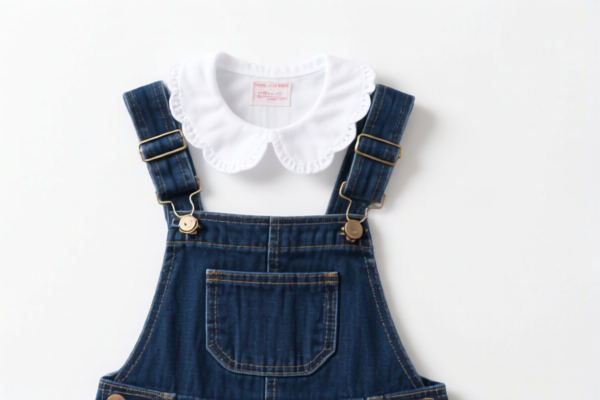
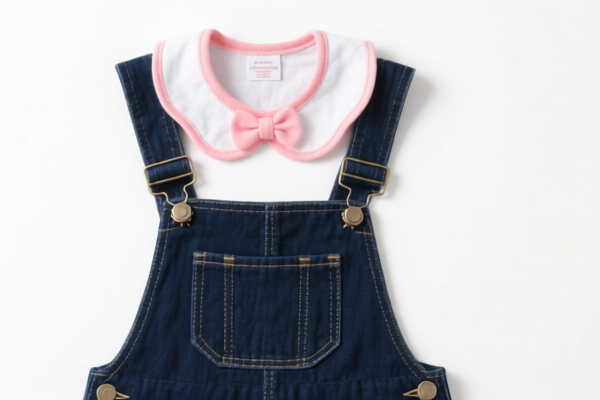
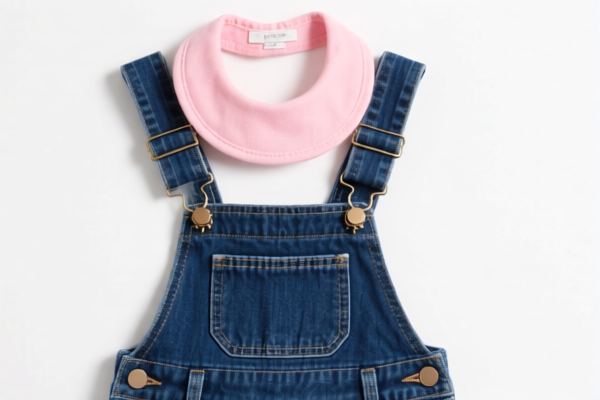
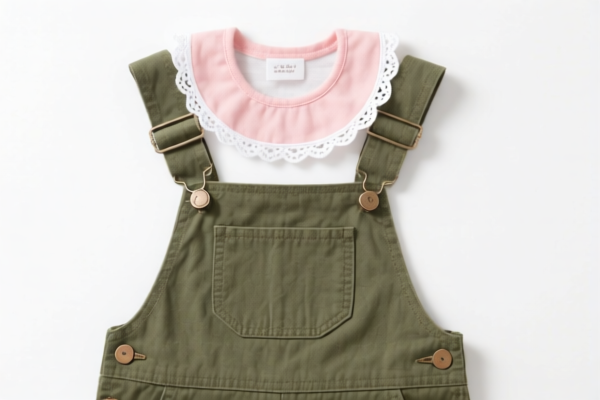
AI Analysis
👶 Baby Bibs (Infant Garments)
🌐 HS Code Reference & Customs Clearance Guide | 2026 Latest Tariff Analysis | Professional Entry Strategy
📌 I. Product Definition & Classification: Do You Really Understand "Baby Bibs"?
A baby bib is a small garment or accessory worn by infants and toddlers to protect their clothing from food spills. In international trade, classification depends heavily on the material, knitted/crocheted status, and intended use. While bibs are often part of a set or made of various fabrics, the most common commercial classification for standard baby bibs (especially cotton) falls under Chapter 61 (Knitted/Crocheted) or Chapter 62 (Non-Knitted).
⚠️ Key Distinction:
- If the bib is knitted or crocheted and made of cotton, it is generally classified under Headings 6111.
- If it is a set containing multiple bibs, it may fall under specific "Set" subheadings.
- If it is non-knitted (woven) or made of other materials (e.g., plastic, synthetic), it may fall under Chapter 62 or Chapter 39/63.
📦 II. HS Code Classification Details (Based on Provided Data)
Based on the provided dataset, here are the applicable HS Codes for Baby Bibs and related items. Note that the data provided includes specific subheadings for cotton, knitted/crocheted baby garments.
| HS Code | Product Description | Material/Type | Tax Rate (Total) | Notes |
|---|---|---|---|---|
| 6111.20.60.20 | Babies' garments and clothing accessories, knitted or crocheted: Of cotton: Other: Other Sets | Cotton, Knitted/Crocheted, Sets | 0.0% | Applies to sets of baby garments/bibs. |
| 6111.20.60.70 | Babies' garments and clothing accessories, knitted or crocheted: Of cotton: Other: Other Other: Other | Cotton, Knitted/Crocheted, Single/Other | 0.0% | Applies to individual bibs or non-set items. |
| 6216.00.00.00 | Other garments and clothing accessories, not elsewhere specified or included | Various | Error | Tax info failed. Likely for non-knitted bibs. |
| 3926.90.90.10 | Other articles of plastics: Other: Other | Plastic | Error | Tax info failed. For plastic bibs/aprons. |
| 3926.20.90.10 | Other articles of plastics: Articles of apparel and clothing accessories... Other: Other Aprons | Plastic | 30.0% | Applies to plastic aprons/bibs. High tariff! |
| 9618.00.00.00 | Tailors' dummies and other mannequins... | Display Items | 0.0% | Not a product, but for shop displays. |
🔍 Important Note:
- The dataset explicitly lists 6111.20.60.20 and 6111.20.60.70 for cotton, knitted/crocheted baby bibs/garments.
- If your bibs are made of plastic (e.g., silicone or vinyl feeding bibs), they may fall under 3926.20.90.10 with a 30% total tax.
- Woven (non-knitted) bibs may fall under 6216.00.00.00, but tax info is unavailable in the dataset.
💰 III. 2026 Latest Tariff Rate Details (Including Additional Taxes)
✅ Applicable Country: United States (US)
✅ Origin: China (CN)
✅ Effective Time: Current rates apply
🎯 1. 6111.20.60.20 & 6111.20.60.70 —— Cotton, Knitted/Crocheted Baby Bibs (Garments)
| Item | Details |
|---|---|
| Base Tariff | 0.0% |
| Additional Tariff | 0.0% |
| Total Tax Rate | 0.0% |
| Tax Calculation | CIF Value × 0% = $0 |
| De Minimis Eligibility | ✅ Yes (if value < $800) |
| Legal Basis | HTSUS 6111.20.60.20/70 |
📌 Explanation:
- Baby garments made of cotton, knitted or crocheted, enjoy a 0% tariff.
- This includes sets (6111.20.60.20) and individual items (6111.20.60.70).
- Zero tax makes this category highly competitive for importers.
🎯 2. 3926.20.90.10 —— Plastic Aprons / Bibs
| Item | Details |
|---|---|
| Base Tariff | 5.0% |
| Additional Tariff | 25.0% |
| Total Tax Rate | 30.0% |
| Tax Calculation | CIF Value × 30% |
| De Minimis Eligibility | ❌ No (High tariff items often excluded) |
| Legal Basis | HTSUS 3926.20.90.10 |
📌 Warning:
- If your "bib" is made of plastic (e.g., silicone, PVC), it may be classified as an apron under 3926.20.90.10.
- This incurs a 30% total tax, which is significantly higher than cotton bibs.
- Misclassification here can lead to severe penalties and back-taxes.
🎯 3. 6216.00.00.00 —— Other Garments (Non-Knitted)
| Item | Details |
|---|---|
| Base Tariff | Unknown |
| Total Tax Rate | Error |
| Action Required | Check with customs broker for accurate rate. |
📌 Note:
- If your bibs are woven (not knitted), they may fall under this code.
- Tax information is unavailable in the dataset. Consult a professional for accurate classification.
🛠️ IV. Customs Clearance Practical Advice (Real-World Pitfall Avoidance)
✅ 1. Preparation Checklist (Must-Have Documents)
| Document | Required? | Explanation |
|---|---|---|
| ✅ Product Specification Sheet | ✔️ | Must clearly state: Material (Cotton, Plastic, etc.), Construction (Knitted, Woven), Intended Use (Baby Bib). |
| ✅ Photos of Product | ✔️ | Show the bib, label, and any packaging. |
| ✅ Commercial Invoice | ✔️ | Clearly describe the item as "Baby Bibs, Cotton, Knitted" or "Plastic Feeding Bibs". |
| ✅ Packing List | ✔️ | Detail quantities, weights, and dimensions. |
| ✅ Labeling | ✔️ | Include care labels, material content, and country of origin. |
✅ 2. Classification Strategy (Key Tips)
🔥 "Cotton Knitted = 0%, Plastic = 30%, Woven = Check!"
| Scenario | Correct HS Code | Tax Rate | Risk Level |
|---|---|---|---|
| Cotton, Knitted Bibs (Single) | 6111.20.60.70 |
0% | ✅ Low |
| Cotton, Knitted Bibs (Set) | 6111.20.60.20 |
0% | ✅ Low |
| Plastic/Silicone Bibs | 3926.20.90.10 |
30% | ⚠️ High |
| Woven (Non-Knitted) Bibs | 6216.00.00.00 |
Unknown | ⚠️ Medium (Verify) |
✅ 3. Special Considerations
| Situation | Advice |
|---|---|
| Mixed Material Bibs | If a bib has a cotton front and plastic backing, classify based on the primary material or essential character. Consult a broker. |
| Bibs with Toys Attached | If the bib has a teether toy, it may be classified as a toy or accessory, changing the HS Code. |
| Plastic "Bibs" | Do not misclassify plastic bibs as cotton to avoid the 30% tax. Customs may inspect and penalize. |
| Sets vs. Single Items | Clearly declare if items are sold as sets (multiple bibs in one package) to use 6111.20.60.20. |
🌍 V. Global Market Comparison (2026 Latest)
| Country/Region | Recommended HS Code | Tariff | Certification | Notes |
|---|---|---|---|---|
| 🇺🇸 USA | 6111.20.60.70 (Cotton) |
0% | CPSIA (Safety) | 0% for cotton, knitted. |
| 🇺🇸 USA | 3926.20.90.10 (Plastic) |
30% | CPSIA (Safety) | High tax for plastic bibs. |
| 🇪🇺 EU | 6111.20.60 (Cotton) |
0-4% | CE, EN71 | Low tax for cotton. |
| 🇨🇳 China | 6111.20.60 (Cotton) |
0-8% | CCC | Varies by material. |
| 🇯🇵 Japan | 6111.20.60 (Cotton) |
0% | ST Mark | Low tax for baby clothes. |
📌 Conclusion:
- USA offers 0% tariff for cotton, knitted baby bibs.
- Plastic bibs face a 30% tariff in the USA.
- Ensure accurate material declaration to avoid misclassification and high taxes.
📌 VI. Common Mistakes & Pitfalls (Lessons Learned)
❌ Mistake 1: Classifying plastic bibs as cotton to save taxes.
👉 Consequence: Customs inspection reveals discrepancy → Back taxes + fines.
❌ Mistake 2: Failing to declare sets correctly.
👉 Consequence: Misclassification under single-item codes → Potential audit.
❌ Mistake 3: Ignoring safety certifications (CPSIA for USA).
👉 Consequence: Product detained or rejected at customs.
❌ Mistake 4: Using vague descriptions like "Baby Cloth".
👉 Consequence: Customs may assign wrong HS Code → Higher tax or delays.
✅ Correct Practice:
"Baby Bibs, 100% Cotton, Knitted, Pack of 3, Model XYZ, CPSIA Compliant"
🎯 VII. Conclusion: Professional Declaration, Save Time & Money!
🎯 Remember:
🔹 "Cotton Knitted = 0%, Plastic = 30%, Woven = Verify!"
🔹 "Accurate material declaration is key to low taxes!"
🔹 "Safety certifications are mandatory for baby products!"
📌 Pro Tip:
If your bibs are plastic, consider re-evaluating your supplier or pricing strategy due to the 30% tariff. For cotton bibs, you are in a competitive position with 0% tax.
📣 Immediate Action:
📞 Contact a customs broker to confirm HS Code for your specific product.
🚀 Ensure CPSIA compliance for USA imports.
💼 Your baby bibs, cleared smoothly, profit maximized!
✨ Professional clearance starts with accurate classification!
💼 Every dollar saved is a dollar earned!
Customer Reviews
About HS Code Classification
The Harmonized System (HS) is an internationally standardized nomenclature developed by the World Customs Organization (WCO) to classify traded products. Over 200 countries use the HS system as the basis for customs tariffs, trade statistics, and import/export regulations.
Each HS code follows a hierarchical structure:
- Chapter (2 digits) — Broad category of goods (e.g., Chapter 84: Machinery and Mechanical Appliances)
- Heading (4 digits) — More specific grouping within the chapter
- Subheading (6 digits) — Internationally standardized breakdown, used by all WCO member countries
- National subdivisions (8-10 digits) — Country-specific extensions for further classification, such as US HTSUS 10-digit codes
Correct HS code classification is essential for smooth customs clearance, accurate duty payment, and compliance with trade regulations. Misclassification can lead to customs delays, overpayment of duties, or penalties.
When importing from CN to US, the applicable tariff rates may include:
- Most-Favored-Nation (MFN) rate — The standard duty rate applied to WTO members
- General rate — Applied to countries without trade agreements
- Trade remedy duties — Additional tariffs such as Section 301 (anti-dumping), Section 232 (national security), or countervailing duties
The information provided on this page is for reference purposes only. For official classification, please consult with your local customs authority or a licensed customs broker.