Baby Bottle Handle
CN → US| HS Code | Tariff Rate | Origin | Destination | Doc |
|---|---|---|---|---|
| 4016991000 | 20.8% | CN | US | Official Doc |
| 4016990500 | 20.9% | CN | US | Official Doc |
| 7326190080 | 87.9% | CN | US | Official Doc |
| 7326908688 | 87.9% | CN | US | Official Doc |
Product Images
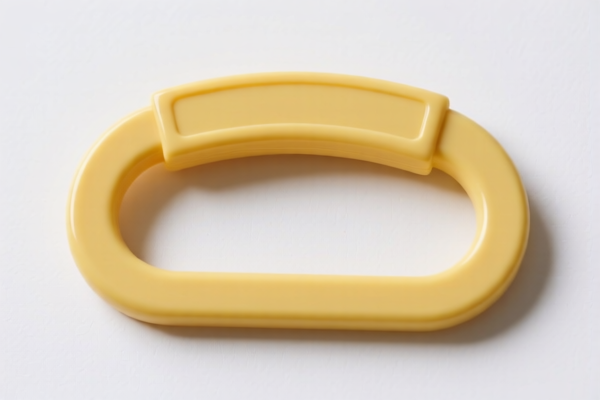
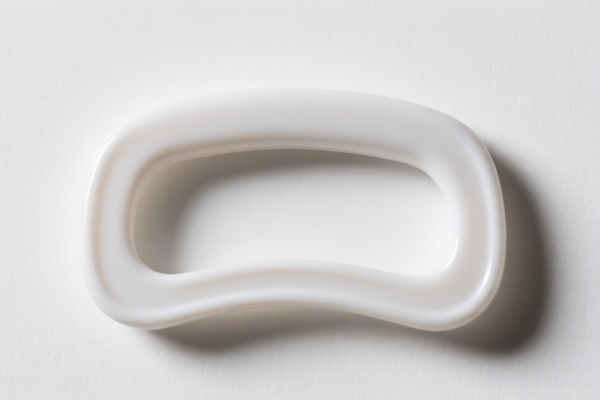
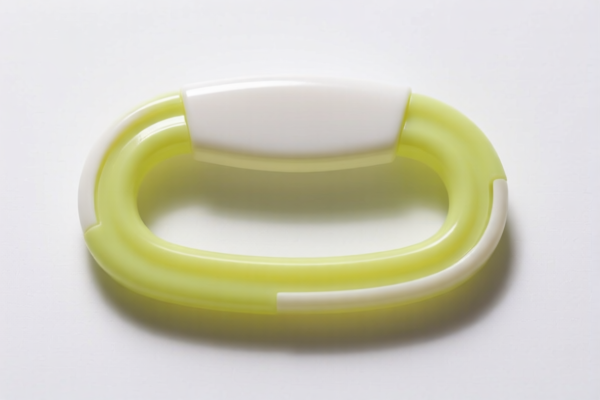
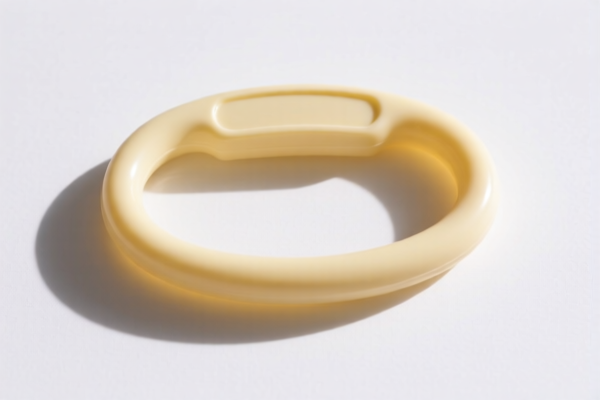
AI Analysis
🍼 Baby Bottle Handle – HS Code & Tariff Guide 2026 | Full Customs Clearance Breakdown
🌐 HS Code Reference & Customs Clearance Strategy | 2026 Updated Tariff Rules | Expert-Level Compliance Guide
📌 1. Product Definition & Classification: What Exactly Is a "Baby Bottle Handle"?
A baby bottle handle is a rubber or plastic grip attached to a baby bottle to make it easier for infants or caregivers to hold. It is typically made of vulcanized rubber (soft, flexible, heat-resistant) and designed for ergonomic use during feeding.
⚠️ Critical Distinction:
- If the handle is made of vulcanized rubber and not part of a larger product (like a full bottle), it is classified as a separate accessory. - It is not considered part of the bottle itself, nor is it a household item used for general purposes.✅ Key Classification Rule:
- Handles and knobs made of vulcanized rubber (other than hard rubber) fall under 4016.99.10.00 — not under general household articles.
📦 2. HS Code Classification Summary (2026 Official Tariff Table)
| HS Code | Product Description | Applicable Use Case | Material Type | Tax Status |
|---|---|---|---|---|
4016.99.10.00 |
Other articles of vulcanized rubber (other than hard rubber): Handles and knobs | Baby bottle handles, teething rings, rubber grips | Vulcanized rubber (soft, flexible) | ✅ Subject to high tariffs |
4016.99.05.00 |
Other articles of vulcanized rubber: Household articles not elsewhere specified | Kitchen spatulas, rubber mats, general rubber household items | Vulcanized rubber | ❌ No additional tariffs |
7326.19.00.80 |
Iron or steel: Forged or stamped, but not further worked: Other | Steel parts, metal fittings, non-machined hardware | Iron/steel (forged/stamped) | ⚠️ High tariff due to steel/iron rules |
7326.90.86.88 |
Iron or steel: Other: Other: Other | Miscellaneous iron/steel components | Iron/steel | ⚠️ High tariff due to steel/iron rules |
🔍 Why This Matters:
- Baby bottle handles made of vulcanized rubber are not household items — they are specifically designed for infant feeding. - Therefore, they must not be classified under4016.99.05.00(general household articles), even if they look like "household items".
💰 3. 2026 Tariff Breakdown (US Market | China Origin)
✅ Target Country: United States (US)
✅ Origin: China (CN)
✅ Effective Date: November 10, 2025 (inclusive)
🎯 1. 4016.99.10.00 — Handles and Knobs (Vulcanized Rubber)
| Item | Detail |
|---|---|
| Base Tariff | 3.3% (ad valorem) |
| Additional Tariff (Section 301) | +7.5% (from USITC, per 301 Tariff List) |
| Total Effective Tariff | 10.8% |
| Tax Calculation | CIF Value × 10.8% |
| De Minimis Threshold | ❌ Not eligible (denied under US 301 policy) |
| Legal Basis Path | USITC:4016.99.10.00 → FOOTNOTE:9903.88.01 → 301 LIST:301-11.02 |
📌 Explanation:
- This code applies only to handles and knobs made of vulcanized rubber, not hard rubber. - The 7.5% additional tariff comes from the U.S. Section 301 Trade Act targeting Chinese imports deemed to have unfair trade practices. - No duty-free status — even small quantities are subject to full 10.8%. - No de minimis exemption — unlike some other goods, this item cannot bypass tariffs under the $800 threshold.
🎯 2. 4016.99.05.00 — Household Articles (Not Elsewhere Specified)
| Item | Detail |
|---|---|
| Base Tariff | 0.0% |
| Additional Tariff | 0.0% |
| Total Effective Tariff | 0.0% |
| Tax Calculation | CIF Value × 0.0% |
| De Minimis Threshold | ✅ Eligible (if under $800) |
| Legal Basis Path | USITC:4016.99.05.00 → FOOTNOTE:9903.88.01 |
📌 Why This Is Wrong for Baby Bottle Handles:
- This code is for general household rubber items like rubber mats, pot holders, or kitchen tools. - Baby bottle handles are not "household articles" in the tariff sense — they are specifically designed for infant feeding. - Misclassification risk: If declared under this code, customs may reclassify it to4016.99.10.00→ back taxes + penalties.
🎯 3. 7326.19.00.80 — Forged/Stamped Iron/Steel Parts (Other)
| Item | Detail |
|---|---|
| Base Tariff | 2.9% |
| Additional Tariff (Steel/Aluminum/ Copper) | +25.0% |
| Section 301 Additional Tariff | +50.0% (for steel, aluminum, copper products) |
| Total Effective Tariff | 77.9% |
| Tax Calculation | CIF Value × 77.9% |
| De Minimis Threshold | ❌ Not eligible |
| Legal Basis Path | USITC:7326.19.00.80 → FOOTNOTE:9903.88.01 → 301 LIST:301-11.02 |
📌 When This Applies:
- Only if the handle is made of iron or steel (e.g., metal-forged handle). - Extremely rare for baby bottles — but possible in high-end or industrial-grade bottles. - 77.9% tariff is extremely punitive — avoid this classification unless the product is truly metal.
🎯 4. 7326.90.86.88 — Other Iron/Steel Articles (Miscellaneous)
| Item | Detail |
|---|---|
| Base Tariff | 2.9% |
| Additional Tariff (Steel/Aluminum/Copper) | +25.0% |
| Section 301 Additional Tariff | +50.0% |
| Total Effective Tariff | 77.9% |
| Tax Calculation | CIF Value × 77.9% |
| De Minimis Threshold | ❌ Not eligible |
| Legal Basis Path | USITC:7326.90.86.88 → FOOTNOTE:9903.88.01 → 301 LIST:301-11.02 |
📌 When This Applies:
- For non-standard iron/steel parts not covered by other subheadings. - Not applicable to rubber baby bottle handles — but dangerous if misclassified.
🛠️ 4. Customs Clearance Best Practices (Pro Tips for Exporters & Importers)
✅ 1. Required Documentation (Must-Have)
| Document | Required? | Why It Matters |
|---|---|---|
| ✅ Product Specification Sheet | ✔️ | Must state: "Vulcanized rubber baby bottle handle, not part of bottle" |
| ✅ Material Certificate (Rubber) | ✔️ | Prove it's vulcanized rubber, not hard rubber or plastic |
| ✅ Product Photos (Clear, with scale) | ✔️ | Show grip shape, attachment point, material texture |
| ✅ Commercial Invoice | ✔️ | Must include: "Baby bottle handle, vulcanized rubber, HS 4016.99.10.00" |
| ✅ Certificate of Origin (CO) | ✔️ | Required for tariff eligibility |
| ✅ Third-Party Test Report (e.g., FDA, REACH, RoHS) | ✔️ | Prove safety for infant use |
| ✅ Packing List | ✔️ | Show handle-only packaging (no bottles included) |
✅ 2.申报技巧(Key Rules to Remember)
🔥 "Handle ≠ Household! Rubber ≠ Plastic! 4016.99.10.00 is the only correct code!"
| Scenario | Correct HS Code | Wrong Code | Risk |
|---|---|---|---|
| Rubber handle for baby bottle | 4016.99.10.00 |
4016.99.05.00 |
Reclassification → 10.8% tax + penalties |
| Metal handle (forged steel) | 7326.19.00.80 |
4016.99.10.00 |
Overpaying 67% in tariffs |
| Handle + bottle in one package | Declare as "Handle" only | Split into two items | Higher risk of audit |
| Handle made of plastic | 3926.90.90.00 |
4016.99.10.00 |
Wrong material → misclassification |
✅ 3. Special Cases & Risk Mitigation
| Situation | Recommended Action |
|---|---|
| Handle is part of a bottle set | Declare as "Accessory" with clear description: "Baby bottle handle, separate component" |
| Handle has branding or logo | Include brand name in invoice — no issue, but avoid "bottle" in description |
| Handle made in Vietnam/Mexico | May qualify for IEEPA exemption — 0% tariff if origin is non-China |
| Small shipment (<$800) | Still pay 10.8% — no de minimis for this code |
| Customs audit risk | Prepare pre-approval request for HS Code classification |
🌍 5. Global Market Tariff Comparison (2026)
| Country | Recommended HS Code | Tariff | Certification Required | Notes |
|---|---|---|---|---|
| 🇺🇸 USA | 4016.99.10.00 |
10.8% (China origin) | FDA, REACH, RoHS | No de minimis |
| 🇨🇳 China | 4016.99.10.00 |
5% | CCC | No additional tariffs |
| 🇪🇺 EU | 4016.99.10.00 |
0% (if CE) | CE, REACH | No 301 tariffs |
| 🇦🇺 Australia | 4016.99.10.00 |
5% | RCM | No additional tariffs |
| 🇯🇵 Japan | 4016.99.10.00 |
0% | PSE | No 301 tariffs |
📌 Insight:
- USA is the only market with a 10.8% tariff on this item. - China, EU, Japan, Australia have no additional tariffs — ideal for export.
📌 6. Common Mistakes & How to Avoid Them (Real-World Examples)
❌ Mistake 1: Declaring baby bottle handle as "rubber kitchen tool" under 4016.99.05.00
👉 Result: Customs reclassifies to 4016.99.10.00 → back taxes + interest + penalty
❌ Mistake 2: Using "household item" in invoice description
👉 Result: Customs flags for misclassification → delayed clearance
❌ Mistake 3: Not including material proof (e.g., rubber type)
👉 Result: Customs requests clarification → delay or rejection
✅ Correct Description Example:
"Baby bottle handle, vulcanized rubber, non-hard rubber, for infant feeding, not part of bottle, HS 4016.99.10.00, FDA & REACH compliant"
🎯 7. Final Verdict: Get It Right the First Time!
🎯 Golden Rule:
🔹 "If it's a rubber handle for a baby bottle — use
4016.99.10.00— no exceptions!"
🔹 "Don’t call it a 'household item' — it’s a baby product!"
🔹 "10.8% tariff in the US — no de minimis — plan for it!"
📌 Pro Tip:
✅ Apply for a Pre-Clearance Ruling (Advance Ruling) from U.S. Customs before shipment.
✅ Use a licensed customs broker with experience in infant product classification.
📣 Take Action Now!
📞 Contact a certified customs broker + provide product photos + request HS Code pre-approval
🚀 Avoid delays, penalties, and surprise tariffs — ship with confidence!
✨ Precision Classification = Smooth Customs Clearance = Profit Protection!
💼 Your baby product deserves the best — start with the right HS Code!
Customer Reviews
About HS Code Classification
The Harmonized System (HS) is an internationally standardized nomenclature developed by the World Customs Organization (WCO) to classify traded products. Over 200 countries use the HS system as the basis for customs tariffs, trade statistics, and import/export regulations.
Each HS code follows a hierarchical structure:
- Chapter (2 digits) — Broad category of goods (e.g., Chapter 84: Machinery and Mechanical Appliances)
- Heading (4 digits) — More specific grouping within the chapter
- Subheading (6 digits) — Internationally standardized breakdown, used by all WCO member countries
- National subdivisions (8-10 digits) — Country-specific extensions for further classification, such as US HTSUS 10-digit codes
Correct HS code classification is essential for smooth customs clearance, accurate duty payment, and compliance with trade regulations. Misclassification can lead to customs delays, overpayment of duties, or penalties.
When importing from CN to US, the applicable tariff rates may include:
- Most-Favored-Nation (MFN) rate — The standard duty rate applied to WTO members
- General rate — Applied to countries without trade agreements
- Trade remedy duties — Additional tariffs such as Section 301 (anti-dumping), Section 232 (national security), or countervailing duties
The information provided on this page is for reference purposes only. For official classification, please consult with your local customs authority or a licensed customs broker.