Baby Carrier
CN → US| HS Code | Tariff Rate | Origin | Destination | Doc |
|---|---|---|---|---|
| 4202923131 | 52.6% | CN | US | Official Doc |
| 4202923900 | 52.6% | CN | US | Official Doc |
| 9503000090 | 10.0% | CN | US | Official Doc |
Product Images

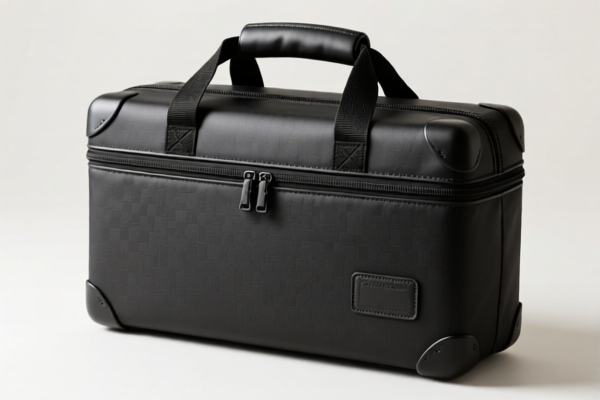

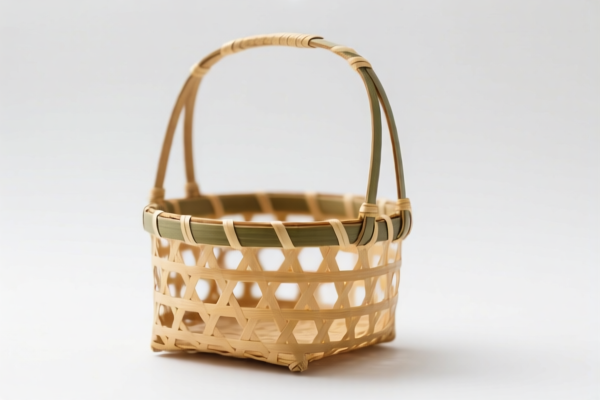
AI Analysis
🍼🏔️ Baby Carrier: The Ultimate Global HS Code & Customs Guide (2026)
🌐 HS Code Reference & Customs Strategy | 2026 Latest Tariff Breakdown | Professional Clearance Tactics
📌 I. Product Definition: Is Your "Baby Carrier" a Bag or a Toy?
The Baby Carrier is a versatile product used by parents to transport infants and toddlers hands-free. In international trade, its classification is a high-stakes game of "Intention vs. Form": * Category A (Travel Gear): If the carrier is primarily designed for carrying the child as a load (like a backpack or sling), it falls under Luggage & Bags. * Category B (Toy/Accessory): If it is marketed specifically as a toy accessory, doll carrier, or novelty item without standard safety/load-bearing features, it falls under Toys.
⚠️ Critical Distinction: - Functional Carrying Device → Likely 4202.92 (Travel Bags). - Novelty/Doll Accessory → Likely 9503.00 (Toys). The tax difference is massive: 52.6% vs. 10%!
📦 II. HS Code Classification Matrix (2026 Official Data)
Based on the latest trade data, here is the authoritative breakdown for Baby Carriers:
| HS Code | Product Description | Logic & Application | Material Requirement |
|---|---|---|---|
| 4202.92.31.31 | Baby Carrier (Specific Sub-category) | Classified under "Travel, Sports & Similar Bags". Fits the logic of carrying gear made of textile materials. | Textile Surface |
| 4202.92.39.00 | Baby Carrier (General Sub-category) | Classified under "Other Travel/Sports Bags". Fits the material & usage path if not specific to the sub-category above. | Textile Surface |
| 9503.00.00.90 | Baby Carrier (Toy/Accessory Category) | Classified as "Toy/Doll Accessories". Fits the "Other" category for unlisted toys with no material conflict. | No specific textile requirement |
🔍 Key Insight: - Codes 4202.92... are for real, functional baby carriers (Ergonomic, safety belts, weight-bearing). - Code 9503.00... is for novelty items (e.g., plastic doll carriers, "play" carriers, or items marketed as toys for dolls).
💰 III. 2026 Tax Rate Deep Dive (China Origin → US Market)
✅ Origin: China (CN)
✅ Destination: United States (US)
✅ Effective Date: Includes all measures active in 2025-2026
🎯 Scenario A: The "High Tax" Path (Functional Carrier)
Target HS Codes: 4202.92.31.31 & 4202.92.39.00
Total Tariff Rate: 52.6%
| Tax Component | Rate | Legal Basis & Detail |
|---|---|---|
| Base Tariff | 17.6% | Standard Most-Favored-Nation (MFN) rate for textile bags. |
| Section 301 (Additional) | 25.0% | "Additional 301 Tariff" imposed on specific Chinese goods (Section 301 Decision). |
| 122-Clause Tariff | 10.0% | Specific Section 122 provision tariff applied to China-origin textiles/bags. |
| TOTAL TAX | 52.6% | (17.6% + 25.0% + 10.0%) |
📌 Explanation: - 17.6% is the standard duty for "other bags". - 25.0% is the aggressive trade war tariff on Chinese textile goods. - 10.0% is a specific penalty tariff (Clause 122) targeting China-origin bags. - Result: If you ship a functional baby carrier from China to the US, you pay over half the value in taxes alone!
🎯 Scenario B: The "Low Tax" Path (Toy/Accessory)
Target HS Code: 9503.00.00.90
Total Tariff Rate: 10.0%
| Tax Component | Rate | Legal Basis & Detail |
|---|---|---|
| Base Tariff | 0.0% | Toys are generally duty-free (Zero MFN). |
| Section 301 (Additional) | 0.0% | No additional 301 tariff applied to this specific toy classification. |
| 122-Clause Tariff | 10.0% | Still subject to the 10% Clause 122 tariff. |
| TOTAL TAX | 10.0% | (0.0% + 0.0% + 10.0%) |
📌 Explanation: - The Base Tariff is 0% because toys are exempt. - The 301 Tariff is 0% because this specific toy code is not targeted by the Section 301 list. - Only the 10% Clause 122 tariff remains. - Result: A massive cost saving! 52.6% vs 10% = 42.6% savings!
🛠️ IV. Customs Clearance Strategy & Pitfall Avoidance
✅ 1. Material & Design Audit (Crucial Step)
| Feature | Classification Outcome | Recommendation |
|---|---|---|
| Ergonomic Design, Safety Straps, Weight-Bearing | 4202.92.x (High Tax) |
Avoid if possible. Consider re-classifying marketing focus or sourcing from non-China regions. |
| Plastic Toy, Doll Carrier, "Play" Item | 9503.00.90 (Low Tax) |
Ideal. Ensure marketing materials explicitly state "Toy" or "Doll Accessory". |
| Mixed Use (Real Carrier + Toy Packaging) | Risk of Audit | Separate shipments. Do not market a functional carrier as a toy to avoid "False Declaration". |
✅ 2.申报技巧 (Declaration Tips)
🔥 "Intent is Key: Real Carrier = Bag; Toy Carrier = Toy"
| Scenario | Correct Declaration | Risk if Wrong |
|---|---|---|
| Real Baby Carrier (Textile, Safety Belt) | HS 4202.92.31.31 |
Declaring as Toy → Customs Seizure + Fraud Charges |
| Doll Carrier (Plastic/Novelty) | HS 9503.00.00.90 |
Declaring as Bag → Overpaying 42.6% |
| Generic "Carrier" (Ambiguous) | Provide Usage Photo & Marketing Brochure | Ambiguity leads to Delayed Clearance |
✅ 3. Special Situation Handling
| Situation | Action Plan |
|---|---|
| OEM Brand with "Baby Carrier" in Name | Provide a User Manual showing it is for carrying doll or toy, not real infants. |
| High-End Ergonomic Carrier | Accept the 52.6%. Do not try to misclassify. The risk of audit is too high. |
| Multi-Product Shipment | Split: Ship functional carriers under 4202 and doll carriers under 9503. |
🌍 V. Global Market Comparison (2026)
| Region | Best HS Code | Est. Total Tax | Strategy |
|---|---|---|---|
| 🇺🇸 USA (China Origin) | 4202.92 (High) vs 9503 (Low) |
52.6% vs 10% | Crucial: Only use 9503 for toys. Real carriers face high tariffs. |
| 🇪🇺 EU (China Origin) | 4202.92 |
~10-12% | No 301/122 clauses. Real carriers are cheaper in EU. |
| 🇨🇳 China (Domestic) | 4202.92 |
~17.6% | Base tariff only. No export penalties. |
| 🇯🇵 Japan (China Origin) | 4202.92 |
~8-10% | Low base tariff. No aggressive add-ons. |
📌 Conclusion: - The US market is the only one where the 52.6% penalty (Bag) vs 10% (Toy) distinction is life-changing. - For real baby carriers, the US tax burden is extreme. Consider supply chain diversification (e.g., Vietnam, Mexico) to avoid 122-Clause and 301 penalties.
📌 VI. Common Errors & Pitfalls (Lessons Learned)
❌ Error 1: Marketing a functional ergonomic carrier as a "Toy Carrier" to avoid tax. 👉 Consequence: Customs Fraud. If the carrier has safety belts for real infants, the 122-Clause and 301 tariffs will apply, plus fines.
❌ Error 2: Assuming all textile bags are taxed the same. 👉 Consequence: Missing the 122-Clause (10%) addition. The total isn't just 17.6%; it's 52.6%.
❌ Error 3: Not providing the "Summary" logic in customs docs. 👉 Consequence: Delay. Customs officers need to see: "Textile material, travel bag usage" (for 4202) OR "Toy, no material conflict" (for 9503).
✅ Correct Strategy:
"Functional Carrier: HS 4202.92 (Expect 52.6%)" "Doll/Novelty Carrier: HS 9503.00 (Expect 10%)" Do not mix these claims.
🎯 VII. Final Verdict: Strategic Action Plan
🎯 For Real Baby Carriers:
"The 52.6% tax is a hard cost. You cannot avoid it legally. Action: Optimize supply chain (move production to non-China hubs) or raise product price to absorb the cost."
🎯 For Toy/Doll Carriers:
"The 10% tax is manageable. Action: Ensure marketing clearly states 'Toy Accessory' and 'Not for real infant use' to stay in 9503."
📌 Pro Tip:
If your product is a "hybrid" (looks like a toy but works for real babies), consult a customs broker immediately. Misclassification can lead to seizure of goods and blacklisting.
📣 Immediate Action Required:
📞 Audit your product design: Is it for a real child or a doll? 📄 Update your Labeling: If for a doll, write "Toy Accessory". If for a child, prepare for 52.6% duty. 🚀 Secure your Margin: 42.6% is the difference between profit and loss in the US market.
✨ Professional Classification: The Key to Survival!
💼 Don't let a 42% tax surprise kill your baby carrier business!
Customer Reviews
About HS Code Classification
The Harmonized System (HS) is an internationally standardized nomenclature developed by the World Customs Organization (WCO) to classify traded products. Over 200 countries use the HS system as the basis for customs tariffs, trade statistics, and import/export regulations.
Each HS code follows a hierarchical structure:
- Chapter (2 digits) — Broad category of goods (e.g., Chapter 84: Machinery and Mechanical Appliances)
- Heading (4 digits) — More specific grouping within the chapter
- Subheading (6 digits) — Internationally standardized breakdown, used by all WCO member countries
- National subdivisions (8-10 digits) — Country-specific extensions for further classification, such as US HTSUS 10-digit codes
Correct HS code classification is essential for smooth customs clearance, accurate duty payment, and compliance with trade regulations. Misclassification can lead to customs delays, overpayment of duties, or penalties.
When importing from CN to US, the applicable tariff rates may include:
- Most-Favored-Nation (MFN) rate — The standard duty rate applied to WTO members
- General rate — Applied to countries without trade agreements
- Trade remedy duties — Additional tariffs such as Section 301 (anti-dumping), Section 232 (national security), or countervailing duties
The information provided on this page is for reference purposes only. For official classification, please consult with your local customs authority or a licensed customs broker.