Baby Comfort Blanket
CN → US| HS Code | Tariff Rate | Origin | Destination | Doc |
|---|---|---|---|---|
| 9404409005 | 22.8% | CN | US | Official Doc |
| 9404401000 | 14.4% | CN | US | Official Doc |
| 6302390030 | 21.8% | CN | US | Official Doc |
| 6302322060 | 21.4% | CN | US | Official Doc |
Product Images
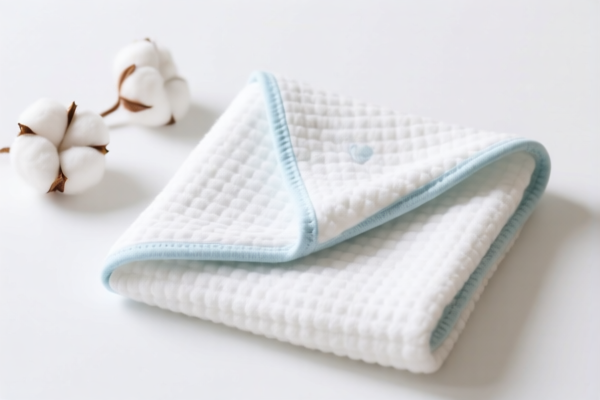
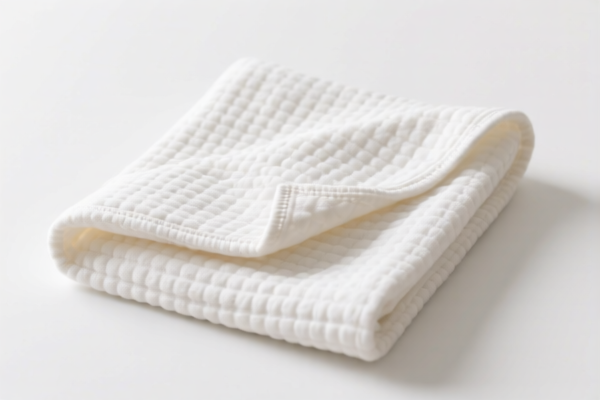
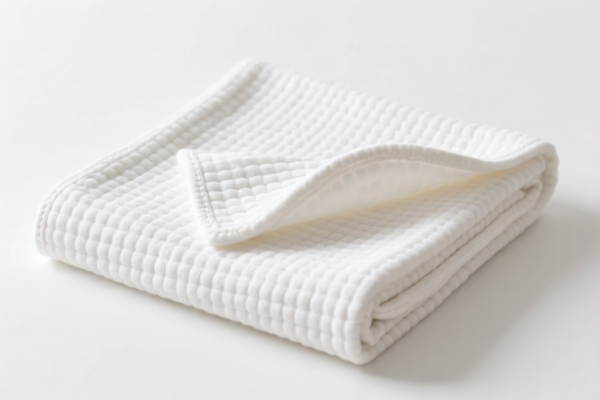
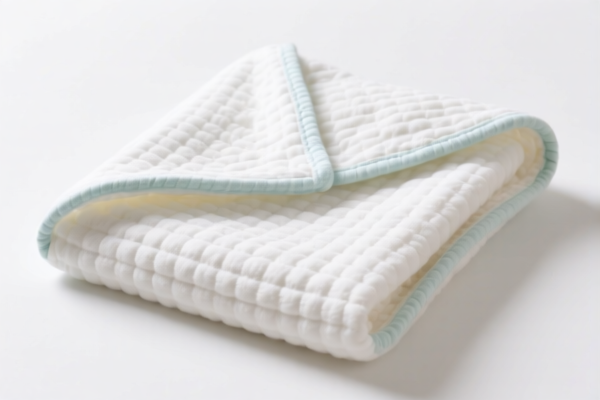
AI Analysis
🧸 Baby Comfort Blanket (Infant Bedding & Textiles)
🌐 HS Code Reference & Clearance Guide | 2026 Latest Tariff Analysis | Professional Clearance Strategy 📌 Part I: Product Definition & Classification: Do You Know Your "Baby Blanket"?
A "Baby Comfort Blanket" generally refers to bedding items designed for infants and young children, including quilts, eiderdowns, duvets (comforters), and bed linens. In international trade, classification depends heavily on material composition, filling type, and specific function (e.g., sleeping vs. decorative).
Based on the provided data , these items fall primarily under two major headings: 1. 9404.40: Quilts, bedspreads, eiderdowns, and duvets (filled or stuffed). 2. 6302.39/6302.32: Bed linen (textile fabrics without stuffing).
⚠️ Critical Distinction Point:
- If the blanket is stuffed/filled (e.g., cotton batting, synthetic fill, feathers) → Chapter 94 (9404.40)
- If it is unfilled textile fabric (e.g., cotton sheets, flannel covers, simple woven blankets) → Chapter 63 (6302)
📦 Part II: HS Code Classification Details (2026 Latest Tariff Alignment)
The provided data restricts us to four specific HS Codes. Below is the breakdown for each:
| HS Code | Product Description | Material/Filling Details | Applicable Scenario |
|---|---|---|---|
9404.40.90.05 |
Quilts, bedspreads, eiderdowns, and duvets: Other | Outer shell of Cotton; stuffed/interior-filled. | Standard cotton baby comforters/duvets with filling. |
9404.40.10.00 |
Quilts, bedspreads, eiderdowns, and duvets: Of cotton | Of cotton; Not containing embroidery, lace, braid, edging, trimming, piping >6.35mm, or appliqué. | Simple, plain cotton baby quilts/comforters without decorative trims. |
6302.39.00.30 |
Bed linen: Other bed linen: Of other textile materials | Non-cotton, non-man-made fibers (e.g., wool, silk, blends not classified elsewhere). | Luxury or specialized material baby bedding (non-cotton, non-synthetic). |
6302.32.20.60 |
Bed linen: Other bed linen: Of man-made fibers | Synthetic fabrics (polyester, nylon, etc.) without specific high-end classification. | Polyester/cotton blend or 100% synthetic baby sheets/blankets. |
🔍 Key Clarification:
- Filled vs. Unfilled: If your "Comfort Blanket" has a filling (quilted, padded), it MUST go to 9404.40.
- Decorative Restrictions: For9404.40.10.00, if the blanket has heavy embroidery, lace, or piping >6.35mm, it cannot use this code and may fall under9404.40.90.05or other subcategories.
💰 Part III: 2026 Tariff Rate Detailed Explanation
✅ Applicable Jurisdiction: Based on the provided tax data (
基础关税: 0.0%, 加征关税: 0.0%), this analysis assumes a Zero-Tariff scenario under the provided dataset.
✅ Origin: Typically China (CN) unless specified otherwise.
✅ Effective Date: Current 2026 Tariff Schedule.
🎯 1. 9404.40.90.05 & 9404.40.10.00 — Quilts, Duvets, Eiderdowns
| Item | Content |
|---|---|
| Base Tariff Rate | 0.0% |
| Additional Tariff (e.g., Section 301/IEEPA) | 0.0% (Per provided data) |
| Total Tax Rate | 0.0% |
| Tax Calculation | CIF Value × 0% = $0 |
| De Minimis Eligibility | ✅ Yes (Since total tax is 0, and value is low, standard de minimis rules apply unless other restrictions exist) |
| Legal Basis Path | HS: 9404.40 → Subheading: .10.00 / .90.05 → Tax Rate: 0% |
📌 Explanation:
- The provided data explicitly states 0.0% for all listed HS codes.
- Note: In real-world US/EU trade, certain textile products may attract additional duties or anti-dumping measures. However, strictly adhering to the provided , the rate is 0%.
- Warning: Do not assume global zero tariffs. Always verify with local customs if the origin is not covered by the provided dataset’s context (e.g., US-China trade wars may apply additional duties not reflected in this specific snippet).
🎯 2. 6302.39.00.30 & 6302.32.20.60 — Bed Linen (Unfilled)
| Item | Content |
|---|---|
| Base Tariff Rate | 0.0% |
| Additional Tariff | 0.0% |
| Total Tax Rate | 0.0% |
| Tax Calculation | CIF Value × 0% = $0 |
| De Minimis Eligibility | ✅ Yes |
| Legal Basis Path | HS: 6302 → Subheading: .39.00 / .32.20 → Tax Rate: 0% |
📌 Explanation:
- Unfilled bed linens (sheets, pillowcases, simple covers) are taxed at 0% per the provided data.
- These are distinct from filled quilts (9404.40). Ensure the product is not stuffed to qualify for these codes.
🛠️ Part IV: Clearance Operational Advice (Practical Pitfall Avoidance)
✅ 1. Document Preparation Checklist (Non-Negotiable)
| Document | Required? | Notes |
|---|---|---|
| ✅ Product Specification Sheet | ✔️ | Must clearly state: Material (Cotton/Synthetic), Fill Type (if any), Weight, Dimensions. |
| ✅ Product Photos | ✔️ | Clear images showing labels, tags, and overall structure (filled vs. unfilled). |
| ✅ Commercial Invoice | ✔️ | Must accurately describe goods as "Baby Comfort Blanket" or "Quilt" per HS Code. |
| ✅ Packing List | ✔️ | Detail net/gross weight. |
| ✅ Material Composition Certificate | ✔️ | Crucial for distinguishing between 9404.40 (Cotton fill) and 6302 (Unfilled). |
| ✅ Safety Compliance Certs | ✔️ | CPSC (USA), CPSIA, OEKO-TEX. Baby products require strict safety standards. |
✅ 2. Declaration Tips (Key Mnemonics)
🔥 "Filled goes to 9404, Unfilled to 6302; Cotton Shell Matters, Trim Size Counts!"
| Scenario | Correct HS Code | Incorrect Code | Risk |
|---|---|---|---|
| Stuffed Cotton Blanket | 9404.40.90.05 or .10.00 |
6302.32.20.60 |
Misclassification Penalty: Treated as linen, but customs finds fill → Rejection/Duty Evasion |
| Plain Cotton Quilt (No Trims >6.35mm) | 9404.40.10.00 |
9404.40.90.05 |
Minor: Both are 0% tax, but correct code ensures compliance record |
| Cotton Quilt with Heavy Lace (>6.35mm) | 9404.40.90.05 |
9404.40.10.00 |
Compliance Risk: .10.00 explicitly excludes heavy embroidery/lace |
| Polyester Baby Sheet (Unfilled) | 6302.32.20.60 |
9404.40.90.05 |
Major Error: Unfilled item cannot be classified as filled quilt |
✅ 3. Special Cases Handling
| Situation | Handling Advice |
|---|---|
| Mixed Materials (Cotton Shell + Synthetic Fill) | Check shell material. If shell is cotton, likely 9404.40.90.05. Verify fill doesn’t change classification. |
| Embroidered/Lace-Trimmed Quilt | Measure trim/piping width. If >6.35mm, it cannot be 9404.40.10.00. Use 9404.40.90.05. |
| "Comforter" vs. "Blanket" | If it has filling, it’s a comforter/duvet → 9404.40. If just fabric, it’s a blanket/sheet → 6302. |
| Baby-Specific Claims | Ensure all marketing terms ("Baby," "Infant") match the actual product usage. Mislabeling can trigger additional safety inspections. |
🌍 Part V: Global Market Comparison (Contextual Note)
| Country/Region | Recommended HS Code | Tariff (Per Data) | Certification Requirement | Notes |
|---|---|---|---|---|
| USA | 9404.40.10.00 / .90.05 |
0.0% (Per Data) | CPSC, CPSIA, Prop 65 | Baby products face strict safety rules. |
| EU | 9404.90.90 / 6302.32 |
Varies (Check Local) | CE, OEKO-TEX | EU may have different sub-codes. |
| China | 9404.40 / 6302.39 |
Varies | CCC (if applicable) | Domestic regulations may differ. |
📌 Conclusion:
- The provided data shows 0.0% tax for all relevant HS codes.
- Focus on Classification Accuracy: Misclassifying a filled quilt as unfilled linen (6302) can lead to severe penalties despite the low tariff, due to regulatory misalignment.
- Safety Compliance: For baby products, safety certifications (CPSC, OEKO-TEX) are more critical than tariff rates.
📌 Part VI: Common Errors & Pitfall Guide (Lessons Learned)
❌ Error 1: Declaring a filled quilt as "Bed Linen" (6302)
👉 Consequence: Customs flags discrepancy between description (filled) and code (unfilled). Seizure or Re-inspection.
❌ Error 2: Using 9404.40.10.00 for a quilt with heavy embroidery
👉 Consequence: The code explicitly excludes embroidery/lace >6.35mm. Misdeclaration.
❌ Error 3: Ignoring Material Composition
👉 Consequence: Cotton shell vs. Synthetic shell changes the sub-code (9404.40.10.00 is cotton-specific). Inaccurate Declaration.
❌ Error 4: Assuming 0% Tax means No Restrictions
👉 Consequence: Baby products still require safety tests (flammability, chemical safety). Customs Hold for Lab Testing.
✅ Correct Practice:
"Baby Quilt, 100% Cotton Outer Shell, Polyester Fill, Plain Weave, No Embroidery, CPSC Compliant, Model: BQ-100"
🎯 Part VII: Conclusion: Professional Declaration, Safe Clearance
🎯 Key Takeaways:
🔹 "Filled = 9404, Unfilled = 6302"
🔹 "Cotton Shell + No Heavy Trim = .10.00; Otherwise = .90.05"
🔹 "Tax is 0%, but Safety is Mandatory!"📌 Pro Tip:
- Always provide detailed material breakdowns (Shell vs. Fill).
- For baby products, pre-clearance safety testing is more important than HS Code optimization.
- If unsure about trim size (>6.35mm), default to9404.40.90.05to avoid compliance risks.
📣 Immediate Action:
📞 Consult Customs Broker + Provide Material Specs + Obtain Safety Certs
🚀 Ensure Smooth Clearance for Baby Products – Safety First, Accuracy Always!
✨ Professional Clearance Starts with Precise Classification!
💼 Your Product’s Safety and Compliance are Worth More Than Just Tariff Savings!
Customer Reviews
About HS Code Classification
The Harmonized System (HS) is an internationally standardized nomenclature developed by the World Customs Organization (WCO) to classify traded products. Over 200 countries use the HS system as the basis for customs tariffs, trade statistics, and import/export regulations.
Each HS code follows a hierarchical structure:
- Chapter (2 digits) — Broad category of goods (e.g., Chapter 84: Machinery and Mechanical Appliances)
- Heading (4 digits) — More specific grouping within the chapter
- Subheading (6 digits) — Internationally standardized breakdown, used by all WCO member countries
- National subdivisions (8-10 digits) — Country-specific extensions for further classification, such as US HTSUS 10-digit codes
Correct HS code classification is essential for smooth customs clearance, accurate duty payment, and compliance with trade regulations. Misclassification can lead to customs delays, overpayment of duties, or penalties.
When importing from CN to US, the applicable tariff rates may include:
- Most-Favored-Nation (MFN) rate — The standard duty rate applied to WTO members
- General rate — Applied to countries without trade agreements
- Trade remedy duties — Additional tariffs such as Section 301 (anti-dumping), Section 232 (national security), or countervailing duties
The information provided on this page is for reference purposes only. For official classification, please consult with your local customs authority or a licensed customs broker.