Baby Complementary Food Tableware
CN → US| HS Code | Tariff Rate | Origin | Destination | Doc |
|---|---|---|---|---|
| 3926909989 | 22.8% | CN | US | Official Doc |
| 3926305000 | 22.8% | CN | US | Official Doc |
| 9401710001 | 35.0% | CN | US | Official Doc |
| 9401802001 | 35.0% | CN | US | Official Doc |
Product Images
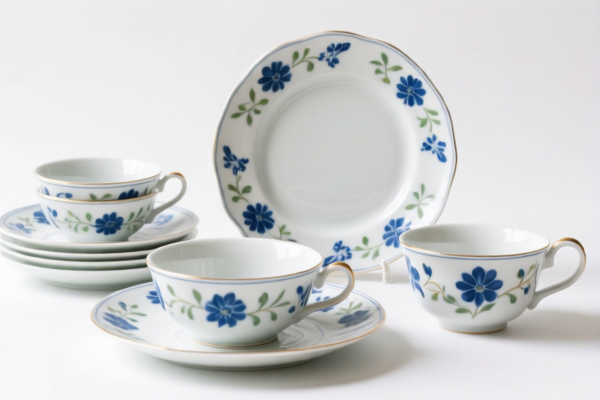
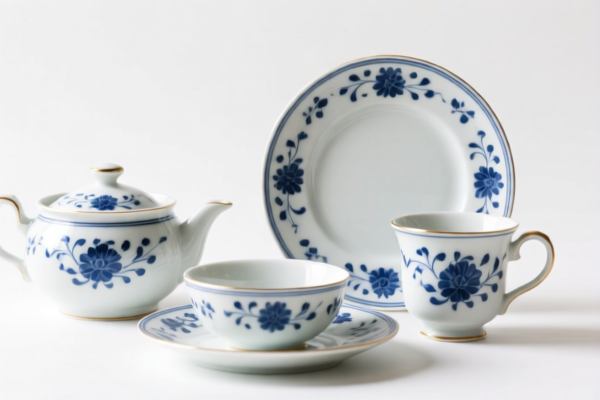
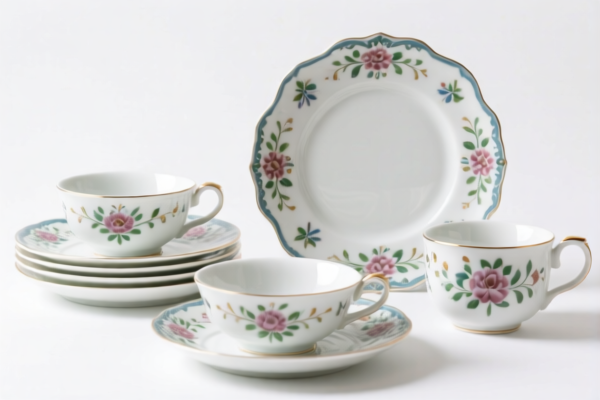
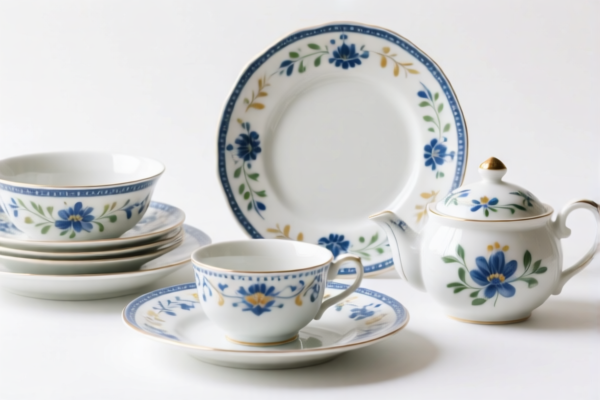
AI Analysis
🍼 Baby Complementary Food Tableware (High Chairs & Plastic Utensils)
🌐 HS Code Reference & Customs Clearance Guide | 2026 Latest Tariff Analysis | Professional Entry Strategy
📌 I. Product Definition & Classification: Do You Really Know "Baby Complementary Food Tableware"?
"Baby Complementary Food Tableware" is a broad term in international trade that primarily encompasses two distinct categories of products:
1. Baby High Chairs (Infant Feeding Seats): Furniture designed for infants, typically featuring a frame (metal/plastic) and cushioned seating.
2. Plastic Tableware (Bowls, Plates, Spoons): Accessories made of plastic for feeding infants.
The classification depends entirely on the material composition and structural integrity of the item. A high chair with a metal frame is treated differently than a plastic plate.
⚠️ Key Distinction Point:
- If the item is a seat/chair with a frame (metal or hard plastic) → It falls under Chapter 94 (Furniture).
- If the item is a utensil/container (bowl, spoon, plate) made of plastic → It falls under Chapter 39 (Plastics).
- Warning: Misclassifying a high chair as plastic tableware can lead to severe penalties due to the difference in tax rates (0% vs. 5.3% base, plus different additional duties).
📦 II. HS Code Classification Details (2026 Latest Authorized Reference)
| HS Code | Product Description | Summary from Data | Applicable Scenario |
|---|---|---|---|
3926.90.99.89 |
Other articles of plastics, n.e.s. | "Baby high chair classified as plastic product, fitting other plastic products characteristics." | Plastic-only High Chairs: Fully plastic structure, no metal frame, or treated purely as a plastic artifact. |
3926.30.50.00 |
Other articles of plastics for clothing, fitments, etc. | "Baby high chair inferred as plastic material, belonging to other plastic products." | Plastic Utensils/Accessories: Plastic bowls, plates, or soft plastic parts of high chairs. |
9401.71.00.01 |
Seats with wooden frames, upholstered; High chairs | "Baby high chair as high chair, containing metal frame and soft padding treatment." | Metal/Frame High Chairs: High chairs with a metal (or wood) frame, often with cushioned seats. |
9401.80.20.01 |
Other seats, including children's seats | "Baby high chair belongs to children's high chairs, material is reinforced or laminated plastic." | Reinforced Plastic High Chairs: High chairs made of reinforced/laminated plastic, categorized as furniture/chairs. |
🔍 Critical Note:
- HS 9401.71.00.01 & 9401.80.20.01 are for Furniture (Chairs). Even if made of plastic, if it’s a "High Chair" (a seat for an infant), it often falls here if it has structural elements (like a tray or frame) or is reinforced.
- HS 3926.90.99.89 & 3926.30.50.00 are for Plastic Articles. Use these only if the item is strictly a plastic utensil (bowl/spoon) or a simple plastic seat without furniture characteristics.
💰 III. 2026 Latest Tariff Rate Breakdown (Including Additional Duties)
✅ Applicable Country: United States (US)
✅ Origin: China (CN)
✅ Effective Date: 2025 onwards (Importing from China)
🎯 1. 3926.90.99.89 & 3926.30.50.00 —— Plastic Tableware / Plastic High Chair Parts
| Item | Content |
|---|---|
| Base Tariff | 5.3% |
| Section 301 Additional Duty | +7.5% |
| Section 122 Duty | +10.0% |
| Total Tax Rate | 22.8% |
| Calculation | CIF Value × 22.8% |
| Legal Basis | Base Rate (HTSUS) + Section 301 (7.5%) + Section 122 (10%) |
📌 Explanation:
- These codes fall under Plastic Articles.
- The 22.8% rate is a combined burden: Base (5.3%) + Section 301 (7.5%) + Section 122 (10%).
- Section 122 is a recent/additional duty often applied to specific categories, pushing the total up significantly.
🎯 2. 9401.71.00.01 & 9401.80.20.01 —— Baby High Chairs (Furniture Category)
| Item | Content |
|---|---|
| Base Tariff | 0.0% |
| Section 301 Additional Duty | +25.0% |
| Section 122 Duty | +10.0% |
| Total Tax Rate | 35.0% |
| Calculation | CIF Value × 35.0% |
| Legal Basis | Base Rate (HTSUS) + Section 301 (25%) + Section 122 (10%) |
📌 Explanation:
- These codes fall under Furniture (Chairs).
- The Base Tariff is 0%, which looks attractive initially.
- However, Section 301 imposes a heavy 25% duty on Chinese-made furniture/chairs.
- Plus Section 122 (10%) adds another layer.
- Total 35% is higher than the plastic category (22.8%). This makes misclassification risky—if you classify a plastic chair as furniture, you pay more!
🛠️ IV. Customs Clearance Practical Advice (Pitfall Avoidance Guide)
✅ 1. Preparation Checklist (Essential Documents)
| Document | Required | Description |
|---|---|---|
| ✅ Product Specification Sheet | ✔️ | Must specify material (Plastic vs. Metal/Reinforced), dimensions, and weight. |
| ✅ Product Photos | ✔️ | Clear images showing structure (frame vs. all-plastic), branding, and model number. |
| ✅ Commercial Invoice | ✔️ | Accurate description: e.g., "Plastic Baby Bowl" vs. "Baby High Chair." |
| ✅ Bill of Lading / Packing List | ✔️ | Ensure quantity and weight match invoice. |
| ✅ Certificate of Origin (CO) | ✔️ | Confirm origin is China to calculate correct Section 301/122 duties. |
| ✅ Safety Certifications (CPC) | ✔️ | Crucial for Baby Products: Consumer Product Safety Commission (CPC) certificate is mandatory for children's products in the US. |
✅ 2. Declaration Strategy (Key Mnemonics)
🔥 "Material Defines Code, Chair vs. Bowl Matters!"
| Scenario | Correct HS Code | Incorrect Code | Consequence |
|---|---|---|---|
| Plastic Bowl/Plate | 3926.30.50.00 or 3926.90.99.89 |
9401.80.20.01 |
Overpayment of tax (22.8% vs 35%? No, 22.8% is lower. Wait! If you declare a bowl as a chair, you pay 35% instead of 22.8%. Loss of profit.) |
| All-Plastic Seat (No Frame) | 3926.90.99.89 |
9401.80.20.01 |
Overpayment: 35% vs 22.8%. Save 12.2% by correct classification! |
| High Chair with Metal Frame | 9401.71.00.01 |
3926.90.99.89 |
Underpayment: If declared as plastic (22.8%) but is actually furniture (35%), Customs will audit and penalize. |
| Reinforced Plastic High Chair | 9401.80.20.01 |
3926.30.50.00 |
Underpayment: Same risk. Reinforced plastic chairs are often considered furniture. |
💡 Strategic Insight:
- For pure plastic bowls/spoons, use 3926 codes (22.8% total).
- For high chairs, check if they are "furniture" (9401) or "plastic articles" (3926).
- Rule of Thumb: If it has a metal frame or is upholstered, it is 9401 (35%). If it is solid plastic and minimal structure, it might be 3926 (22.8%). Verify with customs broker before shipment to avoid penalties.
✅ 3. Special Considerations for Baby Products
| Issue | Recommendation |
|---|---|
| CPC Certificate | Must provide a valid Children’s Product Certificate (CPC) issued by a CPSC-accepted lab. No CPC = Detention at US Customs. |
| Small Parts Warning | If the product has small detachable parts, ensure labeling complies with US safety standards. |
| Section 122 Duty | This is a new/additional duty layer. Ensure your HS Code is compatible with Section 122 applicability. |
🌍 V. Global Market Comparison (2026 Snapshot)
| Market | Recommended HS Code | Total Tariff (China Origin) | Key Requirement |
|---|---|---|---|
| 🇺🇸 USA | 3926.xxxx or 9401.xxxx |
22.8% (Plastic) or 35.0% (Furniture) | CPC, Section 122, Section 301 |
| 🇨🇳 China | 3926.xxxx or 9401.xxxx |
~5-10% | CCC (if applicable), GB Standards |
| 🇪🇺 EU | 3924.10 or 9401.71 |
~0-6.5% | CE Mark, REACH, EN 71 |
| 🇬🇧 UK | 3924.10 or 9401.71 |
~0-6.5% | UKCA, BS EN Standards |
📌 Conclusion:
- The US market has the highest tariff burden due to Section 301 and Section 122.
- Correct classification between Plastic (22.8%) and Furniture (35%) can save 12.2% in duties.
- Do not guess: Use product structure to determine HS Code.
📌 VI. Common Errors & Pitfalls (Lessons Learned)
❌ Error 1: Declaring a Metal-Framed High Chair as 3926.90.99.89 (Plastic).
👉 Consequence: Customs detects metal frame → Reclassifies to 9401.71.00.01 → Back taxes + Penalty (35% - 22.8% = 12.2% difference + penalties).
❌ Error 2: Failing to provide CPC Certificate for baby tableware.
👉 Consequence: Immediate seizure or return by US CBP. Baby products are strictly regulated.
❌ Error 3: Ignoring Section 122 Duty.
👉 Consequence: Underestimating landed cost. Total tax is not just Base + 301; it includes +10% Section 122.
✅ Correct Practice:
"Check Material, Check Structure, Check Safety Certs!"
- Plastic Utensils →3926(22.8%)
- Furniture High Chairs →9401(35%)
- Always attach CPC Certificate.
🎯 VII. Conclusion: Professional Classification Saves Money
🎯 Remember the Rule:
🔹 Plastic Bowls/Plates:
3926→ 22.8% Total Duty.
🔹 High Chairs (Furniture):9401→ 35.0% Total Duty.
🔹 Always verify: Is it a "Chair" (Furniture) or a "Plastic Article"?
🔹 Safety First: No CPC, No Entry.
📌 Pro Tip:
If you are importing mixed containers (some plastic bowls, some chairs), separate them in the commercial invoice and use different HS Codes for each. Do not lump them under one HS Code!
📣 Immediate Action:
📞 Consult a Customs Broker to pre-classify your high chairs.
📄 Ensure CPC Certificates are ready before shipping.
🚀 Optimize Landed Cost: 12.2% difference in duties is significant!
✨ Accurate Classification is Key to Profitability!
💼 Don't let customs audits eat your margins!
Customer Reviews
About HS Code Classification
The Harmonized System (HS) is an internationally standardized nomenclature developed by the World Customs Organization (WCO) to classify traded products. Over 200 countries use the HS system as the basis for customs tariffs, trade statistics, and import/export regulations.
Each HS code follows a hierarchical structure:
- Chapter (2 digits) — Broad category of goods (e.g., Chapter 84: Machinery and Mechanical Appliances)
- Heading (4 digits) — More specific grouping within the chapter
- Subheading (6 digits) — Internationally standardized breakdown, used by all WCO member countries
- National subdivisions (8-10 digits) — Country-specific extensions for further classification, such as US HTSUS 10-digit codes
Correct HS code classification is essential for smooth customs clearance, accurate duty payment, and compliance with trade regulations. Misclassification can lead to customs delays, overpayment of duties, or penalties.
When importing from CN to US, the applicable tariff rates may include:
- Most-Favored-Nation (MFN) rate — The standard duty rate applied to WTO members
- General rate — Applied to countries without trade agreements
- Trade remedy duties — Additional tariffs such as Section 301 (anti-dumping), Section 232 (national security), or countervailing duties
The information provided on this page is for reference purposes only. For official classification, please consult with your local customs authority or a licensed customs broker.