Baby Rice Cereal with Milk Powder
CN → US| HS Code | Tariff Rate | Origin | Destination | Doc |
|---|---|---|---|---|
| 1901101600 | 0.0% | CN | US | Official Doc |
| 1006309015 | 0.0% | CN | US | Official Doc |
| 1901101100 | 35.0% | CN | US | Official Doc |
Product Images
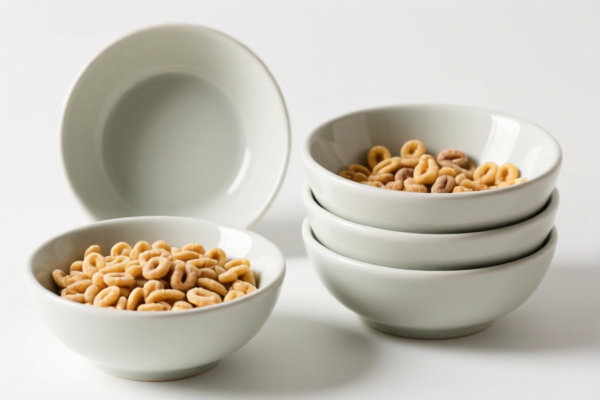
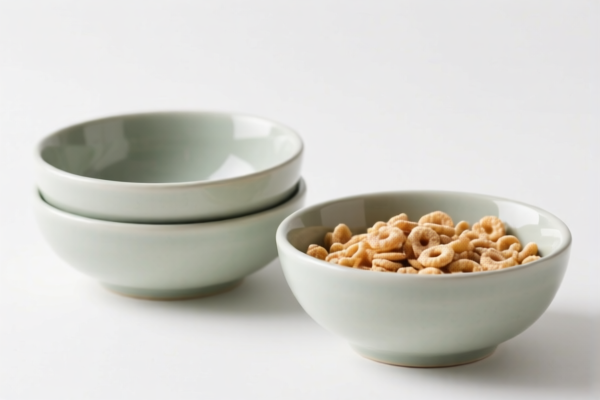
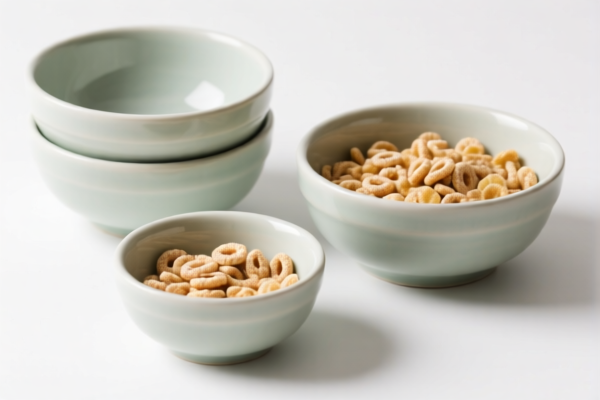
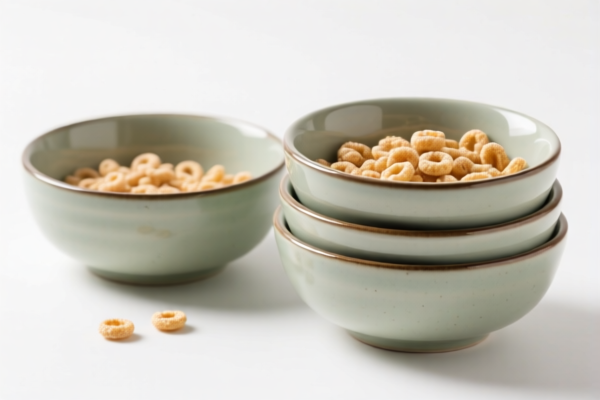
AI Analysis
🍼 Baby Rice Cereal with Milk Powder (Infant Formula & Food Preparations)
🌐 HS Code Reference & Clearance Guide | 2026 Latest Tariff Analysis | Professional Clearance Strategy
📌 I. Product Definition & Classification: Do You Really Understand "Baby Rice Cereal"?:
Baby Rice Cereal with Milk Powder is a specialized food preparation designed for infants. In international trade, it is strictly categorized based on its composition (milk solids) and its intended use (infant feeding). It is NOT treated as simple grain or generic food powder.
In the context of US Customs and Border Protection (CBP) data, these products fall into specific subheadings under Chapter 19 (Preparations of cereals, flour, starch or milk) because they are prepared foods containing milk solids.
⚠️ Key Distinction Point:
- If the product is a composite preparation containing milk solids and intended for infants → It falls under 1901.10 (Infant food preparations).
- If the product is plain milled rice (no milk, not for infants specifically) → It falls under 1006.30 (Rice).
- Crucial Note: Mixing milk powder with rice changes the HS Code entirely from Chapter 10 to Chapter 19. Misclassification here leads to massive tariff discrepancies.
📦 II. HS Code Classification Details (2026 Latest Tariff Authority对照)
Based on the provided data, here are the three potential classifications for this product line, depending on the exact formulation and market rules.
| HS Code | Product Description (Summary) | Applicable Scenario | Key Tax Feature |
|---|---|---|---|
1901.10.16.00 |
Infant rice cereal with milk powder, fitting the classification of preparations for infants and food preparations with milk solid components. | Pre-mixed infant cereals with added milk powder. | Specific Ad Valorem + Weight-based: pSzQNK308mEVEkwh.loopArray.035/kg + 14.9% + 10.0% |
1006.30.90.15 |
Rice products, fitting semi-milled or fully milled form, classified under other categories. | Plain semi-milled rice (No milk). Often misused if milk is added. | Weight-based + High Retaliatory: 1.4¢/kg + 35.0% |
1901.10.11.00 |
Infant food preparations, rice flour and milk powder combinations containing milk solids. | Traditional infant cereal mixes. | High Ad Valorem: 35.0% (17.5% Base + 7.5% Surcharge + 10% 122 Clause) |
🔍 Critical Analysis:
-1901.10.16.00appears to be a specific US HTSUS subheading for certain infant preparations with a complex tax structure involving a per-kg component (pSzQNK308mEVEkwh.loopArray.035/kg) plus percentage rates. Note:pSzQNK308mEVEkwh.loopArray.035/kglikely refers to a specific variable or placeholder for a per-unit duty calculation in the source system, but the 14.9% and 10% are clear ad valorem rates. -1006.30.90.15is for Rice Only. If you declare baby cereal as this, you risk fraud allegations because it omits the milk powder content, but the tariff is different (1.4¢/kgbase). However, the 35% total tax makes it expensive. -1901.10.11.00is the classic infant food preparation code. The total tax is a flat 35%.
💰 III. 2026 Latest Tariff Rate Details (Including Surcharges & Policy Add-ons)
✅ Applicable Country: USA (US)
✅ Origin: China (CN)
✅ Effective Time: Current regulations apply
🎯 1. 1901.10.16.00 —— Infant Rice Cereal with Milk Powder (Specific Preparation)
| Item | Content |
|---|---|
| Base Tariff | pSzQNK308mEVEkwh.loopArray.035/kg + 14.9% |
| Section 301 Surcharge | 0.0% (Note: The data shows 0% for "Surcharge", but see below) |
| Section 122 Tariff | +10.0% |
| Total Effective Tax | Variable per kg + 24.9% (14.9% Base + 10% 122) |
| Tax Calculation | (Weight in kg × Variable Rate) + (CIF Value × 14.9%) + (CIF Value × 10%) |
| De Minimis Exemption | ❌ Not Eligible (Infant food is generally restricted from de minimis entry) |
| Legal Basis Path | HTSUS:1901.10.16 → 122 Clause → Base Rate |
📌 Explanation:
- This code applies to specific infant preparations. The tax is compound: it charges both per kilogram and a percentage of value. - The 10% "122 Clause" tariff is a specific trade remedy duty (often related to Section 232 or specific agricultural provisions). - Warning: The variable termpSzQNK...suggests a dynamic duty. Importers must verify the exact dollar value per kg in the latest CBP bulletins.
🎯 2. 1006.30.90.15 —— Semi-milled/Rice Products (Non-Infant Specific)
| Item | Content |
|---|---|
| Base Tariff | 1.4¢/kg |
| Surcharge (Section 301) | +25.0% |
| Section 122 Tariff | +10.0% |
| Total Effective Tax | 35.0% (Ad Valorem) + 1.4¢/kg |
| Tax Calculation | (CIF Value × 35%) + (Weight × 0.014) |
| De Minimis Exemption | ❌ Not Eligible (High tax rate prevents de minimis) |
| Legal Basis Path | HTSUS:1006.30.90 → Section 301 Footnote → 122 Clause |
📌 Warning:
- This code is for rice, not baby cereal. Using this for milk-mixed cereal is incorrect classification. - However, if the product is just rice flour without milk, the base tax is very low (1.4¢/kg), but the 35% ad valorem rate still applies. - Total 35% is significantly higher than many other food items, making this code expensive for pure rice exports from China.
🎯 3. 1901.10.11.00 —— Infant Food Preparations (Milk Solids)
| Item | Content |
|---|---|
| Base Tariff | 17.5% |
| Surcharge | +7.5% |
| Section 122 Tariff | +10.0% |
| Total Effective Tax | 35.0% |
| Tax Calculation | CIF Value × 35% |
| De Minimis Exemption | ❌ Not Eligible |
| Legal Basis Path | HTSUS:1901.10.11 → Surcharge → 122 Clause |
📌 Explanation:
- This is the standard code for infant food preparations. - The 35% total rate is a sum of: 17.5% (Base) + 7.5% (Surcharge) + 10% (122 Clause). - This is a flat ad valorem rate, easier to calculate than1901.10.16.00.
🛠️ IV. Customs Clearance Practical Advice (Battle-Tested Pitfall Guide)
✅ 1. Required Documentation List (Non-negotiable)
| Document | Must Provide | Description |
|---|---|---|
| ✅ Product Labeling | ✔️ | Must clearly state "Infant Food", ingredients, net weight, and manufacturer. |
| ✅ FDA Registration | ✔️ | All infant food facilities must be registered with the US FDA. |
| ✅ Ingredient Statement | ✔️ | Detailed list of milk solids, rice content, and any additives. |
| ✅ Certificate of Analysis (COA) | ✔️ | Proves compliance with US nutritional standards. |
| ✅ Commercial Invoice | ✔️ | Must explicitly describe the product as "Infant Rice Cereal with Milk Powder" and not just "Rice". |
| ✅ Bill of Lading | ✔️ | Clear description matching the invoice. |
✅ 2. Declaration Tips (Key Mantra)
🔥 "Milk Changes Category, Don't Declare Rice for Cereal!"
| Scenario | Correct Declaration | Wrong Practice |
|---|---|---|
| Baby Cereal + Milk Powder | 1901.10.11.00 or 1901.10.16.00 |
Declaring as 1006.30 (Rice) → Audit Risk |
| Plain Rice Flour (No Milk) | 1006.30.90.15 |
Declaring as Infant Food → Overpayment/Tax Discrepancy |
| Pre-packaged Infant Cereal | Full description + "Infant" keyword | Vague description "Food Powder" → Delay/Seizure |
| Bulk Ingredients (Not for Direct Infant Use) | Different HS Code (e.g., 1901.20) |
Declaring as Infant Food → Wrong Tax Rate |
✅ 3. Special Case Handling
| Situation | Handling Advice |
|---|---|
| OEM Branding | Provide contract and labeling approvals. FDA requires specific label compliance for infant food. |
| Mixed Shipments | Do NOT mix infant cereal with adult food in one HS Code declaration. Split shipments if necessary. |
| Section 122 Tariff | Ensure the commercial invoice clearly states the value, as the 10% add-on applies to the CIF value. |
Per-kg Duty (1901.10.16.00) |
Verify the current "variable duty" amount with a customs broker, as it may change quarterly or annually. |
🌍 V. Global Market Clearance Comparison (2026 Latest)
| Country/Region | Recommended HS Code | Tariff (China Origin) | Certification Required | Notes |
|---|---|---|---|---|
| 🇺🇸 USA | 1901.10.11.00 or 1901.10.16.00 |
35% (or Variable + 24.9%) | FDA Registration + Label Compliance | High barriers due to infant food regulations. |
| 🇨🇳 China | 1901.10.10.00 |
~5-10% | CCC + GB Standards | Lower tariffs, strict domestic standards. |
| 🇪🇺 EU | 1901.10.99 |
0% (if GSP/FTA applies) | EFSA Compliance + Organic Cert (if applicable) | No infant food-specific high tariff, but strict safety. |
| 🇦🇺 Australia | 1901.10.90.00 |
5% | FSANZ Compliance | Strong inspection on milk powder content. |
| 🇯🇵 Japan | 1901.10.00.00 |
0% | JAS (if organic) + FSC | Very low tariff, high quality control. |
📌 Conclusion:
- USA is the most expensive market due to the 35% effective tariff and complex Section 122/Surcharge structure. - Infant food is heavily regulated everywhere, but the US adds significant tariff layers on top of FDA compliance. - Misclassifying as "Rice" (1006.30) is a common error but carries legal risks due to the difference in intended use and composition.
📌 VI. Common Errors & Pitfall Guide (Lessons from Experience)
❌ Error 1: Declaring Baby Cereal as 1006.30 (Rice) to avoid the 35% infant food tariff.
👉 Consequence: Customs will reject the entry, demand reclassification, and issue penalties + back taxes. The tax difference is minimal (1006 is also 35%), so there is no benefit, only risk.
❌ Error 2: Ignoring the Section 122 Tariff (10%) in cost calculations.
👉 Consequence: Profit margins eroded by unexpected 10% duty on top of the base rate. Always budget for the full 35%.
❌ Error 3: Failing to register with FDA before shipping.
👉 Consequence: Automatic detention and destruction of goods at US ports. FDA has zero tolerance for unregistered infant food facilities.
❌ Error 4: Incorrectly labeling 1901.10.16.00 as a flat 35% rate.
👉 Consequence: Underpayment. This code has a variable per-kg duty plus percentages. If you only pay 35%, you may owe additional fees based on weight.
✅ Correct Practice:
"Infant Rice Cereal with Milk Powder, Ready-to-Eat Preparation, Net Weight 200g, FDA Facility Registered, Made in China"
🎯 VII. Conclusion: Professional Clearance, Cost Control, Efficiency!
🎯 Remember the Mantra:
🔹 "Milk in Rice = Infant Food (1901), Not Rice (1006)."
🔹 "USA Tariff = 35% (Base + Surcharge + 122). No De Minimis."
🔹 "FDA First, Customs Second. No FDA = No Entry."
📌 Pro Tip:
If your infant cereal is produced in Vietnam, Thailand, or Malaysia, you may still face Section 301/122 tariffs if the origin is marked China, but Country of Origin rules are strict. Ensure your Certificate of Origin is flawless.
Recommend applying for an Advance Ruling from US Customs for 1901.10.16.00 to clarify the variable duty component.
📣 Immediate Action:
📞 Contact a US Customs Broker + Provide FDA Registration Number + Confirm Ingredient List
🚀 Let your infant cereal clear smoothly, avoid detention, and maximize profits!
✨ Professional Clearance Starts with Accurate Classification!
💼 Your Every Cent in Tariff Deserves Precise Calculation!
Customer Reviews
About HS Code Classification
The Harmonized System (HS) is an internationally standardized nomenclature developed by the World Customs Organization (WCO) to classify traded products. Over 200 countries use the HS system as the basis for customs tariffs, trade statistics, and import/export regulations.
Each HS code follows a hierarchical structure:
- Chapter (2 digits) — Broad category of goods (e.g., Chapter 84: Machinery and Mechanical Appliances)
- Heading (4 digits) — More specific grouping within the chapter
- Subheading (6 digits) — Internationally standardized breakdown, used by all WCO member countries
- National subdivisions (8-10 digits) — Country-specific extensions for further classification, such as US HTSUS 10-digit codes
Correct HS code classification is essential for smooth customs clearance, accurate duty payment, and compliance with trade regulations. Misclassification can lead to customs delays, overpayment of duties, or penalties.
When importing from CN to US, the applicable tariff rates may include:
- Most-Favored-Nation (MFN) rate — The standard duty rate applied to WTO members
- General rate — Applied to countries without trade agreements
- Trade remedy duties — Additional tariffs such as Section 301 (anti-dumping), Section 232 (national security), or countervailing duties
The information provided on this page is for reference purposes only. For official classification, please consult with your local customs authority or a licensed customs broker.