Baby Synthetic Leather Jacket
CN → US| HS Code | Tariff Rate | Origin | Destination | Doc |
|---|---|---|---|---|
| 6210403500 | 13.8% | CN | US | Official Doc |
| 4203104030 | 41.0% | CN | US | Official Doc |
| 4203104010 | 41.0% | CN | US | Official Doc |
| 6113001005 | 21.3% | CN | US | Official Doc |
| 6113009025 | 24.6% | CN | US | Official Doc |
| 6210203000 | 13.8% | CN | US | Official Doc |
Product Images
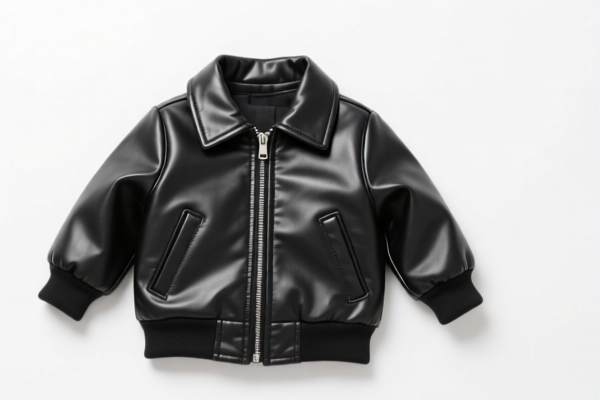
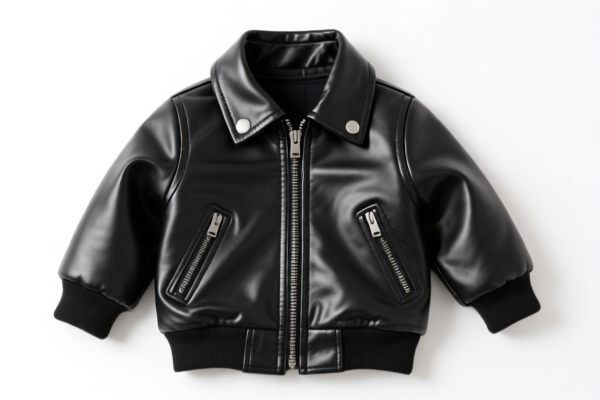
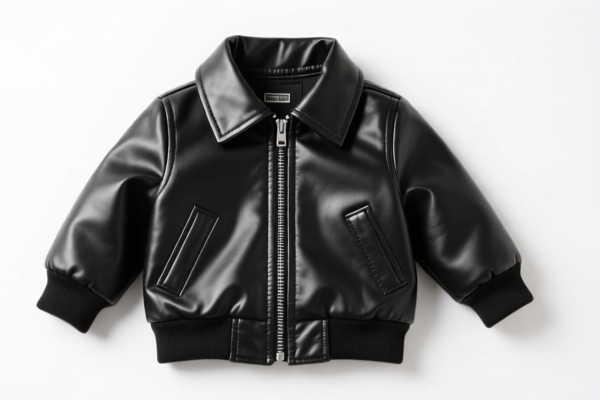

AI Analysis
🧥 Baby Synthetic Leather Jacket
🌐 HS Code Reference & Customs Clearance Guide | 2026 Latest Tariff Analysis | Professional Compliance Strategy
📌 I. Product Definition & Classification: Do You Truly Understand "Baby Synthetic Leather Jacket"?
A Baby Synthetic Leather Jacket refers to outerwear for infants or young boys, primarily characterized by its exterior material. In international trade, the classification hinges critically on the definition of "Synthetic Leather" and the manufacturing process (e.g., coating vs. molded).
The term "Synthetic Leather" is ambiguous in customs law and can fall into entirely different chapters depending on composition: 1. Plastic/Rubber Coated Textiles: Fabric coated with plastic/rubber to mimic leather → Classified under Chapter 61/62 (Textiles). 2. Artificial Leather (Polymer Sheets): Solid sheets of artificial leather (not fabric-backed or heavily coated) → Classified under Chapter 42 (Articles of Leather). 3. Specialty Synthetic Jackets: Specific blends or coatings → Classified under Chapter 61 (Knitted/Crocheted).
⚠️ Key Distinction Point:
- If the material is fabric coated with plastic/rubber → It is a Textile Article (HS Code starts with 61 or 62).
- If the material is solid artificial leather sheets (like upholstery or solid PVC sheets) → It is an Article of Leather (HS Code starts with 42).
- Target Group: "Baby/Boy" often influences specific sub-codes within these chapters (e.g., "For Boys").
📦 II. HS Code Classification Details (2026 Latest Tariff Authority Comparison)
Based on the provided data, here are the five possible HS Codes for "Baby Synthetic Leather Jacket," categorized by material logic and tax implication.
| HS Code | Product Description | Material Logic | Target/Usage | Total Tax Rate |
|---|---|---|---|---|
6210.40.35.00 |
Boys' Garments, Material: Man-made Fibers, Outer Surface: Coated with Plastic/Rubber | Textile + Coating | Boys | 13.8% |
6210.20.30.00 |
Jacket, Material: Man-made Fibers, Outer Surface: Coated/Treated with Plastic | Textile + Coating | General/Jacket | 13.8% |
6113.00.10.05 |
Jacket, Material: Artificial Leather (Plastic/Rubber Coated Covering) | Specialty Synthetic | Boys | 21.3% |
6113.00.90.25 |
Jacket, Material: Artificial Leather (Non-Cotton/Other Category) | Specialty Synthetic | Boys | 24.6% |
4203.10.40.30 |
Jacket, Material: Artificial Leather (Leather/Reconstituted Leather), for Boys | Artificial Leather | Boys | 41.0% |
4203.10.40.10 |
Jacket, Material: Artificial Leather (Leather or Synthetic Leather) | Artificial Leather | General/Jacket | 41.0% |
🔍 Critical Warning:
- Chapter 42 (41.0%) applies if the material is classified as "Artificial Leather" (solid sheets). This incurs significantly higher tariffs due to USITC Section 301 duties.
- Chapter 61/62 (13.8% - 24.6%) applies if the material is considered "Coated Textiles" or "Specialty Synthetic Fabrics." This is the preferred classification for cost efficiency if the product qualifies.
- "For Boys" Codes (...35.00,...10.05,...90.25,...40.30) are specific sub-categories. Misclassifying a boy's jacket as a general jacket or vice-versa can lead to audits, even if the tax rate is similar.
💰 III. 2026 Latest Tariff Rate Breakdown (Including Supplementary Duties & Policy Surcharges)
✅ Applicable Country: United States (US)
✅ Origin: China (CN)
✅ Effective Time: From November 10, 2025 (and subsequent imports)
🎯 1. Lower Tax Bracket: 6210.40.35.00 & 6210.20.30.00
(Material: Man-made Fibers Coated with Plastic/Rubber)
| Item | Content |
|---|---|
| Base Duty Rate | 3.8% (ad valorem) |
| USITC Supplementary Duty | 0.0% (No Section 301 penalty for this specific sub-category in the provided data) |
| Section 122 Duty | +10% (Specific statutory duty for certain textile/apparel items) |
| Total Tax Rate | 13.8% |
| Tax Calculation | CIF Value × 13.8% |
| De Minimis Exemption | ❌ Not Eligible (Section 122 items are generally exempt from de minimis thresholds, requiring full entry) |
| Legal Authority Path | Section 122: 10% → USITC: 6210.40.35.00 / 6210.20.30.00 |
📌 Explanation:
- These codes represent textile-based products with plastic/rubber coatings.
- The 13.8% rate is the most favorable in the dataset.
- Crucial: Even though USITC 301 (25%) might not apply here, the Section 122 10% duty still applies, making de minimis (800 USD) clearance impossible. Must file formal entry.
🎯 2. Mid Tax Bracket: 6113.00.10.05 & 6113.00.90.25
(Material: Specialty Synthetic/Artificial Leather Coatings)
A. 6113.00.10.05 (For Boys, Plastic/Rubber Coated Covering)
| Item | Content |
|---|---|
| Base Duty Rate | 3.8% |
| USITC Supplementary Duty | +7.5% |
| Section 122 Duty | +10% |
| Total Tax Rate | 21.3% |
| De Minimis Exemption | ❌ Not Eligible |
B. 6113.00.90.25 (For Boys, Non-Cotton/Other Category)
| Item | Content |
|---|---|
| Base Duty Rate | 7.1% |
| USITC Supplementary Duty | +7.5% |
| Section 122 Duty | +10% |
| Total Tax Rate | 24.6% |
| De Minimis Exemption | ❌ Not Eligible |
📌 Explanation:
- These codes fall under Chapter 61 (Knitted/Crocheted) but refer to "Special Types of Garments."
- The 7.5% USITC duty applies, likely due to the synthetic nature not fully qualifying for the lowest textile exemptions.
- 21.3% - 24.6% is a moderate cost. Ensure the product is indeed "Knitted/Crocheted" to use Chapter 61.
🎯 3. Highest Tax Bracket: 4203.10.40.30 & 4203.10.40.10
(Material: Artificial Leather / Reconstituted Leather)
| Item | Content |
|---|---|
| Base Duty Rate | 6.0% |
| USITC Supplementary Duty | +25% (Section 301 Tariff) |
| Section 122 Duty | +10% |
| Total Tax Rate | 41.0% |
| De Minimis Exemption | ❌ Not Eligible |
| Legal Authority Path | Section 122: 10% → USITC Footnote 9903.88.01 (25%) → IEEPA: 9903.01.25/24 → USITC: 4203.10.40.30 |
📌 Explanation:
- This is the most expensive classification.
- If your "Synthetic Leather" is classified as Artificial Leather (Chapter 42), it attracts the full 25% Section 301 tariff PLUS 10% Section 122 tariff.
- Total: 41.0%.
- Risk: Misclassifying a textile coat as "Artificial Leather" to save time can result in massive back-taxes and penalties.
🛠️ IV. Customs Clearance Practical Advice (Battle-Tested Pitfall Avoidance)
✅ 1. Preparation Checklist (All Must Be Provided)
| Document | Required? | Purpose |
|---|---|---|
| ✅ Product Specification Sheet | ✔️ | Must detail material composition: % of fabric, type of coating, backing material. |
| ✅ Material Composition Diagram | ✔️ | Critical: Prove whether it is "Coated Fabric" (Ch 61/62) or "Solid Artificial Leather" (Ch 42). |
| ✅ Product Photos (Clear) | ✔️ | Show texture, flexibility, and any labels indicating "Man-made fibers" or "Artificial Leather." |
| ✅ Commercial Invoice | ✔️ | Clearly state "Boys' Jacket" or "Infant Jacket" to match the For Boys sub-codes (...05, ...30, ...35). |
| ✅ Packing List | ✔️ | Verify no mixed shipments that could confuse HS Code assignment. |
| ✅ Country of Origin Cert | ✔️ | Confirm "Made in China" to apply the correct Section 301/122 rates. |
✅ 2. Declaration Tips (Key Strategy)
🔥 "Coating Matters: Textile Coated = 13.8%, Solid Leather = 41%!"
| Scenario | Correct Declaration | Wrong Approach |
|---|---|---|
| Fabric + Plastic/Rubber Coating | 6210.40.35.00 (Boys) |
Declare as "Leather Jacket" → 41% Tax |
| Solid Artificial Leather Sheets | 4203.10.40.30 (Boys) |
Declare as "Textile Coat" → Audit & Back Taxes |
| Knitted Synthetic Material | 6113.00.10.05 (Boys) |
Declare as Woven Fabric → Misclassification |
| "Baby" vs "Boys" | Use "Boys" HS codes if target is male children | Use "Girls" codes incorrectly → Data mismatch |
✅ 3. Special Considerations
| Situation | Handling Advice |
|---|---|
| OEM/ODM Production | Provide design specs showing the layer structure (e.g., Knit backing + PVC coating). This supports Chapter 61/62 classification. |
| "Synthetic Leather" Ambiguity | If the material is soft, pliable, and looks like leather but is on a fabric base, argue for Chapter 62 (Coated Textile) to save ~27% in taxes. |
| De Minimis Risk | Do NOT attempt De Minimis entry. All these HS codes have Section 122 or USITC duties that bypass the $800 threshold. Formal entry is mandatory. |
| Section 122 Applicability | Confirm if the product qualifies for Section 122 (usually covers certain textiles/apparel). The data shows 10% applies to all listed codes. |
🌍 V. Global Market Customs Comparison (2026 Latest)
| Country/Region | Recommended HS Code | Tariff Impact | Certification Requirements | Notes |
|---|---|---|---|---|
| 🇺🇸 USA | 6210.40.35.00 (Lowest) |
13.8% (Best) | None specific, but full entry required | Avoid 4203 unless necessary; 41% is too high. |
| 🇨🇳 China | 6210.40.35.00 |
~10-13% | CCC (if applicable) | No Section 122/301 |
| 🇪🇺 EU | 6210.40.35.00 |
~12% | CE (if functional apparel) | No Section 122/301 |
| 🇬🇧 UK | 6210.40.35.00 |
~12% | UKCA | Post-Brexit rules apply |
| 🇨🇦 Canada | 6210.40.35.00 |
~12% | None | CPTPP benefits may apply |
📌 Conclusion:
- The US is the only market with punitive additional duties (Section 122 + 301).
- Correct Classification is Key: A misclassification from6210(13.8%) to4203(41%) increases costs by ~196%.
- China-origin goods face significant barriers in the US. Plan for 13.8% minimum if correctly classified as coated textiles.
📌 VI. Common Errors & Pitfall Guide (Blood-Taught Lessons)
❌ Error 1: Calling a "Plastic-Coated Cotton Jacket" a "Leather Jacket"
👉 Consequence: Customs may reclassify to 4203 (41%) → Huge Back Tax + Penalty!
❌ Error 2: Assuming "Baby" goods qualify for De Minimis ($800)
👉 Consequence: Section 122 duty applies → Entry Rejected or Seized!
❌ Error 3: Ignoring the "For Boys" Sub-category
👉 Consequence: Data mismatch in CBP systems → Delay in Release + Audit Risk!
❌ Error 4: Not Providing Material Composition Proof
👉 Consequence: Customs cannot verify if it is Chapter 61/62 or Chapter 42 → Assume Highest Duty (41%)!
✅ Correct Declaration Example:
"Boys' Outer Jacket, Knitted Fabric, Coated with PVC (Plastic) Layer, Synthetic Material, Model XYZ, Not for De Minimis Entry, Subject to Section 122 Duty."
🎯 VII. Conclusion: Precision Classification, Cost Efficiency, Smooth Clearance!
🎯 Remember the Golden Rule:
🔹 "Coated Fabric = 13.8%, Solid Leather = 41%. Choose Wisely!"
🔹 "No De Minimis for Section 122. Plan Formal Entry!"
🔹 "Proof of Composition is Your Best Defense!"
📌 Pro Tip:
If your product uses high-quality PVC-coated knit fabric, insist on classification under 6210.40.35.00 or 6210.20.30.00 to save over 27% in tariffs compared to 4203. Provide lab reports confirming the textile base.
📣 Immediate Action Required:
📞 Consult Customs Broker + Provide Material Test Report + Confirm "For Boys" Target
🚀 Optimize Your HS Code, Reduce Tariff by 27%, Ensure Smooth US Entry!
✨ Professional Customs Clearance Begins with Precise Classification!
💼 Every Percent Saved in Tariffs is Pure Profit!
Customer Reviews
About HS Code Classification
The Harmonized System (HS) is an internationally standardized nomenclature developed by the World Customs Organization (WCO) to classify traded products. Over 200 countries use the HS system as the basis for customs tariffs, trade statistics, and import/export regulations.
Each HS code follows a hierarchical structure:
- Chapter (2 digits) — Broad category of goods (e.g., Chapter 84: Machinery and Mechanical Appliances)
- Heading (4 digits) — More specific grouping within the chapter
- Subheading (6 digits) — Internationally standardized breakdown, used by all WCO member countries
- National subdivisions (8-10 digits) — Country-specific extensions for further classification, such as US HTSUS 10-digit codes
Correct HS code classification is essential for smooth customs clearance, accurate duty payment, and compliance with trade regulations. Misclassification can lead to customs delays, overpayment of duties, or penalties.
When importing from CN to US, the applicable tariff rates may include:
- Most-Favored-Nation (MFN) rate — The standard duty rate applied to WTO members
- General rate — Applied to countries without trade agreements
- Trade remedy duties — Additional tariffs such as Section 301 (anti-dumping), Section 232 (national security), or countervailing duties
The information provided on this page is for reference purposes only. For official classification, please consult with your local customs authority or a licensed customs broker.