Back Massager
CN → US| HS Code | Tariff Rate | Origin | Destination | Doc |
|---|---|---|---|---|
| 8509805095 | 14.2% | CN | US | Official Doc |
| 8509805080 | 14.2% | CN | US | Official Doc |
| 9019102050 | 10.0% | CN | US | Official Doc |
| 9019102045 | 10.0% | CN | US | Official Doc |
Product Images
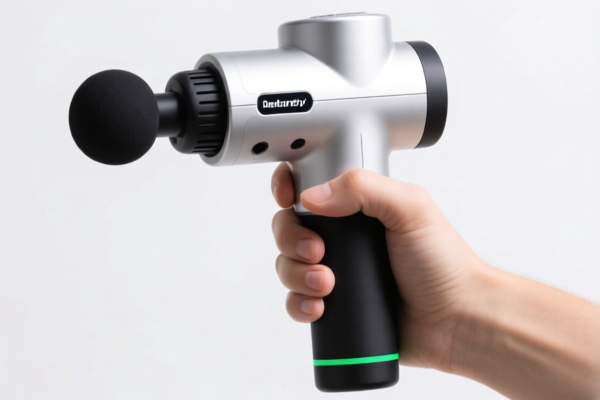
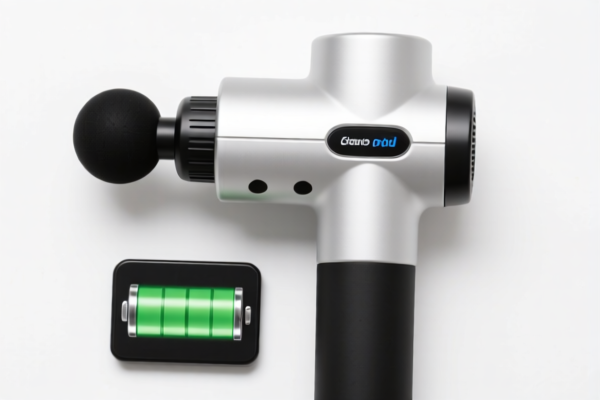
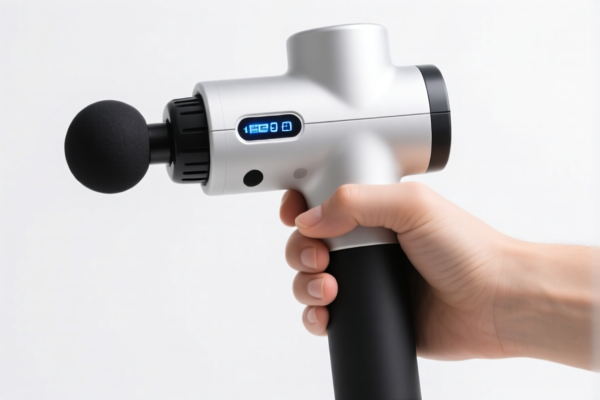
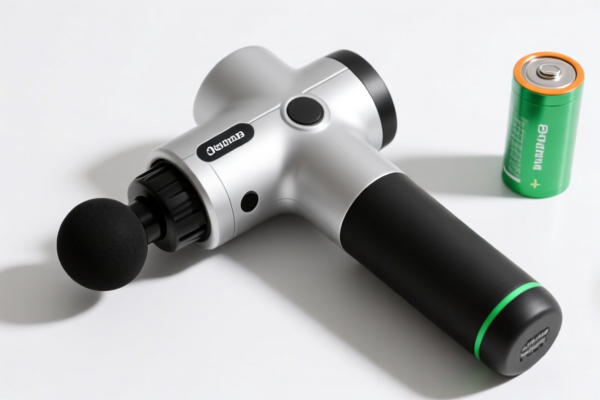
AI Analysis
🧖♂️ Back Massager (Shoulder/Back Massaging Apparatus)
🌐 HS Code Reference & Customs Clearance Guide | 2026 Latest Tariff Analysis | Professional Compliance Strategy
📌 1. Product Definition & Classification: Do You Really Understand "Back Massagers"?
A Back Massager is a device designed to relieve muscle tension and pain in the back and shoulder areas. In international trade, classification depends heavily on the primary function and power source:
- Electrical Home Appliances: Devices with their own electric motor intended for household comfort/relaxation.
- Medical/Therapeutic Apparatus: Devices explicitly designed for medical massage or physical therapy.
⚠️ Key Distinction:
- If the device is primarily a household electrical appliance with a self-contained motor for general relaxation → Often classified under 8509 (Other domestic appliances).
- If the device is explicitly designed as a massage apparatus for therapeutic/physical purposes → Classified under 9019 (Mechano-therapy appliances).
📦 2. HS Code Classification Details (2026 Latest Tariff Reference)
Based on the provided data, here are the potential classifications and their implications:
| HS Code | Product Description | Application Scenario | Primary Function |
|---|---|---|---|
8509.80.50.95 |
Other household electrical appliances with self-contained electric motor | General relaxation, home use devices with motors | ✅ Electrical Home Appliance |
8509.80.50.80 |
Other electro-mechanical household appliances | Devices inferred as "other appliances" with electric motors | ✅ Electrical Home Appliance |
9019.10.20.50 |
Massage apparatus, other | Therapeutic massage devices, classified under "other" | ✅ Therapeutic Apparatus |
9019.10.20.45 |
Massage apparatus (finished product) | Finished massage devices specifically for massage purposes | ✅ Therapeutic Apparatus |
🔍 Critical Insight:
- 8509.80.50.xx codes classify the item as a household electrical appliance. This is often used for massagers that are marketed primarily for general comfort rather than medical therapy.
- 9019.10.20.xx codes classify the item as a massage apparatus (medical/therapeutic category). This is typically more precise for devices explicitly designed for massage.
💰 3. 2026 Latest Tariff Rate Breakdown (Including Surtaxes)
✅ Applicable Country: United States (US)
✅ Country of Origin: China (CN)
✅ Effective Date: Rates apply to imports from China, including Section 301 and IEEPA surcharges.
🎯 1. 8509.80.50.95 & 8509.80.50.80 —— Household Electrical Appliances (With Motor)
| Item | Detail |
|---|---|
| Base Duty Rate | 4.2% |
| Surtax (Section 301/122) | 10.0% |
| Total Tax Rate | 14.2% |
| Tax Calculation | CIF Value × 14.2% |
| Legal Basis | Base Tariff: 4.2% + Section 122 Surcharge: 10% |
| Notes | These codes treat the massager as a standard home appliance. The 10% surcharge is applied due to China origin. |
📌 Explanation:
- Base Tariff (4.2%): Standard duty for "Other domestic appliances with self-contained electric motor."
- Section 122 Surtax (10%): Additional tariff applied to specific Chinese goods.
- Total Burden: 14.2% is moderate but significant for low-margin products.
🎯 2. 9019.10.20.50 & 9019.10.20.45 —— Massage Apparatus (Therapeutic/Medical Category)
| Item | Detail |
|---|---|
| Base Duty Rate | 0.0% |
| Surtax (Section 301/122) | 10.0% |
| Total Tax Rate | 10.0% |
| Tax Calculation | CIF Value × 10.0% |
| Legal Basis | Base Tariff: 0.0% + Section 122 Surcharge: 10% |
| Notes | These codes classify the item specifically as a massage apparatus. The base duty is lower, resulting in a lower total tariff. |
📌 Explanation:
- Base Tariff (0.0%): Massage apparatus under HS 9019 often enjoy lower base duties.
- Section 122 Surtax (10%): Even with a 0% base duty, the 10% surcharge still applies to Chinese goods.
- Total Burden: 10.0% is more cost-effective than the 14.2% rate for household appliances.
🛠️ 4. Customs Clearance Practical Advice (Pitfall Avoidance Guide)
✅ 1. Documentation Checklist (Must-Haves)
| Document | Required? | Description |
|---|---|---|
| ✅ Product Specification Sheet | ✔️ | Must clearly state "Massage Apparatus" or "Home Appliance" based on marketing. |
| ✅ Circuit Diagram | ✔️ | To prove the presence/absence of medical-grade components if claiming 9019. |
| ✅ Product Photos | ✔️ | Showing the device in use, labels, and power supply. |
| ✅ Commercial Invoice | ✔️ | Clearly describe the product. Use terms like "Back Massager" or "Therapeutic Massage Device." |
| ✅ Origin Certificate | ✔️ | To confirm China origin (triggers surcharges). |
✅ 2. Declaration Strategy (Key Tips)
🔥 “Function First, Label Smart, Tax Lower!”
| Scenario | Recommended HS Code | Why? |
|---|---|---|
| Marketing as "Relaxation/Home Use" | 8509.80.50.95 |
Safer if device is not certified for medical use. Higher tax (14.2%). |
| Marketing as "Therapeutic/Massage" | 9019.10.20.45 |
Lower tax (10.0%). Must support claim with product description/design. |
| Ambiguous Description | ⚠️ Risk | Customs may reclassify, causing delays. Be precise. |
📌 Note:
- If the device is not certified as a medical device, customs may still classify it under 9019 if its primary function is massage.
- 9019 codes are generally preferred for cost-saving (10% vs 14.2%).
✅ 3. Special Cases
| Case | Advice |
|---|---|
| OEM/White Label | Ensure the product description matches the intended classification. If it’s a "massage apparatus," declare as such. |
| Combined with Heat/Vibration | Still falls under massage apparatus if massage is primary function. |
| Battery-Powered vs. Plug-in | Both can be 9019.10.20.xx or 8509.80.50.xx. Focus on function, not power source. |
🌍 5. Global Market Comparison (2026 Update)
| Country/Region | Recommended HS Code | Total Duty (China Origin) | Notes |
|---|---|---|---|
| 🇺🇸 USA | 9019.10.20.45 |
10.0% | Best option. Lower base duty. |
| 🇺🇸 USA | 8509.80.50.95 |
14.2% | Higher duty. Use if 9019 is not applicable. |
| 🇨🇳 China | 8471.99.00 |
~5-10% | Import into China may have different rules. |
| 🇪🇺 EU | 9019.10.00 |
0% (if CE certified) | No Section 122 surcharge in EU. |
| 🇬🇧 UK | 9019.10.00 |
0% | Post-Brexit rules apply. |
📌 Conclusion:
- USA has high surcharges. 9019.10.20.45 is the optimal choice for cost efficiency.
- EU/UK have lower or no surcharges for massage apparatus, making them more attractive for exports.
📌 6. Common Mistakes & Pitfalls
❌ Mistake 1: Classifying as 8509 when product is clearly a "massage apparatus"
👉 Consequence: Overpaying tax (14.2% vs 10%).
✅ Fix: Use 9019.10.20.45 if function is massage.
❌ Mistake 2: Claiming 9019 without proper documentation
👉 Consequence: Customs may reclassify to 8509 or demand additional proof.
✅ Fix: Provide product specs showing massage function.
❌ Mistake 3: Ignoring Section 122 Surcharge
👉 Consequence: Unexpected tax liability.
✅ Fix: Always factor in the 10% surcharge for China-origin goods.
🎯 7. Conclusion: Smart Classification, Lower Costs!
🎯 Key Takeaway:
🔹 For USA Imports: Choose
9019.10.20.45(10% total duty) over8509.80.50.95(14.2% total duty) to save 4.2%.
🔹 Documentation is Key: Ensure product descriptions support the "massage apparatus" classification.
🔹 Surcharges Apply: Regardless of HS code, the 10% Section 122 surcharge applies to China-origin goods.
📌 Pro Tip:
If your back massager has therapeutic claims (e.g., "pain relief," "muscle therapy"), lean towards 9019.10.20.45.
If it’s purely for comfort/relaxation, 8509.80.50.95 is safer but more expensive.
📣 Action Required:
📞 Consult with a customs broker to confirm classification based on your product’s specific marketing and design.
🚀 Optimize your supply chain by choosing the most tax-efficient HS code.
✨ Precise Classification Saves Money!
💼 Every percentage point counts in international trade!
Customer Reviews
About HS Code Classification
The Harmonized System (HS) is an internationally standardized nomenclature developed by the World Customs Organization (WCO) to classify traded products. Over 200 countries use the HS system as the basis for customs tariffs, trade statistics, and import/export regulations.
Each HS code follows a hierarchical structure:
- Chapter (2 digits) — Broad category of goods (e.g., Chapter 84: Machinery and Mechanical Appliances)
- Heading (4 digits) — More specific grouping within the chapter
- Subheading (6 digits) — Internationally standardized breakdown, used by all WCO member countries
- National subdivisions (8-10 digits) — Country-specific extensions for further classification, such as US HTSUS 10-digit codes
Correct HS code classification is essential for smooth customs clearance, accurate duty payment, and compliance with trade regulations. Misclassification can lead to customs delays, overpayment of duties, or penalties.
When importing from CN to US, the applicable tariff rates may include:
- Most-Favored-Nation (MFN) rate — The standard duty rate applied to WTO members
- General rate — Applied to countries without trade agreements
- Trade remedy duties — Additional tariffs such as Section 301 (anti-dumping), Section 232 (national security), or countervailing duties
The information provided on this page is for reference purposes only. For official classification, please consult with your local customs authority or a licensed customs broker.