Back Stretching Stick
CN → US| HS Code | Tariff Rate | Origin | Destination | Doc |
|---|---|---|---|---|
| 4421999880 | 38.3% | CN | US | Official Doc |
| 9019102050 | 10.0% | CN | US | Official Doc |
| 9019102090 | 10.0% | CN | US | Official Doc |
| 4421919880 | 38.3% | CN | US | Official Doc |
| 9506910010 | 22.1% | CN | US | Official Doc |
| 9506910030 | 22.1% | CN | US | Official Doc |
Product Images
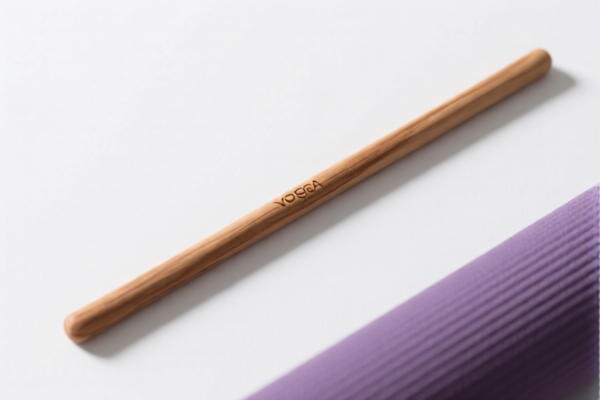
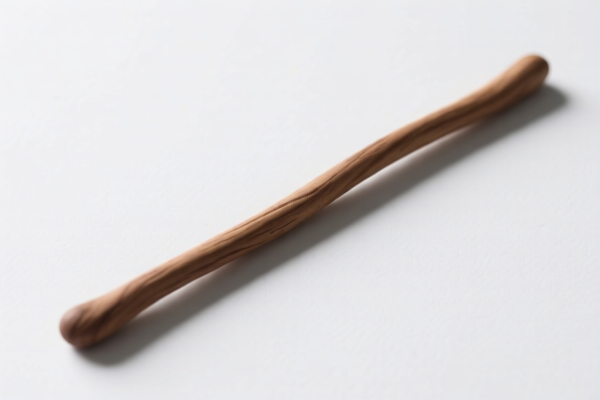
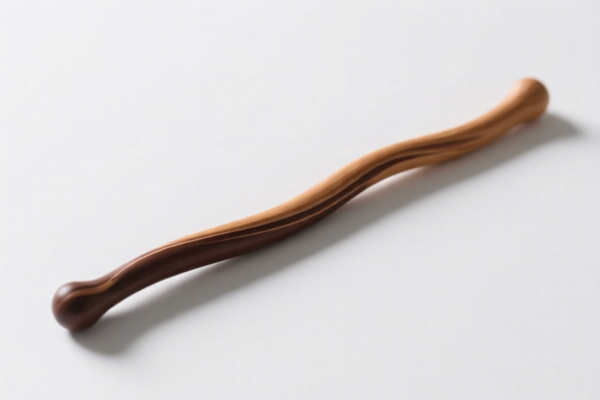
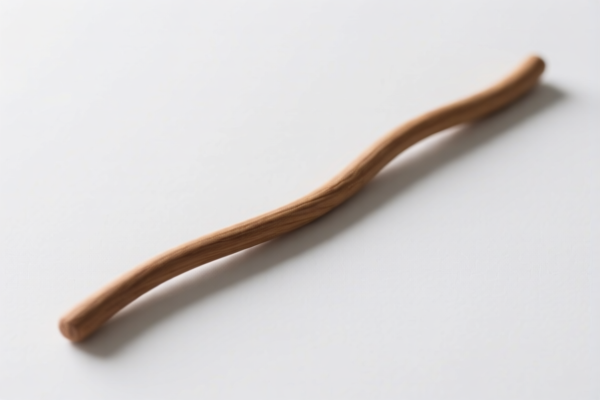
AI Analysis
🧘 Back Stretching Stick (Ergonomic Back Massager)
🌐 HS Code Classification & Customs Clearance Guide | 2026 Tax Analysis | Strategic Import Strategy
📌 Part 1: Product Definition & Core Classification Logic
The "Back Stretching Stick" is a handheld tool designed for ergonomic back relief, stretching, and myofascial release. In international trade, its classification depends heavily on two factors: Function (Massage vs. Gym Equipment) and Material (Wood/Plastic vs. Metal).
⚠️ Critical Distinction:
- If it is non-electric and used for massage/stretching → It is classified under Chapter 90 (Medical/Therapeutic Appliances).
- If it is treated as general fitness equipment (gym accessory) → It may fall under Chapter 95 (Toys/Sports).
- If the material is wood and no other specific function applies → It may fall under Chapter 44 (Wood Articles).
📦 Part 2: HS Code Classification Matrix (2026 Latest Tariff Schedule)
Based on the product description and potential material variations, here are the 5 most relevant HS Codes with their corresponding tax implications:
| HS Code | Product Description & Logic | Material/Type | Total Tax Rate (CN→US) |
|---|---|---|---|
9019.10.20.50 |
Non-electric Massage Devices Matches: Physical massage/stretching tools without motors. Fits "Other massage appliances" logic. |
Non-electric, Plastic/Metal/Wood | 10.0% |
9019.10.20.90 |
Auxiliary Massage Equipment Matches: Tools for mechanical therapy or massage assistance. Fits "Parts/Accessories for massage devices" logic. |
Non-electric, Any Material | 10.0% |
9506.91.00.10 |
Sports & Gym Equipment (Other) Matches: General fitness aids, stretching tools. Fits "Other articles for general physical exercise" logic. |
Plastic/Metal (Non-Steel/Alu/Cu) | 22.1% |
9506.91.00.30 |
General Sporting Goods Matches: Stretching devices used in fitness contexts. Fits "Other sporting goods" logic. |
Plastic/Metal (Non-Steel/Alu/Cu) | 22.1% |
4421.99.98.80 |
Other Wooden Articles Matches: Wooden stretching sticks. Classified as a generic wood product due to lack of specific fitness exemption for wood. |
Wood Only | 38.3% |
4421.91.98.80 |
Other Wooden Articles Note: Some classifiers may incorrectly assign this if material is mislabeled as wood. |
Wood/Plastic Mix (Misclassified) | 38.3% |
🔍 Key Insight:
- Best Rate: 10.0% (if classified as a massage device,9019.10.20.x).
- Medium Rate: 22.1% (if classified as general sports gear,9506.91.00.x).
- Worst Rate: 38.3% (if classified as a wooden product,4421.99.x).
💰 Part 3: Detailed Tariff Breakdown & Legal Basis (2026)
✅ Applicable Country: United States (US)
✅ Origin: China (CN)
✅ Effective Date: Post-2025 policies (Section 301, Section 122, IEEPA)
🎯 1. Category A: Massage/Therapeutic Devices (9019.10.20.50 / 9019.10.20.90)
Total Tax: 10.0%
| Component | Rate | Source |
|---|---|---|
| Base Tariff | 0.0% | HTSUS Chapter 90 General Rate |
| Section 301 (Trade War) | 0.0% | Exempted or lower rate for medical/massage items |
| Section 122 | 10.0% | New 2025/2026 Policy: Additional tariff on certain consumer goods from China |
| IEEPA | 0.0% | Not applicable to this category under current exemptions |
📌 Why 10%?
This is the most favorable classification. The "Section 122" tariff adds 10%, but the base and Section 301 rates are 0%.
Legal Basis:HTSUS:9019.10.20+Section 122 Tariff List.
🎯 2. Category B: General Sports Equipment (9506.91.00.10 / 9506.91.00.30)
Total Tax: 22.1%
| Component | Rate | Source |
|---|---|---|
| Base Tariff | 4.6% | HTSUS Chapter 95 General Rate |
| Section 301 | 7.5% | Standard Section 301 surcharge for sports goods |
| Section 122 | 10.0% | Additional tariff under new policy |
| IEEPA | 0.0% | Not applicable |
| Special Metal Surcharge | +50% | ⚠️ Only if made of Steel, Aluminum, or Copper |
📌 Why 22.1%?
Base (4.6%) + Sec 301 (7.5%) + Sec 122 (10.0%) = 22.1%.
⚠️ CRITICAL WARNING: If the stick is made of Steel, Aluminum, or Copper, an additional 50% may apply under specific metal tariffs, pushing the rate to 72.1%. Stick to Plastic or Wood to avoid this!
🎯 3. Category C: Wooden Articles (4421.99.98.80 / 4421.91.98.80)
Total Tax: 38.3%
| Component | Rate | Source |
|---|---|---|
| Base Tariff | 3.3% | HTSUS Chapter 44 General Rate |
| Section 301 | 25.0% | High surcharge for wooden consumer goods |
| Section 122 | 10.0% | Additional tariff |
| IEEPA | 0.0% | Not applicable |
📌 Why 38.3%?
Base (3.3%) + Sec 301 (25.0%) + Sec 122 (10.0%) = 38.3%.
This is the highest cost scenario. Importers should avoid classifying plastic/metal sticks as "wood" unless they are purely wooden and no other classification fits.
🛠️ Part 4: Customs Clearance Strategy & Action Plan
✅ 1. Optimal Classification Strategy
| Material | Recommended HS Code | Total Tax | Strategy |
|---|---|---|---|
| Plastic | 9019.10.20.50 |
10.0% | WINNER: Argue as "Massage Device" |
| Plastic | 9506.91.00.10 |
22.1% | Backup: Argue as "Sports Equipment" |
| Wood | 9019.10.20.50 |
10.0% | WINNER: Argue as "Massage Device" (Material doesn't change function) |
| Wood | 4421.99.98.80 |
38.3% | AVOID: High tariff due to chapter 44 |
| Metal | 9019.10.20.50 |
10.0% | WINNER: Argue as "Massage Device" |
| Metal | 9506.91.00.10 |
22.1% | Risk: If Steel/Alu/Cu, +50% penalty |
✅ 2. Documentation Checklist
To secure the 10.0% rate, you must prove the item is a massage/therapeutic device:
1. Product Description: Use terms like "Non-electric massage stick," "Myofascial release tool," "Ergonomic back massager."
❌ Avoid: "Stick," "Rod," "Wooden tool," "Gym accessory."
2. Function Statement: Include a letter stating: "This product is designed for self-administered massage and stretching to relieve muscle tension. It does not have electronic components or motors."
3. Photos: Show the stick being used on a back/shoulder. Highlight ergonomic curves.
4. Material Declaration: Clearly state material (Plastic/Wood/Metal). If plastic/wood, avoid "metal" keywords unless necessary.
✅ 3. Common Pitfalls & How to Avoid Them
| Mistake | Consequence | Solution |
|---|---|---|
Classifying as "Sports Equipment" (9506) |
Pay 22.1% instead of 10% | Emphasize medical/therapeutic benefit (pain relief) over fitness. |
Classifying Wooden Sticks as "Wood Products" (4421) |
Pay 38.3% | Argue that the function (massage) dictates classification, not just material. |
| Using Metal Sticks without Care | Pay 72.1% (+50% metal surcharge) | Use Plastic or Wood materials. If metal, ensure it's not Steel/Aluminum/Copper. |
| Vague Description | Customs Audit / Delay | Use precise HTSUS language: "Non-electric massage appliance." |
✅ 4. Pro Tip: Pre-Ruling (Advance Ruling)
- Recommendation: Apply for an CBP Advance Ruling before the first shipment.
- Argument: "The Back Stretching Stick is a non-electric device used for mechanical massage and stretching, falling under HTSUS 9019.10.20.50 as a massage appliance, not a general sports item or wood article."
- Benefit: Locks in the 10.0% rate and prevents future disputes.
🌍 Part 5: Global Market Comparison (2026)
| Country | Recommended HS Code | Total Tax | Notes |
|---|---|---|---|
| 🇺🇸 USA | 9019.10.20.50 |
10.0% | Sec 122 adds 10%; Base 0%. Best Option. |
| 🇨🇳 China | 9019.10.20.50 |
0–3% | Low duty; No Sec 301/122. |
| 🇪🇺 EU | 9019.10.20.50 |
0% | No additional tariffs; CE Marking required. |
| 🇬🇧 UK | 9019.10.20.50 |
0% | Post-Brexit tariff-free for many goods. |
📌 Conclusion:
The USA is the most complex market due to Section 122 and Section 301 tariffs.
Strategy: Always classify as Massage Device (9019) to secure 10.0%. Avoid "Sports" (9506) and "Wood" (4421) classifications to save 12–28% in taxes.
📌 Final Advice for Importers
- Product Name: Label as "Back Massage Stick" or "Ergonomic Massager", not "Stretching Stick" or "Fitness Rod."
- Material: Prefer Plastic or Wood. Avoid Steel/Aluminum/Copper to avoid the 50% metal surcharge.
- Documentation: Include a clear Function Description emphasizing massage/therapy.
- Compliance: Ensure no electronic components are included (no batteries, no motors).
🚀 Goal: Secure 10.0% Tax Rate via
9019.10.20.50.
🛑 Avoid:4421.99.98.80(38.3%) and9506.91.00(22.1%).
✨ Professional Clearance Starts with Accurate Classification!
💼 Save Money, Clear Fast, Grow Business!
Customer Reviews
About HS Code Classification
The Harmonized System (HS) is an internationally standardized nomenclature developed by the World Customs Organization (WCO) to classify traded products. Over 200 countries use the HS system as the basis for customs tariffs, trade statistics, and import/export regulations.
Each HS code follows a hierarchical structure:
- Chapter (2 digits) — Broad category of goods (e.g., Chapter 84: Machinery and Mechanical Appliances)
- Heading (4 digits) — More specific grouping within the chapter
- Subheading (6 digits) — Internationally standardized breakdown, used by all WCO member countries
- National subdivisions (8-10 digits) — Country-specific extensions for further classification, such as US HTSUS 10-digit codes
Correct HS code classification is essential for smooth customs clearance, accurate duty payment, and compliance with trade regulations. Misclassification can lead to customs delays, overpayment of duties, or penalties.
When importing from CN to US, the applicable tariff rates may include:
- Most-Favored-Nation (MFN) rate — The standard duty rate applied to WTO members
- General rate — Applied to countries without trade agreements
- Trade remedy duties — Additional tariffs such as Section 301 (anti-dumping), Section 232 (national security), or countervailing duties
The information provided on this page is for reference purposes only. For official classification, please consult with your local customs authority or a licensed customs broker.