Backrest
CN → US| HS Code | Tariff Rate | Origin | Destination | Doc |
|---|---|---|---|---|
| 4016950000 | 21.7% | CN | US | Official Doc |
| 4016100000 | 35.0% | CN | US | Official Doc |
| 9404902090 | 23.5% | CN | US | Official Doc |
| 3926907500 | 14.2% | CN | US | Official Doc |
| 3926902100 | 21.7% | CN | US | Official Doc |
Product Images
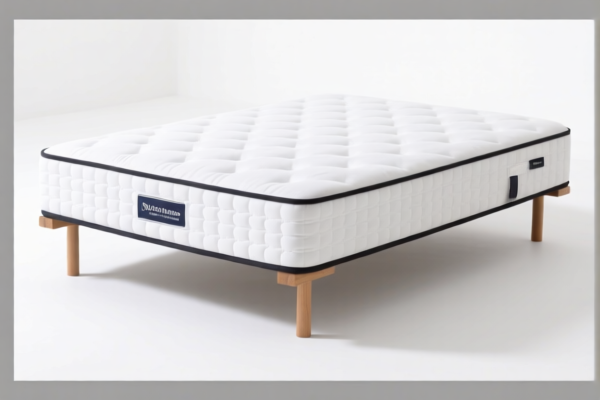
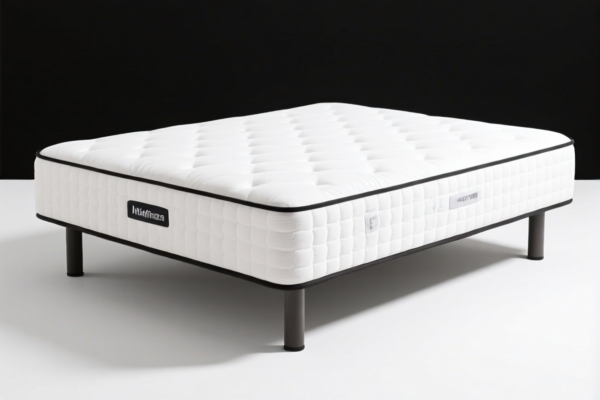
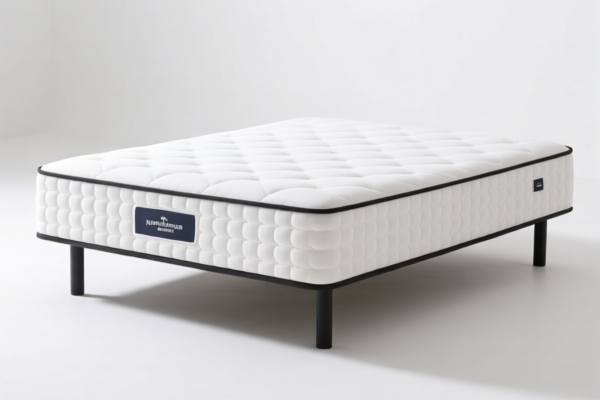
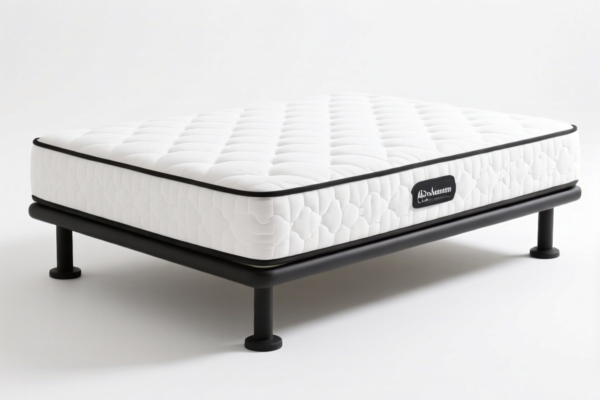
AI Analysis
🛋️ Backrest (Inflatable Furniture Component / General Purpose Support)
🌐 HS Code Reference & Customs Clearance Guide | 2026 Latest Tariff Analysis | Professional Classification Strategy
📌 I. Product Definition & Classification: What Exactly is a "Backrest"?
The term "Backrest" is broad and ambiguous in international trade, leading to significant classification risks. It generally refers to a supportive cushion or structure, typically for chairs, sofas, or automotive seats. However, its HS Code classification hinges entirely on two critical factors:
1. Material Composition (Rubber vs. Plastic/PVC vs. Textile/Foam)
2. Function/Use (Furniture Accessory vs. Inflatable Article)
⚠️ Key Classification Distinctions:
- If made of vulcanized rubber/elastomer and inflatable → Chapter 40 (Rubber)
- If made of plastic/PVC and inflatable → Chapter 39 (Plastics)
- If considered a part of furniture (cushion-like) regardless of inflation → Chapter 94 (Furniture)
📦 II. HS Code Classification Details (2026 Latest Tariff Authority Comparison)
| HS Code | Product Description | Key Matching Criteria | Material Inference |
|---|---|---|---|
4016.95.00.00 |
Other inflatable articles (Rubber) | Matches "Inflatable" form + "Backrest" function; inferred material is vulcanized rubber or similar elastic rubber, consistent with "Other inflatable articles." | Vulcanized Rubber |
4016.10.00.00 |
Cellular rubber plates, sheets, etc. | Inferred material is vulcanized rubber or similar elastic material; fits "Cellular rubber articles." No material conflict with inflatable form. | Cellular Rubber |
9404.90.20.90 |
Articles of bedding & similar furnishing (Other) | "Backrest" falls under cushions/similar furnishings; "Inflatable" form implies air fill or plastic/PVC composition, matching "Filled with any material" logic. | Plastic/PVC/Textile |
3926.90.75.00 |
Other articles of plastics (Inflatable) | Form is "Inflatable article"; material inferred as plastic/PVC based on common sense, fitting "Other inflatable articles." No material conflict. | Plastic/PVC |
3926.90.21.00 |
Other plastic articles (Life/Health Care) | Material inferred as plastic/PVC for inflatable backrests; purpose fits "Other plastic articles" category for daily care/use. No material conflict. | Plastic/PVC |
🔍 Critical Insight:
- Misclassification Risk: Declaring a PVC inflatable backrest as4016.95.00.00(Rubber) when it is clearly plastic can lead to audits and penalties.
- Tax Implication: The choice between Chapter 39 and Chapter 94 can alter the total tariff burden by 10–20 percentage points due to different base rates and Section 301 applicability.
💰 III. 2026 Latest Tariff Rate Breakdown (Including Surcharges)
✅ Applicable Country: United States (US)
✅ Origin: China (CN)
✅ Effective Date: Post-November 2025 (Current Regulations)
🎯 1. 4016.95.00.00 — Other Inflatable Articles (Rubber)
| Item | Detail |
|---|---|
| Base Tariff | 4.2% (ad valorem) |
| Section 301 Surcharge | +7.5% (Specific HTSUS footnote) |
| IEEPA Surcharge | +10% (Targeting Chinese goods) |
| Total Effective Rate | 21.7% |
| Tax Calculation | CIF Value × 21.7% |
| De Minimis Exemption | ❌ Not Eligible |
| Legal Path | USITC:4016.95.00.00 → SECTION301:4016.95.00.00 → IEEPA:9903.01.24 |
📌 Explanation:
- The 4.2% is the standard Most Favored Nation (MFN) rate for inflatable rubber articles.
- The 7.5% is the specific Section 301 tariff on this subheading.
- The 10% IEEPA tariff applies to all Chinese-origin goods under this code.
- Total: 21.7% is a moderate-to-high burden. Ensure material is indeed rubber to justify this code.
🎯 2. 4016.10.00.00 — Cellular Rubber Articles
| Item | Detail |
|---|---|
| Base Tariff | 0.0% (MFN rate for cellular rubber) |
| Section 301 Surcharge | +25.0% (General Chapter 40 surcharge) |
| IEEPA Surcharge | +10% |
| Total Effective Rate | 35.0% |
| Tax Calculation | CIF Value × 35.0% |
| De Minimis Exemption | ❌ Not Eligible |
| Legal Path | USITC:4016.10.00.00 → SECTION301:4016.10.00.00 → IEEPA:9903.01.24 |
📌 Warning:
- Although the base rate is 0%, the Section 301 surcharge is 25%, leading to a 35% total rate.
- This is the highest tax burden among all options. Avoid this code unless the product is strictly defined as "cellular rubber" without other inflatable characteristics.
🎯 3. 9404.90.20.90 — Articles of Bedding/Similar Furnishing (Other)
| Item | Detail |
|---|---|
| Base Tariff | 6.0% |
| Section 301 Surcharge | +7.5% |
| IEEPA Surcharge | +10% |
| Total Effective Rate | 23.5% |
| Tax Calculation | CIF Value × 23.5% |
| De Minimis Exemption | ❌ Not Eligible |
| Legal Path | USITC:9404.90.20.90 → SECTION301:9404.90.20.90 → IEEPA:9903.01.24 |
📌 Strategy:
- This code is ideal if the backrest is marketed as a cushion or furniture accessory rather than a standalone inflatable toy.
- The 6% base rate is higher than rubber/plastic inflatable codes, but the Section 301 rate remains 7.5%.
- Total 23.5% is slightly higher than the rubber inflatable option but may be more defensible for "furniture" claims.
🎯 4. 3926.90.75.00 — Other Plastic Articles (Inflatable)
| Item | Detail |
|---|---|
| Base Tariff | 4.2% |
| Section 301 Surcharge | 0.0% (Specific exemption/subheading note) |
| IEEPA Surcharge | +10% |
| Total Effective Rate | 14.2% |
| Tax Calculation | CIF Value × 14.2% |
| De Minimis Exemption | ❌ Not Eligible |
| Legal Path | USITC:3926.90.75.00 → SECTION301:3926.90.75.00 → IEEPA:9903.01.24 |
🏆 Optimal Choice for PVC Plastic Backrests:
- Lowest Total Tariff: 14.2%.
- The Section 301 surcharge is 0% for this specific subheading.
- 10% IEEPA still applies.
- Justification: If the product is clearly PVC/Plastic and inflatable, this is the most cost-effective and accurate classification.
🎯 5. 3926.90.21.00 — Other Plastic Articles (Life/Health Care)
| Item | Detail |
|---|---|
| Base Tariff | 4.2% |
| Section 301 Surcharge | +7.5% |
| IEEPA Surcharge | +10% |
| Total Effective Rate | 21.7% |
| Tax Calculation | CIF Value × 21.7% |
| De Minimis Exemption | ❌ Not Eligible |
| Legal Path | USITC:3926.90.21.00 → SECTION301:3926.90.21.00 → IEEPA:9903.01.24 |
📌 Note:
- Similar to4016.95.00.00in total rate (21.7%).
- Use only if the backrest is specifically designed for medical or care purposes (e.g., hospital bed cushions).
- Otherwise,3926.90.75.00is superior due to lower Section 301 burden.
🛠️ IV. Customs Clearance Practical Advice (Pitfall Avoidance Guide)
✅ 1. Documentation Checklist (Mandatory)
| Document | Required? | Purpose |
|---|---|---|
| ✅ Product Specification Sheet | ✔️ | Must state Material (e.g., PVC, Rubber, Foam) and Structure (Inflatable, Solid, Cushion). |
| ✅ Product Photos | ✔️ | Clear images showing seams, valves (if inflatable), and overall form factor. |
| ✅ Bill of Materials (BOM) | ✔️ | Breakdown of materials (e.g., "Outer Shell: PVC; Inner Liner: Nylon"). |
| ✅ Commercial Invoice | ✔️ | Must describe item accurately: "Inflatable Plastic Backrest, Model XYZ, for Sofa Use" |
| ✅ Packing List | ✔️ | Confirm quantity and packaging details. |
✅ 2. Classification Strategy (Key Rules)
| Scenario | Recommended HS Code | Reasoning |
|---|---|---|
| PVC Inflatable Backrest | 3926.90.75.00 |
Lowest Tax (14.2%). Matches "Inflatable Plastic Article." |
| Rubber Inflatable Backrest | 4016.95.00.00 |
Moderate Tax (21.7%). Matches "Inflatable Rubber Article." |
| Foam/Textile Cushion Backrest | 9404.90.20.90 |
Moderate Tax (23.5%). Matches "Furniture Accessory/Cushion." |
| Medical/Health Care Backrest | 3926.90.21.00 |
Higher Tax (21.7%). Only if specific medical use is proven. |
🔥 "Inflatable = Chapter 39/40; Cushion = Chapter 94"
✅ 3. Common Errors & Consequences
❌ Error 1: Misidentifying PVC as Rubber
👉 Consequence: Using 4016.95.00.00 (21.7%) instead of 3926.90.75.00 (14.2%) → 7.5% unnecessary tax penalty.
❌ Error 2: Declaring "Backrest" without material specification
👉 Consequence: Customs may select the highest applicable code or request additional testing → Delays and Demurrage Charges.
❌ Error 3: Using 9404.90.20.90 for inflatable PVC goods
👉 Consequence: While possible, it may trigger scrutiny for "Inflatable Articles" which are better classified in Chapter 39. Risk of reclassification.
✅ Best Practice Declaration Example:
"Inflatable Backrest, Made of PVC Plastic, Air-Filled, for Home Sofa Use, Non-Medical, Model ABC123"
🌍 V. Global Market Comparison (2026)
| Market | Recommended HS Code | Estimated Total Tariff (China Origin) | Key Requirement |
|---|---|---|---|
| 🇺🇸 USA | 3926.90.75.00 |
14.2% | IEEPA 10% + Base 4.2% |
| 🇨🇳 China | 3926.90.75.00 |
~4-6% (Import Duty) | No IEEPA. Standard MFN rate. |
| 🇪🇺 EU | 3926.90.97 |
~4-5% | CE Marking required. |
| 🇦🇺 Australia | 3926.90.90 |
~5% | No significant surcharges. |
📌 Conclusion:
- USA is the most tax-sensitive market due to IEEPA and Section 301.
- Choosing3926.90.75.00for PVC backrests saves ~7.5% compared to other codes.
📌 VI. Final Recommendations
- Identify Material Precisely:
- If PVC/Plastic → Use
3926.90.75.00(14.2%). - If Rubber → Use
4016.95.00.00(21.7%). -
If Foam/Textile → Use
9404.90.20.90(23.5%). -
Avoid "Cellular Rubber" (
4016.10.00.00) unless strictly necessary, as the 35% total rate is prohibitively expensive. -
Provide Detailed Specs: Always include material composition in the commercial invoice and product description to justify the HS Code and avoid customs audits.
-
Pre-Ruling Consideration: For high-volume shipments, consider applying for a Binding Tariff Information (BTI) or US Customs Pre-Ruling to lock in the classification and mitigate risk.
🎯 Remember:
🔹 "PVC Inflatable = 14.2% (Best)"
🔹 "Rubber Inflatable = 21.7%"
🔹 "Furniture Cushion = 23.5%"
🔹 "Cellular Rubber = 35.0% (Avoid!)"
📣 Action Item:
📞 Verify Material with Supplier
📄 Update Invoice Description
🚀 Declare Using3926.90.75.00for PVC Backrests to Optimize Costs
✨ Professional Clearance Starts with Accurate Classification!
💼 Your Every Cent Counts in International Trade!
Customer Reviews
About HS Code Classification
The Harmonized System (HS) is an internationally standardized nomenclature developed by the World Customs Organization (WCO) to classify traded products. Over 200 countries use the HS system as the basis for customs tariffs, trade statistics, and import/export regulations.
Each HS code follows a hierarchical structure:
- Chapter (2 digits) — Broad category of goods (e.g., Chapter 84: Machinery and Mechanical Appliances)
- Heading (4 digits) — More specific grouping within the chapter
- Subheading (6 digits) — Internationally standardized breakdown, used by all WCO member countries
- National subdivisions (8-10 digits) — Country-specific extensions for further classification, such as US HTSUS 10-digit codes
Correct HS code classification is essential for smooth customs clearance, accurate duty payment, and compliance with trade regulations. Misclassification can lead to customs delays, overpayment of duties, or penalties.
When importing from CN to US, the applicable tariff rates may include:
- Most-Favored-Nation (MFN) rate — The standard duty rate applied to WTO members
- General rate — Applied to countries without trade agreements
- Trade remedy duties — Additional tariffs such as Section 301 (anti-dumping), Section 232 (national security), or countervailing duties
The information provided on this page is for reference purposes only. For official classification, please consult with your local customs authority or a licensed customs broker.