Backrest Chair
CN → US| HS Code | Tariff Rate | Origin | Destination | Doc |
|---|---|---|---|---|
| 6307909885 | 24.5% | CN | US | Official Doc |
| 3926305000 | 22.8% | CN | US | Official Doc |
| 3926909989 | 22.8% | CN | US | Official Doc |
| 9404902090 | 23.5% | CN | US | Official Doc |
| 6307909891 | 24.5% | CN | US | Official Doc |
Product Images
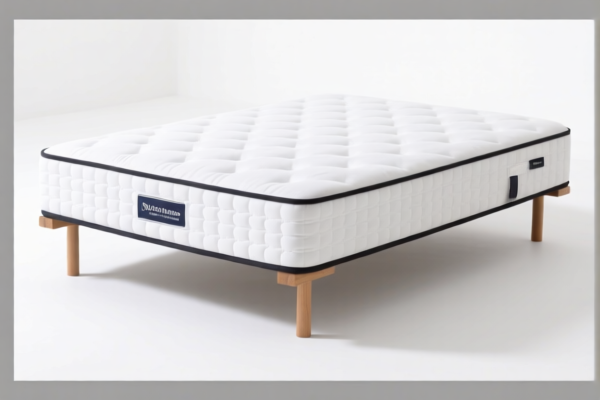
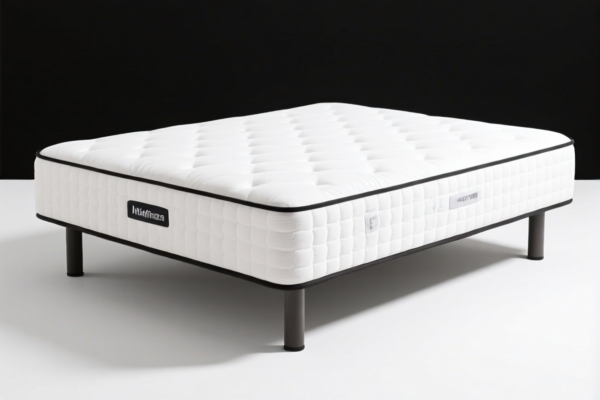
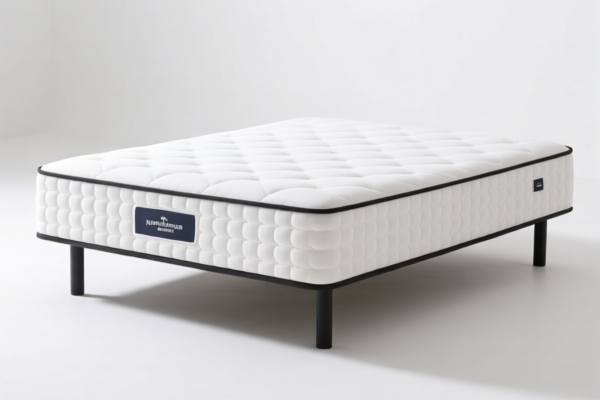
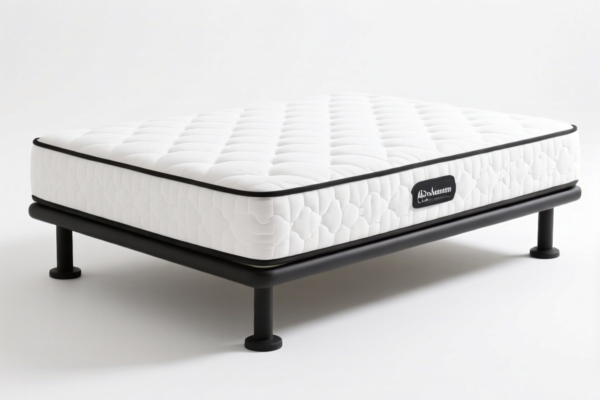
AI Analysis
🪑 Backrest Chair Cushions / Chair Backrests (Furniture Accessories)
🌐 HS Code Reference & Customs Clearance Guide | 2026 Latest Tariff Analysis | Professional Compliance Strategy
📌 I. Product Definition: What is a "Backrest Chair"?
In the context of international trade and customs classification, "Backrest Chair" typically refers to chair backrests, seat cushions, or padding assemblies used for dining chairs, office chairs, or general furniture. These are not complete chairs but rather accessories or components designed to enhance comfort or aesthetic appeal.
The classification depends heavily on material composition and intended use: - Textile-based: Made from cotton, polyester, or synthetic fabrics → Falls under Chapter 63 (Other made-up textile articles). - Plastic/Polymers-based: Rigid plastic backrests or foam-filled plastic cushions → Falls under Chapter 39 (Articles of plastics). - Filled/Pad-based: Materials filled with sponge, foam, or rubber → Falls under Chapter 94 (Furniture; bedding; mattresses).
⚠️ Key Distinction Point:
- If the item is a fabric-covered cushion with textile surface → 6307.90
- If the item is a plastic shell or plastic foam part → 3926.90
- If the item is a filled pad (sponge/foam) regardless of cover → 9404.90
📦 II. HS Code Classification Details (2026 Latest Tariff Authority对照)
Based on the provided data, here are the five possible HS Code classifications for "Backrest Chair" products, along with their logical justifications and tax implications.
| HS Code | Product Description | Justification from Data | Material Logic |
|---|---|---|---|
6307.90.98.85 |
Other Made-up Textile Articles | "Backrest cushions are finished products, matching form and use. Material likely cotton or man-made fibers, classified under other finished goods." | Textile/Fabric (Cotton, Polyester, etc.) |
3926.30.50.00 |
Other Articles of Plastics (Furniture Connectors/Fittings) | "Infers plastic material. Classified as other plastic articles among furniture connectors/accessories, logically matching furniture use parts." | Rigid Plastic (Hards, Shells, Connectors) |
3926.90.99.89 |
Other Articles of Plastics (Extended Use) | "Backrest cushions are extended-use plastic or textile products. Material inferred as plastic, sponge, or fabric, classified under other articles." | Plastic/Composite (Foam, Hard Plastic) |
9404.90.20.90 |
Other Mattress Support Articles (Furniture Parts) | "Product is in pad/cushion form, matching filled product use. Material does not conflict with fillings or rubber/plastic-like materials." | Filled/Foam (Sponge, Foam, Rubber-like) |
6307.90.98.91 |
Other Made-up Textile Articles (General) | "Product is a finished good, fitting the 'other finished goods' category. No material conflicts, not in specific exclusion lists." | Textile/Fabric (General Textile) |
🔍 Critical Insight:
- Textile Covers dominate the classification for standard cushioned backrests → 6307.90 series.
- Plastic Shells or Foam Cores without textile covers fall under 3926 or 9404.
- Customs Authorities often scrutinize the primary material (e.g., if 70% is foam, 30% fabric, it may still be classified as textile or furniture part depending on country rules).
💰 III. 2026 Latest Tariff Rate Breakdown (Including Surtaxes & Policy Surcharges)
✅ Applicable Country: United States (US)
✅ Origin: China (CN)
✅ Effective Time: 2025+ (Including subsequent imports)
🎯 1. 6307.90.98.85 & 6307.90.98.91 —— Textile-Based Backrest Cushions
These two codes share the same tax structure according to the data.
| Item | Content |
|---|---|
| Base Tariff | 7.0% (ad valorem) |
| Surtax (Section 301) | +7.5% |
| Section 122 Surcharge | +10.0% |
| Total Tariff Rate | 24.5% |
| Tax Calculation | CIF Value × 24.5% |
| De Minimis Exemption | ❌ Not Eligible (High tax burden) |
| Legal Basis Path | Base Tariff → Surtax → Section 122 |
📌 Explanation:
- Base 7.0%: Standard US Most Favored Nation (MFN) rate for other made-up textile articles.
- Surtax 7.5%: Additional tariff under US Trade Act Section 301 for Chinese goods.
- Section 122 10%: Specific surcharge applicable to certain imports from China.
- Total 24.5%: This is the effective landed cost multiplier for textile-based chair cushions from China.
🎯 2. 3926.30.50.00 —— Plastic Furniture Connectors/Fittings
| Item | Content |
|---|---|
| Base Tariff | 5.3% (ad valorem) |
| Surtax (Section 301) | +7.5% |
| Section 122 Surcharge | +10.0% |
| Total Tariff Rate | 22.8% |
| Tax Calculation | CIF Value × 22.8% |
| De Minimis Exemption | ❌ Not Eligible |
| Legal Basis Path | Base Tariff → Surtax → Section 122 |
📌 Explanation:
- Base 5.3%: Lower base rate for plastic articles of furniture.
- Total 22.8%: Slightly lower than textile options due to a lower base rate, but still high due to surcharges.
🎯 3. 3926.90.99.89 —— Other Plastic Articles (Extended Use)
| Item | Content |
|---|---|
| Base Tariff | 5.3% (ad valorem) |
| Surtax (Section 301) | +7.5% |
| Section 122 Surcharge | +10.0% |
| Total Tariff Rate | 22.8% |
| Tax Calculation | CIF Value × 22.8% |
| De Minimis Exemption | ❌ Not Eligible |
| Legal Basis Path | Base Tariff → Surtax → Section 122 |
📌 Explanation:
- Identical tax structure to3926.30.50.00.
- Total 22.8%: Best among plastic options, but still subject to significant surcharges.
🎯 4. 9404.90.20.90 —— Filled Furniture Parts (Pads/Cushions)
| Item | Content |
|---|---|
| Base Tariff | 6.0% (ad valorem) |
| Surtax (Section 301) | +7.5% |
| Section 122 Surcharge | +10.0% |
| Total Tariff Rate | 23.5% |
| Tax Calculation | CIF Value × 23.5% |
| De Minimis Exemption | ❌ Not Eligible |
| Legal Basis Path | Base Tariff → Surtax → Section 122 |
📌 Explanation:
- Base 6.0%: Middle-ground base rate for furniture parts.
- Total 23.5%: Slightly higher than plastic options due to a higher base rate.
- Note: This is often the most accurate classification for foam-filled cushions, even if covered in fabric, if the filling is the essential character.
🛠️ IV. Customs Clearance Practical Advice (Battle-Proven Pitfall Guide)
✅ 1. Documentation Checklist (Mandatory)
| Document | Required? | Description |
|---|---|---|
| ✅ Product Spec Sheet | ✔️ | Material composition (e.g., "100% Polyester Cover, Polyester Foam Fill"). |
| ✅ Material Breakdown | ✔️ | Crucial for distinguishing between 6307 (Textile) and 9404 (Furniture/Filled). |
| ✅ Product Photos | ✔️ | Clear images showing the item’s structure (is it rigid plastic or soft fabric?). |
| ✅ Commercial Invoice | ✔️ | Must accurately describe the item (e.g., "Chair Backrest Cushion, Filled"). |
| ✅ Packing List | ✔️ | Consistent with invoice; show quantity and weight. |
| ✅ Origin Certificate | ✔️ | If claiming non-Chinese origin, provide valid CO. |
✅ 2. Declaration Strategy (Key Mantra)
🔥 "Material First, Function Second, Name Specific, Tax Minimized!"
| Scenario | Correct Declaration | Wrong Practice |
|---|---|---|
| Fabric-covered foam cushion | 6307.90.98.85 or 9404.90.20.90 |
Misdeclare as "Furniture Part" → Higher risk of audit |
| Rigid plastic backrest shell | 3926.30.50.00 or 3926.90.99.89 |
Misdeclare as "Textile" → Incorrect classification |
| Complete chair (with frame) | Not applicable (This guide is for backrests/cushions) | Include frame in cushion declaration → Classification error |
| Mixed materials (Plastic + Fabric) | Declare primary material or essential character | Vague description → Customs delay |
📌 Strategic Tip:
- If the item is primarily fabric-covered,6307.90.98.85(24.5%) is common.
- If the item is primarily foam/filled,9404.90.20.90(23.5%) may be more accurate and slightly cheaper.
- If the item is plastic,3926series (22.8%) is the lowest tax option.
- Always verify the "essential character" to avoid misclassification penalties.
✅ 3. Special Cases & Handling
| Scenario | Handling Advice |
|---|---|
| OEM Custom Cushions | Provide client design + material specs. Avoid "generic" terms. |
| Filled with Recycled Foam | No special tariff benefit. Still subject to 23.5%. |
| Export to USA from China | High Tariff Risk. All options >22%. Consider sourcing from Vietnam/Mexico for lower rates if possible. |
| De Minimis (Section 321) | ❌ Not Applicable. All HS codes listed have total taxes >22%, which exceeds the de minimis threshold for duty-free entry. |
🌍 V. Global Market Comparison (2026 Latest)
| Country/Region | Recommended HS Code | Total Tariff (China Origin) | Key Certification | Notes |
|---|---|---|---|---|
| 🇺🇸 USA | 6307.90.98.85 / 9404.90.20.90 |
23.5% ~ 24.5% | None specific for furniture | High surcharges apply. |
| 🇨🇳 China | 6307.90.98.85 |
~7-10% (Import Duty) | GB Standards | Low import duty, no surtaxes. |
| 🇪🇺 EU | 6307.90.98.85 |
~7-12% | CE (if applicable) | No Section 301-like surtaxes. |
| 🇬🇧 UK | 6307.90.98.85 |
~7-12% | UKCA | Post-Brexit standards apply. |
| 🇦🇺 Australia | 6307.90.98.85 |
~5-10% | RCM (if electrical, N/A) | Lower general tariffs. |
📌 Conclusion:
- USA is the most expensive market for Chinese-made backrest cushions due to Section 301 and Section 122 surcharges.
- Total Tariff Range: 22.8% to 24.5%.
- Recommendation: For US market, consider supply chain diversification (e.g., Vietnam, India) to avoid these surcharges.
📌 VI. Common Errors & Pitfall Guide (Lessons Learned)
❌ Error 1: Declaring "Chair Cushion" as "Textile Blanket"
👉 Consequence: Misclassification → Penalty + Back Taxes.
❌ Error 2: Ignoring "Section 122" Surcharge
👉 Consequence: Underestimating landed cost by 10%. Total cost becomes 30%+ of CIF.
❌ Error 3: Using "Part of Chair" without material detail
👉 Consequence: Customs may select the highest duty rate code arbitrarily.
❌ Error 4: Assuming De Minimis applies
👉 Consequence: Shipments seized or held for duty payment. De Minimis does not apply to high-tariff Chinese goods.
✅ Correct Declaration Example:
"Chair Backrest Cushion, 18x18 inches, 100% Polyester Cover, Polyester Foam Fill, Made in China, HS: 6307.90.98.85"
🎯 VII. Conclusion: Professional Declaration, Cost Efficiency!
🎯 Remember the Mantra:
🔹 "Material is King, Surcharge is Queen, 24.5% is the Real Cost!"
🔹 "Don't guess HS Code, get Pre-Ruling. Don't ignore Surtaxes, lose profit!"
📌 Pro Tip:
If your backrest cushions are originating from Vietnam, Mexico, or India, you may qualify for lower or zero surtaxes.
Recommendation: Apply for HS Code Pre-Ruling before shipment to avoid clearance delays.
📣 Immediate Action:
📞 Contact a licensed customs broker + Provide material specs + Request HS Code Pre-Ruling
🚀 Let your furniture accessories clear smoothly, maximize margins, and scale globally!
✨ Professional Customs Clearance Starts with Accurate Classification!
💼 Every Dollar of Tariff, Precisely Calculated!
Customer Reviews
About HS Code Classification
The Harmonized System (HS) is an internationally standardized nomenclature developed by the World Customs Organization (WCO) to classify traded products. Over 200 countries use the HS system as the basis for customs tariffs, trade statistics, and import/export regulations.
Each HS code follows a hierarchical structure:
- Chapter (2 digits) — Broad category of goods (e.g., Chapter 84: Machinery and Mechanical Appliances)
- Heading (4 digits) — More specific grouping within the chapter
- Subheading (6 digits) — Internationally standardized breakdown, used by all WCO member countries
- National subdivisions (8-10 digits) — Country-specific extensions for further classification, such as US HTSUS 10-digit codes
Correct HS code classification is essential for smooth customs clearance, accurate duty payment, and compliance with trade regulations. Misclassification can lead to customs delays, overpayment of duties, or penalties.
When importing from CN to US, the applicable tariff rates may include:
- Most-Favored-Nation (MFN) rate — The standard duty rate applied to WTO members
- General rate — Applied to countries without trade agreements
- Trade remedy duties — Additional tariffs such as Section 301 (anti-dumping), Section 232 (national security), or countervailing duties
The information provided on this page is for reference purposes only. For official classification, please consult with your local customs authority or a licensed customs broker.