Bag Buckle
CN → US| HS Code | Tariff Rate | Origin | Destination | Doc |
|---|---|---|---|---|
| 8308100000 | 0.0% | CN | US | Official Doc |
| 9606292000 | 0.0% | CN | US | Official Doc |
| 6117909035 | 32.1% | CN | US | Official Doc |
| 9606296000 | 37.9% | CN | US | Official Doc |
| 6117909025 | 32.1% | CN | US | Official Doc |
Product Images
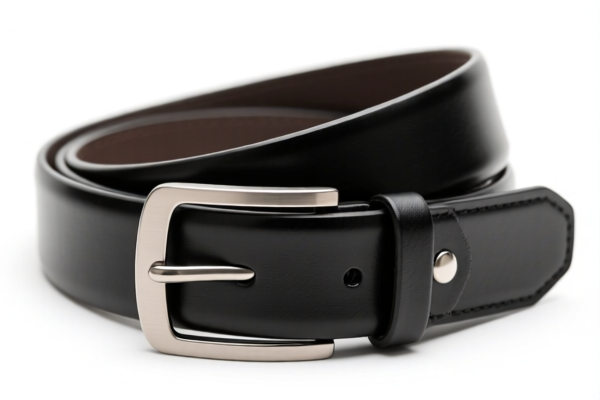
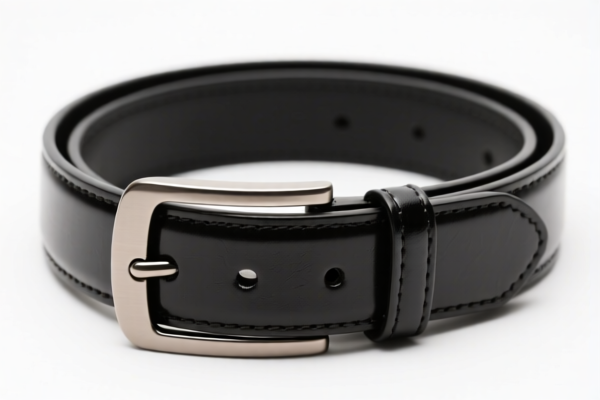
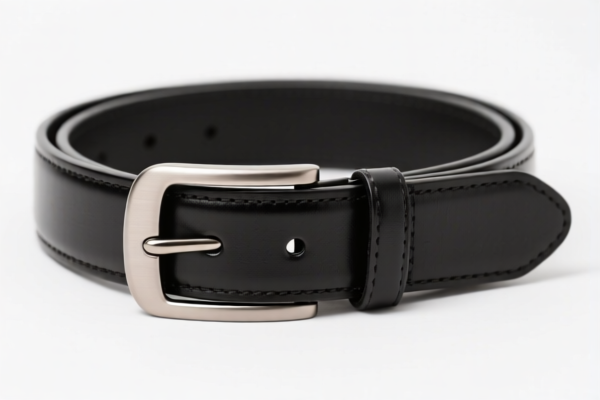
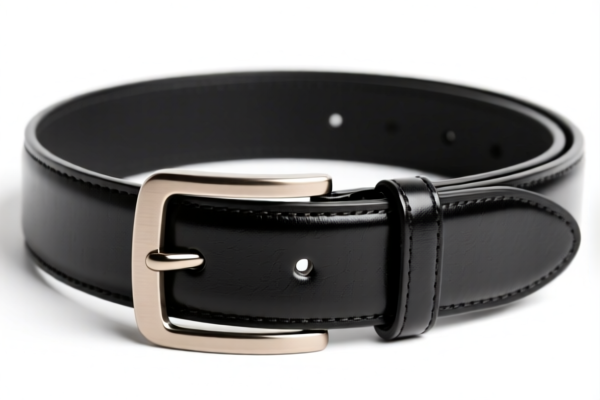
AI Analysis
🎀 Bag Buckle (Clothing/Fashion Accessories)
🌐 HS Code Reference & Customs Clearance Guide | 2026 Latest Tariff Analysis | Professional Clearance Strategy
📌 One, Product Definition & Classification: What exactly is a "Bag Buckle"?
A Bag Buckle (often referred to as a Fabric-Covered Buckle or Cloth-Buckled Clasp) is a hardware accessory commonly used in handbags, backpacks, wallets, and apparel. Its structure typically consists of a base material (often non-ferrous metal, resin, or plastic) completely covered by textile/fabric material to match the bag’s aesthetic.
In international trade, the classification depends heavily on the core material and the primary function: * Metal Core + Fabric Cover: Often classified under Metal Fasteners (8308). * Resin/Plastic Core + Fabric Cover: Often classified under Buttons (9606). * Knitted/Crocheted Fabric Attachment: Classified under Knitted/Crocheted Apparel Accessories (6117).
⚠️ Key Distinction Point:
- If the core is metal and it functions as a hook, eye, or clasp → HS 8308.10.00.00
- If the core is resin/plastic and it functions as a button (two-hole, four-hole) → HS 9606.29.xxxxxx
- If it is made of knitted/crocheted fabric without a distinct hard core → HS 6117.90.90.xxxx
📦 Two, HS Code Classification Details (2026 Latest Tariff Authority Comparison)
| HS Code | Product Description | Core Material | Tax Rate Structure |
|---|---|---|---|
8308.10.00.00 |
Metal Core Buckles: Hooks, eyes, eyelets, clasps. Core is base metal, covered in fabric. | Base Metal | 1.1¢/kg + 2.9% + 35.0% |
9606.29.20.00 |
Buttons: Resin/plastic core, fabric-covered. Form fits button definition. | Resin/Plastic | 0.3¢/line/gross + 4.5% + 35.0% |
6117.90.90.35 |
Knitted/Crocheted Accessories: Non-cotton, non-wool, non-synthetic fabric wrapping. | Textile Core | 32.1% |
9606.29.60.00 |
Buttons: Button type, fabric cover, no material conflict with general button class. | Resin/Plastic | 37.9% |
6117.90.90.25 |
Knitted/Crocheted Accessories: Common component of apparel accessories, knitted/crocheted. | Textile Core | 32.1% |
🔍 Important Reminder:
- 8308 applies when the metal core provides the structural integrity, regardless of the fabric cover. - 9606 applies when the item is clearly a button (e.g., sewn on with holes) with a resin/plastic core. - 6117 is a "catch-all" for fabric-based accessories that do not fit the metal or hard-button definitions, specifically knitted/crocheted items.
💰 Three, 2026 Latest Tariff Rate Details (Including Additional Taxes & Policy Surcharges)
✅ Applicable Country: United States (US)
✅ Origin: China (CN)
✅ Effective Date: Post-November 2025 (Current Trade Policy)
🎯 1. 8308.10.00.00 —— Metal Core Bag Buckles (Fabric Covered)
| Item | Content |
|---|---|
| Base Duty Rate | 1.1¢/kg (Specific) + 2.9% (Ad Valorem) |
| Section 301 Additional Tariff | +25.0% |
| IEEPA Tariff (Section 122) | +10.0% |
| Total Effective Tax Burden | High Complexity: Specific duty + Ad Valorem + 35% Total Surcharge |
| Calculation Method | (Specific Duty) + (CIF Value × 2.9%) × (1 + 25% + 10%) |
| De Minimis Exemption | ❌ Not Eligible (deny_de_minimis) |
| Legal Path | USITC:8308.10.00.00 → FOOTNOTE:301 → IEEPA:9903 |
📌 Explanation:
- This code carries a specific duty (per kg) which can be very high for heavy metal cores. - The 35% total surcharge (25% Section 301 + 10% IEEPA) is applied on top of the base duty. - Cost Warning: For small, lightweight buckles, the specific duty (1.1¢/kg) might seem low, but the ad valorem portion is heavily taxed.
🎯 2. 9606.29.20.00 —— Resin/Plastic Core Buttons (Fabric Covered)
| Item | Content |
|---|---|
| Base Duty Rate | 0.3¢/line/gross (Specific) + 4.5% (Ad Valorem) |
| Section 301 Additional Tariff | +25.0% |
| IEEPA Tariff (Section 122) | +10.0% |
| Total Effective Tax Burden | High: Specific + Ad Valorem + 35% Surcharge |
| Calculation Method | (Specific Duty per line) + (CIF Value × 4.5%) × (1 + 25% + 10%) |
| De Minimis Exemption | ❌ Not Eligible (deny_de_minimis) |
| Legal Path | USITC:9606.29.20.00 → FOOTNOTE:301 → IEEPA:9903 |
📌 Note:
- The "per line/gross" specific duty is unique to buttons. If your packaging counts lines loosely, this could skyrocket costs. - Similar to 8308, the 35% surcharge is mandatory for Chinese origin goods.
🎯 3. 9606.29.60.00 —— Other Buttons (Fabric Covered, General)
| Item | Content |
|---|---|
| Base Duty Rate | 2.9% (Ad Valorem) |
| Section 301 Additional Tariff | +25.0% |
| IEEPA Tariff (Section 122) | +10.0% |
| Total Effective Tax Burden | 37.9% |
| Calculation Method | CIF Value × 37.9% |
| De Minimis Exemption | ❌ Not Eligible (deny_de_minimis) |
| Legal Path | USITC:9606.29.60.00 → FOOTNOTE:301 → IEEPA:9903 |
📌 Note:
- This code has a higher base rate (2.9% vs 0.3¢/line) but no specific weight/line component, making it easier to predict for large quantities. - Total tax burden is 37.9%, which is slightly higher than the 9606.29.20.00 base percentage but lacks the specific duty complexity.
🎯 4. 6117.90.90.35 & 6117.90.90.25 —— Knitted/Crocheted Fabric Accessories
| Item | Content |
|---|---|
| Base Duty Rate | 14.6% (Ad Valorem) |
| Section 301 Additional Tariff | +7.5% |
| IEEPA Tariff (Section 122) | +10.0% |
| Total Effective Tax Burden | 32.1% |
| Calculation Method | CIF Value × 32.1% |
| De Minimis Exemption | ❌ Not Eligible (deny_de_minimis) |
| Legal Path | USITC:6117.90.90.35 → FOOTNOTE:301 → IEEPA:9903 |
📌 Note:
- These codes apply if the buckle is primarily textile (knitted/crocheted) with no significant metal or hard resin core. - Lowest total tariff among the options at 32.1%, but only if the product truly fits the "knitted accessory" definition. - Risk: If customs inspectors see a metal core, they will reclassify to 8308 or 9606, triggering higher taxes and penalties.
🛠️ Four, Customs Clearance Practical Advice (Battle-Tested Pitfall Avoidance)
✅ 1. Preparation Checklist (Non-Negotiable)
| Document | Required | Explanation |
|---|---|---|
| ✅ Product Specification Sheet | ✔️ | Must detail core material (Metal/Resin/Fabric), dimensions, and closure mechanism. |
| ✅ Material Composition Breakdown | ✔️ | % of metal vs. fabric vs. resin. Critical for HS Code validation. |
| ✅ High-Resolution Photos | ✔️ | Show the back (core material) and front (fabric cover). |
| ✅ Commercial Invoice | ✔️ | Clearly describe as "Fabric-Covered Metal Buckle" or "Resin Button," NOT generic "Accessory." |
| ✅ Packing List | ✔️ | Separate weights for core material if possible (for specific duty calculation). |
✅ 2. Declaration Tips (Key Mantras)
🔥 “Core Determines Code, Description Determines Duty!”
| Scenario | Correct Declaration | Wrong Declaration |
|---|---|---|
| Metal Core + Fabric | "Metal Core Buckle, Fabric Covered" → 8308.10.00.00 |
"Fabric Buckle" → May be misclassified as 6117 (Audit Risk) |
| Resin Core + Fabric | "Resin Button, Fabric Covered" → 9606.29.20.00 |
"Plastic Buckle" → Ambiguous, may be audited |
| Knitted Fabric Only | "Knitted Textile Accessory" → 6117.90.90.25 |
"Metal Buckle" → Wrong, leads to penalties |
✅ 3. Special Circumstances & Strategy
| Situation | Handling Advice |
|---|---|
| Mixed Core Materials | If the buckle has a metal pin but a fabric body, 8308 is safest. Do not claim 6117 unless >50% value is textile. |
| Sample Shipments | Even for samples, 35% surcharge applies. Do not use De Minimis (Section 321) as it is denied for these codes. |
| Origin Marking | Ensure "Made in China" is marked. This triggers the Section 301 (25%) and IEEPA (10%) duties. |
| Pre-Ruling Request | Given the complexity of specific duties (¢/kg, ¢/line), consider filing an Advance Ruling with CBP to confirm HS Code and duty calculation method. |
🌍 Five, Global Market Comparison (2026 Latest)
| Country/Region | Recommended HS Code | Total Tax Rate (China Origin) | Certification Requirements | Notes |
|---|---|---|---|---|
| 🇺🇸 USA | 8308.10.00.00 / 9606.29.xxxx |
35% - 45% (Complex) | No specific certs, but accurate description | High Risk: Specific duties make cost unpredictable. |
| 🇨🇳 China | 8308.10.00 / 9606.29.20 |
Low (5-10%) | N/A | Domestic duty is low, but export to US faces high barriers. |
| 🇪🇺 EU | 7318.15.00 (Metal) / 9606.29 |
0% - 4.5% | REACH Compliance | No Section 301 equivalent. Much more favorable. |
| 🇬🇧 UK | 7318.15.00 / 9606.29 |
0% - 4% | UKCA Mark (if applicable) | Post-Brexit, standard MFN rates apply. |
📌 Conclusion:
- USA is the most challenging market due to the combination of specific duties and high surcharges (35-45%). - EU/UK offer significantly lower tariffs but require strict chemical compliance (REACH) for fabric dyes. - Strategy: If shipping to the US, optimize packaging to minimize weight (for specific duty) or line count (for buttons). Consider sourcing from Vietnam/Mexico for US market to avoid surcharges.
📌 Six, Common Mistakes & Pitfall Guide (Lessons Learned)
❌ Mistake 1: Declaring as "General Accessory" to avoid specific duties
👉 Consequence: Customs may reclassify to 8308 or 9606 during audit, leading to back taxes + penalties.
❌ Mistake 2: Ignoring the "Per Line" or "Per KG" specific duty
👉 Consequence: Underpayment of specific duties. Example: 1,000,000 lines of buttons × $0.003 = $3,000 specific duty alone, plus 35% surcharge.
❌ Mistake 3: Claiming De Minimis (Section 321) for values under $800
👉 Consequence: Shipment Seizure. These HS codes are explicitly denied De Minimis relief for Chinese origin.
✅ Correct Approach:
"Metal Core, Fabric-Covered Clasp, Model B-100, 100% Polyester Cover, 50% Steel Core, FOB Price $0.05/piece, Weight 5g/piece"
🎯 Seven, Conclusion: Precision Classification Saves Money!
🎯 Remember the Mantra:
🔹 "Metal Core = 8308 (Specific Duty), Resin Core = 9606 (Line Duty), Fabric = 6117 (Lowest Rate if True)."
🔹 "35% Surcharge is Inevitable for China; Minimize Specific Duty Units!"
📌 Pro Tip:
If your bag buckles have a mixed material (e.g., metal clasp + fabric strap), declare the primary function. If it's a fastener, it's likely 8308. If it's decorative, it might be 6117.
Consult a Customs Broker to file an Advance Ruling before bulk shipment to lock in the HS Code and duty rate.
📣 Immediate Action:
📞 Verify Material Composition → 📊 Calculate Specific Duty Impact → 🚀 Apply for Pre-Ruling if Uncertain
📈 Accurate Classification = Predictable Costs = Higher Margins!
✨ Professional Clearance Starts with Precise Classification!
💼 Every Cent of Duty Counts!
Customer Reviews
About HS Code Classification
The Harmonized System (HS) is an internationally standardized nomenclature developed by the World Customs Organization (WCO) to classify traded products. Over 200 countries use the HS system as the basis for customs tariffs, trade statistics, and import/export regulations.
Each HS code follows a hierarchical structure:
- Chapter (2 digits) — Broad category of goods (e.g., Chapter 84: Machinery and Mechanical Appliances)
- Heading (4 digits) — More specific grouping within the chapter
- Subheading (6 digits) — Internationally standardized breakdown, used by all WCO member countries
- National subdivisions (8-10 digits) — Country-specific extensions for further classification, such as US HTSUS 10-digit codes
Correct HS code classification is essential for smooth customs clearance, accurate duty payment, and compliance with trade regulations. Misclassification can lead to customs delays, overpayment of duties, or penalties.
When importing from CN to US, the applicable tariff rates may include:
- Most-Favored-Nation (MFN) rate — The standard duty rate applied to WTO members
- General rate — Applied to countries without trade agreements
- Trade remedy duties — Additional tariffs such as Section 301 (anti-dumping), Section 232 (national security), or countervailing duties
The information provided on this page is for reference purposes only. For official classification, please consult with your local customs authority or a licensed customs broker.