Bags and Purses
CN → US| HS Code | Tariff Rate | Origin | Destination | Doc |
|---|---|---|---|---|
| 4202219000 | 44.0% | CN | US | Official Doc |
| 4202228980 | 52.6% | CN | US | Official Doc |
| 3926903300 | 16.5% | CN | US | Official Doc |
| 3926903500 | 16.5% | CN | US | Official Doc |
Product Images
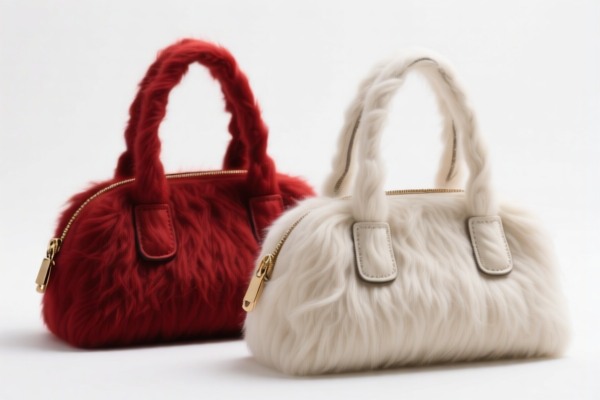
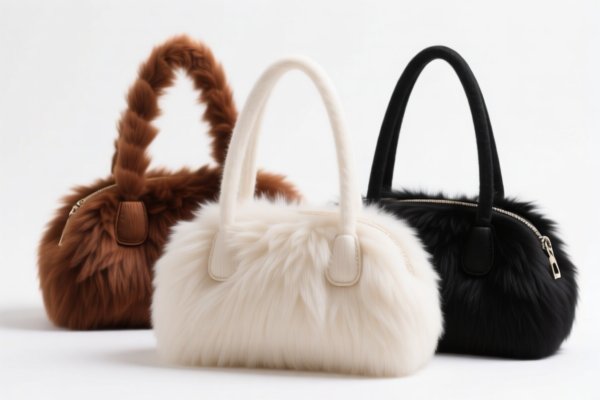
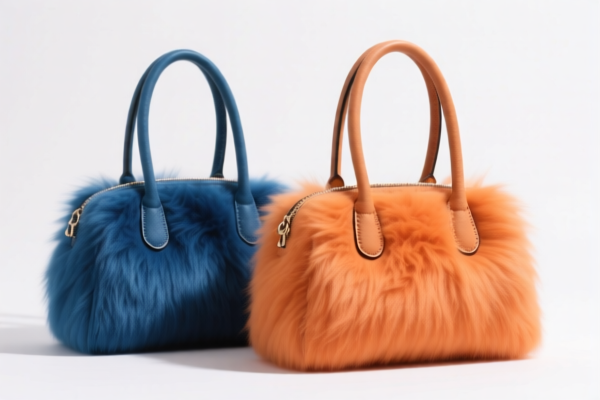
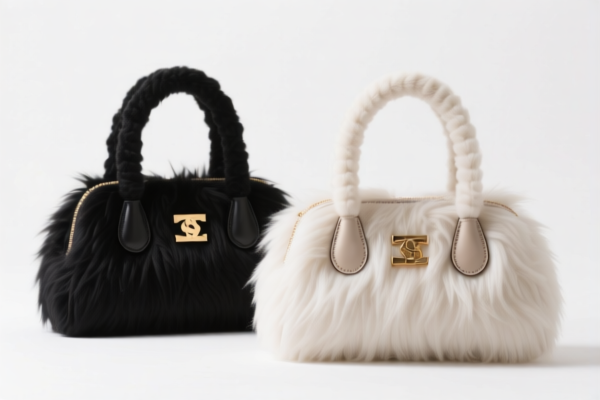
AI Analysis
👜 Bags & Purses: The Ultimate HS Code & Customs Clearance Guide (2026)
🌐 HS Code Reference & Customs Strategy | 2026 Latest Tariff Analysis | Professional Clearance Protocol
📌 I. Product Definition & Classification: Do You Really Understand "Bags"?
Handbags, purses, and similar containers are among the most complex goods to classify in international trade. They are not defined solely by their function (carrying items) but by their material composition, construction, and specific use.
In international trade (HS Nomenclature), these goods fall primarily into two major chapters: * Chapter 39 (Plastics & Related Materials): Covers handbags made of plastic sheeting or other plastic materials. * Chapter 42 (Leather & Textile Containers): Covers handbags made of leather, composition leather, plastic sheeting, textile materials, vulcanized fiber, or paperboard.
⚠️ Critical Distinction:
- If the bag is made of plastic sheeting and is not of a type typically classified under Chapter 42 (e.g., simple plastic shopping bags or specific decorative items), it may fall under 3926.
- If the bag is made of textiles, leather, or plastic sheeting and fits the description of a "handbag" in Heading 4202, it generally falls under 4202.
- Key Rule: Chapter 42 generally takes precedence for "handbags" made of textile or plastic sheeting if they meet the structural definition of a container. However, Chapter 39 covers "other articles of plastics" if they do not fit the specific descriptions in Chapter 42.
📦 II. HS Code Classification Details (2026 Latest Tariff Authority)
Based on the provided data, here are the precise HS Codes for Handbags and related articles:
| HS Code | Product Description | Material Composition | Key Features |
|---|---|---|---|
3926.90.33.00 |
Other articles of plastics: Beads, bugles, spangles... Handbags | Plastics (Heading 3901-3914 materials) | Handbags made of plastic materials that are not specifically described elsewhere in Chapter 42. Often refers to decorative or non-standard plastic bags. |
3926.90.35.00 |
Other articles of plastics: Beads, bugles, spangles... Other | Plastics (Heading 3901-3914 materials) | Other plastic articles, including non-standard plastic handbags not covered by 3926.90.33.00. |
4202.21.90.00 |
Trunks, suitcases, handbags... of leather or composition leather | Leather or Composition Leather | Handbags with an outer surface of leather or composition leather. Valued over $20 each. |
4202.22.89.80 |
Handbags... of sheeting of plastics or textile materials | Textile Materials | Handbags with an outer surface of textile materials (e.g., canvas, nylon, polyester). "Other Other Other (871)" indicates residual categories for textile handbags. |
🔍 Critical Note:
-4202vs.3926: This is the most common classification error.
- If a handbag is made of textile fabric (e.g., a tote bag), it is4202.22.89.80, NOT3926.
- If a handbag is made of plastic sheeting (e.g., PVC fashion bag), it can be4202.21.90.00if considered similar to leather goods, OR3926.90.33.00if considered a general plastic article. However, in many modern interpretations, textile-based handbags are firmly in 4202, while plastic handbags may be contested.
- For Plastic Handbags: If it's a standard fashion handbag made of plastic sheeting, it often falls under 4202.22.89.80 (if interpreted as textile-like) or 3926.90.33.00 (if strictly plastic). The provided data splits them:3926.90.33.00is explicitly for "Handbags" under plastics, while4202.22.89.80is for "Textile Materials". Therefore, a PVC handbag likely goes to3926.90.33.00, while a Nylon handbag goes to4202.22.89.80.
- For Leather Handbags: All leather handbags valued over $20 go to4202.21.90.00.
💰 III. 2026 Latest Tariff Rate Breakdown (US Import Context)
✅ Applicable Country: United States (US)
✅ Country of Origin: China (CN) (Assumed based on typical trade data context)
✅ Effective Time: Current 2025-2026 Tariff Rates
🎯 1. 3926.90.33.00 – Plastic Handbags (Non-Standard/Decorative)
| Item | Content |
|---|---|
| Base Duty | 6.5% (Ad Valorem) |
| Section 301 Additional Duty | 0.0% |
| Total Effective Rate | 6.5% |
| Tax Detail | "Base Tariff: 6.5%, Added Tariff: 0.0%" |
| De Minimis Eligibility | ❌ No (Value usually exceeds $800 threshold for B2B; for B2C, check current de minimis rules, but typically handbags are scrutinized). |
| Legal Basis | USITC HTSUS 3926.90.33.00 |
📌 Explanation:
- Plastic handbags classified here are subject to the standard 6.5% MFN duty.
- Crucially, they are NOT subject to Section 301 additional tariffs (0%). This is a significant advantage over many other plastic goods.
- Risk: Misclassification as a general plastic article could lead to disputes if the bag is deemed a standard handbag under Chapter 42.
🎯 2. 3926.90.35.00 – Other Plastic Articles (Including Non-Standard Plastic Handbags)
| Item | Content |
|---|---|
| Base Duty | 6.5% (Ad Valorem) |
| Section 301 Additional Duty | +7.5% |
| Total Effective Rate | 14.0% |
| Tax Detail | "Base Tariff: 6.5%, Added Tariff: 7.5%" |
| De Minimis Eligibility | ❌ No |
| Legal Basis | USITC HTSUS 3926.90.35.00 |
📌 Explanation:
- This code catches "other" plastic articles not specified elsewhere. If your plastic handbag is deemed to fit this residual category (e.g., unusual shapes, non-fashion items), it incurs an additional 7.5% tariff.
- Total Cost: 14.0% duty. Always try to qualify for3926.90.33.00(0% added) if possible.
🎯 3. 4202.21.90.00 – Leather/Composition Leather Handbags (Value > $20)
| Item | Content |
|---|---|
| Base Duty | 0.0% (Ad Valorem) |
| Section 301 Additional Duty | 0.0% |
| Total Effective Rate | 0.0% |
| Tax Detail | "Base Tariff: 0.0%, Added Tariff: 0.0%" |
| De Minimis Eligibility | ❌ No (For formal entry) |
| Legal Basis | USITC HTSUS 4202.21.90.00 |
📌 Explanation:
- Excellent Rate! Leather handbags valued over $20 are subject to 0% base duty and 0% additional duty.
- Condition: The outer surface must be leather or composition leather. Valuation must be > $20.
- Advantage: This is the most tariff-efficient category for high-end leather goods.
🎯 4. 4202.22.89.80 – Textile Handbags
| Item | Content |
|---|---|
| Base Duty | 0.0% (Ad Valorem) |
| Section 301 Additional Duty | 0.0% |
| Total Effective Rate | 0.0% |
| Tax Detail | "Base Tariff: 0.0%, Added Tariff: 0.0%" |
| De Minimis Eligibility | ❌ No |
| Legal Basis | USITC HTSUS 4202.22.89.80 |
📌 Explanation:
- Excellent Rate! Textile handbags (canvas, nylon, polyester, etc.) also enjoy 0% base duty and 0% additional duty.
- Condition: The outer surface must be textile materials.
- Note: Many fashion brands use textile handbags to minimize duty costs.
🛠️ IV. Customs Clearance Practical Advice (Avoid Pitfalls)
✅ 1. Documentation Checklist (Mandatory)
| Document | Required? | Description |
|---|---|---|
| ✅ Commercial Invoice | ✔️ | Must specify: Material (Leather, Textile, Plastic), Value per unit, Country of Origin. |
| ✅ Packing List | ✔️ | Quantity per carton, dimensions, weight. |
| ✅ Product Photos | ✔️ | Crucial: Show the outer surface material clearly. Customs officers need to verify if it's leather, textile, or plastic. |
| ✅ Material Composition Statement | ✔️ | Specify % of materials (e.g., "Outer: 100% Cotton Canvas, Lining: Polyester"). |
| ✅ Valuation Declaration | ✔️ | For 4202.21.90.00, ensure value is > $20 to avoid reclassification to lower brackets. |
✅ 2. Classification Strategy (Key Tips)
🔥 "Material is King, Value is Queen!"
| Scenario | Recommended HS Code | Duty Rate | Why? |
|---|---|---|---|
| Leather Handbag (Value > $20) | 4202.21.90.00 |
0% | Zero duty for genuine leather handbags. |
| Textile Handbag (e.g., Tote Bag) | 4202.22.89.80 |
0% | Zero duty for textile handbags. |
| PVC/Plastic Fashion Handbag | 3926.90.33.00 |
6.5% | Avoid 3926.90.35.00 (14%) by ensuring it's classified as a specific "handbag" under 33.00. |
| Non-Standard Plastic Article (e.g., Decorative Plastic Bag) | 3926.90.35.00 |
14% | Only if it doesn't fit the "handbag" definition in 33.00. High cost! |
| Leather Handbag (Value ≤ $20) | Check Chapter 42 | Varies | May fall under different subheadings with potential duties. Ensure > $20 for 0% rate. |
📌 Critical Warning:
- Do NOT misclassify a textile handbag as a plastic one, or vice versa. Customs may reclassify and assess the wrong duty.
- Plastic Handbags: Always aim for3926.90.33.00(6.5%) rather than3926.90.35.00(14%). Provide clear photos showing it's a "handbag" to justify this classification.
✅ 3. Special Cases
| Case | Recommendation |
|---|---|
| Mixed Materials (e.g., Leather Trim + Textile Body) | Classify based on principal material. If textile > 50%, use 4202.22.89.80. If leather is dominant, use 4202.21.90.00. |
| Gift Sets (Bag + Accessories) | Declare the bag as the principal item. Do not split the value unless necessary. |
| Samples | If value is low (< $20), leather handbags may not qualify for the 0% rate under 4202.21.90.00. Check alternative subheadings. |
| OEM/White Label | Provide brand authorization letters if applicable. Customs may scrutinize branded goods for IP violations. |
🌍 V. Global Market Comparison (2026)
| Market | Recommended HS Code | Duty Rate (China Origin) | Key Certifications |
|---|---|---|---|
| 🇺🇸 USA | 4202.21.90.00 / 4202.22.89.80 / 3926.90.33.00 |
0% (Leather/Textile) / 6.5% (Plastic) | None specific for bags, but ensure accurate material declaration. |
| 🇪🇺 EU | 4202.21.90 / 4202.22.99 / 3926.90 |
4% - 12% (Varies by material) | CE (if electronic bags), REACH (chemicals in leather/plastic). |
| 🇨🇳 China | 4202.21.90 / 4202.22.99 / 3926.90 |
0% - 10% | CCC (if applicable), GB Standards for materials. |
| 🇬🇧 UK | 4202.21.90 / 4202.22.99 |
4% - 12% | UKCA Mark (if applicable). |
📌 Conclusion:
- USA is highly favorable for Leather and Textile handbags (0% duty).
- Plastic handbags face a 6.5% duty in the US, but no Section 301 tariff if correctly classified under3926.90.33.00.
- EU and UK have higher duties (4-12%) and stricter environmental regulations (REACH).
📌 VI. Common Errors & Pitfalls (Lessons Learned)
❌ Error 1: Misclassifying a Textile Handbag as a Plastic Article (3926)
👉 Consequence: Incorrect duty calculation, potential audit, and delays.
❌ Error 2: Under-declaring the value of a Leather Handbag to < $20
👉 Consequence: Loss of 0% duty benefit under 4202.21.90.00.
❌ Error 3: Failing to provide Material Composition
👉 Consequence: Customs cannot determine if it's Leather, Textile, or Plastic → Delays and potential reclassification.
❌ Error 4: Using vague descriptions like "Bag" without specifying material
👉 Consequence: Customs assigns a default higher-duty code.
✅ Correct Practice:
"Handbag, Outer Surface: 100% Cotton Canvas, Lining: Polyester, Value: $25, Brand: XYZ"
🎯 VII. Conclusion: Smart Classification Saves Money!
🎯 Remember:
🔹 "Leather & Textile: 0% Duty!"
🔹 "Plastic: 6.5% Duty (Avoid 14%!)"
🔹 "Value > $20 for Leather Handbags!"
📌 Pro Tip:
If you are importing Plastic Handbags, work with your supplier to ensure the product is clearly a "handbag" (structured, handles, closure) to qualify for 3926.90.33.00 (6.5%) rather than 3926.90.35.00 (14%).
📣 Immediate Action:
📞 Contact your customs broker with product photos and material specifications.
🚀 Apply for an Advance Ruling if unsure about classification, especially for new product lines.
💼 Your bottom line depends on accurate HS Codes!
✨ Professional Clearance Starts with Precise Classification!
💼 Every penny counts in global trade!
Customer Reviews
About HS Code Classification
The Harmonized System (HS) is an internationally standardized nomenclature developed by the World Customs Organization (WCO) to classify traded products. Over 200 countries use the HS system as the basis for customs tariffs, trade statistics, and import/export regulations.
Each HS code follows a hierarchical structure:
- Chapter (2 digits) — Broad category of goods (e.g., Chapter 84: Machinery and Mechanical Appliances)
- Heading (4 digits) — More specific grouping within the chapter
- Subheading (6 digits) — Internationally standardized breakdown, used by all WCO member countries
- National subdivisions (8-10 digits) — Country-specific extensions for further classification, such as US HTSUS 10-digit codes
Correct HS code classification is essential for smooth customs clearance, accurate duty payment, and compliance with trade regulations. Misclassification can lead to customs delays, overpayment of duties, or penalties.
When importing from CN to US, the applicable tariff rates may include:
- Most-Favored-Nation (MFN) rate — The standard duty rate applied to WTO members
- General rate — Applied to countries without trade agreements
- Trade remedy duties — Additional tariffs such as Section 301 (anti-dumping), Section 232 (national security), or countervailing duties
The information provided on this page is for reference purposes only. For official classification, please consult with your local customs authority or a licensed customs broker.