Baking Scraper
CN → US| HS Code | Tariff Rate | Origin | Destination | Doc |
|---|---|---|---|---|
| 3924905650 | 20.9% | CN | US | Official Doc |
| 8215994060 | 15.0% | CN | US | Official Doc |
| 3924104000 | 13.4% | CN | US | Official Doc |
| 8215994500 | 17.5% | CN | US | Official Doc |
| 8215995000 | 15.3% | CN | US | Official Doc |
Product Images
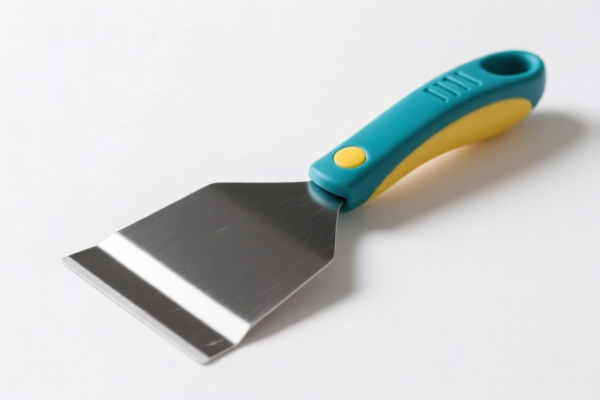
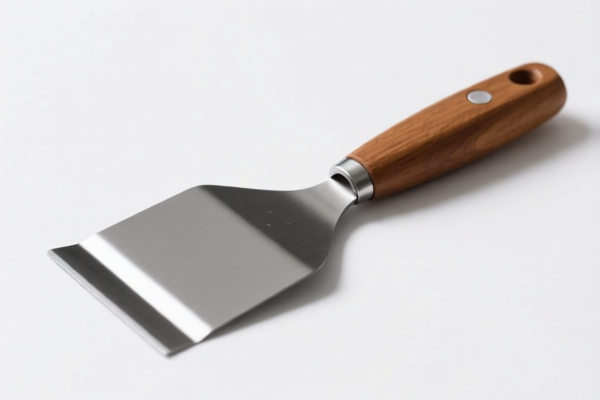
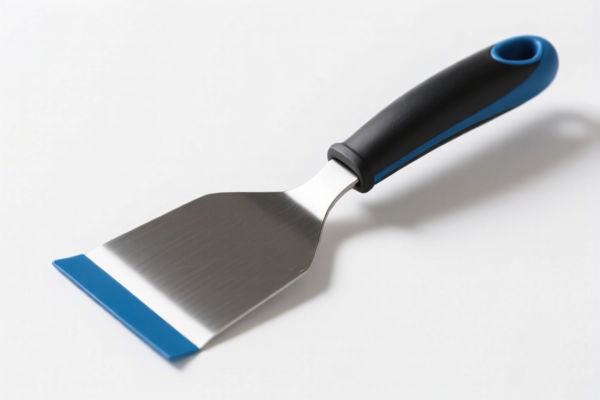
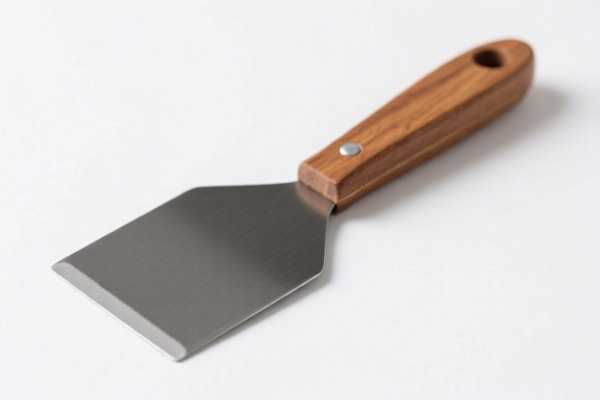
AI Analysis
🍳 Silicone Baking Scraper & Cake Spatula (Baking Scraper)
🌐 HS Code Reference & Customs Clearance Guide | 2026 Latest Tariff Analysis | Professional-Level Entry Strategy
📌 I. Product Definition & Classification: Do You Really Understand the "Baking Scraper"?
The "Baking Scraper" (commonly known as a Silicone Spatula, Cake Smoother, or Dough Scraper) is a versatile kitchen tool used for mixing, scraping, and smoothing batters. In international trade, classification varies significantly based on material composition (plastic vs. metal handle) and functional design.
It is generally divided into two main categories for customs purposes:
- Plastic/Tableware Category: Items made entirely of plastic/silicone or where the silicone part is considered the essential character of "plastic tableware."
- Metal Utensil Category: Items with non-stainless steel handles or those classified as "tableware/cutlery of base metal" (even if the head is silicone).
⚠️ Key Distinction Point:
- If the item is primarily viewed as a plastic kitchen utensil (common for full silicone or plastic-handled scrapers) → Classify under Chapter 39 (Plastics).
- If the item has a non-stainless steel handle or is explicitly categorized as base metal tableware → Classify under Chapter 82 (Base Metal Tools/Utensils).
📦 II. HS Code Classification Details (2026 Latest Tariff Authority Comparison)
| HS Code | Product Description | Scenario | Material Logic |
|---|---|---|---|
3924.90.56.50 |
Plastic tableware and kitchenware, other (Silicone Baking Scraper) | Full silicone or plastic handle; classified as "other plastic tableware" | ✅ Plastic/Silicone |
3924.10.40.00 |
Plastic tableware and kitchenware, other (Silicone Baking Scraper) | Plastic tableware/kitchenware (specific sub-category for plastics) | ✅ Plastic/Silicone |
8215.99.40.60 |
Non-stainless steel handle / Non-metal material kitchen utensils | Scraper with non-stainless steel handle or specific non-metal classification | ⚠️ Non-Stainless Metal/Other |
8215.99.45.00 |
Cake scraper, inferred as base metal material | Tableware utensils inferred as base metal (e.g., coated steel handle) | ✅ Base Metal |
8215.99.50.00 |
Cake server / Cake knife, inferred as base metal material | Specific cake tools like servers/d knives | ✅ Base Metal |
🔍 Key Reminder:
- Silicone alone is often treated as plastic (Chapter 39) in many customs jurisdictions if no distinct base metal component defines the structure. - Handles matter: If the handle is non-stainless steel (e.g., aluminum, carbon steel with coating), it may fall under 8215 (Base metal tableware). - Misclassification Risk: Declaring a metal-handled spatula as "plastic tableware" (3924) can lead to penalties if customs inspectors verify the handle material.
💰 III. 2026 Latest Tariff Rate Breakdown (Including Additional Duties & Policy Add-ons)
✅ Applicable Country: United States (US)
✅ Origin: China (CN)
✅ Effective Time: 2025/2026 Import Period
🎯 1. 3924.90.56.50 —— Plastic Tableware & Kitchenware (Other)
| Item | Detail |
|---|---|
| Base Tariff | 3.4% (ad valorem) |
| Section 301 Additional Tariff | 7.5% |
| Section 122 Tariff | 10% |
| Total Tax Rate | 20.9% |
| Tax Calculation | CIF Value × 20.9% |
| De Minimis Eligibility | ❌ Not Eligible (Section 301/122 duties usually apply) |
| Legal Basis Path | USITC:3924.90.56.50 → Section 301: 7.5% → Section 122: 10% |
📌 Explanation:
- This code is the most common for pure silicone or plastic-handled baking scrapers. - The 10% Section 122 tariff is a recent/additional levy that significantly increases the cost. - Total 20.9% is moderate compared to electronics but higher than standard plastic imports.
🎯 2. 3924.10.40.00 —— Plastic Tableware & Kitchenware (Specific Sub-category)
| Item | Detail |
|---|---|
| Base Tariff | 3.4% |
| Section 301 Additional Tariff | 0.0% (Note: Some interpretations may vary, but data shows 0%) |
| Section 122 Tariff | 10% |
| Total Tax Rate | 13.4% |
| Tax Calculation | CIF Value × 13.4% |
| De Minimis Eligibility | ❌ Not Eligible (Due to Section 122) |
| Legal Basis Path | USITC:3924.10.40.00 → Section 122: 10% |
📌 Note:
- If this specific sub-code applies (often depends on exact product shape/usage definition), it offers the lowest total rate (13.4%). - Zero Section 301 here is an exception compared to3924.90.... Verify with a customs broker if your product fits this narrower definition.
🎯 3. 8215.99.40.60 —— Non-Stainless Steel Handle / Non-Metal Kitchen Utensils
| Item | Detail |
|---|---|
| Base Tariff | 5.0% |
| Section 301 Additional Tariff | 0.0% |
| Section 122 Tariff | 10% |
| Total Tax Rate | 15.0% |
| Tax Calculation | CIF Value × 15.0% |
| De Minimis Eligibility | ❌ Not Eligible |
| Legal Basis Path | USITC:8215.99.40.60 → Section 122: 10% |
📌 Explanation:
- Applies to scrapers with non-stainless steel handles (e.g., aluminum, coated carbon steel). - Lower total rate (15.0%) than the primary plastic code (3924.90.56.50). - Crucial: You must declare the handle material accurately. If it’s stainless steel, this code might not apply.
🎯 4. 8215.99.45.00 —— Cake Scraper (Base Metal Inferred)
| Item | Detail |
|---|---|
| Base Tariff | 0.0% |
| Section 301 Additional Tariff | 7.5% |
| Section 122 Tariff | 10% |
| Total Tax Rate | 17.5% |
| Tax Calculation | CIF Value × 17.5% |
| De Minimis Eligibility | ❌ Not Eligible |
| Legal Basis Path | USITC:8215.99.45.00 → Section 301: 7.5% → Section 122: 10% |
📌 Note:
- Zero base tariff, but Section 301 and 122 apply. - Use only if the product is clearly a cake scraper/server with base metal components.
🎯 5. 8215.99.50.00 —— Cake Server / Cake Knife (Base Metal Inferred)
| Item | Detail |
|---|---|
| Base Tariff | 5.3% |
| Section 301 Additional Tariff | 0.0% |
| Section 122 Tariff | 10% |
| Total Tax Rate | 15.3% |
| Tax Calculation | CIF Value × 15.3% |
| De Minimis Eligibility | ❌ Not Eligible |
| Legal Basis Path | USITC:8215.99.50.00 → Section 122: 10% |
📌 Explanation:
- Best for cake servers or knives with base metal handles. - 15.3% total rate is competitive. - Zero Section 301 makes this attractive if the product fits the "server/knife" description and has non-stainless handles.
🛠️ IV. Customs Clearance Practical Advice (Real-World Pitfall Guide)
✅ 1. Documentation Checklist (Non-Negotiable)
| Document | Required? | Notes |
|---|---|---|
| ✅ Product Photos | ✔️ | Must show handle material clearly (metal vs. plastic/silicone). |
| ✅ Product Specifications | ✔️ | Include dimensions, material composition (e.g., "Food-grade Silicone Head, Aluminum Handle"). |
| ✅ Commercial Invoice | ✔️ | Describe accurately: "Silicone Baking Scraper, Model XYZ". Avoid vague terms like "Kitchen Tool". |
| ✅ Bill of Lading/Air Waybill | ✔️ | Ensure harmonization with invoice description. |
| ✅ Certificate of Origin | ✔️ | Required for Section 301/122 verification. |
✅ 2. Declaration Strategy (Key Mantra)
🔥 “Handle Defines Chapter, Section 122 Hits All!”
| Scenario | Correct Declaration | Wrong Approach |
|---|---|---|
| Full Silicone / Plastic Handle | 3924.90.56.50 or 3924.10.40.00 |
Declare as metal utensil → High scrutiny |
| Non-Stainless Steel Handle | 8215.99.40.60 or 8215.99.50.00 |
Declare as plastic → Misclassification penalty |
| Cake Server/Knife Shape | 8215.99.50.00 (if metal handle) |
Declare as generic scraper |
| Generic Scrapers | 3924.90.56.50 (Most common) |
Use wrong 10-digit code → Delays |
📌 Critical Tip:
- Section 122 (10%) applies to ALL codes listed above for Chinese origin. Do not assume "Plastic = Exempt". - Section 301 does not apply to3924.10.40.00,8215.99.40.60, and8215.99.50.00according to the provided data, offering savings.
✅ 3. Special Situations
| Situation | Handling Advice |
|---|---|
| Mixed Materials (Plastic + Metal) | If metal is the handle, prefer Chapter 82 codes if they offer lower rates (15.0% vs 20.9%). |
| OEM Custom Shapes | Ensure photos match the "Scraper" vs "Server" distinction. "Server" may fall under 8215.99.50.00. |
| Small Business Shipment | Remember: De Minimis ($800) exemption likely does NOT apply due to Section 122/301 duties. Calculate tax carefully. |
| Stainless Steel Handle | Check new tariff data: If stainless steel, 8215.99... codes might not apply. May fall under different 8215 subheadings not listed here. |
🌍 V. Global Market Clearance Comparison (2026 Latest)
| Country/Region | Recommended HS Code (US) | Estimated Tariff (US, China Origin) | Certification | Notes |
|---|---|---|---|---|
| 🇺🇸 USA | 3924.90.56.50 (Most Common) |
20.9% | FDA Food Contact | Section 122 is the big cost driver. |
| 🇺🇸 USA | 3924.10.40.00 (Optimized) |
13.4% | FDA Food Contact | Lower rate if product fits this sub-category. |
| 🇺🇸 USA | 8215.99.40.60 |
15.0% | FDA Food Contact | For non-stainless handles. |
| 🇨🇳 China | 3924/8215 | Low Base Tariff | None | No Section 122/301. |
| 🇪🇺 EU | 3924 | 4.2% Base | Food Contact Regs | No Section 122/301 equivalent. |
📌 Conclusion:
- US Market is High Cost due to Section 122 (10%) on almost all plastic/metal kitchen goods from China. - Optimization Opportunity: Try to classify under3924.10.40.00(13.4%) or8215.99.40.60(15.0%) if product design allows, saving 5-7.5% vs the standard3924.90.56.50.
📌 VI. Common Mistakes & Pitfall Guide (Lessons Learned)
❌ Mistake 1: Assuming "Silicone = Plastic = Low Tariff"
👉 Result: Ignores Section 122 (10%). Every code here includes it.
❌ Mistake 2: Declaring Metal-Handled Scraper as Plastic (3924)
👉 Result: Customs audits the handle. If found to be metal, penalties + back taxes.
❌ Mistake 3: Using Generic Name "Kitchen Tool"
👉 Result: CBP issues Questionnaire. Delays shipment by weeks.
❌ Mistake 4: Ignoring Section 301 Variations
👉 Result: Paying 7.5% extra on codes where it’s actually 0% (like 3924.10.40.00).
✅ Correct Approach:
"Silicone Baking Scraper, Plastic Handle, Model ABC, FDA Compliant" →
3924.90.56.50
OR
"Silicone Cake Smoother, Aluminum Handle, Model XYZ, FDA Compliant" →8215.99.40.60
🎯 VII. Conclusion: Precise Classification Saves Money!
🎯 Remember the Mantra:
🔹 "Section 122 is Everywhere (10%). Section 301 is Selective (0% or 7.5%)."
🔹 "Check the Handle: Metal? Check 8215. Plastic? Check 3924."
🔹 "Aim for 13.4% or 15.0% if possible, avoid 20.9%!"
📌 Pro Tip:
If you import in large volumes, consider Advance Rulings (CBP Ruling) to lock in the correct HS Code and avoid retrospective audits. Also, verify if your specific product design (shape/usage) qualifies for the 0% Section 301 sub-codes (3924.10.40.00 or 8215.99...).
📣 Immediate Action:
📞 Consult a Licensed Customs Broker + Provide Product Photos with Handle Details + Verify Section 301 Applicability.
🚀 Clear Customs Smoothly, Reduce Costs by Up to 7.5%, Boost Profits!
✨ Professional Clearance Starts with Accurate Classification!
💼 Every Percentage Point Counts!
Customer Reviews
About HS Code Classification
The Harmonized System (HS) is an internationally standardized nomenclature developed by the World Customs Organization (WCO) to classify traded products. Over 200 countries use the HS system as the basis for customs tariffs, trade statistics, and import/export regulations.
Each HS code follows a hierarchical structure:
- Chapter (2 digits) — Broad category of goods (e.g., Chapter 84: Machinery and Mechanical Appliances)
- Heading (4 digits) — More specific grouping within the chapter
- Subheading (6 digits) — Internationally standardized breakdown, used by all WCO member countries
- National subdivisions (8-10 digits) — Country-specific extensions for further classification, such as US HTSUS 10-digit codes
Correct HS code classification is essential for smooth customs clearance, accurate duty payment, and compliance with trade regulations. Misclassification can lead to customs delays, overpayment of duties, or penalties.
When importing from CN to US, the applicable tariff rates may include:
- Most-Favored-Nation (MFN) rate — The standard duty rate applied to WTO members
- General rate — Applied to countries without trade agreements
- Trade remedy duties — Additional tariffs such as Section 301 (anti-dumping), Section 232 (national security), or countervailing duties
The information provided on this page is for reference purposes only. For official classification, please consult with your local customs authority or a licensed customs broker.