Balaclava Cold Protection Head Cover
CN → US| HS Code | Tariff Rate | Origin | Destination | Doc |
|---|---|---|---|---|
| 9020009000 | 12.5% | CN | US | Official Doc |
| 4016990500 | 20.9% | CN | US | Official Doc |
| 6307909870 | 24.5% | CN | US | Official Doc |
| 4016996050 | 37.5% | CN | US | Official Doc |
| 9020006000 | 12.5% | CN | US | Official Doc |
Product Images
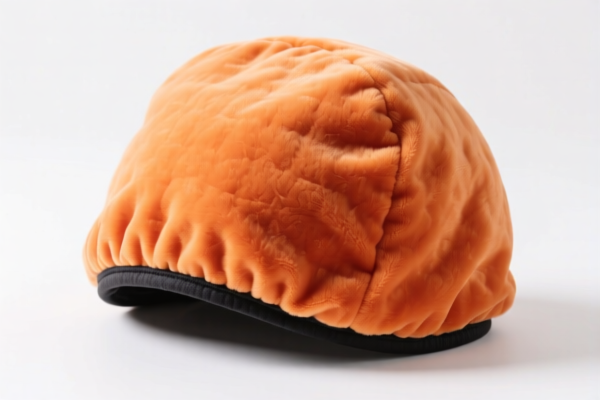
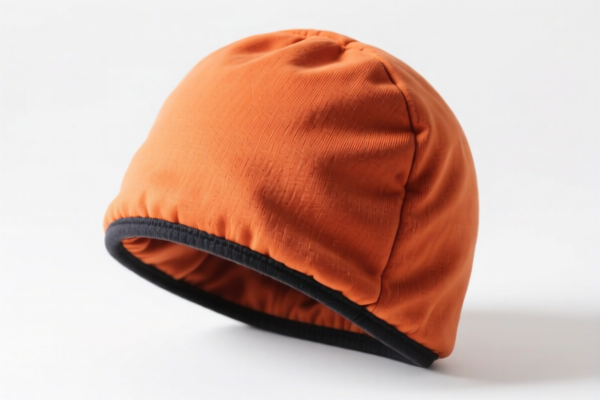
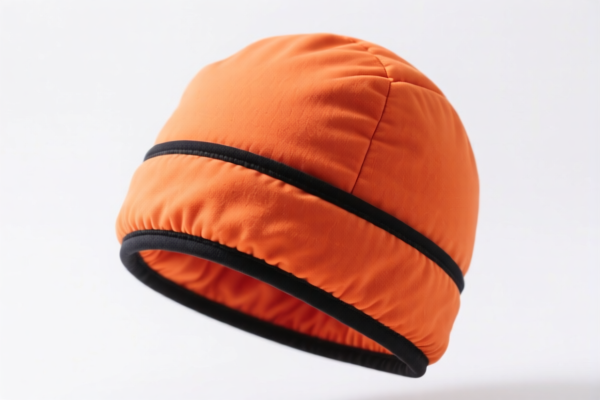
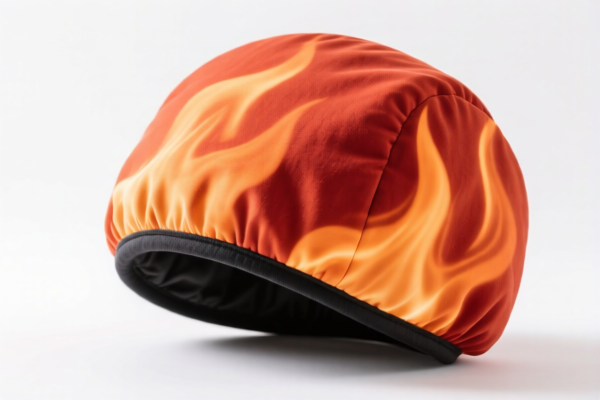
AI Analysis
🧣 Balaclava Cold Protection Head Cover
🌐 HS Code Reference & Customs Clearance Guide | 2026 Latest Tariff Analysis | Professional通关 Strategy
📌 I. Product Definition & Classification: Do You Really Understand the "Balaclava"?
A Balaclava (Cold Protection Head Cover) is a versatile headgear designed to protect the head and face from cold, wind, and debris. In international trade, it is classified based on its material composition and primary function. It is rarely a single HS Code product; rather, it falls into one of several categories depending on whether it is a rubberized item, a textile garment, or a specialized respiratory mask.
⚠️ Key Distinction Point:
- If it is made of rubber/latex for chemical or heavy-duty protection → Chapter 40 (Rubber Articles)
- If it is made of textiles/fabrics for cold weather sports or general use → Chapter 63 (Other Made-up Textile Articles)
- If it has specific respiratory filtering properties (防毒/Respiratory) → Chapter 90 (Medical/Respiratory Instruments)
📦 II. HS Code Classification Details (2026 Latest Tariff Authority Comparison)
Based on the provided data, here are the five possible HS Codes for a Balaclava, along with their specific rationales and tax implications.
| HS Code | Product Description | Rationale for Classification | Total Tax Rate (China→US) |
|---|---|---|---|
9020.00.90.00 |
Respiratory Appliances / Gas Masks | Classified under "Other" respiratory appliances. If the balaclava has specific gas-filtering capabilities, it falls here as a catch-all for respiratory gear. | 12.5% |
4016.99.05.00 |
Other Rubber Articles (Household/Protective) | Contains sulfur-cured rubber. Classified as an unlisted household or protective item made of rubber. | 20.9% |
6307.90.98.70 |
Other Made-up Textile Articles | Best Match for Standard Balaclavas. Matches the core purpose (cold protection head cover) and form. Descriptions missing in other chapters do not conflict here. | 24.5% |
4016.99.60.50 |
Other Sulfur-Cured Rubber Articles | Frequently used as a rubber component. Fits the catch-all principle for sulfur-cured rubber制品 (products). | 37.5% |
9020.00.60.00 |
Respiratory Appliances / Gas Masks | Consistent protective function. May belong to respiratory appliances or gas masks if specific filtering standards are met. | 12.5% |
🔍 Key Reminder:
- Textile Balaclavas (wool, fleece, synthetic fabrics) should ideally be grouped under6307.90.98.70as they are "made-up textile articles." This is often the most accurate description for standard cold-weather wear.
- Rubber/Latex Balaclavas (e.g., for swimming, diving, or industrial chemical splash protection) must fall under Chapter 40.
- Specialized Gas Masks (with canisters or specific filtration membranes) belong to Chapter 90.
💰 III. 2026 Latest Tariff Rate Breakdown (Including Surcharges & Policy Add-ons)
✅ Applicable Country: United States (US)
✅ Origin: China (CN)
✅ Effective Time: 2025 November 10 onwards (including subsequent imports)
🎯 1. 9020.00.90.00 & 9020.00.60.00 —— Respiratory Appliances / Gas Masks
These two codes share the same tax structure because they fall under the same broad category of respiratory appliances.
| Item | Content |
|---|---|
| Basic Tariff | 2.5% (ad valorem) |
| Section 301 Surtax | +0.0% (No additional 301 duty listed for this specific subheading in the data) |
| Section 122 Tariff | +10% (Specific to certain protective/respiratory items from China) |
| Total Tax Rate | 12.5% |
| Tax Calculation | CIF Value × 12.5% |
| De Minimis Exemption | ❌ Not Eligible (Section 321 de minimis usually excludes items subject to Section 301/122 if declared formally, but check specific courier rules. Generally, formal entry required.) |
| Legal Basis Path | USITC:9020.00.90.00 → Section 122: 10% |
📌 Explanation:
- The 12.5% rate is significantly lower than other options.
- If your balaclava is a specialized gas mask or has respiratory filtration, this is the most cost-effective classification.
- Warning: Do not misdeclare a simple fabric balaclava as a "Gas Mask" unless it meets technical standards for respiratory protection. Customs may audit and impose penalties.
🎯 2. 4016.99.05.00 —— Other Rubber Articles (Household/Protective)
| Item | Content |
|---|---|
| Basic Tariff | 3.4% |
| Section 301 Surtax | +7.5% |
| Section 122 Tariff | +10% |
| Total Tax Rate | 20.9% |
| Tax Calculation | CIF Value × 20.9% |
| De Minimis Exemption | ❌ Not Eligible |
| Legal Basis Path | USITC:4016.99.05.00 → Section 301: 7.5% → Section 122: 10% |
📌 Explanation:
- Applies to rubber balaclavas (e.g., silicone face masks for diving/skiing).
- The 7.5% Section 301 duty is specific to certain rubber articles.
- Higher than textile options but lower than heavy-duty rubber items.
🎯 3. 6307.90.98.70 —— Other Made-up Textile Articles
| Item | Content |
|---|---|
| Basic Tariff | 7.0% |
| Section 301 Surtax | +7.5% |
| Section 122 Tariff | +10% |
| Total Tax Rate | 24.5% |
| Tax Calculation | CIF Value × 24.5% |
| De Minimis Exemption | ❌ Not Eligible |
| Legal Basis Path | USITC:6307.90.98.70 → Section 301: 7.5% → Section 122: 10% |
📌 Explanation:
- Most common for standard balaclavas made of fleece, wool, or synthetic blends.
- The description "matches the core purpose/form" makes this a strong candidate for general cold-weather gear.
- Slightly higher than the respiratory mask rate but more accurate for non-medical/filtration items.
🎯 4. 4016.99.60.50 —— Other Sulfur-Cured Rubber Articles
| Item | Content |
|---|---|
| Basic Tariff | 2.5% |
| Section 301 Surtax | +25.0% |
| Section 122 Tariff | +10% |
| Total Tax Rate | 37.5% |
| Tax Calculation | CIF Value × 37.5% |
| De Minimis Exemption | ❌ Not Eligible |
| Legal Basis Path | USITC:4016.99.60.50 → Section 301: 25% → Section 122: 10% |
📌 Explanation:
- Highest tax rate. Applies to generic sulfur-cured rubber articles that do not fit other specific rubber categories.
- Avoid this code unless the product is strictly rubber and no better rubber subheading applies. The 25% Section 301 duty is punitive.
🛠️ IV. Customs Clearance Practical Advice (Pitfall Avoidance Guide)
✅ 1. Required Documentation Checklist
| Document | Mandatory? | Notes |
|---|---|---|
| ✅ Product Spec Sheet | ✔️ | Must specify material (e.g., "100% Polyester Fleece" or "Natural Rubber Latex"). |
| ✅ Material Composition | ✔️ | Critical for determining Chapter (40 vs. 63 vs. 90). |
| ✅ Product Photos | ✔️ | Show the item clearly. If it has a filter cartridge, it must be visible for Chapter 90 classification. |
| ✅ Commercial Invoice | ✔️ | Describe as "Balaclava Head Cover" or "Respiratory Mask" based on HS Code. |
| ✅ Origin Certificate | ✔️ | Required for China origin to apply Section 122/301 duties accurately. |
✅ 2. Declaration Tips (Key Mantra)
🔥 “Material First, Function Second, Name Precise, Tax Minimized!”
| Scenario | Correct Declaration | Wrong Practice |
|---|---|---|
| Fabric Balaclava (Fleece/Wool) | 6307.90.98.70Desc: "Textile Balaclava for Cold Weather" |
Misdeclare as 9020 (Gas Mask) → Audit Risk |
| Rubber/Silicone Mask (Diving/Splash) | 4016.99.05.00 or 4016.99.60.50Desc: "Rubber Face Shield/Balaclava" |
Misdeclare as textile → Classification Error |
| Gas Mask with Filter | 9020.00.90.00 or 9020.00.60.00Desc: "Respiratory Protection Mask with Filter" |
Misdeclare as textile → High Penalty |
✅ 3. Special Cases
| Situation | Handling Advice |
|---|---|
| OEM Custom Balaclavas | Provide design specs. If it includes a special filter, declare as Chapter 90. |
| Balaclava with Integrated Goggles | If goggles are detachable, declare separately (Goggles: 9004). If fixed, may still be Chapter 90 or 63 depending on primary function. |
| Medical Use | If intended for medical isolation (surgical balaclava), still often 6307 or 9020 depending on filtration standard. |
🌍 V. Global Market Comparison (2026 Latest)
| Country/Region | Recommended HS Code | Tax Rate (China Origin) | Certification Required | Notes |
|---|---|---|---|---|
| 🇺🇸 USA | 6307.90.98.70 (Textile) or 9020.00.90.00 (Respiratory) |
12.5% ~ 24.5% | No special cert for textile. Medical certs for Chapter 90. | Section 122 (10%) applies to all. |
| 🇨🇳 China | 6307.90.98.70 |
~7% (Basic) | None for general export. | No Section 301/122. |
| 🇪🇺 EU | 6307.90.98 |
4% (Standard MFN) | CE Marking (if protective equipment). | No Section 122. |
| 🇬🇧 UK | 6307.90.98 |
4% (Standard MFN) | UKCA Marking. | Post-Brexit rules apply. |
📌 Conclusion:
- USA has the highest complexity due to Section 301 and Section 122 tariffs.
- Correct material classification is crucial to avoid the 37.5% punitive rate for rubber articles.
- Textile balaclavas (6307) are the most common and have a moderate 24.5% rate.
- Specialized respiratory masks (9020) offer the lowest rate (12.5%) but require strict compliance with respiratory standards.
📌 VI. Common Mistakes & Pitfalls (Blood & Tears Lessons)
❌ Mistake 1: Declaring a rubber diving mask as a textile balaclava (6307).
👉 Consequence: Customs classifies it as rubber, applies 37.5% (if 4016.99.60.50) or audits for misdeclaration.
❌ Mistake 2: Declaring a simple fabric balaclava as a gas mask (9020) to save tax.
👉 Consequence: Customs requires FDA/NIOSH certification. If not provided, goods are seized or returned.
❌ Mistake 3: Ignoring Section 122.
👉 Consequence: All items from China under these HS codes face an additional 10% duty. Ensure your broker accounts for this in the Landed Cost calculation.
✅ Correct Practice:
"Balaclava, 100% Acrylic, for Winter Sports, Made in China" → HS 6307.90.98.70 (24.5%)
"Respiratory Gas Mask with Canister, Made in China" → HS 9020.00.90.00 (12.5%)
🎯 VII. Conclusion: Professional Declaration, Cost Efficiency!
🎯 Remember the Mantra:
🔹 "Rubber goes to 40, Textile to 63, Respiratory to 90."
🔹 "Section 122 adds 10% to all. Don't miss it in your cost model."
🔹 "Accuracy saves you from 37.5% penalties!"
📌 Pro Tip:
If you are importing textile balaclavas, confirm the exact material blend. If it contains >10% rubber, it might shift to Chapter 40.
For high-volume imports, consider applying for an Advance Ruling (Pre-Classification) from CBP to lock in the HS Code and avoid sudden duty hikes.
📣 Immediate Action:
📞 Consult your customs broker with material specs.
🚀 Declare accurately, pay the right duty, and ship efficiently!
✨ Professional Customs Clearance Starts with Precise Classification!
💼 Your Bottom Line Depends on the Right HS Code!
Customer Reviews
About HS Code Classification
The Harmonized System (HS) is an internationally standardized nomenclature developed by the World Customs Organization (WCO) to classify traded products. Over 200 countries use the HS system as the basis for customs tariffs, trade statistics, and import/export regulations.
Each HS code follows a hierarchical structure:
- Chapter (2 digits) — Broad category of goods (e.g., Chapter 84: Machinery and Mechanical Appliances)
- Heading (4 digits) — More specific grouping within the chapter
- Subheading (6 digits) — Internationally standardized breakdown, used by all WCO member countries
- National subdivisions (8-10 digits) — Country-specific extensions for further classification, such as US HTSUS 10-digit codes
Correct HS code classification is essential for smooth customs clearance, accurate duty payment, and compliance with trade regulations. Misclassification can lead to customs delays, overpayment of duties, or penalties.
When importing from CN to US, the applicable tariff rates may include:
- Most-Favored-Nation (MFN) rate — The standard duty rate applied to WTO members
- General rate — Applied to countries without trade agreements
- Trade remedy duties — Additional tariffs such as Section 301 (anti-dumping), Section 232 (national security), or countervailing duties
The information provided on this page is for reference purposes only. For official classification, please consult with your local customs authority or a licensed customs broker.