Ball
CN → US| HS Code | Tariff Rate | Origin | Destination | Doc |
|---|---|---|---|---|
| 9503000013 | 10.0% | CN | US | Official Doc |
| 9506692080 | 17.5% | CN | US | Official Doc |
| 9503000011 | 10.0% | CN | US | Official Doc |
| 9306900041 | 17.5% | CN | US | Official Doc |
| 9506696020 | 22.4% | CN | US | Official Doc |
| 9306304138 | 17.5% | CN | US | Official Doc |
Product Images
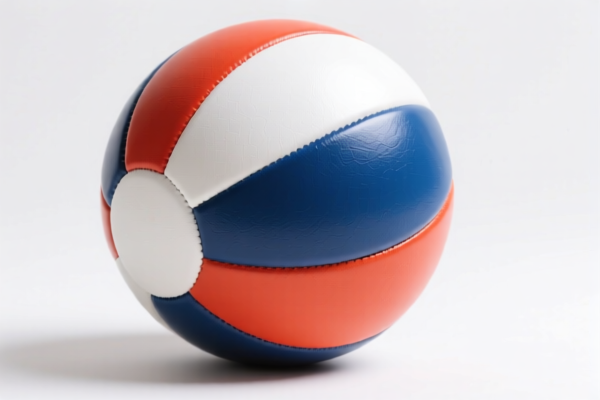
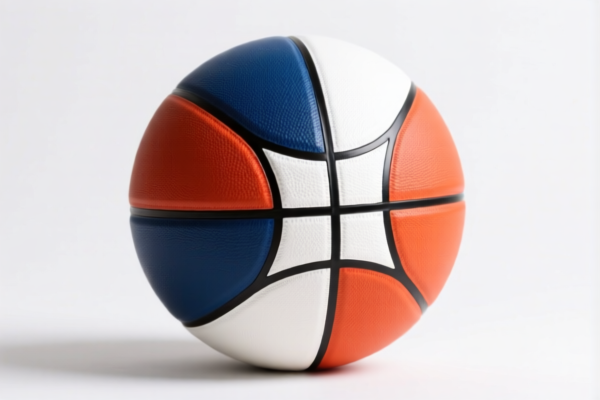

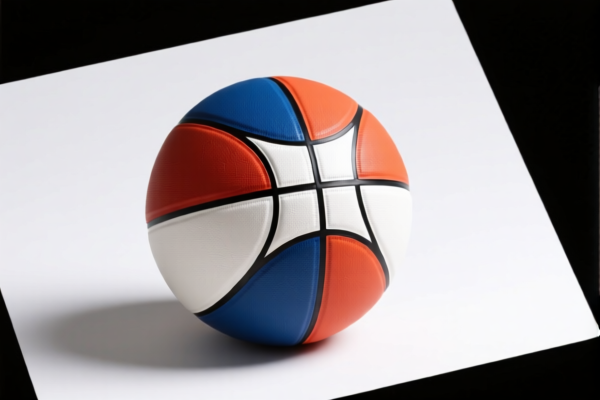
AI Analysis
🎱 Ball (Sports & Toys)
🌐 HS Code Reference & Customs Clearance Guide | 2026 Latest Tariff Analysis | Strategic Compliance Strategy
📌 I. Product Definition & Classification: Do You Really Know "Balls"?
In international trade, "Balls" are not a single homogeneous category. They are strictly divided based on material, usage, and function. Misclassification is the #1 cause of customs delays and excessive tax liabilities for this category.
Key Distinctions: * Toys vs. Sports Equipment: Is it for play/entertainment or professional athletic competition? * Material Matters: Rubber, plastic, or composite materials trigger different subheadings. * Inflatable vs. Solid: Inflatable balls often fall under toy chapters, while solid performance balls fall under sports chapters.
⚠️ Critical Distinction:
- If it’s an inflatable rubber toy → Usually Chapter 95 (Toys)
- If it’s a solid sports ball (e.g., soccer, basketball) → Usually Chapter 95 (Sports Equipment)
- If it’s a paintball/ammunition → Usually Chapter 93 (Arms/Ammunition) ⚠️ High Scrutiny
📦 II. HS Code Classification Matrix (2026 Latest Tariff Data)
Based on the provided data, here is the precise breakdown for "Balls" and related items:
| HS Code | Product Description (Chinese) | English Summary | Category |
|---|---|---|---|
9503.00.00.13 |
橡胶制充气玩具球 | Rubber Inflatable Toy Ball | Toy |
9506.69.20.80 |
其他球类运动器材 | Other Ball Sports Equipment | Sports |
9503.00.00.11 |
充气或橡胶材质的球类玩具 | Inflatable or Rubber Ball Toys | Toy |
9306.90.00.41 |
漆弹弹体 | Paintball Pellet Body | Ammunition |
9506.69.60.20 |
其他运动球类 | Other Sports Balls | Sports |
9306.30.41.38 |
弹药及其零件 | Ammunition and Parts | Ammunition |
🔍 Key Insight:
- Toys (9503) generally attract 10% total tax.
- Sports Equipment (9506) varies: Simple balls 10-17.5%, but specialized ones can hit 22.4%.
- Ammunition/Paintballs (9306) are treated as regulated goods with 17.5% total tax and face strict scrutiny.
💰 III. 2026 Latest Tariff Rate Breakdown (Detailed Tax Clauses)
✅ Applicable Context: Based on provided data (Likely US-China Trade Context with Section 301 & 122 Rules)
✅ Origin: China (CN)
✅ Effective Date: Current Policy
🎯 1. Toy Category (9503.00.00.11 & 9503.00.00.13)
Products: Inflatable balls, rubber toy balls.
| Item | Detail |
|---|---|
| Base Duty | 0.0% |
| Additional Duty | 0.0% |
| Section 122 Tariff | +10% |
| Total Tax Rate | 10.0% |
| Tax Calculation | CIF Value × 10% |
| De Minimis Eligibility | ⚠️ Check specific carrier policy (Usually low value shipments may still be taxed if HS is specific) |
| Legal Basis | Section 122 Authority |
📌 Explanation:
- These are classified as toys.
- The 10% total tax is primarily driven by Section 122 tariffs, not standard trade wars.
- Advantage: No base duty, no additional 301 tariffs. This is the lowest risk category for inflatable/rubber toys.
🎯 2. Sports Equipment Category (9506.69.20.80)
Products: Other ball sports equipment (e.g., specialized nets, accessories, or non-standard balls).
| Item | Detail |
|---|---|
| Base Duty | 0.0% |
| Additional Duty | +7.5% |
| Section 122 Tariff | +10% |
| Total Tax Rate | 17.5% |
| Tax Calculation | CIF Value × 17.5% |
| De Minimis Eligibility | ❌ Deny De Minimis (Likely due to additional duties) |
| Legal Basis | Section 301 (7.5%) + Section 122 (10%) |
📌 Explanation:
- This code applies to "Other" sports equipment.
- It incurs both the 7.5% additional duty (Section 301) and the 10% Section 122 tariff.
- Higher Cost: 17.5% total vs. 10% for toys.
🎯 3. Specialized Sports Balls (9506.69.60.20)
Products: Other sports balls (e.g., specific professional grade balls).
| Item | Detail |
|---|---|
| Base Duty | 4.9% |
| Additional Duty | +7.5% |
| Section 122 Tariff | +10% |
| Total Tax Rate | 22.4% |
| Tax Calculation | CIF Value × 22.4% |
| De Minimis Eligibility | ❌ Deny De Minimis |
| Legal Basis | Base Rate + Section 301 + Section 122 |
📌 Explanation:
- This is the most expensive sports category.
- You pay Base Duty (4.9%) + Additional (7.5%) + Section 122 (10%).
- Avoid if possible: Unless it’s a high-value professional item where the margin absorbs the cost.
🎯 4. Ammunition / Paintballs (9306.90.00.41 & 9306.30.41.38)
Products: Paintball bodies, ammunition parts.
| Item | Detail |
|---|---|
| Base Duty | 0.0% |
| Additional Duty | +7.5% |
| Section 122 Tariff | +10% |
| Total Tax Rate | 17.5% |
| Tax Calculation | CIF Value × 17.5% |
| De Minimis Eligibility | ❌ Deny De Minimis |
| Legal Basis | Section 301 + Section 122 |
| Regulatory Warning | ⚠️ ATF/Federal Regulation: May require specific licenses or face import bans depending on form. |
📌 Explanation:
- High Scrutiny: These are classified as ammunition.
- Rate: 17.5% (Same as sports equipment).
- Risk: Beyond tax, these items face strict federal regulations. Ensure you have all necessary permits before shipping.
🛠️ IV. Customs Clearance Practical Advice (Real-World Pitfall Guide)
✅ 1. Preparation Checklist (Non-Negotiable)
| Document | Required? | Notes |
|---|---|---|
| Product Photos | ✅ Yes | Must clearly show material (rubber/plastic) and inflation status. |
| Material Composition | ✅ Yes | Confirm % of rubber vs. plastic to distinguish 9503 vs 9506. |
| Usage Declaration | ✅ Yes | Explicitly state: "For Play/Toy" vs. "For Sports Training". |
| Safety Certificates | ✅ Yes | CPSIA (for US toys), CE (for EU), ASTM F963. |
| Commercial Invoice | ✅ Yes | Use precise HS Code descriptions. |
✅ 2. Declaration Tips (Key Mantras)
🔥 "Toy vs. Sports: Declare Clearly, Pay Less, Clear Faster!"
| Scenario | Correct HS Code | Incorrect HS Code | Consequence of Error |
|---|---|---|---|
| Inflatable Beach Ball | 9503.00.00.13 (10%) |
9506.69.60.20 (22.4%) |
Overpaid 12.4% |
| Standard Soccer Ball | 9506.69.20.80 or 60.20 |
9503 (Toy) |
Under-declared Tax → Fine + Back Taxes |
| Paintballs | 9306.90.00.41 |
9503 (Toy) |
Seizure/Federal Fine (Regulatory Violation) |
| Ball Pump/Accessory | Check specific accessory code | 9503 (Toy) |
Misclassification → Delay |
✅ 3. Special Case Handling
| Situation | Recommendation |
|---|---|
| Mixed Shipment (Toys + Sports Gear) | Split Invoice: Declare toys under 9503 and sports under 9506 to optimize tax. Do not lump them together. |
| Inflatable Balls | Ensure they are deflated for shipping to reduce volume weight, but declare as "Inflatable" to qualify for 9503. |
| Paintballs | Do Not Ship unless you have explicit federal permits. Many couriers refuse these entirely. |
| Rubber Balls | If >50% rubber, lean towards 9503 if for play. If synthetic, check 9506. |
🌍 V. Global Market Comparison (2026 Update)
| Region | Recommended HS Code | Tariff Rate | Key Requirement | Note |
|---|---|---|---|---|
| 🇺🇸 USA | 9503.00.00.11/13 |
10% | Section 122 + CPSIA | Best for toys. Avoid 9506 if possible due to 22.4%. |
| 🇺🇸 USA | 9506.69.60.20 |
22.4% | Section 301 + 122 | High cost. Only for high-margin sports gear. |
| 🇪🇺 EU | 9503.00 |
Varies (0-6%) | CE + REACH | No Section 122. Generally lower tariffs than US. |
| 🇨🇳 China | 9503 / 9506 |
0-9% | CCC (for toys) | Low base duties. No Section 122. |
📌 Conclusion:
- The US market imposes heavy Section 122 (10%) and Section 301 (7.5%) tariffs.
- Toys (9503) are the cheapest entry point at 10% total.
- Sports Balls (9506) are expensive (up to 22.4%) and complex.
- Ammunition (9306) is high-risk due to regulatory compliance, not just tax.
📌 VI. Common Mistakes & Pitfalls (Blood & Tears Lessons)
❌ Mistake 1: Declaring an inflatable beach ball as a sports ball
👉 Result: Tax jumps from 10% to 22.4%. Loss: 12.4% margin.
❌ Mistake 2: Declaring paintballs as toys
👉 Result: Seizure by Federal Agents. Fines up to $100,000+.
❌ Mistake 3: Combining toys and sports gear in one invoice without clear separation
👉 Result: Customs may apply the highest tariff rate to the entire shipment.
❌ Mistake 4: Ignoring Section 122 for toys
👉 Result: Underpayment of the 10% Section 122 duty. Back taxes + interest.
✅ Correct Approach:
“Rubber Inflatable Ball, Size 12”, “Soccer Ball, PU Material, Size 5”, “Paintball Pellets, 0.68 Caliber”
Use exact HS Codes from the table above.
🎯 VII. Conclusion: Precision in Classification Saves Money
🎯 Remember the Mantra:
🔹 “Toys 10%, Sports 22%, Ammo Risky.”
🔹 “Section 122 hits hard, don’t forget the 10%.”
🔹 “Inflatable = Toy (Usually), Solid = Sports.”
📌 Pro Tip:
If you are exporting inflatable toys to the US, ensure you have CPSIA compliance. The 10% tax is manageable, but the regulatory risk is high.
For sports balls, consider reclassifying if they can be reasonably deemed "toys" (e.g., large, soft, for casual play) to save 12.4% in taxes.
📣 Immediate Action:
📞 Contact your customs broker with product photos.
📄 Request an Advance Ruling if the product is ambiguous (e.g., a "soft" soccer ball).
🚀 Optimize your HS Code to pay the lowest legal tax rate.
✨ Professional Classification, Strategic Savings!
💼 Don’t let HS Codes cost you your profit margin!
Customer Reviews
About HS Code Classification
The Harmonized System (HS) is an internationally standardized nomenclature developed by the World Customs Organization (WCO) to classify traded products. Over 200 countries use the HS system as the basis for customs tariffs, trade statistics, and import/export regulations.
Each HS code follows a hierarchical structure:
- Chapter (2 digits) — Broad category of goods (e.g., Chapter 84: Machinery and Mechanical Appliances)
- Heading (4 digits) — More specific grouping within the chapter
- Subheading (6 digits) — Internationally standardized breakdown, used by all WCO member countries
- National subdivisions (8-10 digits) — Country-specific extensions for further classification, such as US HTSUS 10-digit codes
Correct HS code classification is essential for smooth customs clearance, accurate duty payment, and compliance with trade regulations. Misclassification can lead to customs delays, overpayment of duties, or penalties.
When importing from CN to US, the applicable tariff rates may include:
- Most-Favored-Nation (MFN) rate — The standard duty rate applied to WTO members
- General rate — Applied to countries without trade agreements
- Trade remedy duties — Additional tariffs such as Section 301 (anti-dumping), Section 232 (national security), or countervailing duties
The information provided on this page is for reference purposes only. For official classification, please consult with your local customs authority or a licensed customs broker.