Ball Bearing
CN → US| HS Code | Tariff Rate | Origin | Destination | Doc |
|---|---|---|---|---|
| 8483208040 | 39.5% | CN | US | Official Doc |
| 7326190080 | 87.9% | CN | US | Official Doc |
| 8482105068 | 44.0% | CN | US | Official Doc |
| 8483204040 | 39.5% | CN | US | Official Doc |
| 8482105064 | 44.0% | CN | US | Official Doc |
| 7326110000 | 85.0% | CN | US | Official Doc |
Product Images
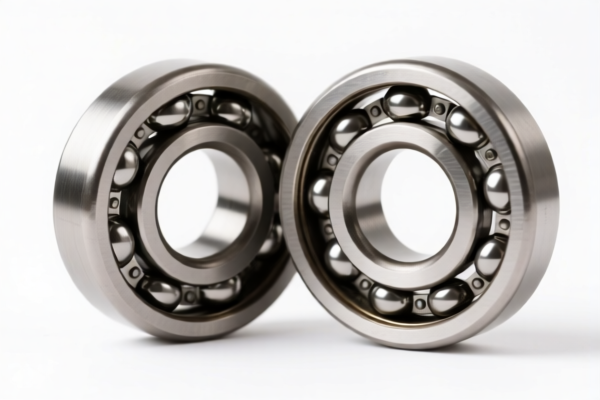
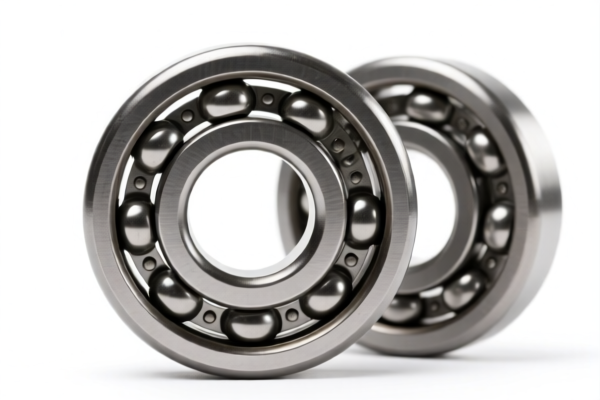
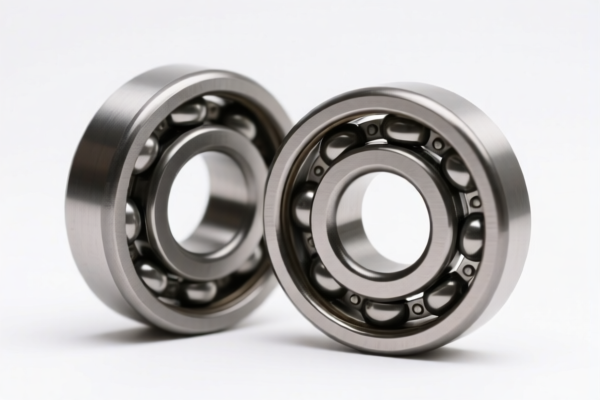

AI Analysis
🎯 Ball Bearings: The Heart of Modern Machinery
🌐 HS Code Reference & Customs Clearance Guide | 2026 Latest Tariff Analysis | Professional Clearance Strategy
📌 I. Product Definition & Classification: Do You Really Understand "Ball Bearings"?
Ball bearings are essential mechanical components designed to reduce rotational friction and support radial and axial loads. In international trade, they are primarily classified based on their material, specific structural form, and functional integration.
Key Distinctions: * Specific Bearing Products (8482/8483): Bearings that are finished, ready-to-use mechanical components. These are the standard "ball bearings." * Miscellaneous Steel Products (7326): If the item is considered a generic steel part, such as a loose steel ball (not yet assembled into a bearing assembly) or a raw steel component, it may fall here, but this often attracts higher "Section 232" tariffs for steel/aluminum. * Specific HS Codes in Data: The provided data highlights that even among "Metal Ball Bearings," slight differences in description (e.g., "Ball Bearing" vs. "Rolling Bearing") lead to different HS codes and tax rates.
⚠️ Critical Classification Point:
- If it is a finished ball bearing assembly (inner ring, outer ring, balls, cage): Likely 8482.10 or 8483.20.
- If it is interpreted as a generic steel product or raw material: 7326.19 or 7326.11 (High Risk!).
- Misclassification Consequence: Classifying a finished bearing as a "steel part" can double your tax burden due to Section 232 tariffs (50% extra).
📦 II. HS Code Classification Details (2026 Latest Tariff Authority Comparison)
Based on the provided dataset for "Metal Ball Bearings," here are the specific classifications, summaries, and tax implications.
| HS Code | Summary Description | Key Attributes | Total Tax Rate | Tax Details Breakdown |
|---|---|---|---|---|
| 8483.20.80.40 | Metal Ball Bearings, Form: Ball Bearing | Material: Metal. Fits classification description. | 39.5% | Base: 4.5% + Add. Tariff: 25.0% + Section 122: 10% |
| 7326.19.00.80 | Metal Ball Bearings, Material: Steel | As a spare part, classified under other steel products. | 87.9% | Base: 2.9% + Add. Tariff: 25.0% + Section 122: 10% + Steel/Aluminum/ Copper Add. Tariff: 50% |
| 8482.10.50.68 | Metal Ball Bearings, Form: Rolling Bearing | Material: Metal. Specific product classification. | 44.0% | Base: 9.0% + Add. Tariff: 25.0% + Section 122: 10% |
| 8483.20.40.40 | Metal Ball Bearings, Form: Ball Bearing | Material: Metal. Mechanical parts inference. | 39.5% | Base: 4.5% + Add. Tariff: 25.0% + Section 122: 10% |
| 8482.10.50.64 | Metal Ball Bearings, Material: Metal | Fits common material attributes for ball bearings. | 44.0% | Base: 9.0% + Add. Tariff: 25.0% + Section 122: 10% |
| 7326.11.00.00 | Metal Ball Bearings, Material: Iron/Steel | Form: Rolling ball. Use: Bearing component. | 85.0% | Base: 0.0% + Add. Tariff: 25.0% + Section 122: 10% + Steel/Aluminum/ Copper Add. Tariff: 50% |
🔍 Key Insight:
- Codes 8482.10 and 8483.20 are the correct categories for finished ball bearings. Their total taxes range from 39.5% to 44.0%.
- Codes 7326.19 and 7326.11 treat the item as a generic steel/iron product. This triggers an additional 50% tariff (Section 232), pushing the total tax to 85.0% - 87.9%.
- DO NOT classify finished ball bearings as "steel balls" or "steel parts" (7326 series) unless you explicitly intend to pay the double penalty!
💰 III. 2026 Latest Tariff Rate Breakdown (Including Additional Tariffs)
✅ Applicable Country: United States (US)
✅ Origin: China (CN)
✅ Effective Date: From November 10, 2025 (Including subsequent imports)
🎯 1. Optimal Classification: Finished Ball Bearings (8482.10 / 8483.20)
This is the standard and recommended classification for ball bearings.
| Item | Content |
|---|---|
| Base Tariff | 4.5% (for 8483.20.80.40 / 8483.20.40.40) OR 9.0% (for 8482.10.50.68 / 8482.10.50.64) |
| Section 301 Add. Tariff | +25.0% |
| Section 122 Tariff | +10.0% |
| Total Tax Rate | 39.5% (if Base is 4.5%) OR 44.0% (if Base is 9.0%) |
| Tax Calculation | CIF Value × Total Tax Rate |
| De Minimis Exemption? | ❌ No (High tariff items are typically excluded from de minimis relief) |
| Legal Basis Path | USITC:8483.20.80.40 → FOOTNOTE:301 → FOOTNOTE:122 |
📌 Explanation:
- The 25% Section 301 tariff applies to most Chinese mechanical parts.
- The 10% Section 122 tariff (often related to supply chain security or specific trade actions) applies.
- The base rate varies slightly between 4.5% and 9.0% depending on the specific subheading (8483 vs. 8482).
- Total cost impact: Expect to pay nearly 40-44% in tariffs alone on top of the product cost.
🎯 2. High-Risk Classification: Steel/Iron Products (7326.19 / 7326.11)
This classification is only appropriate if the item is not a finished bearing assembly but a raw steel component.
| Item | Content |
|---|---|
| Base Tariff | 0.0% (7326.11) or 2.9% (7326.19) |
| Section 301 Add. Tariff | +25.0% |
| Section 122 Tariff | +10.0% |
| Section 232 (Steel/Aluminum/Cu) | +50.0% |
| Total Tax Rate | 85.0% (7326.11) OR 87.9% (7326.19) |
| Tax Calculation | CIF Value × Total Tax Rate |
| De Minimis Exemption? | ❌ No |
| Legal Basis Path | USITC:7326.19.00.80 → FOOTNOTE:232 (Steel) → FOOTNOTE:301 → FOOTNOTE:122 |
📌 Warning:
- The 50% Section 232 tariff is applied to steel and aluminum products regardless of the HS code if they fall under the scope.
- Using this code for a ball bearing will result in more than double the tax of the correct classification.
- Only use this if you are importing loose steel balls (not assembled into bearings) or raw steel parts, and you accept the high cost.
🛠️ IV. Customs Clearance Practical Advice (Battle-Tested Pitfall Avoidance)
✅ 1. Preparation Checklist (Mandatory)
| Material | Required | Explanation |
|---|---|---|
| ✅ Product Specifications | ✔️ | Must specify: Inner/Outer Diameter, Width, Number of Balls, Material (Steel, Ceramic, etc.), Precision Class (ABEC-1 to ABEC-9). |
| ✅ Technical Drawings | ✔️ | Show that it is a finished bearing assembly, not a raw steel ball. |
| ✅ Product Photos | ✔️ | Clear images of the bearing, showing rings, balls, and cage. |
| ✅ Commercial Invoice | ✔️ | Description: "Ball Bearing, Model XYZ, Steel, For [Machine Name]." Avoid generic terms like "Metal Part." |
| ✅ Packing List | ✔️ | List quantity and weight. |
| ✅ Certificate of Origin | ✔️ | Required for origin verification. |
✅ 2. Declaration Tips (Key Mantra)
🔥 "Finished Bearing? Use 8482/8483! Raw Steel? Use 7326! Don't Mix!"
| Situation | Correct Declaration | Wrong Practice |
|---|---|---|
| Finished Ball Bearing | 8483.20.80.40 or 8482.10.50.68 |
Declaring as "Steel Ball" → 85%+ Tax! |
| Loose Steel Balls (No Rings) | 7326.11.00.00 or 7326.19.00.80 |
Declaring as "Bearing" → Potential Misclassification |
| Bearing Housing/Seat | Check specific housing codes (e.g., 8483.90) | Grouping with bearings incorrectly |
| Mixed Shipment | Separate line items for Bearings vs. Raw Steel | Combining into one line → Audit Risk |
✅ 3. Special Case Handling
| Situation | Handling Advice |
|---|---|
| Ceramic Ball Bearings | If made of silicon nitride, it may still fall under 8482 if it's a finished bearing. Verify material-specific notes. |
| Miniature Bearings | Small size does not change the HS code; still 8482 or 8483 if assembled. |
| Custom/Non-Standard Bearings | Provide custom design drawings. If it’s a specific mechanical component for a machine, it might fall under 8483.20. |
| Steel Balls for General Use | If NOT for bearings, they are 7326. If FOR bearings, they are part of the bearing (HS 8482). Context is key! |
🌍 V. Global Market Comparison (2026 Latest)
| Country/Region | Recommended HS Code | Tariff Rate | Certification Requirements | Notes |
|---|---|---|---|---|
| 🇺🇸 USA | 8483.20.80.40 or 8482.10.50.68 |
39.5% - 44.0% | None specific, but precise description needed | HIGH TARIFF due to 301 & 122. Avoid 7326 codes. |
| 🇨🇳 China | 8482.10 |
~5% - 8% | CCC (if applicable) | No additional punitive tariffs. |
| 🇪🇺 EU | 8482.10 |
3.0% - 6.0% | CE (if for machinery) | No Section 301/122 equivalents. Lower cost. |
| 🇯🇵 Japan | 8482.10 |
~5.0% | PSE (if electrical) | Stable, low tariff. |
| 🇬🇧 UK | 8482.10 |
~5.0% | UKCA | Post-Brexit rules apply. |
📌 Conclusion:
- The USA market is the most expensive for importing ball bearings from China due to layered tariffs (301, 122, and potentially 232 if misclassified).
- EU and Asia markets offer significantly lower tariff burdens.
- Supply Chain Strategy: Consider sourcing bearings from non-China origins (e.g., Germany, Japan, USA) to avoid the 35-44% US tariff wedge if exporting to the US.
📌 VI. Common Errors & Pitfall Guide (Lessons Learned)
❌ Error 1: Declaring "Ball Bearings" as "Steel Parts" (7326)
👉 Consequence: Paying 87.9% tax instead of 44.0%. Loss of ~44% extra cost!
❌ Error 2: Not specifying "Finished Assembly" in the description
👉 Consequence: Customs may suspect raw material import → Delay in clearance → Potential reclassification to 7326.
❌ Error 3: Using generic terms like "Metal Rollers"
👉 Consequence: Ambiguity leads to higher scrutiny or incorrect code assignment.
❌ Error 4: Ignoring Section 122 Tariff
👉 Consequence: Underestimating landed cost. The 10% add-on is significant.
✅ Correct Practice:
"Deep Groove Ball Bearing, Model 6205-2RS, Steel, 25mm ID, 52mm OD, Precision Class P6, For Electric Motors"
🎯 VII. Conclusion: Precision Classification, Cost Savings!
🎯 Remember the Mantra:
🔹 "Finished Bearing? 8482/8483! Raw Steel? 7326! Don't Pay 87% if You Only Owe 40%!"
🔹 "HS Code Determines Your Cost! A Wrong Digit Can Double Your Tariff!"
📌 Pro Tip:
If your ball bearings are originating from Vietnam, Mexico, or Malaysia, you may apply for IEEPA Exemptions or FTA Preferences (e.g., USMCA), reducing tariffs to 0% - 5%.
Recommend applying for an Advance Ruling (Pre-classification) from US Customs and Border Protection (CBP) before shipping large volumes to ensure correct classification and avoid surprise duties.
📣 Immediate Action:
📞 Contact your customs broker + Provide Technical Drawings + Apply for HS Code Advance Ruling
🚀 Ensure your ball bearings clear customs smoothly, minimize costs, and maximize your profit margin!
✨ Professional Clearance Starts with Accurate Classification!
💼 Every cent saved on tariffs is pure profit!
Customer Reviews
About HS Code Classification
The Harmonized System (HS) is an internationally standardized nomenclature developed by the World Customs Organization (WCO) to classify traded products. Over 200 countries use the HS system as the basis for customs tariffs, trade statistics, and import/export regulations.
Each HS code follows a hierarchical structure:
- Chapter (2 digits) — Broad category of goods (e.g., Chapter 84: Machinery and Mechanical Appliances)
- Heading (4 digits) — More specific grouping within the chapter
- Subheading (6 digits) — Internationally standardized breakdown, used by all WCO member countries
- National subdivisions (8-10 digits) — Country-specific extensions for further classification, such as US HTSUS 10-digit codes
Correct HS code classification is essential for smooth customs clearance, accurate duty payment, and compliance with trade regulations. Misclassification can lead to customs delays, overpayment of duties, or penalties.
When importing from CN to US, the applicable tariff rates may include:
- Most-Favored-Nation (MFN) rate — The standard duty rate applied to WTO members
- General rate — Applied to countries without trade agreements
- Trade remedy duties — Additional tariffs such as Section 301 (anti-dumping), Section 232 (national security), or countervailing duties
The information provided on this page is for reference purposes only. For official classification, please consult with your local customs authority or a licensed customs broker.