Ball Pendant
CN → US| HS Code | Tariff Rate | Origin | Destination | Doc |
|---|---|---|---|---|
| 7113195095 | 23.0% | CN | US | Official Doc |
| 7113195091 | 23.0% | CN | US | Official Doc |
| 7116200500 | 13.3% | CN | US | Official Doc |
| 7117909000 | 28.5% | CN | US | Official Doc |
| 7116201500 | 24.0% | CN | US | Official Doc |
Product Images


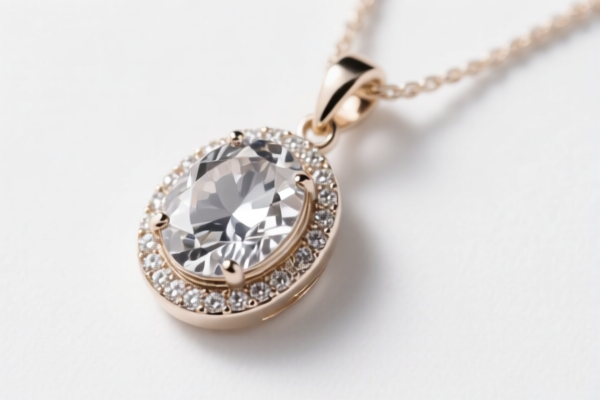
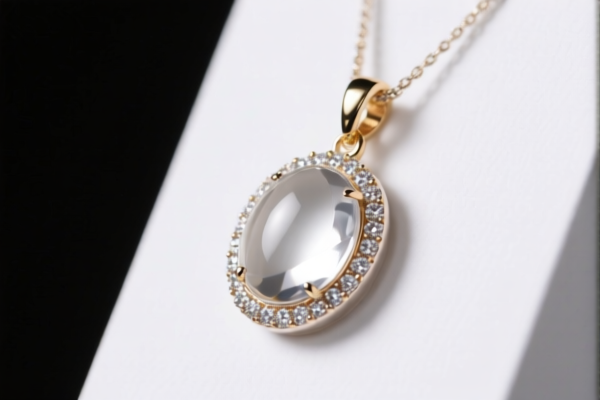
AI Analysis
🌟 Ball Pendants (Jewelry & Ornamental Stones)
🌐 HS Code Reference & Clearance Guide | 2026 Latest Tariff Analysis | Professional Customs Strategy
📌 I. Product Definition & Classification: What is a "Ball Pendant"?
A Ball Pendant is a loose or suspended ornament, typically spherical in shape, used in jewelry making. In international trade, the classification depends strictly on the material composition and whether it is considered "imitation" jewelry or made from genuine precious/semi-precious materials. It is generally not classified as a necklace (string/chain) itself, but as the individual component or loose item.
⚠️ Key Classification Distinction:
- Precious/Metal-based: If made of precious metals (gold, silver) or base metals clad in precious metal → Chapter 71.13
- Gemstone/Semi-precious: If made from natural/semi-precious stones → Chapter 71.16
- Imitation/Fashion: If made of base metals, plastic, or glass not classified elsewhere → Chapter 71.17
📦 II. HS Code Classification Details (2026 Latest Tariff Authority Comparison)
| HS Code | Product Description | Material Logic | Total Tax Rate (CN Origin to US) |
|---|---|---|---|
7113.19.50.95 |
Articles of gold or precious metals (or clad therewith); other | Metal base (precious or base metal clad) | 23.0% |
7113.19.50.91 |
Articles of gold or precious metals (or clad therewith); other | Metal base, non-chain form | 23.0% |
7116.20.05.00 |
Worked or unworked semi-precious stones; articles of stone | Gemstone or semi-precious stone material | 13.3% |
7117.90.90.00 |
Imitation jewelry; other | Non-precious, imitation fashion jewelry | 28.5% |
7116.20.15.00 |
Articles of natural or cultured pearls; other | Precious or semi-precious stone/metal mix | 24.0% |
🔍 Critical Reminder:
- "Ball Pendant" is not a standalone HS code. You must identify the core material. - If it is a metal ball (even if gold-plated copper), it falls under 7113. - If it is a jade/garnet/crystal ball, it falls under 7116. - If it is a plastic/resin/fake pearl item, it falls under 7117.
💰 III. 2026 Latest Tariff Rate Breakdown (Including Surcharges)
✅ Applicable Country: United States (US)
✅ Origin: China (CN)
✅ Effective Date: 2025/2026 (Current Policy)
🎯 1. 7113.19.50.95 / 7113.19.50.91 —— Metal Ball Pendants (Precious/Metal Clad)
| Item | Content |
|---|---|
| Base Duty | 5.5% |
| Section 301 Surcharge | 7.5% |
| Section 122 Surcharge | 10% |
| Total Tax Rate | 23.0% |
| Tax Calculation | CIF Value × 23.0% |
| De Minimis Exemption | ❌ Not Eligible (High-value jewelry often scrutinized; however, low-value packages may sometimes pass, but risk of seizure exists) |
| Legal Basis Path | USITC:7113.19.50.91 → SECTION301:7.5% → SECTION122:10% |
📌 Explanation:
- These codes cover gold, silver, or metal-clad pendants. - Total 23%: The combination of Base (5.5%) + 301 (7.5%) + 122 (10%) creates a significant barrier. - Note: Section 122 (10%) applies to specific metal products from China.
🎯 2. 7116.20.05.00 —— Gemstone/Semi-Precious Stone Ball Pendants
| Item | Content |
|---|---|
| Base Duty | 3.3% |
| Section 301 Surcharge | 0.0% (Exempt/Reduced in some categories, but check latest ruling) |
| Section 122 Surcharge | 10% |
| Total Tax Rate | 13.3% |
| Tax Calculation | CIF Value × 13.3% |
| De Minimis Exemption | ⚠️ Check Threshold |
| Legal Basis Path | USITC:7116.20.05.00 → SECTION122:10% |
📌 Explanation:
- Lowest Tax Option (13.3%) if the material is natural semi-precious stone (e.g., Jade, Agate, Quartz). - Crucial: You must provide a material certificate to prove it is stone and not imitation glass/plastic. If misdeclared, penalties are severe.
🎯 3. 7117.90.90.00 —— Imitation/Fashion Ball Pendants
| Item | Content |
|---|---|
| Base Duty | 11.0% |
| Section 301 Surcharge | 7.5% |
| Section 122 Surcharge | 10% |
| Total Tax Rate | 28.5% |
| Tax Calculation | CIF Value × 28.5% |
| De Minimis Exemption | ❌ Not Eligible (High risk) |
| Legal Basis Path | USITC:7117.90.90.00 → SECTION301:7.5% → SECTION122:10% |
📌 Explanation:
- Highest Tax Rate (28.5%). Applies to costume jewelry, plastic beads, or faux pearls. - Warning: Do not declare plastic as "gemstone" to save tax. Customs uses X-ray and chemical testing.
🎯 4. 7116.20.15.00 —— Mixed Material or Specific Stone Articles
| Item | Content |
|---|---|
| Base Duty | 6.5% |
| Section 301 Surcharge | 7.5% |
| Section 122 Surcharge | 10% |
| Total Tax Rate | 24.0% |
| Tax Calculation | CIF Value × 24.0% |
| Legal Basis Path | USITC:7116.20.15.00 → SECTION301:7.5% → SECTION122:10% |
📌 Explanation:
- Often used for articles involving pearls or specific precious stone combinations.
🛠️ IV. Clearance Practical Advice (Real-World Pitfall Guide)
✅ 1. Documentation Checklist (Non-Negotiable)
| Document | Required? | Purpose |
|---|---|---|
| ✅ Material Certificate | ✔️ Mandatory | Proves if it's Gold, Silver, Jade, Plastic, etc. |
| ✅ Product Photos | ✔️ Mandatory | Clear view of the pendant, back marking, and clasp. |
| ✅ Commercial Invoice | ✔️ Mandatory | Must state "Ball Pendant, Material: [Exact], Value: $[X]" |
| ✅ HS Code Justification | ✔️ Recommended | Explain why you chose 7116 vs 7113. |
| ✅ Packaging List | ✔️ Mandatory | Show quantity per box. |
✅ 2. Declaration Strategy (Key Mnemonics)
🔥 “Material First, Code Second, Fake is Expensive, True is Cheaper!”
| Scenario | Correct HS Code | Incorrect Code | Consequence |
|---|---|---|---|
| Gold-plated Copper Ball | 7113.19.50.95 |
7117.90.90.00 |
Overpay tax (28.5% → 23%) |
| Plastic Faux Pearl | 7117.90.90.00 |
7116.20.05.00 |
Customs Penalty/Seizure (Fraud) |
| Natural Jade Ball | 7116.20.05.00 |
7117.90.90.00 |
Overpay tax (28.5% → 13.3%) |
| Metal Alloy Ball (No Plating) | 7113.19.50.91 |
7117.90.90.00 |
Overpay tax |
✅ 3. Special Cases Handling
| Case | Advice |
|---|---|
| Low Value (< $800) | Consider De Minimis (Section 321). However, Section 122 and 301 duties often still apply to specific categories. Check if the specific HS code is exempted from Section 301 for de minimis. Caution: Recent policy changes may restrict this for jewelry. |
| Packaging with Chain | If the pendant is strung on a necklace, it may be classified as a Necklace (HS 7113.11 etc.), not a pendant. Keep them separate in shipment to optimize tax if possible. |
| Mixed Materials | If a ball has a stone + metal setting, consult a customs broker. Usually, the principal value or essential character determines the code. |
| Markings | Ensure the pendant has material marks (e.g., "925", "14K", "Stone: Jade"). Lack of markings leads to higher scrutiny and potential reclassification. |
🌍 V. Global Market Comparison (2026 Latest)
| Country/Region | Recommended HS Code | Est. Duty (China Origin) | Key Certification | Note |
|---|---|---|---|---|
| 🇺🇸 USA | 7116.20.05.00 (Stone)7113.19.50.95 (Metal) |
13.3% (Stone) 23.0% (Metal) |
No specific cert, but material proof needed | Highest tariff risk due to Sec 301 & 122 |
| 🇪🇺 EU | 7116.20.05 / 7113 | 4% - 6% | CE (if electronic parts) | No Section 301/122. Much cheaper |
| 🇨🇳 China | 7116.20.05 / 7113 | 5% - 10% | CCC (if applicable) | Lower duty, no anti-dumping |
| 🇬🇧 UK | 7116.20.05 / 7113 | 4% - 6% | None | Post-Brexit tariffs similar to EU |
📌 Conclusion:
- USA is the most expensive market for jewelry due to Section 122 (10%) and Section 301 (7.5%). - Stone pendants (7116) are significantly cheaper to import into the US than Metal/Imitation ones. - If exporting to the US, optimize material sourcing (e.g., use natural stones where possible) to lower the tax base.
📌 VI. Common Mistakes & Pitfalls (Blood & Tears Lessons)
❌ Mistake 1: Declaring Plastic pendants as Stone (7116) to save tax.
👉 Consequence: Customs lab test proves it's plastic → Penalty + 15% fraud surcharge.
❌ Mistake 2: Declaring Metal-Clad pendants as Imitation (7117) to avoid Sec 122.
👉 Consequence: Actually, 7117 also has Sec 122! You pay 28.5%. No savings.
Correction: Check if specific metal codes are exempt from Sec 122. (Most are not).
❌ Mistake 3: Not declaring Section 122 (10%) explicitly.
👉 Consequence: Customs will calculate it automatically, but you may face delays for verification.
❌ Mistake 4: Packing 1000 pendants in one small envelope as "Gift".
👉 Consequence: Violates De Minimis rules for commercial quantities → Seizure.
✅ Correct Action:
"Ball Pendant, Material: Natural Jadeite, Size: 10mm, No Chain, FOB Price: $2.00, HS Code: 7116.20.05.00"
🎯 VII. Conclusion: Precision Classification, Maximize Profit!
🎯 Remember the Mnemonic:
🔹 "Stone is Cheap (13%), Metal is Medium (23%), Plastic is Expensive (28.5%)!"
🔹 "Material Proof is King, Fake Material is Jail!"
📌 Pro Tip:
If you are shipping small quantities (< $800) for personal use or sample, check if De Minimis (Section 321) applies to your specific HS code. Some jewelry codes are NOT eligible for duty-free entry under De Minimis due to Section 301/122. Always verify!
📣 Immediate Action:
📞 Contact a Customs Broker to confirm the Section 122 exemption status for your specific metal type.
🚀 Use Natural Stones (7116.20.05.00) wherever possible to save 10%~15% in taxes in the US market.
✨ Professional Clearance Starts with Accurate Classification!
💼 Your Every Dollar of Tax Saved is Pure Profit!
Customer Reviews
About HS Code Classification
The Harmonized System (HS) is an internationally standardized nomenclature developed by the World Customs Organization (WCO) to classify traded products. Over 200 countries use the HS system as the basis for customs tariffs, trade statistics, and import/export regulations.
Each HS code follows a hierarchical structure:
- Chapter (2 digits) — Broad category of goods (e.g., Chapter 84: Machinery and Mechanical Appliances)
- Heading (4 digits) — More specific grouping within the chapter
- Subheading (6 digits) — Internationally standardized breakdown, used by all WCO member countries
- National subdivisions (8-10 digits) — Country-specific extensions for further classification, such as US HTSUS 10-digit codes
Correct HS code classification is essential for smooth customs clearance, accurate duty payment, and compliance with trade regulations. Misclassification can lead to customs delays, overpayment of duties, or penalties.
When importing from CN to US, the applicable tariff rates may include:
- Most-Favored-Nation (MFN) rate — The standard duty rate applied to WTO members
- General rate — Applied to countries without trade agreements
- Trade remedy duties — Additional tariffs such as Section 301 (anti-dumping), Section 232 (national security), or countervailing duties
The information provided on this page is for reference purposes only. For official classification, please consult with your local customs authority or a licensed customs broker.