Ball Pump
CN → US| HS Code | Tariff Rate | Origin | Destination | Doc |
|---|---|---|---|---|
| 8414100000 | 37.5% | CN | US | Official Doc |
| 8509805095 | 14.2% | CN | US | Official Doc |
| 8414801685 | 35.0% | CN | US | Official Doc |
| 8414801690 | 35.0% | CN | US | Official Doc |
| 8509801000 | 10.0% | CN | US | Official Doc |
Product Images
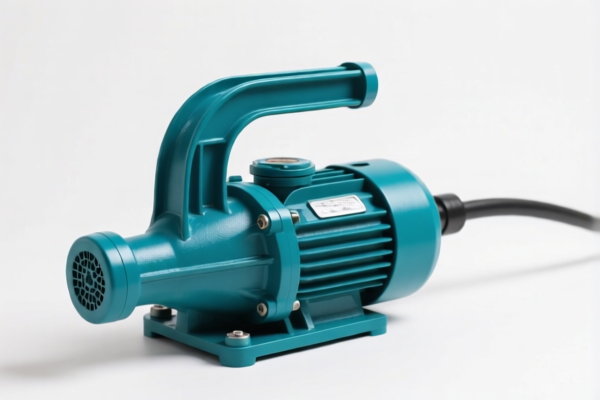
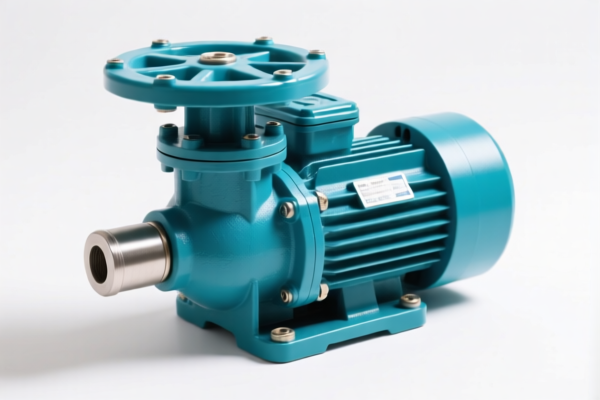
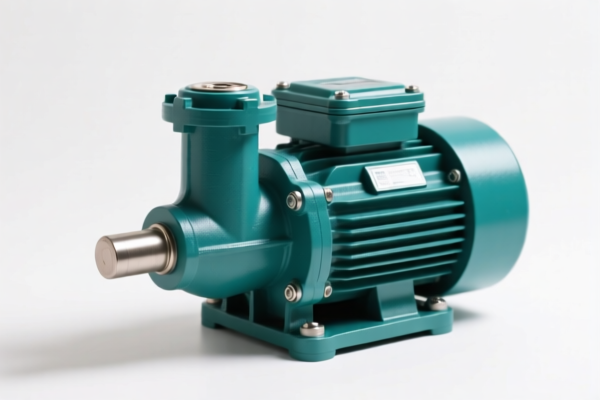
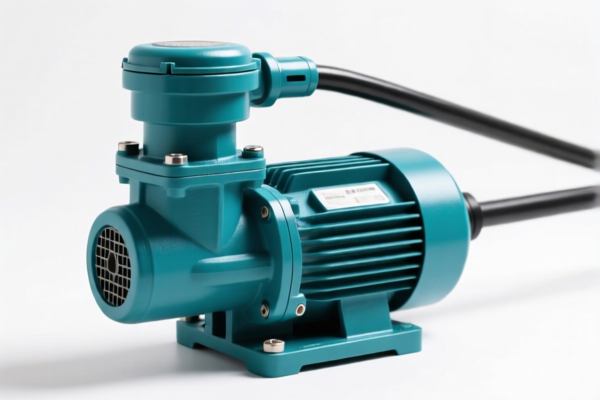
AI Analysis
🎈 Ball Pump (Portable Inflators & Air Compressors)
🌐 HS Code Reference & Customs Clearance Guide | 2026 Latest Tariff Analysis | Professional Clearance Strategy
📌 1. Product Definition & Classification: Do You Really Understand "Ball Pumps"?
A Ball Pump is a versatile device used to inflate spherical or rounded objects such as sports balls (soccer, basketball, volleyball), pool toys, and inflatable rafts. In international trade, its classification depends heavily on its drive mechanism, portability, and intended end-use.
There are two primary categories for Ball Pumps in customs declarations:
1. Mechanical/Compressor Types (HS 8414 Series):
- Typically involves pistons, diaphragms, or rotary screws.
- Often manual (hand-operated) or electrically driven as an air compressor.
- Classified under Chapter 84 (Nuclear reactors, boilers, machinery).
2. Electric Household Appliances (HS 8509 Series):
- Self-contained units with built-in electric motors.
- Designed for consumer/home use (e.g., small portable tire/ball inflators).
- Classified under Chapter 85 (Electrical machinery and equipment).
⚠️ Key Distinction:
- If it’s a manual hand pump or an industrial-grade air compressor → HS 8414.
- If it’s a plug-in or battery-operated portable inflator with a built-in motor → HS 8509.
📦 2. HS Code Classification Details (2026 Latest Tariff Matrix)
Based on the provided data, here are the 5 possible HS Code classifications for Ball Pumps, along with their logical justifications:
| HS Code | Product Description | Logical Justification from Data | Estimated Total Tax* |
|---|---|---|---|
| 8414.10.00.00 | Air or Vacuum Pumps (General) | Belongs to gas compression/pumping equipment; matches air/vacuum pump usage. | 37.5% |
| 8509.80.50.95 | Portable Inflator (Household Appliance) | Portable inflator falls under household appliances; has built-in electric motor; fits "other appliances" fallback logic. | 14.2% |
| 8414.80.16.85 | Portable Air Compressor | Portable air compressor; no obvious conflict; fits "possible compliance" judgment. | 35.0% |
| 8414.80.16.90 | Portable Air Compressor (Fallback) | Portable air compressor; no material conflict; fits "fallback category" matching logic. | 35.0% |
| 8509.80.10.00 | Electrically Driven Mechanical Device | Electric motor-driven air pump; belongs to electro-mechanical appliances; fits mechanical drive attribute in "other appliances." | 10.0% |
🔍 Note on Tax Rates:
All rates above include:
- Base Tariff
- Additional Tariffs (e.g., Section 301)
- Section 122 Tariff (10%)
Assuming origin: China → US.
💰 3. Detailed Tariff Breakdown by HS Code
✅ Applicable Country: United States (US)
✅ Origin: China (CN)
✅ Effective Date: 2025/2026 (Current Trade Policy)
🎯 1. 8414.10.00.00 — Air or Vacuum Pumps
| Item | Details |
|---|---|
| Base Tariff | 2.5% |
| Additional Tariff (Section 301) | 25.0% |
| Section 122 Tariff | 10.0% |
| Total Effective Rate | 37.5% |
| Calculation Basis | CIF Value × 37.5% |
| De Minimis Exemption? | ❌ No |
| Legal Basis Path | HTSUS 8414.10.00.00 → USITC Section 301 List → IEEPA Section 122 |
📌 Explanation:
This code is for general air/vacuum pumps. If your ball pump is a standalone compressor unit (not a small household appliance), it falls here. The 37.5% rate is high due to叠加 tariffs.
🎯 2. 8509.80.50.95 — Portable Inflator (Household Appliance)
| Item | Details |
|---|---|
| Base Tariff | 4.2% |
| Additional Tariff (Section 301) | 0.0% |
| Section 122 Tariff | 10.0% |
| Total Effective Rate | 14.2% |
| Calculation Basis | CIF Value × 14.2% |
| De Minimis Exemption? | ❌ No |
| Legal Basis Path | HTSUS 8509.80.50.95 → IEEPA Section 122 |
📌 Explanation:
This is the most favorable rate for portable, battery/plug-in inflators marketed as household appliances. The key is that it has a built-in motor and is not classified as an industrial compressor. Lowest tax burden.
🎯 3. 8414.80.16.85 — Portable Air Compressor
| Item | Details |
|---|---|
| Base Tariff | 0.0% |
| Additional Tariff (Section 301) | 25.0% |
| Section 122 Tariff | 10.0% |
| Total Effective Rate | 35.0% |
| Calculation Basis | CIF Value × 35.0% |
| De Minimis Exemption? | ❌ No |
| Legal Basis Path | HTSUS 8414.80.16.85 → USITC Section 301 List → IEEPA Section 122 |
📌 Explanation:
If classified as a portable air compressor under Chapter 84, it incurs a 25% Section 301 tariff. The base rate is 0%, but the total is still high due to additional tariffs.
🎯 4. 8414.80.16.90 — Portable Air Compressor (Fallback)
| Item | Details |
|---|---|
| Base Tariff | 0.0% |
| Additional Tariff (Section 301) | 25.0% |
| Section 122 Tariff | 10.0% |
| Total Effective Rate | 35.0% |
| Calculation Basis | CIF Value × 35.0% |
| De Minimis Exemption? | ❌ No |
| Legal Basis Path | HTSUS 8414.80.16.90 → USITC Section 301 List → IEEPA Section 122 |
📌 Explanation:
Similar to 8414.80.16.85, this is a fallback category for portable air compressors with no specific material description. Same tax burden as above.
🎯 5. 8509.80.10.00 — Other Electrically Driven Mechanical Devices
| Item | Details |
|---|---|
| Base Tariff | 0.0% |
| Additional Tariff (Section 301) | 0.0% |
| Section 122 Tariff | 10.0% |
| Total Effective Rate | 10.0% |
| Calculation Basis | CIF Value × 10.0% |
| De Minimis Exemption? | ❌ No |
| Legal Basis Path | HTSUS 8509.80.10.00 → IEEPA Section 122 |
📌 Explanation:
This is the LOWEST possible tax rate (10%) if the device is clearly defined as an electro-mechanical appliance with a built-in motor, but not specifically listed as a "portable inflator" under 8509.80.50.95. It relies on the "other appliances" fallback logic. Highly recommended for cost optimization.
🛠️ 4. Customs Clearance Practical Advice (Pitfall Avoidance Guide)
✅ 1. Required Documentation Checklist
| Document | Mandatory | Notes |
|---|---|---|
| ✅ Product Specification Sheet | ✔️ | Include drive type (electric/manual), power source, max PSI, voltage. |
| ✅ Circuit Diagram / Internal Structure | ✔️ | Crucial to prove it has a built-in motor (for HS 8509 vs 8414). |
| ✅ Product Photos (Label & Interior) | ✔️ | Show model number, brand, input/output specs, and battery/plug type. |
| ✅ Third-Party Test Report | ✔️ | FCC, CE, UL (if applicable). |
| ✅ Commercial Invoice | ✔️ | Clearly state: "Portable Electric Ball Inflator with Built-in Motor, Model XYZ." |
| ✅ Packing List | ✔️ | Detail all accessories (nozzles, power cord). Avoid splitting components. |
✅ 2. Declaration Strategy (Key Mantra)
🔥 "Electric = 8509, Compressor = 8414; Name Matters, Tax Drops in Half!"
| Scenario | Correct Declaration | Wrong Declaration |
|---|---|---|
| Small battery-operated inflator | 8509.80.50.95 (14.2%) |
Misdeclare as "Air Compressor" → 35% |
| Hand-pump or industrial compressor | 8414.10.00.00 (37.5%) |
Misdeclare as "Household Appliance" → Risk of penalty |
| Electric inflator with no specific sub-code | 8509.80.10.00 (10%) |
Use generic "Pump" → Uncertainty |
| Full set (pump + ball + case) | Declare as Pump | Split into "Ball" + "Pump" → Higher combined tax |
📌 Critical Tip:
- To qualify for HS 8509 (lower tax), you MUST prove the device has a self-contained electric motor.
- If the pump is manual or pneumatic, it cannot go under HS 8509.
✅ 3. Special Cases
| Case | Handling Advice |
|---|---|
| OEM Custom Inflators | Provide design drawings and client order to confirm "built-in motor" feature. |
| Dual-Purpose Devices (e.g., Inflate + Deflate) | Still classify as 8509 if motor-driven. |
| Solar-Powered Inflators | If it has a battery and motor, still 8509. If purely mechanical, 8414. |
| Industrial Air Compressors | Must use 8414 codes. Do not attempt to classify as household appliance. |
🌍 5. Global Market Comparison (2026)
| Market | Recommended HS Code | Est. Tax (China Origin) | Certification Required | Notes |
|---|---|---|---|---|
| 🇺🇸 USA | 8509.80.10.00 or 8509.80.50.95 |
10% or 14.2% | FCC, UL | Avoid HS 8414 if possible (35-37.5%). |
| 🇪🇺 EU | 8414.80 or 8509.80 |
0-4% | CE, RoHS, ErP | No Section 301 tariffs. Lower base rates. |
| 🇨🇳 China | 8414.80 or 8509.80 |
0-4% | CCC | Low tariffs, no additional surcharges. |
| 🇬🇧 UK | 8414.80 or 8509.80 |
0-4% | UKCA, RoHS | Post-Brexit rules apply. |
📌 Conclusion:
- USA is the only major market with high additional tariffs (301 + 122).
- Optimization Strategy: Classify as Electric Appliance (HS 8509) to minimize tax from 37.5% to 10-14.2%.
📌 6. Common Mistakes & Pitfalls (Lessons Learned)
❌ Mistake 1: Calling a battery-operated inflator an "Air Compressor"
👉 Consequence: Tax jumps from 10% to 35%.
❌ Mistake 2: Using "Manual Pump" description for an electric model
👉 Consequence: Customs rejects HS 8509, forces 8414 → 37.5% tax.
❌ Mistake 3: Missing circuit diagrams or motor specs
👉 Consequence: Customs cannot verify "built-in motor" → Delay, reclassification, penalty.
❌ Mistake 4: Splitting "Pump + Nozzles + Case" into separate lines
👉 Consequence: Nozzles may be taxed at higher rates; case at different rates. Declare as one unit.
✅ Correct Declaration Example:
"Portable Electric Ball Inflator with Built-in Motor, 12V DC, Max Pressure 150 PSI, Model ABC, FCC Certified"
🎯 7. Conclusion: Professional Classification Saves Money!
🎯 Remember the Mantra:
🔹 "Electric Motor = 8509, Manual/Compressor = 8414"
🔹 "Tax Difference is 25%+; One Word Can Cost Thousands!"
🔹 "Document the Motor, Optimize the Rate, Sleep Well at Night!"
📌 Pro Tip:
- If your product has a built-in electric motor, always prioritize HS 8509.
- Apply for an Advance Ruling (Pre-classification) with US Customs (CBP) to secure the 10% or 14.2% rate.
- Keep circuit diagrams and motor specifications ready for customs inspection.
📣 Immediate Action:
📞 Contact a Licensed Customs Broker
📄 Prepare Product Specs & Circuit Diagrams
🚀 Submit for Advance Ruling to Lock in Low Tax Rates
✨ Professional Classification Starts with Precision!
💼 Every Percent Saved is Pure Profit!
Customer Reviews
About HS Code Classification
The Harmonized System (HS) is an internationally standardized nomenclature developed by the World Customs Organization (WCO) to classify traded products. Over 200 countries use the HS system as the basis for customs tariffs, trade statistics, and import/export regulations.
Each HS code follows a hierarchical structure:
- Chapter (2 digits) — Broad category of goods (e.g., Chapter 84: Machinery and Mechanical Appliances)
- Heading (4 digits) — More specific grouping within the chapter
- Subheading (6 digits) — Internationally standardized breakdown, used by all WCO member countries
- National subdivisions (8-10 digits) — Country-specific extensions for further classification, such as US HTSUS 10-digit codes
Correct HS code classification is essential for smooth customs clearance, accurate duty payment, and compliance with trade regulations. Misclassification can lead to customs delays, overpayment of duties, or penalties.
When importing from CN to US, the applicable tariff rates may include:
- Most-Favored-Nation (MFN) rate — The standard duty rate applied to WTO members
- General rate — Applied to countries without trade agreements
- Trade remedy duties — Additional tariffs such as Section 301 (anti-dumping), Section 232 (national security), or countervailing duties
The information provided on this page is for reference purposes only. For official classification, please consult with your local customs authority or a licensed customs broker.