Bamboo Balcony Chair
CN → US| HS Code | Tariff Rate | Origin | Destination | Doc |
|---|---|---|---|---|
| 4602113500 | 35.0% | CN | US | Official Doc |
| 9403820015 | 35.0% | CN | US | Official Doc |
| 9403820030 | 35.0% | CN | US | Official Doc |
| 9401520000 | 35.0% | CN | US | Official Doc |
| 4602114500 | 41.6% | CN | US | Official Doc |
| 9401590000 | 35.0% | CN | US | Official Doc |
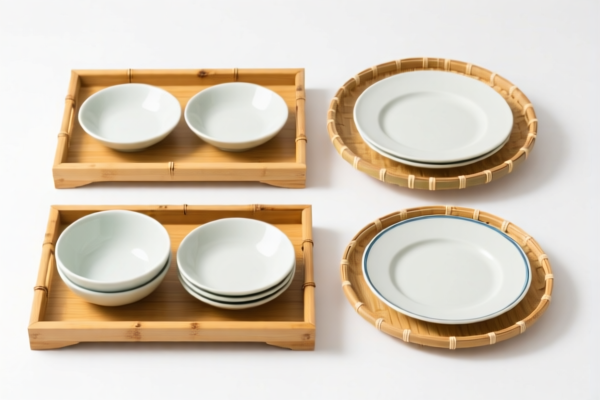
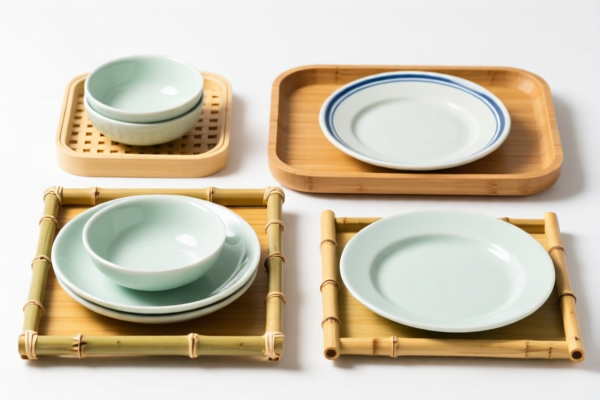
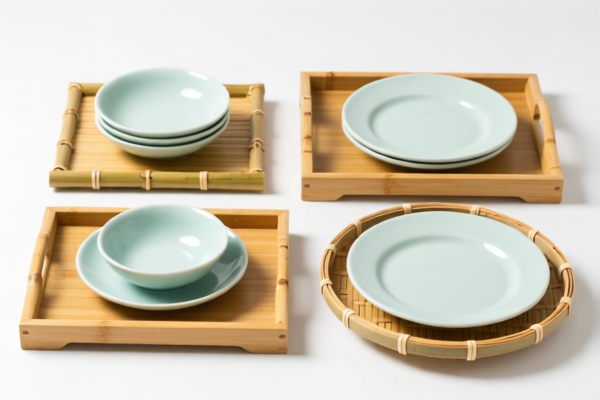
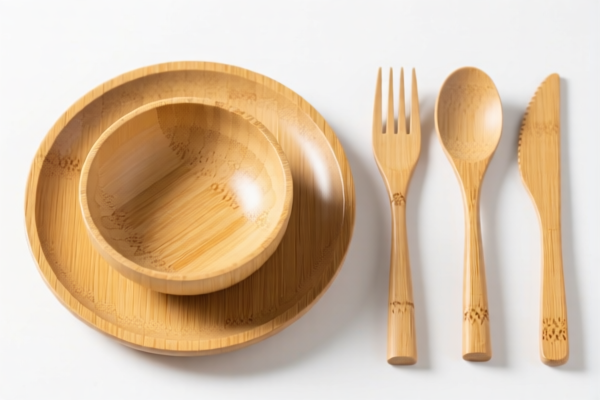
Product Images
AI Analysis
🎋 Bamboo Balcony Chair (Outdoor Seating)
🌐 HS Code Reference & Customs Clearance Guide | 2026 Latest Tariff Analysis | Professional US Customs Strategy
📌 I. Product Definition & Classification: Do You Really Understand "Bamboo Balcony Chairs"?
Bamboo balcony chairs are essential furniture pieces for outdoor living, characterized by their natural aesthetic and durability. In international trade, they are classified based on their construction method (woven vs. solid joinery) and specific chapter (Chapter 46 vs. Chapter 94). This distinction is critical because it determines whether you fall under the "Basketry/Wicker" chapter or the "Furniture" chapter, significantly impacting duty rates and compliance requirements.
Key Distinction Criteria:
- Woven/Basketry Construction (Chapter 46): Items made primarily from woven strips of bamboo, rattan, or similar materials. These are often categorized as "articles of basketry."
- Solid/Furniture Construction (Chapter 94/9401): Items made from solid bamboo poles or joined bamboo pieces, intended for seating (like standard chairs) rather than woven baskets. These fall under general furniture or specific seating headings.
⚠️ Critical Classification Point:
- If the chair is woven (like a wicker chair, using thin strips):归入 Chapter 46 (4602.11...)
- If the chair is solid/joined (like a wooden chair but made of bamboo):归入 Chapter 94 (9403.82...or9401.52...)
- Misclassification Risk: Declaring a solid bamboo chair as "woven" may trigger a dispute, but often results in similar high tariffs; however, accuracy is key to avoiding penalties.
📦 II. HS Code Classification Details (2026 Latest Tariff Authority Comparison)
Based on the provided data, here are the valid HS Codes for Bamboo Balcony Chairs, categorized by their specific nature and tax implications.
| HS Code | Product Description | Application Scenario | Construction Type | Total Tax Rate |
|---|---|---|---|---|
4602.11.35.00 |
Bamboo woven products, shape: Chair | Woven bamboo chairs, rattan-style outdoor chairs | ✅ Woven/Basketry | 35.0% |
9403.82.00.15 |
Other household furniture made of bamboo, use: Chair | Solid bamboo household chairs, non-standard shapes | ✅ Solid/Furniture | 35.0% |
9403.82.00.30 |
Other furniture made of bamboo, use: Chair | General bamboo furniture items used as seats | ✅ Solid/Furniture | 35.0% |
9401.52.00.00 |
Bamboo seats, meeting material & shape limits | Standard bamboo seating, specifically designed as seats | ✅ Solid/Furniture (Seating) | 35.0% |
4602.11.45.00 |
Bamboo baskets or similar woven products, shape: Chair | Woven baskets repurposed as chairs, or strict basketry classification | ✅ Woven/Basketry | 41.6% |
9401.59.00.00 |
Bamboo or similar material seats, use: Seat | Bamboo seats not fitting specific "household furniture" categories | ✅ Solid/Furniture (Seating) | 35.0% |
🔍 Key Insight:
- Most Codes (35% Rate):4602.11.35.00,9403.82.00.15,9403.82.00.30,9401.52.00.00, and9401.59.00.00all carry a 35% total tax rate.
- Higher Rate Code (41.6% Rate):4602.11.45.00carries a 41.6% total tax rate due to a higher base duty. This is often a trap for importers who misclassify simple bamboo items as "basketry" when they should be treated as furniture, or vice versa, depending on the specific tariff schedule nuances. Always verify if your product is strictly "woven" vs. "furniture".
💰 III. 2026 Latest Tariff Rate Breakdown (Including Surcharges & Policy Add-ons)
✅ Applicable Country: United States (US)
✅ Origin: China (CN)
✅ Effective Date: From 2025/2026 (Current Trade Policy Context)
🎯 1. Standard Codes (4602.11.35.00, 9403.82.00.15, 9403.82.00.30, 9401.52.00.00, 9401.59.00.00)
| Item | Content |
|---|---|
| Base Duty Rate | 0.0% (ad valorem) |
| Section 301 Surcharge | +25.0% (Added Tariff) |
| Section 122 Tariff | +10.0% (122 Clause Tariff) |
| Total Tax Rate | 35.0% |
| Tax Calculation | CIF Value × 35% |
| De Minimis Exemption? | ❌ Not Eligible (Deny De Minimis) |
| Legal Basis Path | Section 301 → Section 122 → USITC HS Code |
📌 Explanation:
- "Section 301 Surcharge (+25%)": This is the standard "Trump/Tariff" duty on most Chinese goods.
- "Section 122 Tariff (+10%)": This refers to specific enforcement actions or additional duties under trade laws (often linked to customs enforcement or specific sector penalties).
- Total 35%: This is a high tariff burden. Importers must factor this into their landed cost calculations.
🎯 2. High Rate Code (4602.11.45.00)
| Item | Content |
|---|---|
| Base Duty Rate | 6.6% (ad valorem) |
| Section 301 Surcharge | +25.0% |
| Section 122 Tariff | +10.0% |
| Total Tax Rate | 41.6% |
| Tax Calculation | CIF Value × 41.6% |
| De Minimis Exemption? | ❌ Not Eligible |
| Legal Basis Path | Base Duty → Section 301 → Section 122 |
📌 Warning:
- This code has a non-zero base duty (6.6%), which stacks with the 25% and 10% surcharges.
- Avoid this classification unless absolutely necessary. If your chair can be classified under any of the 35% codes (especially9401.52.00.00for seating), it is significantly cheaper.
- Misclassifying a standard bamboo chair as "basketry" (4602.11.45.00) instead of "furniture" (9401.52.00.00) can increase costs by 6.6% on the entire CIF value.
🛠️ IV. Customs Clearance Practical Advice (Real-World Pitfall Guide)
✅ 1. Documentation Checklist (Non-Negotiable)
| Document | Required | Description |
|---|---|---|
| ✅ Product Specification Sheet | ✔️ | Must detail: Material (100% Bamboo), Weaving vs. Solid, Dimensions, Weight. |
| ✅ Product Photos | ✔️ | Clear images of joints, weaving pattern, and overall shape. Essential for distinguishing 4602 vs 9401. |
| ✅ Commercial Invoice | ✔️ | Must state "Bamboo Chair" clearly. Avoid vague terms like "Wicker Product" if it's solid furniture. |
| ✅ Packing List | ✔️ | Show assembly status (Knocked Down vs. Assembled). |
| ✅ Origin Certificate | ✔️ | Proof of Chinese origin (triggers tariffs). |
✅ 2. Declaration Strategy (Key Mnemonics)
🔥 “Solid = Furniture, Woven = Basket. Choose ‘9401.52’ to Save!”
| Scenario | Correct HS Code | Incorrect Code | Consequence |
|---|---|---|---|
| Solid Bamboo Chair (joined poles) | 9401.52.00.00 (35%) |
4602.11.45.00 (41.6%) |
Overpay 6.6% on CIF |
| Woven Bamboo Chair (thin strips) | 4602.11.35.00 (35%) |
9401.59.00.00 (35%) |
Same Rate, but Risk of Audit |
| Bamboo Basket used as Chair | 4602.11.45.00 (41.6%) |
9403.82.00.15 (35%) |
Misclassification Risk |
📌 Advice:
- If your chair is made of solid bamboo poles tied together, declare it as Furniture (9401or9403).
- If your chair is made of thin, flexible bamboo strips woven together, declare it as Basketry (4602).
- Pro Tip:9401.52.00.00is often the safest and most straightforward code for "Bamboo Seats" as it explicitly mentions "Seats."
✅ 3. Special Considerations
| Situation | Handling Advice |
|---|---|
| Knocked Down (KD) vs. Assembled | Declare as assembled if shipped assembled. If KD, provide assembly instructions to prove it’s a "chair" and not "parts" (which might have different duty rates). |
| Mixed Materials | If the chair has metal brackets or fabric cushions, it may still be classified as bamboo furniture if bamboo is the essential character. Document all materials. |
| Origin Labeling | Clearly mark "Made in China" on the product and packaging. Failure to do so can result in fines regardless of HS Code. |
🌍 V. Global Market Comparison (2026 Context)
| Country/Region | Recommended HS Code | Tariff Rate (China Origin) | Notes |
|---|---|---|---|
| 🇺🇸 USA | 9401.52.00.00 |
35.0% | High tariffs due to Section 301 & 122. No de minimis. |
| 🇨🇳 China | 9401.52.00.00 |
~10-13% | Import duty + VAT. Much lower than US. |
| 🇪🇺 EU | 9401.52.00.00 |
~5-7% | No Section 301. Standard MFN rates apply. |
| 🇬🇧 UK | 9401.52.00.00 |
~5-7% | Post-Brexit tariffs. No US-style surcharges. |
| 🇨🇦 Canada | 9401.52.00.00 |
~0-5% | CUSMA benefits may apply if re-exported from US/Mexico (check rules of origin). |
📌 Conclusion:
- The US market is the most expensive for bamboo furniture due to layered tariffs.
- EU/UK/Canada are more favorable for Chinese bamboo products.
- Strategy: Consider sourcing bamboo from Vietnam or Thailand if targeting the US market to potentially avoid Section 301 tariffs (subject to strict anti-circumvention laws).
📌 VI. Common Errors & Pitfall Guide (Lessons Learned)
❌ Error 1: Using 4602.11.45.00 for a solid bamboo chair.
👉 Consequence: You pay 41.6% instead of 35%. A $10,000 shipment costs $660 more in duties.
❌ Error 2: Declaring "Wicker Chair" for a solid bamboo chair.
👉 Consequence: Customs may reject the declaration, request additional proof, and delay clearance. Even if accepted, the rate might be similar, but the audit risk increases.
❌ Error 3: Ignoring the "Section 122" 10% surcharge.
👉 Consequence: Your cost calculation is off by 10%. Always include all surcharges in your FOB/CIF pricing models.
❌ Error 4: Assuming De Minimis ($800) applies.
👉 Consequence: It does not apply to Chinese goods under these HS codes. Even small shipments will be taxed.
✅ Correct Approach:
"Bamboo Seat, Solid Joinery, Declare 9401.52.00.00. Avoid 4602.11.45.00 to Save 6.6%."
🎯 VII. Conclusion: Professional Declaration, Cost Efficiency
🎯 Key Takeaway:
🔹 For Bamboo Balcony Chairs:
- If Solid: Use9401.52.00.00(35% Total Tax).
- If Woven: Use4602.11.35.00(35% Total Tax).
- AVOID4602.11.45.00(41.6% Total Tax) unless you are a professional basketry importer.
📌 Actionable Advice:
- Verify Construction: Is it woven or solid?
- Select the 35% Code: Prefer
9401.52.00.00for seats.- Calculate Landed Cost: Include 35% duty + freight + insurance.
- Pre-Ruling: Consider filing an Advance Ruling with US Customs if your product is borderline between "woven" and "solid."
📣 Immediate Action:
📞 Contact a Customs Broker to confirm the specific construction details of your bamboo chair.
🚀 Optimize Your Supply Chain: If tariffs are too high, explore Third-Country Origin (e.g., Vietnam) with proper documentation.
✨ Professional Clearance Starts with Accurate Classification!
💼 Every Percentage Point Saves You Money!
Customer Reviews
About HS Code Classification
The Harmonized System (HS) is an internationally standardized nomenclature developed by the World Customs Organization (WCO) to classify traded products. Over 200 countries use the HS system as the basis for customs tariffs, trade statistics, and import/export regulations.
Each HS code follows a hierarchical structure:
- Chapter (2 digits) — Broad category of goods (e.g., Chapter 84: Machinery and Mechanical Appliances)
- Heading (4 digits) — More specific grouping within the chapter
- Subheading (6 digits) — Internationally standardized breakdown, used by all WCO member countries
- National subdivisions (8-10 digits) — Country-specific extensions for further classification, such as US HTSUS 10-digit codes
Correct HS code classification is essential for smooth customs clearance, accurate duty payment, and compliance with trade regulations. Misclassification can lead to customs delays, overpayment of duties, or penalties.
When importing from CN to US, the applicable tariff rates may include:
- Most-Favored-Nation (MFN) rate — The standard duty rate applied to WTO members
- General rate — Applied to countries without trade agreements
- Trade remedy duties — Additional tariffs such as Section 301 (anti-dumping), Section 232 (national security), or countervailing duties
The information provided on this page is for reference purposes only. For official classification, please consult with your local customs authority or a licensed customs broker.