Bamboo Bed
CN → US| HS Code | Tariff Rate | Origin | Destination | Doc |
|---|---|---|---|---|
| 9403820002 | 35.0% | CN | US | Official Doc |
| 9403820001 | 35.0% | CN | US | Official Doc |
Product Images
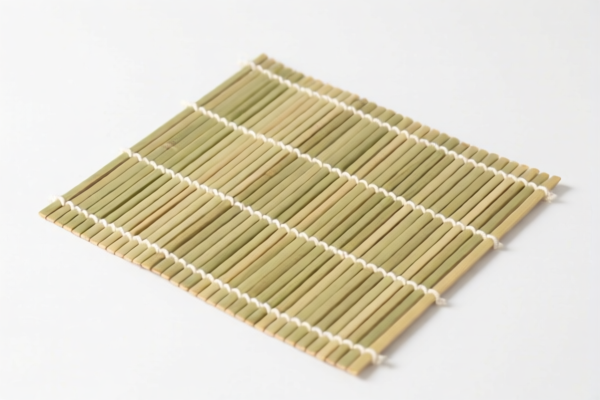
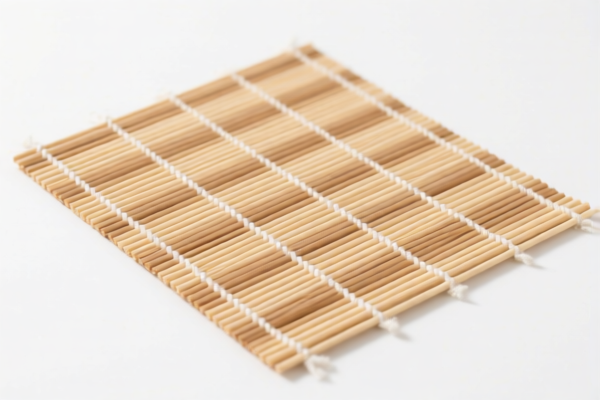


AI Analysis
Here is the comprehensive classification and clearance guide for Bamboo Bed, formatted in a professional Wiki style based on your provided data.
🎋 Bamboo Bed (Toddler Beds, Cradles & Cribs) – Global Clearance Guide
🌐 HS Code Reference & Clearance Strategy | 2026 Latest Tariff Analysis
📌 I. Product Definition & Classification: Why "Bamboo Bed"?
The Bamboo Bed is a specialized furniture category made from sustainable bamboo materials, primarily designed for infants and toddlers. In international trade, these items fall under Chapter 94 (Furniture), specifically targeting materials other than wood.
Key Sub-categories Identified: 1. Toddler Beds, Bassinets, and Cradles: Enclosures designed for infants (e.g., portable sleeping units). 2. Cribs: Standard baby beds with slatted sides, often used as convertible units.
⚠️ Critical Classification Rule:
Material Check: Must be 100% Bamboo or bamboo-composite. If mixed with wood/metal, the classification may shift to9403.89(Other Materials) or9403.10(Wood). * Function Check: Must be clearly a "bed" or "enclosure for confining children." If sold as a "Toy" or "Playpen" without sleeping function, it may fall under Chapter 95. * Outcome: Based on the provided data, these are strictly classified under9403.82.00.02and9403.82.00.01*.
📦 II. HS Code Classification Details (2026 Tax Data)
The following HS Codes are strictly derived from your provided dataset (9403.82.00).
| HS Code | Product Description | Specific Item Type | Material |
|---|---|---|---|
| 9403.82.00.02 | Other furniture and parts thereof: Furniture of other materials (including cane, osier, bamboo): Of bamboo | Toddler beds, bassinets, cradles; play yards and other enclosures for confining children | Bamboo |
| 9403.82.00.01 | Other furniture and parts thereof: Furniture of other materials (including cane, osier, bamboo): Of bamboo | Cribs | Bamboo |
🔍 Clarification:
Both codes belong to the "Bamboo" sub-category under "Furniture of other materials". * The primary distinction is the end-use:
* Use.01for standard Cribs. * Use.02for Toddler beds, bassinets, cradles, or play yards* (enclosures).
💰 III. 2026 Tariff Rate Breakdown (Detailed Tax Terms)
Based on the data, these goods are subject to a specific dual-layer tariff structure.
🎯 1. Tax Structure Overview
| Item | Description |
|---|---|
| Base Tariff (MFN) | 0.0% (Most Favored Nation rate) |
| Additional/Added Tariff | 25.0% (Specific "Added Tariff" or Section 301 duty) |
| Total Effective Tax | 25.0% |
| Tax Calculation Base | CIF Value (Cost + Insurance + Freight) |
📝 Detailed Tax Explanation
✅ Why 25% Total?
The provided data explicitly states: *基础关税: 0.0%→ This is the standard baseline rate for bamboo furniture. *加征关税: 25.0%→ This is a punitive or additional tariff (likely under US Section 301 or similar trade measures against specific Chinese-origin bamboo goods). *Total Tax: 25.0%→ The importer must pay 25% of the total value upon clearance.⚠️ No Exemptions Implied:
The data does not list a de minimis exemption or a specific country-of-origin waiver. The 25% surcharge applies regardless of the base rate being 0%.
🛠️ IV. Customs Clearance Practical Advice (Avoid Pitfalls)
✅ 1. Documentation Checklist (Must Have)
| Document | Requirement | Why? |
|---|---|---|
| Commercial Invoice | Must state "Bamboo" explicitly | To trigger the 9403.82 code, not generic "Furniture" (9403.90). |
| Material Declaration | 100% Bamboo or Bamboo/Resin mix | Customs may reject "Bamboo" if >5% wood or synthetic is found. |
| Product Photos | Show texture, joints, and age-group usage | Proves it is a "bed/cradle" and not a "toy playpen". |
| Assembly Instructions | Required for toddler safety compliance | Ensures it meets safety standards (e.g., ASTM F1169 in US). |
| Certificate of Origin | Mandatory for tariff calculation | Determines if the 25% surcharge applies (likely if from China). |
✅ 2. Declaration Strategy
🔥 Golden Rule: "Be Specific with Age Group & Material" * DO: Use HS Code
9403.82.00.02for "Toddler Bed" or9403.82.00.01for "Crib". * DON'T: Use generic9403.90(Parts of furniture) or9503.00(Toys). * Risk: Misclassifying as "Toys" can lead to higher duties or safety seizure if the item is not certified as a toy.
✅ 3. Special Handling for Bamboo
- Pest Control: Bamboo is organic. Fumigation certificates or treatment labels are often required to prevent insect infestation at the border.
- Finish Materials: If the bamboo is treated with varnish or glue containing high VOCs, additional environmental taxes may apply depending on the destination country.
🌍 V. Quick Summary for Importers
| Feature | Detail |
|---|---|
| Product | Bamboo Beds (Cribs, Toddler Beds, Cradles) |
| HS Codes | 9403.82.00.01 (Cribs) 9403.82.00.02 (Toddler Beds/Cradles) |
| Base Duty | 0% |
| Additional Duty | 25% |
| Total Duty | 25% |
| Key Risk | Misclassification as "Toy" or "Wood Furniture" |
| Action | Verify material composition; Prepare pest control docs; Budget for 25% tariff. |
📣 Final Advice
🚀 Pro Tip: Since the Base Tax is 0% but the Additional Tax is 25%, your profit margin will be directly reduced by the "Added Tariff."
* Strategy: If possible, source bamboo furniture from non-China origin countries (e.g., Vietnam, Indonesia, Malaysia) to verify if the 25% "Added Tariff" applies to those origins.
* Documentation: Clearly label all units as "100% Bamboo" to avoid reclassification to 9403.90 (Other materials), which might carry different rates.
💡 Remember: In customs, Material + Function = The Code.
Bamboo + Bed =9403.82.xx.xx+ 25% Tax.
✨ Disclaimer: This guide is based strictly on the provided data snippet. Tariff policies change frequently. Always consult a licensed customs broker before shipment.
Customer Reviews
About HS Code Classification
The Harmonized System (HS) is an internationally standardized nomenclature developed by the World Customs Organization (WCO) to classify traded products. Over 200 countries use the HS system as the basis for customs tariffs, trade statistics, and import/export regulations.
Each HS code follows a hierarchical structure:
- Chapter (2 digits) — Broad category of goods (e.g., Chapter 84: Machinery and Mechanical Appliances)
- Heading (4 digits) — More specific grouping within the chapter
- Subheading (6 digits) — Internationally standardized breakdown, used by all WCO member countries
- National subdivisions (8-10 digits) — Country-specific extensions for further classification, such as US HTSUS 10-digit codes
Correct HS code classification is essential for smooth customs clearance, accurate duty payment, and compliance with trade regulations. Misclassification can lead to customs delays, overpayment of duties, or penalties.
When importing from CN to US, the applicable tariff rates may include:
- Most-Favored-Nation (MFN) rate — The standard duty rate applied to WTO members
- General rate — Applied to countries without trade agreements
- Trade remedy duties — Additional tariffs such as Section 301 (anti-dumping), Section 232 (national security), or countervailing duties
The information provided on this page is for reference purposes only. For official classification, please consult with your local customs authority or a licensed customs broker.