Bamboo Braided Products
CN → US| HS Code | Tariff Rate | Origin | Destination | Doc |
|---|---|---|---|---|
| 4420110010 | 13.2% | CN | US | Official Doc |
| 4602110700 | 35.0% | CN | US | Official Doc |
| 4420110030 | 13.2% | CN | US | Official Doc |
| 4602110900 | 45.0% | CN | US | Official Doc |
| 4419120000 | 13.2% | CN | US | Official Doc |
Product Images
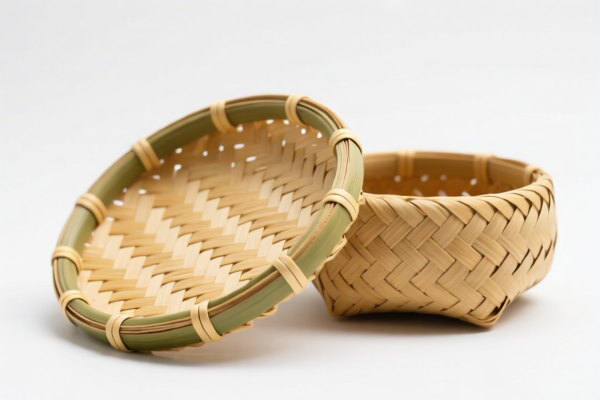
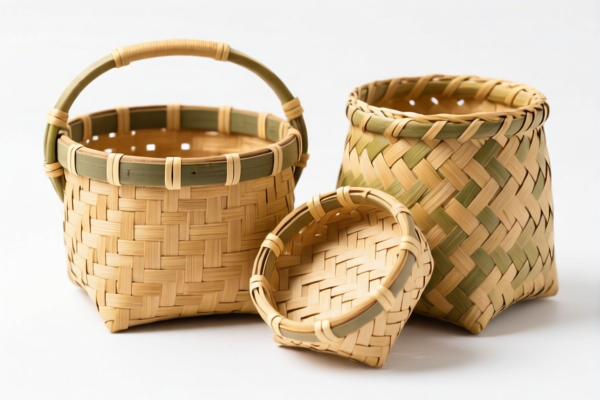
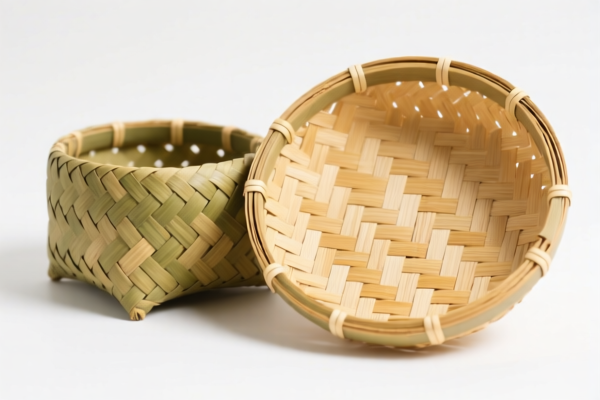
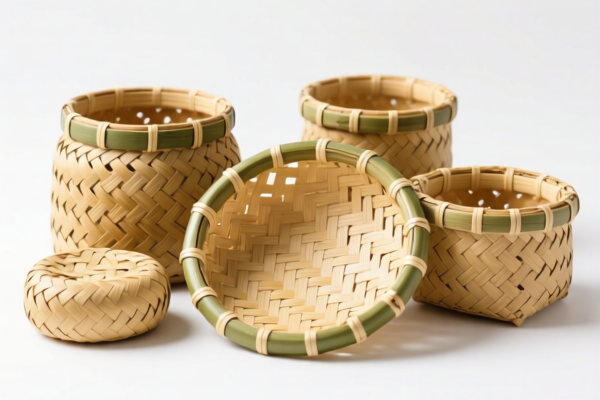
AI Analysis
🎋 Bamboo Braided Products (International Trade & Customs Clearance Guide)
🌐 HS Code Reference & Clearance Strategy | 2026 Latest Tariff Analysis | Professional通关 Strategy
📌 1. Product Definition & Classification: Do You Truly Understand "Bamboo Braided Products"?
Bamboo braided products refer to articles made from bamboo strips, split bamboo, or woven bamboo fibers, crafted through braiding, weaving, or plaiting techniques. In international trade, classification is highly sensitive to form, specific use, and material processing level. The key distinction lies between:
- General Bamboo Articles (Chapter 44): Items made of processed bamboo wood, such as decorative items, generic containers, or unfinished blanks.
- Woven Bamboo Articles (Chapter 46): Items specifically crafted by weaving or braiding bamboo materials, such as baskets, bags, mats, or furniture components.
⚠️ Key Classification Point:
- If the item is a generic basket, bag, or container with no other specific function → Likely Chapter 46 (Woven Articles).
- If the item is a decorative piece, handle, or non-woven structural part → Likely Chapter 44 (Wood/Bamboo Articles).
- Misclassification Risk: Declaring a woven basket as "Bamboo Wood" (Ch. 44) can trigger higher additional tariffs due to USITC footnote distinctions.
📦 2. HS Code Classification Matrix (Based on Provided Data)
| HS Code | Product Description | Classification Logic | Estimated Total Tax (US/CN Origin) |
|---|---|---|---|
4420.11.00.10 |
Bamboo products, generic/dummy category | Matches bamboo material; no specific use stated; falls under residual/backup category for bamboo wood articles. | 13.2% |
4602.11.07.00 |
Bamboo products, woven/braided | Matches bamboo material & basic attributes; form description is vague but non-conflicting; likely generic woven item. | 35.0% |
4420.11.00.30 |
Bamboo products, generic/dummy category | Similar to .10; matches bamboo material; no specific use stated; fallback category for bamboo wood. |
13.2% |
4602.11.09.00 |
Bamboo baskets & bags (woven) | Explicitly includes bamboo baskets and bags; fits specific woven product attributes. | 45.0% |
4419.12.00.00 |
Bamboo tableware/kitchenware | Inferred to include bamboo cutlery, plates, or kitchen items; satisfies material requirements with no conflict. | 13.2% |
🔍 Critical Note:
-4602.11.09.00carries the highest tax (45%) because it explicitly covers baskets and bags, which are subject to specific USITC footnotes.
-44xxcodes generally carry lower total tax (13.2%) but require that the product not be a primary woven basket/bag.
-4602.11.07.00is a middle-ground option for vague woven items, with 35.0% tax.
💰 3. 2026 Latest Tariff Breakdown (Including Surcharges & Policy Add-ons)
✅ Applicable Country: United States (US)
✅ Origin: China (CN)
✅ Effective Date: Post-November 2025 (subject to current trade policies)
🎯 1. 4420.11.00.10 & 4420.11.00.30 — Bamboo Wood Articles (Generic)
| Item | Detail |
|---|---|
| Base Duty | 3.2% (ad valorem) |
| Section 301 Surcharge | 0.0% (Note: Data indicates 0%, but verify if product is considered "wood" under 301) |
| Section 122 Tariff | +10.0% (Specific US trade provision) |
| Total Tax Rate | 13.2% |
| Calculation | CIF Value × 13.2% |
| De Minimis Eligibility | ❌ No (High-value goods typically excluded) |
| Legal Basis Path | USITC:4420.11.00.xx → FOOTNOTE:122 |
📌 Explanation:
- These codes are for non-woven or generic bamboo items.
- The 10% Section 122 tariff is a significant addition, bringing the total to 13.2%.
- Advantage: Lower than woven basket codes if the product can be classified as a generic bamboo article.
🎯 2. 4602.11.07.00 — Other Woven Bamboo Products (Vague Form)
| Item | Detail |
|---|---|
| Base Duty | 0.0% |
| Section 301 Surcharge | +25.0% (USITC Footnote for woven goods from China) |
| Section 122 Tariff | +10.0% |
| Total Tax Rate | 35.0% |
| Calculation | CIF Value × 35.0% |
| De Minimis Eligibility | ❌ No |
| Legal Basis Path | USITC:4602.11.07.00 → FOOTNOTE:301 → FOOTNOTE:122 |
📌 Note:
- This code is for woven bamboo items that are not specifically baskets/bags.
- The 25% Section 301 duty is the main driver of cost here.
🎯 3. 4602.11.09.00 — Bamboo Baskets & Bags
| Item | Detail |
|---|---|
| Base Duty | 10.0% |
| Section 301 Surcharge | +25.0% (USITC Footnote for woven goods from China) |
| Section 122 Tariff | +10.0% |
| Total Tax Rate | 45.0% |
| Calculation | CIF Value × 45.0% |
| De Minimis Eligibility | ❌ No |
| Legal Basis Path | USITC:4602.11.09.00 → FOOTNOTE:301 → FOOTNOTE:122 |
📌 Warning:
- This is the highest tax bracket.
- Only use this code if the product is clearly a basket or bag. Misclassifying a basket here when it could be a generic bamboo item (Ch. 44) may lead to underpayment penalties. Conversely, classifying a basket as Ch. 44 to save taxes may lead to customs audits and fines.
🎯 4. 4419.12.00.00 — Bamboo Tableware/Kitchenware
| Item | Detail |
|---|---|
| Base Duty | 3.2% |
| Section 301 Surcharge | 0.0% (Data indicates 0%, but verify if tableware is subject to 301) |
| Section 122 Tariff | +10.0% |
| Total Tax Rate | 13.2% |
| Calculation | CIF Value × 13.2% |
| De Minimis Eligibility | ❌ No |
| Legal Basis Path | USITC:4419.12.00.00 → FOOTNOTE:122 |
📌 Note:
- If your "braided product" is a bamboo mat, placemat, or table runner, this code may apply.
- Lower tax rate (13.2%) makes it attractive if the product fits this description.
🛠️ 4. Customs Clearance Practical Advice (Avoid Pitfalls)
✅ 1. Document Checklist (Essential)
| Document | Required | Explanation |
|---|---|---|
| ✅ Product Specification Sheet | ✔️ | Must specify: Material (100% Bamboo), Weaving Technique, End Use (e.g., "Kitchen Mat" vs. "Decorative Basket"). |
| ✅ Product Photos (High-Res) | ✔️ | Show weaving pattern, edges, handles (if any), and overall shape. |
| ✅ Commercial Invoice | ✔️ | Description must match HS Code logic. E.g., "Bamboo Woven Basket" for 4602.11.09.00. |
| ✅ Packing List | ✔️ | Detail dimensions and weight. |
| ✅ Material Certificate | ✔️ | Proof of bamboo origin and processing method. |
✅ 2. Classification Strategy (Key Tips)
🔥 "Match Form, Declare Use, Avoid Generic!"
| Scenario | Recommended HS Code | Reasoning |
|---|---|---|
| Product is a Basket or Bag | 4602.11.09.00 |
Explicitly covered. Tax 45%. Do not try to reclassify as generic wood. |
| Product is a Mat, Placemat, or Table Runner | 4419.12.00.00 |
Falls under tableware/kitchen accessories. Tax 13.2%. |
| Product is a Decorative Item (No Specific Use) | 4420.11.00.10 / .30 |
Generic bamboo article. Tax 13.2%. Ensure it's not a basket. |
| Product is Woven but Unclear (e.g., Basket-like) | 4602.11.07.00 |
Fallback for vague woven items. Tax 35.0%. |
✅ 3. Special Considerations
| Situation | Recommendation |
|---|---|
| Mixed Materials | If bamboo is mixed with rattan or plastic, declare the primary material. Pure bamboo favors Ch. 46/44. |
| Customs Audit | Be prepared to provide samples or detailed diagrams proving the item is not a basket if claiming Ch. 44. |
| Section 122 Tariff | The 10% surcharge applies to most bamboo products from China. Budget for this in all scenarios. |
| De Minimis (Section 321) | Not eligible for these high-value or restricted HS codes. Full duty applies. |
🌍 5. Global Market Comparison (2026)
| Market | Recommended HS Code | Total Tax (China Origin) | Key Certification |
|---|---|---|---|
| 🇺🇸 USA | 4602.11.09.00 (Basket) |
45% | FCC/CTC (if electronics), but mainly customs compliance. |
| 🇪🇺 EU | 4602.11.00 |
Low/0% (Check CE/FSC) | FSC (Forest Stewardship Council) highly recommended. |
| 🇨🇳 China | 4602.11.00 |
Low (Export focus) | No major surcharges for export. |
| 🇬🇧 UK | 4602.11.00 |
Low | Post-Brexit rules apply; check FSC. |
📌 Conclusion:
- USA has the highest effective tax rate due to Section 301 and Section 122 tariffs.
- EU/UK may offer lower duties but require sustainability certifications (FSC).
- Strategy: If exporting to the US, ensure your product description accurately reflects its form to avoid penalties. If it's a basket, pay the 45%. If it's a mat, use4419.12.00.00for 13.2%.
📌 6. Common Mistakes & Pitfalls (Lessons Learned)
❌ Mistake 1: Classifying a Bamboo Basket as 4420.11.00.10 (Generic Bamboo)
👉 Consequence: Customs detects "basket" structure in photos → Penalty + Back Taxes + Potential Seizure.
❌ Mistake 2: Using "Bamboo Braided Product" as a vague description
👉 Consequence: Customs may choose the highest applicable tax rate (4602.11.09.00 at 45%) due to ambiguity.
❌ Mistake 3: Ignoring Section 122 Tariff in cost calculation
👉 Consequence: Underquoting product value, leading to unexpected 10% surcharge at customs.
❌ Mistake 4: Misidentifying Tableware as "Generic Decor"
👉 Consequence: If classified as 4420 instead of 4419, the tax rate is similar (13.2%), but regulatory requirements (food safety) may differ.
✅ Correct Approach:
"100% Bamboo Woven Basket, 12-inch, for Storage, Model XYZ" →
4602.11.09.00(45%)
"100% Bamboo Braided Table Mat, Rectangular, for Kitchen Use, Model XYZ" →4419.12.00.00(13.2%)
🎯 7. Conclusion: Precise Classification Saves Money!
🎯 Remember the Rules:
🔹 "Baskets & Bags = 45% (Ch. 46)"
🔹 "Mats & Tableware = 13.2% (Ch. 44)"
🔹 "Vague Woven Items = 35% (Ch. 46)"
🔹 "Always include Section 122 (10%)"
📌 Pro Tip:
If your product is a borderline case (e.g., a woven tray), consider modifying the product design slightly to be clearly "non-basket" (e.g., add a specific handle or shape) to qualify for 4419.12.00.00 (13.2%) instead of 4602.11.09.00 (45%). This can save 31.8% in taxes.
📣 Immediate Action:
📞 Consult a Customs Broker for a Pre-Ruling on ambiguous products.
📸 Provide Clear Photos with specific use cases in your commercial invoice.
📉 Optimize Product Design to fit lower-tax HS codes where possible.
✨ Professional Clearance Starts with Accurate Classification!
💼 Every percentage point of tax saved is pure profit!
Customer Reviews
About HS Code Classification
The Harmonized System (HS) is an internationally standardized nomenclature developed by the World Customs Organization (WCO) to classify traded products. Over 200 countries use the HS system as the basis for customs tariffs, trade statistics, and import/export regulations.
Each HS code follows a hierarchical structure:
- Chapter (2 digits) — Broad category of goods (e.g., Chapter 84: Machinery and Mechanical Appliances)
- Heading (4 digits) — More specific grouping within the chapter
- Subheading (6 digits) — Internationally standardized breakdown, used by all WCO member countries
- National subdivisions (8-10 digits) — Country-specific extensions for further classification, such as US HTSUS 10-digit codes
Correct HS code classification is essential for smooth customs clearance, accurate duty payment, and compliance with trade regulations. Misclassification can lead to customs delays, overpayment of duties, or penalties.
When importing from CN to US, the applicable tariff rates may include:
- Most-Favored-Nation (MFN) rate — The standard duty rate applied to WTO members
- General rate — Applied to countries without trade agreements
- Trade remedy duties — Additional tariffs such as Section 301 (anti-dumping), Section 232 (national security), or countervailing duties
The information provided on this page is for reference purposes only. For official classification, please consult with your local customs authority or a licensed customs broker.