Bamboo Dishwashing Brush
CN → US| HS Code | Tariff Rate | Origin | Destination | Doc |
|---|---|---|---|---|
| 9603101500 | 0.0% | CN | US | Official Doc |
| 9603908050 | 70.3% | CN | US | Official Doc |
| 4419199000 | 13.2% | CN | US | Official Doc |
| 4419909100 | 20.7% | CN | US | Official Doc |
| 9603908050 | 70.3% | CN | US | Official Doc |
Product Images
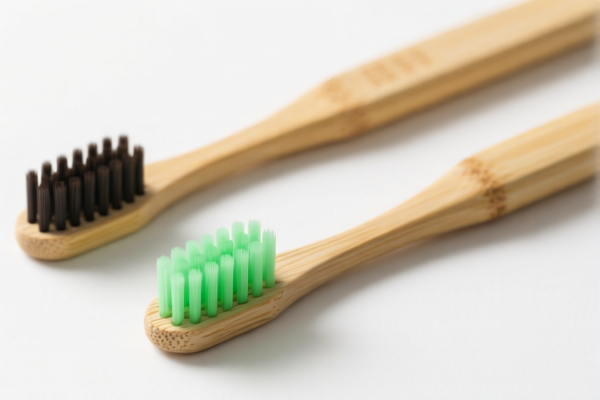
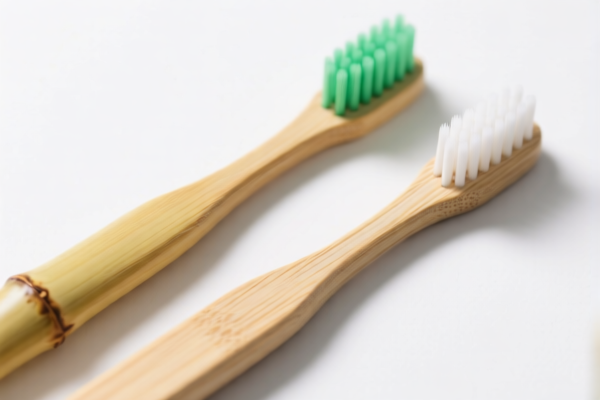
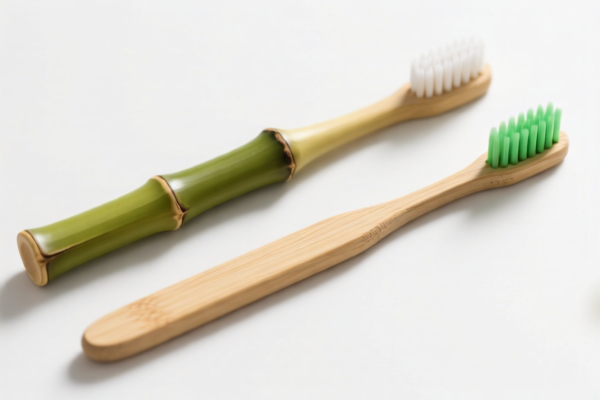
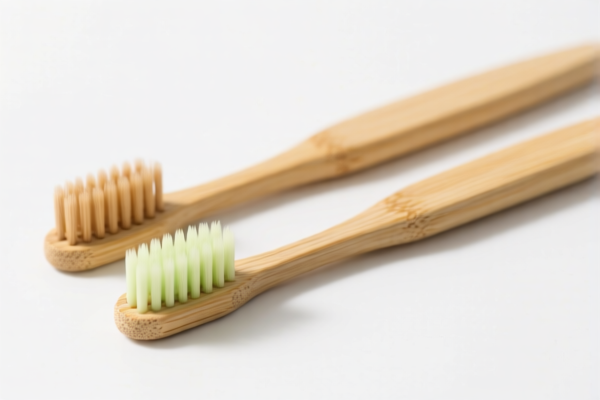
AI Analysis
🎋 Bamboo Dishwashing Brush (Bamboo Kitchen Cleaning Tool)
🌐 HS Code Reference & Customs Clearance Guide | 2026 Latest Tariff Analysis | Strategic Customs Strategy 📌 I. Product Definition & Classification: Do You Really Understand the "Bamboo Dishwashing Brush"?
A Bamboo Dishwashing Brush is a common household cleaning tool primarily used for scrubbing pots, pans, and plates. In international trade, its classification depends heavily on its primary function, structure, and material composition. It generally falls into two broad categories: 1. Broom/Bristle Brush Category (Chapter 96): If the primary function is identified as a "brush" (specifically for cleaning), it is often classified under Heading 96.03. 2. Wooden Kitchenware Category (Chapter 44): If it is considered a "table or kitchen article" (like a spatula or scraper) made of wood, it may fall under Heading 44.19.
⚠️ Key Distinction Point: - If the item is explicitly marketed and structurally defined as a "Brush" (bristles/straw on a handle) → Likely Chapter 96. - If the item is a solid piece or a simple scraper/scrubber without distinct "bristles" → Likely Chapter 44 (Wooden Household Articles). - Misclassification Risk: Declaring a brush as a generic "wooden utensil" (44.19) to avoid higher tariffs on Chapter 96 items is a common audit trigger.
📦 二、HS Code Classification Details (Based on Provided Data)
| HS Code | Product Description | Application Scenario | Key Differentiator |
|---|---|---|---|
9603.10.15.00 |
Bamboo dishwashing brush, form is a brush, material is bamboo. | Standard bristle/straw brush for dishes. | Classified as a Broom/Bristle Brush. |
9603.90.80.50 |
Bamboo dishwashing brush, belongs to "Other Brushes". | Brush type, but doesn't fit specific sub-headings for brooms/brushes. | Classified as "Other" Brush. High Tariff Risk. |
4419.19.90.00 |
Bamboo plate cleaning brush, material bamboo, use is cleaning brush. | Considered a Kitchen Article (like a wooden scraper). | Classified as Table/Kitchen Woodware. Lower Tariff Risk. |
4419.90.91.00 |
Bamboo plate cleaning brush, material bamboo, use is cleaning brush. | Classified as other Wooden Household/Kitchenware. | Classified as General Wooden Article. Medium Tariff Risk. |
🔍 Critical Note on Chapter 96 vs. Chapter 44: - Chapter 96 (9603) is for "Brooms, brushes...". If your product has bristles, straw, or wire attached to a handle, Customs often prefers Chapter 96. - Chapter 44 (4419) is for "Articles of wood... for table or kitchen use". If the product is a solid bamboo block with abrasive material glued on, or a simple bamboo scraper, Chapter 44 is more appropriate. - ⚠️ Warning: Some codes under Chapter 96 (
9603.90.80.50) carry extremely high tariffs (70.3%). You must justify why it is not a standard brush or why it fits the "Other" category carefully.
💰 三、2026 Latest Tariff Rate Breakdown (Including Additional Duties)
✅ Applicable Country: USA (US) ✅ Origin: China (CN) ✅ Effective Time: 2025-2026 Tariff Schedule
🎯 1. 9603.10.15.00 —— Bamboo Broom/Brush (Specific Subcategory)
| Item | Content |
|---|---|
| Base Duty | 5¢ each (Specific Duty) |
| Additional Duty | 7.5% (Section 301/Retaliatory) |
| Section 122 Duty | 10% (China-specific tariff) |
| Total Effective Rate | Mixed: 5¢/unit + 17.5% Ad Valorem |
| Tax Logic | Base specific duty + (CIF Value × 17.5%) |
| De Minimis Eligibility | ❌ No (Section 301/122 duties generally block de minimis exemption for these categories) |
| Legal Basis | Section 122: 10% + Section 301: 7.5% + General Rate: 5¢/ea |
📌 Explanation: - This code is favorable if the unit price is low, as the specific duty (5¢) is small. - However, the 17.5% ad valorem (7.5% + 10%) is significant. - Caution: Ensure the product clearly fits "Brooms/Brushes" (9603.10) and not "Other Brushes" (9603.90).
🎯 2. 9603.90.80.50 —— Other Brushes (High Risk)
| Item | Content |
|---|---|
| Base Duty | 2.8% |
| Additional Duty | 7.5% (Section 301) |
| Section 122 Duty | 10% |
| Special Metal Duty | +50% (If containing Steel, Aluminum, or Copper parts) |
| Total Effective Rate | 70.3% (Standard) or >120% (If metal parts involved) |
| Tax Logic | CIF Value × 70.3% |
| De Minimis Eligibility | ❌ No |
| Legal Basis | IEEPA:9903.01.24 → USITC:9603.90.80.50 |
📌 Warning: - This is the most expensive classification in the data. - The 70.3% rate comes from 2.8% (Base) + 7.5% (Section 301) + 10% (Section 122) + 50% (Specific Metal Penalty). - Did your brush have a metal spring or wire core? If yes, this penalty applies. Even if bamboo, customs may scrutinize "Other Brushes" to apply this high rate. - Recommendation: Avoid this code unless absolutely necessary.
🎯 3. 4419.19.90.00 —— Bamboo Table/Kitchenware (Best Tariff Option)
| Item | Content |
|---|---|
| Base Duty | 3.2% |
| Additional Duty | 0.0% (No Section 301 applied in this specific data set) |
| Section 122 Duty | 10% |
| Total Effective Rate | 13.2% |
| Tax Logic | CIF Value × 13.2% |
| De Minimis Eligibility | ⚠️ Check: Often Section 122 blocks de minimis. Verify current CBP rulings. |
| Legal Basis | Section 122: 10% + General Rate: 3.2% |
📌 Explanation: - This is the lowest tariff among the options provided (13.2%). - It classifies the item as a "Table or Kitchen Article of Wood". - Strategy: If the brush is simple (e.g., a bamboo handle with a sponge or abrasive pad, no distinct bristles), argue for this classification to save ~60% in duties compared to
9603.90.80.50.
🎯 4. 4419.90.91.00 —— Other Wooden Household Articles
| Item | Content |
|---|---|
| Base Duty | 3.2% |
| Additional Duty | 7.5% (Section 301) |
| Section 122 Duty | 10% |
| Total Effective Rate | 20.7% |
| Tax Logic | CIF Value × 20.7% |
| De Minimis Eligibility | ❌ No |
| Legal Basis | IEEPA:9903.01.24 → USITC:4419.90.91.00 |
📌 Explanation: - A middle-ground option. Higher than
4419.19.90.00due to the addition of 7.5% Section 301 tariff. - Used for wooden articles not specifically listed as "tableware" (e.g., decorative or general household tools).
🛠️ 四、Customs Clearance Practical Advice (Real-World Pitfall Guide)
✅ 1. Documentation Checklist (Essential)
| Document | Required | Explanation |
|---|---|---|
| ✅ Product Photos | ✔️ | Clear shots of the brush head, handle, and any bristles/abrasive material. |
| ✅ Material Breakdown | ✔️ | Specify % of bamboo vs. sponge vs. metal (if any). |
| ✅ Usage Description | ✔️ | "Dishwashing brush for kitchen use." |
| ✅ Commercial Invoice | ✔️ | Clearly state "Bamboo Kitchen Cleaning Brush" or "Bamboo Table Article." |
| ✅ Origin Certificate | ✔️ | Proof of China origin for Section 122 assessment. |
✅ 2. Classification Strategy (Key Mantra)
🔥 "Structure Defines Code! Bristles = 96, Solid Wood = 44. Avoid 9603.90!"
| Scenario | Recommended HS Code | Reason |
|---|---|---|
| Standard Brush (Bamboo handle + Nylon/Bristle head) | 9603.10.15.00 |
Fits "Brush" definition. Rate: 17.5% + 5¢. |
| Sponge/Scrubber Attached (No bristles) | 4419.19.90.00 |
Fits "Kitchen Article" definition. Rate: 13.2%. Best Value. |
| Metal Core/Spring Present | 9603.90.80.50 (Risk!) |
Triggers 50% metal penalty. Avoid if possible. |
| Generic Wooden Scraper | 4419.90.91.00 |
If not a brush or tableware. Rate: 20.7%. |
✅ 3. Special Considerations
- Section 122 (10%): Almost all China-origin consumer goods currently face this additional 10% tariff. Ensure your HTSUS selection includes Section 122 provisions if applicable.
- De Minimis (Section 321): For shipments under $800, check if the HS Code is exempt from Section 301/122 duties. Historically, Chapter 96 brushes are NOT exempt. Wooden articles (Chapter 44) may have different rulings, but always verify with a broker.
- Avoid
9603.90.80.50: This code is a "trap" with a 70.3% rate. Only use it if the product is uniquely a "brush" but doesn't fit 9603.10, and you have no other option.
🌍 五、Global Market Comparison (2026 Update)
| Country/Region | Recommended HS Code | Tariff Estimate | Notes |
|---|---|---|---|
| 🇺🇸 USA | 4419.19.90.00 |
13.2% | Best rate for bamboo kitchen items. |
| 🇺🇸 USA | 9603.10.15.00 |
17.5% + 5¢ | Good for standard bristle brushes. |
| 🇪🇺 EU | 9603.30.80 |
~3% + 0% | No Section 122/301 equivalents. |
| 🇨🇳 China | 9603.30.90 |
5% - 10% | Import duty varies by specific brush type. |
📌 Conclusion: - USA is the most complex market due to Section 301 and Section 122 tariffs. - Strategy: Aim for
4419.19.90.00(13.2%) if the product can be reasonably described as a "wooden kitchen article" (e.g., scrub brush with sponge). - Avoid:9603.90.80.50(70.3%) unless it's a specialized industrial brush.
📌 六、Common Errors & Pitfalls (Lessons Learned)
❌ Error 1: Classifying a bristle brush as "Wooden Utensil" (4419) to get lower tax.
👉 Consequence: Customs will reclassify to Chapter 96, assess back-taxes + penalties.
❌ Error 2: Ignoring the "Metal Penalty" in 9603.90.80.50.
👉 Consequence: Unexpected 70.3% duty if metal springs are found in the brush head.
❌ Error 3: Assuming De Minimis ($800) applies. 👉 Consequence: Shipment held at border, duties assessed, and buyer charged unexpected fees.
✅ Correct Approach:
"Bamboo Handle Dish Brush with Replaceable Sponge Head" →
4419.19.90.00(13.2%) "Bamboo Broom with Nylon Bristles" →9603.10.15.00(17.5% + 5¢)
🎯 七、Conclusion: Precise Classification Saves Money!
🎯 Remember the Golden Rule:
🔹 "No Bristles = Kitchen Wood (4419) 🟢" 🔹 "Bristles = Brush (9603) 🟡" 🔹 "Metal Parts + Brush = 70% Tax Trap 🔴"
📌 Pro Tip:
If you are importing large volumes, apply for a Binding Ruling (CBP Ruling) from US Customs to confirm whether your specific bamboo brush design qualifies for 4419.19.90.00. This provides legal certainty and protects against audits.
✨ Professional Clearance Starts with Accurate Classification! 💼 Every Percent of Duty Saved is Pure Profit!
Customer Reviews
About HS Code Classification
The Harmonized System (HS) is an internationally standardized nomenclature developed by the World Customs Organization (WCO) to classify traded products. Over 200 countries use the HS system as the basis for customs tariffs, trade statistics, and import/export regulations.
Each HS code follows a hierarchical structure:
- Chapter (2 digits) — Broad category of goods (e.g., Chapter 84: Machinery and Mechanical Appliances)
- Heading (4 digits) — More specific grouping within the chapter
- Subheading (6 digits) — Internationally standardized breakdown, used by all WCO member countries
- National subdivisions (8-10 digits) — Country-specific extensions for further classification, such as US HTSUS 10-digit codes
Correct HS code classification is essential for smooth customs clearance, accurate duty payment, and compliance with trade regulations. Misclassification can lead to customs delays, overpayment of duties, or penalties.
When importing from CN to US, the applicable tariff rates may include:
- Most-Favored-Nation (MFN) rate — The standard duty rate applied to WTO members
- General rate — Applied to countries without trade agreements
- Trade remedy duties — Additional tariffs such as Section 301 (anti-dumping), Section 232 (national security), or countervailing duties
The information provided on this page is for reference purposes only. For official classification, please consult with your local customs authority or a licensed customs broker.