Bamboo Eco friendly Serving Tray
CN → US| HS Code | Tariff Rate | Origin | Destination | Doc |
|---|---|---|---|---|
| 4419110000 | 13.2% | CN | US | Official Doc |
| 4419199000 | 13.2% | CN | US | Official Doc |
| 9403820030 | 35.0% | CN | US | Official Doc |
| 9403820015 | 35.0% | CN | US | Official Doc |
| 4602110900 | 45.0% | CN | US | Official Doc |
Product Images
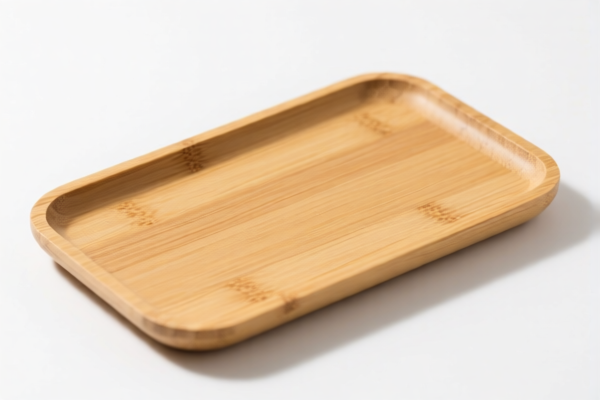
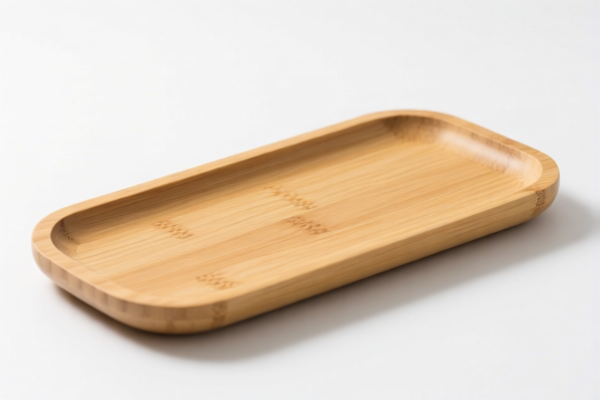
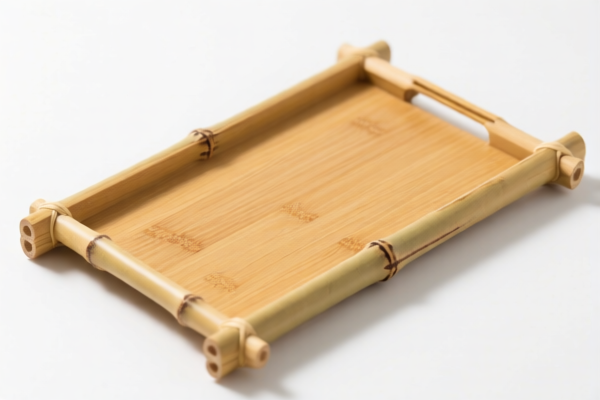
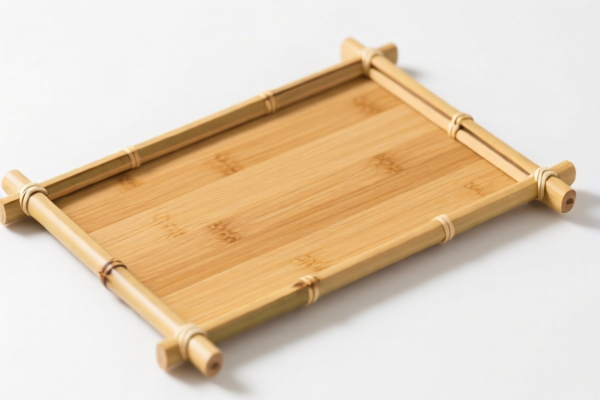
AI Analysis
🎋 Bamboo Eco-friendly Serving Tray
🌐 HS Code Reference & Customs Clearance Guide | 2026 Latest Tariff Analysis | Professional-Level Strategy
📌 I. Product Definition & Classification: Do You Truly Understand "Bamboo Serving Trays"?
Bamboo eco-friendly serving trays are essential items in the global hospitality, retail, and home decor industries. In international trade, they are strictly categorized based on their function (kitchen/dining vs. furniture) and construction (woven vs. solid/processed). Misclassification can lead to severe tariff penalties due to Section 301 and Section 122 duties.
Key Distinctions: 1. Tableware/Kitchen Use: Trays designed for holding food, drinks, or kitchen utensils → Chapter 44. 2. Furniture: Trays intended as part of a larger furniture piece or primarily for structural support in a living space → Chapter 94. 3. Woven/Basketry: Trays made from split bamboo strips woven together → Chapter 46.
⚠️ Critical Classification Point:
- If the tray is for food service (holding plates, cutlery), it falls under 4419.
- If the tray is part of furniture (e.g., a tray table, or a decorative shelf unit), it falls under 9403.
- If the tray is woven (like a basket), it falls under 4602.
📦 II. HS Code Classification Details (2026 Latest Tariff Authority Reference)
| HS Code | Product Description | Applicable Scenario | Tax Detail Breakdown | Total Tax |
|---|---|---|---|---|
4419.11.00.00 |
Bamboo Tableware & Kitchen Utensils, similar to plates | Flat serving trays, rectangular wooden/bamboo trays for food | Base: 3.2% Section 301: 0% Section 122: 10% |
13.2% |
4419.19.90.00 |
Other Bamboo Tableware & Kitchen Utensils | Shaped trays, oval serving dishes, non-standard kitchen bamboo goods | Base: 3.2% Section 301: 0% Section 122: 10% |
13.2% |
9403.82.00.30 |
Other Bamboo Furniture & Parts | Trays classified as furniture parts, or decorative bamboo shelving units | Base: 0.0% Section 301: 25% Section 122: 10% |
35.0% |
9403.82.00.15 |
Other Bamboo Household Furniture & Parts | Bamboo tray tables, folding tray tables, furniture components | Base: 0.0% Section 301: 25% Section 122: 10% |
35.0% |
4602.11.09.00 |
Bamboo Baskets & Woven Containers | Trays made from woven bamboo strips, basket-style trays | Base: 10.0% Section 301: 25% Section 122: 10% |
45.0% |
🔍 Key Reminder:
- "Tableware" (4419) is the most common and favorable category for standard serving trays used in dining.
- "Furniture" (9403) applies if the item is structurally part of a chair, table, or shelf.
- "Woven" (4602) has the highest tariff rate (45%) due to high Section 301 + 122 duties on base rate.
💰 III. 2026 Latest Tariff Rate Detailed Explanation (Including Add-ons, Policy Add-ons)
✅ Applicable Country: United States (US)
✅ Country of Origin: China (CN)
✅ Effective Date: Ongoing (Current US Trade Policy)
🎯 1. 4419.11.00.00 / 4419.19.90.00 —— Bamboo Tableware & Kitchen Utensils
| Item | Content |
|---|---|
| Base Tariff | 3.2% (Ad Valorem) |
| Section 301 Surcharge | 0% (Note: Some bamboo items may be exempt or lower rate depending on specific HTS nuance, but based on data: 0.0%) |
| Section 122 Surcharge | 10% (Under IEEPA/Section 122 for specific Chinese imports) |
| Total Tariff | 13.2% |
| Tax Calculation | CIF Value × 13.2% |
| De Minimis Eligibility | ❌ No (Section 122 duties typically do not apply to de minimis, but standard commercial imports must pay) |
| Legal Basis | HTSUS:4419 → USITC:4419.11.00.00/4419.19.90.00 → IEEPA:Section 122 |
📌 Explanation:
- This is the most favorable rate for standard bamboo serving trays.
- Section 301 (25%) is NOT applied here (0.0% surcharge).
- Section 122 (10%) IS applied.
- Total 13.2% is significantly lower than furniture or woven categories.
🎯 2. 9403.82.00.30 / 9403.82.00.15 —— Bamboo Furniture & Parts
| Item | Content |
|---|---|
| Base Tariff | 0.0% |
| Section 301 Surcharge | +25% (Standard 301 rate for furniture) |
| Section 122 Surcharge | +10% |
| Total Tariff | 35.0% |
| Tax Calculation | CIF Value × 35.0% |
| De Minimis Eligibility | ❌ No |
| Legal Basis | HTSUS:9403 → USITC:9403.82.00.30/9403.82.00.15 → USITC:Section 301 → IEEPA:Section 122 |
📌 Warning:
- If your "serving tray" is considered part of furniture (e.g., a tray table), the tariff jumps to 35%.
- Section 301 (25%) applies here, which is the highest surcharge.
🎯 3. 4602.11.09.00 —— Bamboo Baskets & Woven Containers
| Item | Content |
|---|---|
| Base Tariff | 10.0% |
| Section 301 Surcharge | +25% |
| Section 122 Surcharge | +10% |
| Total Tariff | 45.0% |
| Tax Calculation | CIF Value × 45.0% |
| De Minimis Eligibility | ❌ No |
| Legal Basis | HTSUS:4602 → USITC:4602.11.09.00 → USITC:Section 301 → IEEPA:Section 122 |
📌 Critical:
- Woven bamboo trays are classified here.
- This category has the highest total tariff (45%) due to high base rate + 301 + 122.
- Avoid this classification if possible unless the item is distinctly a woven basket.
🛠️ IV. Customs Clearance Practical Advice (Battle-Tested Pitfall Guide)
✅ 1. Documentation Checklist (Non-Negotiable)
| Document | Mandatory? | Description |
|---|---|---|
| ✅ Product Description | ✔️ | Must clearly state "Bamboo Serving Tray, Tableware, Kitchen Use" |
| ✅ Material Composition | ✔️ | Confirm 100% Bamboo or Bamboo Composite; no metal parts |
| ✅ Product Photos | ✔️ | Show tray holding food/utensils to prove "Tableware" use |
| ✅ Commercial Invoice | ✔️ | Harmonized Tariff Schedule (HTS) code must be correct |
| ✅ Packing List | ✔️ | Include dimensions, weight, and quantity |
| ✅ Fumigation Certificate | ✔️ | Required for wood/bamboo products to prevent pests |
✅ 2. Declaration Tips (Key Mantras)
🔥 “Function Determines Code, Tableware Wins, Furniture Pays More, Woven Costs Most!”
| Scenario | Correct Declaration | Incorrect Approach |
|---|---|---|
| Flat/Straight Serving Tray | 4419.11.00.00 |
Misdeclare as "Furniture" → 35% |
| Oval/Shaped Serving Tray | 4419.19.90.00 |
Misdeclare as "Woven" → 45% |
| Woven Bamboo Tray | 4602.11.09.00 |
Misdeclare as "Tableware" → Risk of penalty |
| Tray Table (with legs) | 9403.82.00.15 |
Misdeclare as "Tableware" → Risk of penalty |
✅ 3. Special Cases Handling
| Situation | Handling Advice |
|---|---|
| Bamboo Tray with Metal Handles | If metal handles are minor, still likely 4419. If major, may trigger mixed material rules. |
| Laminated Bamboo Trays | Still 4419 if used as tableware. Ensure no plastic coating that changes classification. |
| Gift Sets (Tray + Utensils) | Deemed "Set" → Classify by essential character. If tray is essential, use 4419. |
| Eco-Friendly Certification | Provide FSC or SFI certificates to support "Bamboo" origin and sustainability claims, but does not change tariff. |
🌍 V. Global Market Comparison (2026 Latest)
| Country/Region | Recommended HS Code | Tariff (China Origin) | Certification | Notes |
|---|---|---|---|---|
| 🇺🇸 USA | 4419.11.00.00 |
13.2% | No special cert | 35-45% for furniture/woven |
| 🇨🇳 China | 4419.11.00.00 |
10.0% | No special cert | Import duty only |
| 🇪🇺 EU | 4419.11.00.00 |
4.0% | FSC/Ecolabel | No 301/122 duties |
| 🇬🇧 UK | 4419.11.00.00 |
4.0% | FSC/Ecolabel | Post-Brexit rules apply |
| 🇨🇦 Canada | 4419.11.00.00 |
0% | No special cert | CUSMA favorable |
📌 Conclusion:
- USA is the most complex due to Section 122 and potential Section 301.
- EU/Canada/UK offer significantly lower tariffs (0-4%) for bamboo tableware.
- Cost Savings: Consider sourcing from Vietnam or Cambodia for US market to avoid Section 301/122, if eligible.
📌 VI. Common Errors & Pitfall Guide (Lessons Learned)
❌ Error 1: Classifying a woven tray as tableware (4419)
👉 Consequence: Underpayment of duty → Penalty + Back Taxes. Woven items have higher base rates.
❌ Error 2: Classifying a solid bamboo tray as furniture (9403)
👉 Consequence: Overpayment of duty → Lost Profit. Tableware (13.2%) is cheaper than Furniture (35%).
❌ Error 3: Not declaring Section 122 applicability
👉 Consequence: Customs hold → Delay in Clearance. Section 122 applies to most Chinese bamboo goods.
❌ Error 4: Using vague description "Bamboo Item"
👉 Consequence: Customs examination → Risk of Misclassification.
✅ Correct Practice:
“Bamboo Rectangular Serving Tray, Kitchen Tableware, Non-Woven, FSC Certified, Model XYZ”
🎯 VII. Conclusion: Smart Classification, Lower Costs, Faster Clearance!
🎯 Remember the Mantra:
🔹 “Tableware is Cheapest (13.2%), Furniture is Mid (35%), Woven is Most Expensive (45%)!”
🔹 “Function Dictates Code: Dining Use → 4419, Not 9403 or 4602!”
📌 Pro Tip:
If your bamboo trays are sourced from Vietnam, Thailand, or Indonesia, you may qualify for preferential tariffs or exemptions from Section 301/122.
- Recommendation: Apply for Advance Ruling from US CBP if uncertain about classification.
- Strategy: Ensure product photos clearly show food/dining context to support 4419 classification.
📣 Immediate Action:
📞 Consult with a licensed customs broker + Provide product images + Submit for HTS Pre-Ruling
🚀 Your bamboo serving trays, clear customs smoothly, reduce costs, maximize profits!
✨ Professional Clearance Starts with Accurate Classification!
💼 Every cent of tariff cost deserves precise calculation!
Customer Reviews
About HS Code Classification
The Harmonized System (HS) is an internationally standardized nomenclature developed by the World Customs Organization (WCO) to classify traded products. Over 200 countries use the HS system as the basis for customs tariffs, trade statistics, and import/export regulations.
Each HS code follows a hierarchical structure:
- Chapter (2 digits) — Broad category of goods (e.g., Chapter 84: Machinery and Mechanical Appliances)
- Heading (4 digits) — More specific grouping within the chapter
- Subheading (6 digits) — Internationally standardized breakdown, used by all WCO member countries
- National subdivisions (8-10 digits) — Country-specific extensions for further classification, such as US HTSUS 10-digit codes
Correct HS code classification is essential for smooth customs clearance, accurate duty payment, and compliance with trade regulations. Misclassification can lead to customs delays, overpayment of duties, or penalties.
When importing from CN to US, the applicable tariff rates may include:
- Most-Favored-Nation (MFN) rate — The standard duty rate applied to WTO members
- General rate — Applied to countries without trade agreements
- Trade remedy duties — Additional tariffs such as Section 301 (anti-dumping), Section 232 (national security), or countervailing duties
The information provided on this page is for reference purposes only. For official classification, please consult with your local customs authority or a licensed customs broker.