Bamboo Floor Mats
CN → US| HS Code | Tariff Rate | Origin | Destination | Doc |
|---|---|---|---|---|
| 4421999880 | 38.3% | CN | US | Official Doc |
| 5705002090 | 38.3% | CN | US | Official Doc |
| 4602110700 | 35.0% | CN | US | Official Doc |
| 4421919880 | 38.3% | CN | US | Official Doc |
| 4602114500 | 41.6% | CN | US | Official Doc |
Product Images
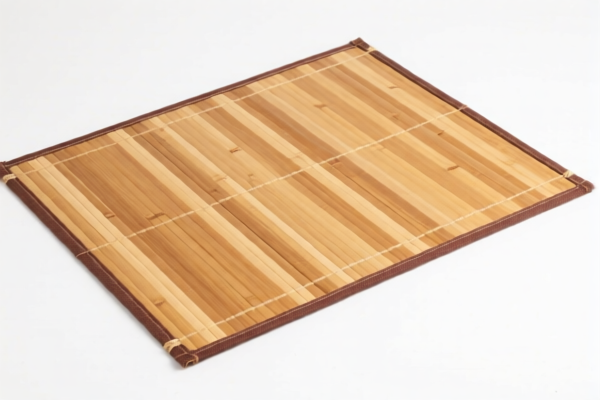
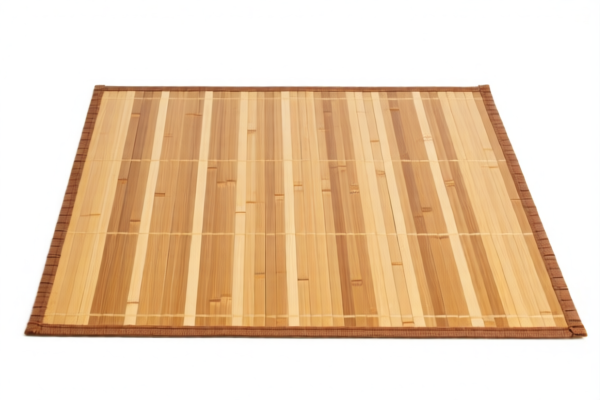
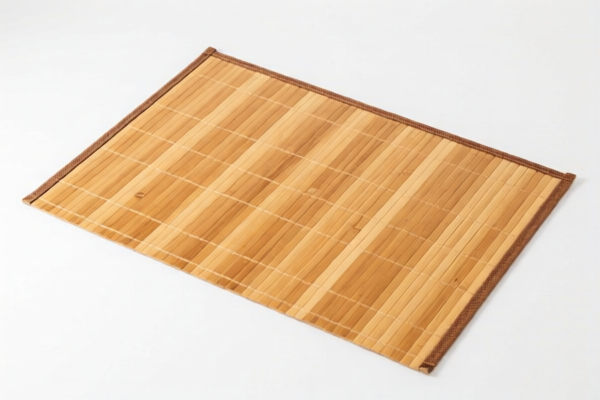
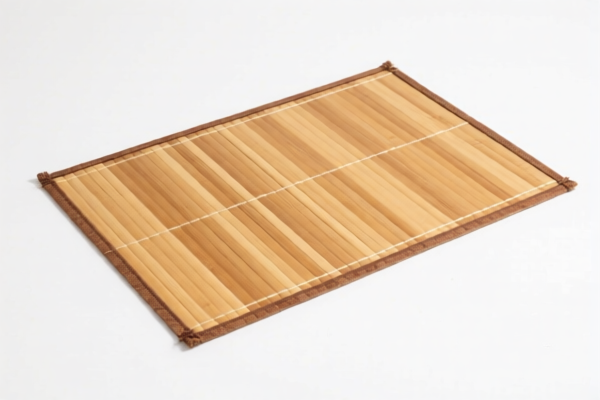
AI Analysis
🎋 Bamboo Floor Mats: HS Code Classification & 2026 Customs Clearance Guide
🌐 HS Code Reference & Customs Strategy | 2026 Latest Tariff Analysis | Professional Clearance Protocol
📌 I. Product Definition & Classification: What Exactly Are "Bamboo Floor Mats"?
Bamboo floor mats are versatile flooring accessories made from processed bamboo fibers or strips. In international trade, their classification hinges on two key factors: Material Composition (Wood vs. Fiber/Textile) and Physical Structure (Woven vs. Solid).
1. Bamboo as Wood (Chapter 44):
If the mats are made from solid bamboo strips, laminated bamboo, or rigid bamboo sheets, they fall under "Articles of Wood." Bamboo is legally treated as wood in most HS nomenclatures.
2. Bamboo as Fiber (Chapter 46 or 57):
If the mats are made from woven bamboo strips (flexible, basketry-like) or shredded bamboo fiber pressed into a textile-like mat, they may fall under "Articles of Vegetable Plaiting Materials" (Ch. 46) or "Floor Coverings" (Ch. 57).
⚠️ Critical Distinction Point:
- Rigid/Solid Bamboo (Laminate-style) → Chapter 44 (Wood Products)
- Flexible/Woven Bamboo (Mat-style) → Chapter 46 (Basketry) or Chapter 57 (Floor Coverings)
📦 II. HS Code Classification Details (2026 Latest Tariff Reference)
Based on the provided data for "Bamboo Floor Mats," here are the five potential classifications with their specific tax breakdowns.
| HS Code | Product Description | Application Scenario | Tax Rate (Total) |
|---|---|---|---|
4421.99.98.80 |
Other wooden articles (Bamboo treated as Wood); General "Other" category. | Solid bamboo tiles, rigid flooring, or unspecified wooden bamboo items. | 38.3% |
5705.00.20.90 |
Other floor coverings of textile materials. | Inferred classification based on bamboo fiber texture acting like a textile rug. | 38.3% |
4602.11.07.00 |
Articles of basketry or plaiting materials. | Woven bamboo mats, flexible mats, basketry-style floor coverings. | 35.0% |
4421.91.98.80 |
Other wooden articles (Specifically "Other" items in Ch. 44). | Woven bamboo floor mats categorized under wood products due to material origin. | 38.3% |
4602.11.45.00 |
Other articles of bamboo or other plaiting materials. | Specific bamboo weaving products, distinct from general basketry. | 41.6% |
🔍 Key Observation:
- The lowest tax rate is 35.0% under4602.11.07.00(Basketry/Plaiting).
- The highest tax rate is 41.6% under4602.11.45.00(Other Bamboo Articles).
- Most other categories sit at 38.3%.
💰 III. 2026 Tariff Rate Breakdown (Detailed Analysis)
✅ Applicable Country: United States (US)
✅ Origin: China (CN)
✅ Effective Date: Post-November 2025 (Current 2026 Regime)
🎯 1. 4421.99.98.80 – Other Wooden Articles (General Catch-All)
| Item | Details |
|---|---|
| Base Duty | 3.3% |
| Section 301 Duty (Add-on) | +25.0% |
| Section 122 Duty (Add-on) | +10.0% |
| Total Effective Rate | 38.3% |
| De Minimis Exemption? | ❌ No (Denied) |
| Legal Basis | USITC Footnotes for Wood Products + IEEPA/301 Appendices |
📌 Explanation:
- Bamboo is classified as "Wood" in Chapter 44.
- Since it is an "article of wood" not specifically enumerated elsewhere, it falls into the "Other" bucket (4421.99).
- Subject to both the standard 301 tariff (25%) and the specific 122 tariff (10%) applicable to Chinese wooden products.
🎯 2. 5705.00.20.90 – Other Floor Coverings (Textile-like Inference)
| Item | Details |
|---|---|
| Base Duty | 3.3% |
| Section 301 Duty (Add-on) | +25.0% |
| Section 122 Duty (Add-on) | +10.0% |
| Total Effective Rate | 38.3% |
| De Minimis Exemption? | ❌ No (Denied) |
| Legal Basis | USITC Footnotes for Textiles/Non-wovens |
📌 Explanation:
- This classification is less common for bamboo but may apply if the mat is made from bamboo fiber (shredded and felted), which is treated similarly to textile floor coverings.
- The tax structure mirrors the wooden articles: 3.3% base + 35% in additional duties.
🎯 3. 4602.11.07.00 – Articles of Basketry or Plaiting Materials ⭐ RECOMMENDED
| Item | Details |
|---|---|
| Base Duty | 0.0% |
| Section 301 Duty (Add-on) | +25.0% |
| Section 122 Duty (Add-on) | +10.0% |
| Total Effective Rate | 35.0% |
| De Minimis Exemption? | ❌ No (Denied) |
| Legal Basis | USITC Footnotes for Vegetable Plaiting Materials |
📌 Explanation:
- This is the most cost-effective classification for woven bamboo mats.
- Because the base duty for basketry/plaiting materials is 0%, the total burden is lower (35% vs. 38.3%).
- Requirement: The product must clearly demonstrate it is a woven/plaited structure, not solid wood blocks.
🎯 4. 4421.91.98.80 – Other Wooden Articles (Woven/Plaited Wood)
| Item | Details |
|---|---|
| Base Duty | 3.3% |
| Section 301 Duty (Add-on) | +25.0% |
| Section 122 Duty (Add-on) | +10.0% |
| Total Effective Rate | 38.3% |
| De Minimis Exemption? | ❌ No (Denied) |
| Legal Basis | USITC Footnotes for Wood Products |
📌 Explanation:
- Even if the bamboo is woven, if Customs classifies it strictly as a "Wood Article" (Chapter 44) rather than "Basketry" (Chapter 46), the base duty rises to 3.3%.
- This creates a 3.3% tax inefficiency compared to the basketry classification.
🎯 5. 4602.11.45.00 – Other Articles of Bamboo (Specific Subheading)
| Item | Details |
|---|---|
| Base Duty | 6.6% |
| Section 301 Duty (Add-on) | +25.0% |
| Section 122 Duty (Add-on) | +10.0% |
| Total Effective Rate | 41.6% |
| De Minimis Exemption? | ❌ No (Denied) |
| Legal Basis | USITC Footnotes for Specific Bamboo Articles |
📌 Explanation:
- This is the least favorable option.
- It applies to bamboo articles that are neither standard basketry nor general wooden items, but still fall under Chapter 46.
- The higher base duty (6.6%) drives the total to over 41%. Avoid this unless no other classification fits.
🛠️ IV. Customs Clearance Practical Advice (Pitfall Avoidance Guide)
✅ 1. Documentation Checklist (Mandatory)
| Document | Required | Purpose |
|---|---|---|
| ✅ Product Specification Sheet | ✔️ | Must clearly state: "Woven Bamboo" vs. "Solid Bamboo Laminates." |
| ✅ Product Photos | ✔️ | High-res images showing the weave pattern if claiming HS 4602.11.07.00. |
| ✅ Commercial Invoice | ✔️ | Description: "Bamboo Floor Mat, Woven, 100% Natural Bamboo." |
| ✅ Packing List | ✔️ | Weight and dimensions to verify volume vs. weight ratios. |
| ✅ Certificate of Origin (CO) | ✔️ | Proves Chinese origin (subject to tariffs). |
| ✅ Third-Party Report | ✔️ | Optional: Lab test confirming bamboo fiber content (if claiming Chapter 57). |
✅ 2. Declaration Strategy (Key Mantras)
🔥 "Weave it right, save 3.3%; Solid it is, pay more!"
| Scenario | Correct HS Code | Tax Rate | Reason |
|---|---|---|---|
| Flexible, Woven Mat | 4602.11.07.00 |
35.0% ✅ | Base duty 0%. Best for basketry-style mats. |
| Solid/Rigid Bamboo Tile | 4421.99.98.80 |
38.3% | Treated as wood article. Base duty 3.3%. |
| Bamboo Fiber Felt/Rug | 5705.00.20.90 |
38.3% | Treated as textile floor covering. |
| Vague "Bamboo Product" | 4602.11.45.00 |
41.6% ❌ | Avoid. High base duty. Poor description. |
✅ 3. Special Circumstances & Handling
| Situation | Handling Advice |
|---|---|
| Mixed Materials | If the mat has a non-bamboo backing (e.g., rubber), declare as "Bamboo Mat with Rubber Backing." May still fall under Chapter 46/44, but ensure the bamboo is the essential character. |
| Bamboo-Textile Blend | If mixed with polyester/jute, the textile content might push it to Chapter 57. Requires careful fiber analysis. |
| OEM/Private Label | Provide a letter of authorization if branding is used, to prevent valuation disputes. |
| Gift Sample | Note: De Minimis exemption (Section 321) is denied for these HS codes. Even samples under $800 will incur duties if they fall under these specific Chinese-origin categories. |
🌍 V. Global Market Comparison (2026 Latest)
| Country/Region | Recommended HS Code | Total Tax Rate (China Origin) | Key Certification | Notes |
|---|---|---|---|---|
| 🇺🇸 USA | 4602.11.07.00 |
35.0% | None usually required | Most competitive rate for woven mats. |
| 🇺🇸 USA | 4421.99.98.80 |
38.3% | None usually required | Higher rate if misclassified as solid wood. |
| 🇪🇺 EU | 4602.11 |
~4.0% + VAT | None | No 301/122 tariffs. Much cheaper. |
| 🇨🇳 China | 4602.11 |
0-5% (Export Rebate) | N/A | Export rebate may offset costs. |
📌 Conclusion for USA Importers:
- Aggressively pursue4602.11.07.00if your product is woven.
- The 3.3% difference (35% vs. 38.3%) is significant on high-value shipments.
- Ensure your product packaging and photos clearly show the weave to justify this classification.
📌 VI. Common Mistakes & Pitfalls (Lessons Learned)
❌ Mistake 1: Declaring a woven mat as "Wooden Articles" (4421)
👉 Consequence: Paying 3.3% extra base duty unnecessarily.
👉 Fix: Use 4602.11.07.00 for woven goods.
❌ Mistake 2: Using vague descriptions like "Bamboo Product"
👉 Consequence: Customs may assign 4602.11.45.00 (41.6%) as the default "other" basketry item.
👉 Fix: Be specific: "Woven Bamboo Floor Mat."
❌ Mistake 3: Assuming De Minimis Applies
👉 Consequence: Surprise duty bills for small shipments.
👉 Fix: All these codes are non-eligible for de minimis exemption for Chinese goods.
🎯 VII. Conclusion: Smart Classification Saves Money
🎯 Remember the Mantra:
🔹 "Woven is Basketry (0% Base), Solid is Wood (3.3% Base). Avoid 'Other Bamboo' (6.6% Base)."
🔹 "Total Tax: 35% vs 38.3% vs 41.6%. Choose Wisely!"
📌 Pro Tip:
If your bamboo mats are rigid/laminate, you cannot use the basketry code. Stick to 4421.99.98.80 (38.3%).
If they are flexible/woven, fight for 4602.11.07.00 (35.0%).
📣 Immediate Action:
📞 Consult a Customs Broker before shipping.
📸 Provide Clear Photos of the weave.
📝 Specify "Woven" in the commercial invoice.
✨ Professional Clearance Starts with Accurate Classification!
💼 Every Percentage Point Counts in Global Trade!
Customer Reviews
About HS Code Classification
The Harmonized System (HS) is an internationally standardized nomenclature developed by the World Customs Organization (WCO) to classify traded products. Over 200 countries use the HS system as the basis for customs tariffs, trade statistics, and import/export regulations.
Each HS code follows a hierarchical structure:
- Chapter (2 digits) — Broad category of goods (e.g., Chapter 84: Machinery and Mechanical Appliances)
- Heading (4 digits) — More specific grouping within the chapter
- Subheading (6 digits) — Internationally standardized breakdown, used by all WCO member countries
- National subdivisions (8-10 digits) — Country-specific extensions for further classification, such as US HTSUS 10-digit codes
Correct HS code classification is essential for smooth customs clearance, accurate duty payment, and compliance with trade regulations. Misclassification can lead to customs delays, overpayment of duties, or penalties.
When importing from CN to US, the applicable tariff rates may include:
- Most-Favored-Nation (MFN) rate — The standard duty rate applied to WTO members
- General rate — Applied to countries without trade agreements
- Trade remedy duties — Additional tariffs such as Section 301 (anti-dumping), Section 232 (national security), or countervailing duties
The information provided on this page is for reference purposes only. For official classification, please consult with your local customs authority or a licensed customs broker.