Bamboo Food Grade Serving Plate
CN → US| HS Code | Tariff Rate | Origin | Destination | Doc |
|---|---|---|---|---|
| 4419110000 | 13.2% | CN | US | Official Doc |
| 4419199000 | 13.2% | CN | US | Official Doc |
| 4602114500 | 41.6% | CN | US | Official Doc |
| 4419901100 | 15.3% | CN | US | Official Doc |
| 4602114500 | 41.6% | CN | US | Official Doc |
Product Images
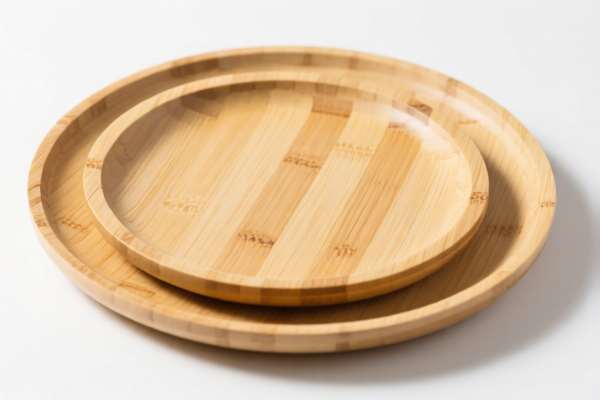
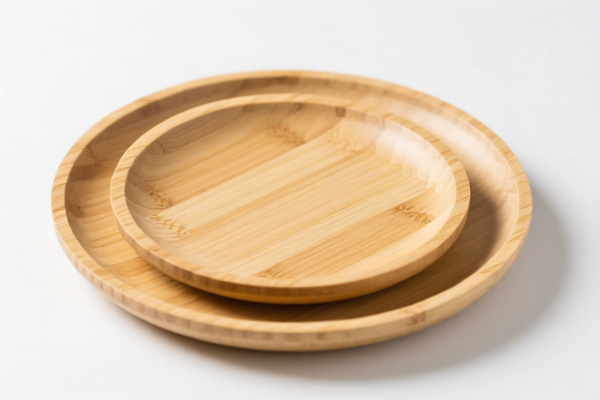
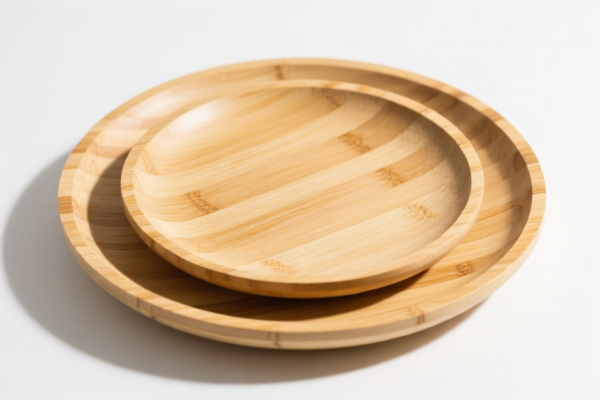
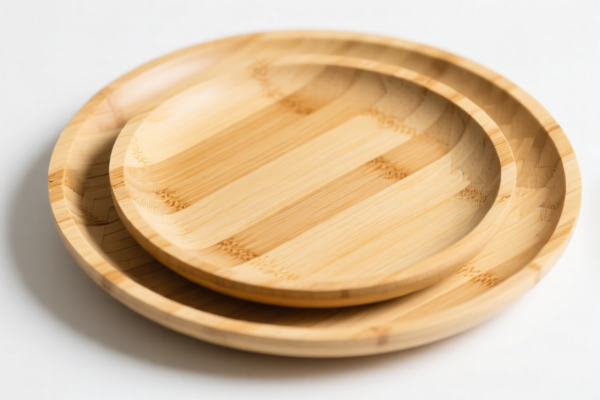
AI Analysis
🎋 Bamboo Food Grade Serving Plate (Bamboo Tableware)
🌐 HS Code Reference & Customs Clearance Guide | 2026 Latest Tariff Analysis | Professional Clearance Strategy
📌 I. Product Definition & Classification: Do You Really Understand "Bamboo Serving Plates"?
Bamboo serving plates are eco-friendly tableware items made from processed bamboo fibers or solid bamboo, designed for food contact. In international trade, their classification depends heavily on processing level, specific use case (general vs. pastry), and structural attributes (woven vs. molded). Misclassification can lead to significant duty disparities (from 13.2% to 41.6%).
⚠️ Key Distinction Points:
- If the plate is a standard bamboo tableware item (molded or turned), it typically falls under Chapter 44 (Wood/Bamboo) with lower duties.
- If the plate is woven or made from plant fibers using weaving techniques, it may fall under Chapter 46 (Vegetable Plaiting Materials), triggering high anti-dumping/safeguard duties.
- Pastry-specific bamboo plates may have different sub-codes compared to general dining plates.
📦 II. HS Code Classification Details (2026 Latest Tariff Authority Comparison)
| HS Code | Product Description | Applicable Scenario | Total Tax Rate | Tax Breakdown (CN Origin → US) |
|---|---|---|---|---|
4419.11.00.00 |
Bamboo plates, specifically defined as "Bamboo Tableware" | Standard round/oval bamboo dinner plates, salad bowls | 13.2% | Base: 3.2%, Section 301 (122): 10% |
4419.19.90.00 |
Other bamboo tableware & kitchenware | Bamboo plates not specifically named in 4419.11, or generic bamboo kitchen items | 13.2% | Base: 3.2%, Section 301 (122): 10% |
4419.90.11.00 |
Bamboo pastry plates (Wooden Tableware Category) | Bamboo plates specifically for pastries/desserts, classified under "Other wooden tableware" | 15.3% | Base: 5.3%, Section 301 (122): 10% |
4419.90.11.00 (Alternative) |
Bamboo pastry plates (Other Tableware) | Same as above, but if classified as "Other bamboo tableware" | 13.2% | Base: 3.2%, Section 301 (122): 10% |
4602.11.45.00 |
Woven bamboo/plant fiber vessels | Bamboo baskets, woven trays, or plates made from braided bamboo strips | 41.6% | Base: 6.6%, Section 301: 25%, 122: 10% |
🔍 Critical Reminder:
- Molded/Solid Bamboo Plates: Always prefer 4419 classification (13.2%–15.3%).
- Woven/Braided Bamboo Items: Fall under 4602 (41.6%) due to the "plaiting" nature. This is a high-risk category for misclassification.
- Pastry Plates: Can be classified under either 4419.90.11.00 with varying base rates depending on specific description precision.
💰 III. 2026 Latest Tariff Rate Details (Including Surcharges & Policy Add-ons)
✅ Applicable Country: United States (US)
✅ Origin: China (CN)
✅ Effective Time: Post-2025 (Current Trade Environment)
🎯 1. 4419.11.00.00 & 4419.19.90.00 – Standard Bamboo Tableware
| Item | Content |
|---|---|
| Base Duty Rate | 3.2% (Ad Valorem) |
| Section 301 / 122 Surcharge | +10% (Specific to Chinese bamboo products under recent trade measures) |
| Total Tax Rate | 13.2% |
| Tax Calculation | CIF Value × 13.2% |
| De Minimis Eligibility | ❌ No (Not eligible for $800 de minimis exemption for commercial shipments) |
| Legal Basis Path | HTSUS:4419 → Section 301: 122 → USITC |
📌 Explanation:
- The 3.2% base rate reflects the standard MFN (Most Favored Nation) duty for bamboo tableware.
- The 10% surcharge is applied due to specific trade clauses targeting bamboo products from China.
- Total 13.2% is considered a moderate-duty item, competitive for export.
🎯 2. 4419.90.11.00 – Bamboo Pastry Plates
| Item | Content |
|---|---|
| Base Duty Rate | 5.3% (If classified as "Other wooden/bamboo tableware") OR 3.2% (If generic bamboo) |
| Section 301 / 122 Surcharge | +10% |
| Total Tax Rate | 15.3% (Higher base) or 13.2% (Lower base) |
| Tax Calculation | CIF Value × Rate |
| De Minimis Eligibility | ❌ No |
| Legal Basis Path | HTSUS:4419.90 → Section 301: 122 → USITC |
📌 Note:
- If the pastry plate is clearly described as "Bamboo Pastry Plate" under general tableware, 13.2% may apply.
- If classified under "Other" subcategories with higher base rates, 15.3% applies.
- Precision in description is key to securing the lower rate.
🎯 3. 4602.11.45.00 – Woven Bamboo Vessels (HIGH RISK)
| Item | Content |
|---|---|
| Base Duty Rate | 6.6% |
| Section 301 Surcharge | +25% (High anti-dumping/safeguard duty for plaited goods) |
| Section 122 Surcharge | +10% |
| Total Tax Rate | 41.6% |
| Tax Calculation | CIF Value × 41.6% |
| De Minimis Eligibility | ❌ No |
| Legal Basis Path | HTSUS:4602 → Section 301: Footnote 9903 → USITC |
📌 Critical Warning:
- Do NOT classify molded or solid bamboo plates as "Woven Vessels" (4602).
- This classification incurs a very high duty (41.6%), nearly triple the standard tableware rate.
- Only items that are literally woven/braided (like baskets or mats) should use this code.
🛠️ IV. Customs Clearance Practical Advice (Pitfall Avoidance Guide)
✅ 1. Preparation Checklist (Essential Documents)
| Document | Required | Description |
|---|---|---|
| ✅ Product Specifications | ✔️ | Material: 100% Bamboo or Bamboo Fiber; Processing: Molded/Turned/Woven |
| ✅ Product Photos | ✔️ | Clear images showing surface texture (solid vs. woven) |
| ✅ Commercial Invoice | ✔️ | Must specify "Bamboo Serving Plate" or "Bamboo Pastry Plate" |
| ✅ Packing List | ✔️ | Item count, weight, dimensions |
| ✅ Origin Certificate | ✔️ | Proof of Chinese origin (if applicable) |
| ✅ Lab Test Report | ✔️ | FDA Food Contact Safety Test (BPA-free, Melamine-free if applicable) |
✅ 2. Declaration Tips (Key Mnemonics)
🔥 "Solid Plate = 4419, Woven Basket = 4602, Pastry Plate = Check Base Rate!"
| Scenario | Correct Declaration | Wrong Practice |
|---|---|---|
| Solid/Molded Bamboo Plate | 4419.11.00.00 or 4419.19.90.00 |
Misdeclare as 4602.11.45.00 → 41.6% Tax |
| Woven Bamboo Tray | 4602.11.45.00 |
Misdeclare as 4419 → Audit Risk |
| Bamboo Pastry Plate | 4419.90.11.00 (Specify "Pastry") |
Generic "Bamboo Plate" → Uncertain Rate (13.2%–15.3%) |
| Bamboo Forks/Knives | 4419.11.00.00 |
Declare as cutlery separately → Potential Split Duty Issues |
✅ 3. Special Situations Handling
| Situation | Handling Advice |
|---|---|
| Bamboo Fiber Composite Plates | If >50% bamboo fiber by weight, still qualifies as 4419. Provide material composition report. |
| Coated/Lacquered Bamboo Plates | Still 4419. Ensure coating is food-safe (FDA compliant). |
| Woven Bamboo Mats | Must declare as 4602. Do not try to classify as tableware. |
| Set with Multiple Items | Declare by principal component (bamboo plate). Do not split unless significantly different materials. |
🌍 V. Global Market Comparison (2026 Latest)
| Country/Region | Recommended HS Code | Tariff | Certification | Remarks |
|---|---|---|---|---|
| 🇺🇸 USA | 4419.11.00.00 |
13.2% | FDA + Section 301 Compliance | High volume, strict food safety |
| 🇨🇳 China | 4419.11.00.00 |
0% (Import) | GB 4806 (Food Contact) | No Section 301 |
| 🇪🇺 EU | 4419.11.00.00 |
0–5% | LFGB, REACH, BPA-Free | Strict chemical migration tests |
| 🇬🇧 UK | 4419.11.00.00 |
0–5% | UKCA, Food Standards Agency | Post-Brexit standards apply |
| 🇯🇵 Japan | 4419.11.00.00 |
0–3% | JSL (Japanese Sanitation Law) | Strict mold/bacteria checks |
📌 Conclusion:
- USA is the most cost-sensitive market due to Section 301 add-ons.
- EU/UK have low base tariffs but strict food safety certifications.
- China has no import tariff for bamboo tableware, focusing on export quality.
📌 VI. Common Mistakes & Pitfall Guide (Lessons Learned)
❌ Mistake 1: Classifying solid bamboo plates as woven vessels (4602)
👉 Consequence: Pay 41.6% duty instead of 13.2% → 28.4% extra cost!
❌ Mistake 2: Not specifying "Food Grade" or "Bamboo"
👉 Consequence: Customs may classify as "Wooden Tableware" with different base rates → Uncertainty
❌ Mistake 3: Using "Tableware" instead of "Serving Plate"
👉 Consequence: May trigger broader category audits → Delays
❌ Mistake 4: Ignoring Section 301 / 122 Surcharges
👉 Consequence: Underestimated landed cost → Profit Margin Erosion
✅ Correct Practice:
"Bamboo Serving Plate, 100% Natural Bamboo, Molded, Food Grade, FDA Compliant, Model XYZ"
🎯 VII. Conclusion: Precise Classification Saves Money!
🎯 Remember the Mnemonic:
🔹 "Solid = 4419 (13.2%), Woven = 4602 (41.6%), Pastry = Check Base!"
🔹 "HS Code Determines Tax, 28% Difference is Real, Wrong Code = Big Bill!"
📌 Pro Tip:
If your bamboo products are originating from Vietnam, Thailand, or Malaysia, you may avoid Section 301 surcharges.
Recommend Applying for Advance Ruling with US Customs (CBP) for definitive classification.
📣 Immediate Action:
📞 Contact a Professional Customs Broker + Provide Product Photos + Request HS Code Pre-Ruling
🚀 Ensure your bamboo plates clear customs smoothly, efficiently, and profitably!
✨ Professional Clearance Starts with Accurate Classification!
💼 Every Percent Saved is Pure Profit!
Customer Reviews
About HS Code Classification
The Harmonized System (HS) is an internationally standardized nomenclature developed by the World Customs Organization (WCO) to classify traded products. Over 200 countries use the HS system as the basis for customs tariffs, trade statistics, and import/export regulations.
Each HS code follows a hierarchical structure:
- Chapter (2 digits) — Broad category of goods (e.g., Chapter 84: Machinery and Mechanical Appliances)
- Heading (4 digits) — More specific grouping within the chapter
- Subheading (6 digits) — Internationally standardized breakdown, used by all WCO member countries
- National subdivisions (8-10 digits) — Country-specific extensions for further classification, such as US HTSUS 10-digit codes
Correct HS code classification is essential for smooth customs clearance, accurate duty payment, and compliance with trade regulations. Misclassification can lead to customs delays, overpayment of duties, or penalties.
When importing from CN to US, the applicable tariff rates may include:
- Most-Favored-Nation (MFN) rate — The standard duty rate applied to WTO members
- General rate — Applied to countries without trade agreements
- Trade remedy duties — Additional tariffs such as Section 301 (anti-dumping), Section 232 (national security), or countervailing duties
The information provided on this page is for reference purposes only. For official classification, please consult with your local customs authority or a licensed customs broker.