Bamboo Pallet Lock
CN → US| HS Code | Tariff Rate | Origin | Destination | Doc |
|---|---|---|---|---|
| 4602113500 | 35.0% | CN | US | Official Doc |
| 4419110000 | 13.2% | CN | US | Official Doc |
| 4419199000 | 13.2% | CN | US | Official Doc |
| 4602114500 | 41.6% | CN | US | Official Doc |
| 4602113500 | 35.0% | CN | US | Official Doc |
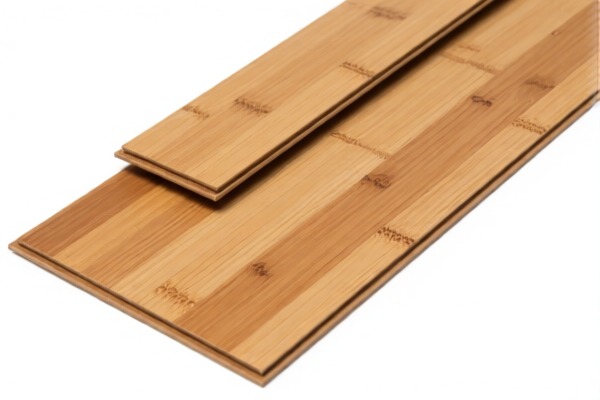
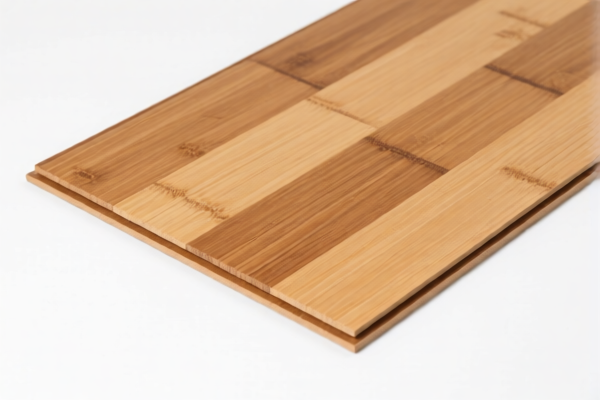
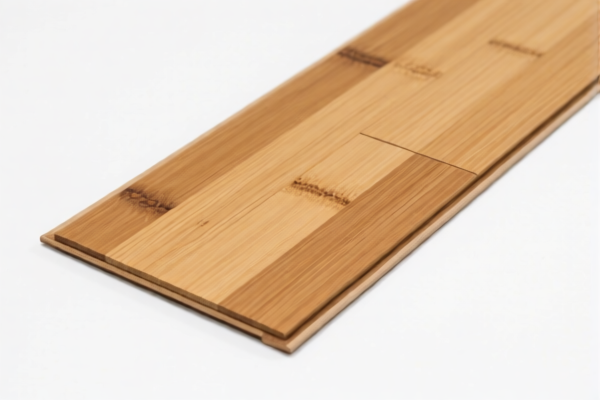
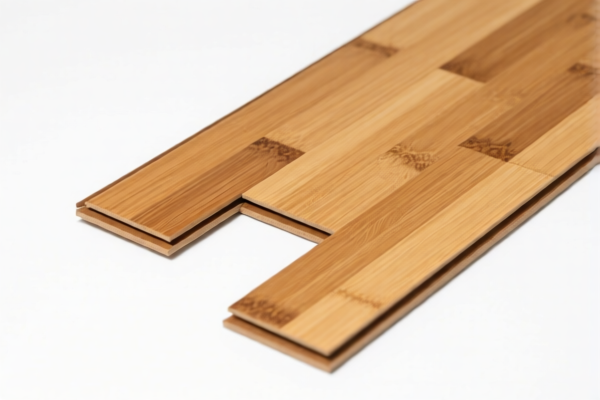
Product Images
AI Analysis
🎋 Bamboo Pallet Lock (Bamboo Packing Materials & Accessories)
🌐 HS Code Reference & Customs Clearance Guide | 2026 Latest Tariff Analysis | Professional Entry Strategies
📌 I. Product Definition & Classification: What is a "Bamboo Pallet Lock"?
A "Bamboo Pallet Lock" typically refers to specialized bamboo components, wedges, locks, or brackets used in the assembly, stabilization, or repair of bamboo pallets. In international trade, these items are rarely classified as "tools" or "machinery." Instead, they are categorized based on their material (Bamboo) and form (Woven vs. Solid/Processed).
The key distinction for customs classification lies in whether the item is considered: 1. Woven Bamboo Goods: If the lock is made of split bamboo strips woven or braided into a structural shape (e.g., woven clips, woven wedges). 2. Processed Bamboo Tableware/Kitchenware: If it is a solid, turned, or planed bamboo piece used for holding food or kitchen tasks (rare for pallet locks, but possible if misdeclared). 3. Other Bamboo Articles: Solid bamboo blocks, wedges, or connectors not meeting the definition of woven goods.
⚠️ Critical Distinction Point:
- If the product is woven/braided (interlaced strips) → It falls under Chapter 46 (Articles of Bamboo Matting or Wickerwork).
- If the product is solid, carved, or planed (non-woven) → It likely falls under Chapter 44 (Wood and Articles of Wood), specifically as other wooden articles or potentially tableware if used for food handling (less likely for pallets, but possible if mislabeled).
- Note: Bamboo is legally treated as wood under HS Code 44, unless it is specifically woven/matted under Chapter 46.
📦 II. HS Code Classification Details (Based on Provided Data)
| HS Code | Product Description | Material/Form | Total Tax Rate | Tax Breakdown |
|---|---|---|---|---|
| 4602.11.35.00 | Bamboo woven goods, material: Bamboo, form: Plate/Dish-like structure | Woven Bamboo (Bamboo matting/wickerwork) | 35.0% | Base: 0.0% Additional (Section 301): 25.0% Section 122: 10% |
| 4419.11.00.00 | Bamboo tableware and kitchen utensils, material: Bamboo, use: Plate | Solid/Processed Bamboo (Tableware category) | 13.2% | Base: 3.2% Additional: 0.0% Section 122: 10% |
| 4419.19.90.00 | Other bamboo tableware and kitchen utensils, material: Bamboo, use: Plate | Solid/Processed Bamboo (Tableware category) | 13.2% | Base: 3.2% Additional: 0.0% Section 122: 10% |
| 4602.11.45.00 | Bamboo woven goods, material: Bamboo, form: Plate/Dish-like structure | Woven Bamboo (Bamboo matting/wickerwork) | 41.6% | Base: 6.6% Additional (Section 301): 25.0% Section 122: 10% |
| 4602.11.35.00 | Bamboo woven goods, material: Bamboo, form: Plate/Dish-like structure | Woven Bamboo (Bamboo matting/wickerwork) | 35.0% | Base: 0.0% Additional (Section 301): 25.0% Section 122: 10% |
🔍 Key Insight:
- Woven Bamboo Items (Chapter 46) attract high tariffs (35%-41.6%) due to significant Section 301 additional duties (25%).
- Non-Woven Bamboo Items (Chapter 44 - Tableware) attract lower tariffs (13.2%) because they do not incur the Section 301 additional duty, only the base rate and Section 122.
- Warning: Classifying a "Pallet Lock" as "Tableware" (4419) when it is actually a "Woven Good" (4602) is a high-risk misclassification that can lead to audits, penalties, and back taxes.
💰 III. 2026 Latest Tariff Rate Breakdown (US Market Focus)
✅ Applicable Country: United States (US)
✅ Origin: China (CN)
✅ Effective Date: 2025-11-10 onwards
🎯 1. 4602.11.35.00 / 4602.11.45.00 —— Bamboo Woven Goods (High Tariff Risk)
| Item | Content |
|---|---|
| Base Tariff | 0.0% (for .35) / 6.6% (for .45) |
| USITC Additional Duty (Section 301) | +25% |
| Section 122 Duty | +10% |
| Total Rate | 35.0% (for .35) or 41.6% (for .45) |
| Calculation | CIF Value × Total Rate |
| De Minimis Exemption | ❌ Not Eligible (Section 301 items are excluded from 80.01(a) de minimis) |
| Legal Basis | Section 301 → Section 122 → HTSUS:4602.11 |
📌 Explanation:
- Woven bamboo articles are heavily targeted by US trade policies.
- The 25% Section 301 duty is the primary cost driver.
- Even if the base rate is 0%, the total burden is 35% or higher.
🎯 2. 4419.11.00.00 / 4419.19.90.00 —— Bamboo Tableware/Kitchen Utensils (Lower Tariff)
| Item | Content |
|---|---|
| Base Tariff | 3.2% |
| USITC Additional Duty (Section 301) | 0.0% (Exempted) |
| Section 122 Duty | +10% |
| Total Rate | 13.2% |
| Calculation | CIF Value × 13.2% |
| De Minimis Exemption | ❌ Not Eligible (Section 122 items are generally excluded from de minimis) |
| Legal Basis | Section 122 → HTSUS:4419 |
📌 Explanation:
- Bamboo tableware is exempt from the 25% Section 301 duty.
- This makes the total tariff 13.2%, significantly lower than woven goods.
- Caution: Only applies if the product is genuinely intended for table/kitchen use. Misclassifying pallet hardware as tableware is fraud.
🛠️ IV. Customs Clearance Practical Advice (Avoiding Pitfalls)
✅ 1. Documentation Checklist (Mandatory)
| Document | Required? | Notes |
|---|---|---|
| ✅ Product Specification Sheet | ✔️ | Must describe material (Bamboo), structure (Woven vs. Solid), and function (Pallet Lock/Wedge). |
| ✅ Photos (Clear & Detailed) | ✔️ | Show cross-sections to prove if it’s woven or solid. Show usage context. |
| ✅ Commercial Invoice | ✔️ | Must match HS Code description exactly. |
| ✅ Packing List | ✔️ | Weight and dimensions per unit. |
| ✅ Origin Certificate | ✔️ | To prove CN origin (subject to duties). |
✅ 2. Classification Strategy & Warnings
| Scenario | Correct Classification | Risk if Misclassified |
|---|---|---|
| Woven Bamboo Lock (Interlaced strips) | 4602.11.35.00 or 4602.11.45.00 |
If misdeclared as Tableware (4419): Penalty for Fraud. Back taxes (22% difference). |
| Solid Bamboo Wedge/Lock (Turned/Planed) | Likely 4419 if tableware, or 4421/4414 if structural. Based on data, only 4419 is provided. |
If misdeclared as Woven: Overpay Tax. If misdeclared as Non-Bamboo: Underpay Tax + Penalty. |
| Plastic/Metal Bamboo-Look Lock | Not in provided data. Likely Chapter 39 or 83. | If declared as Bamboo: Severe Penalty. |
🔥 Critical Advice:
- Do NOT classify pallet hardware as "Tableware" (4419) unless it is explicitly designed and marketed for food service. Customs may reject this if photos show pallet use.
- Do NOT assume all bamboo goods are the same. Woven (Ch 46) vs. Solid (Ch 44) is the biggest tariff difference.
✅ 3. Special Situations
| Situation | Handling Advice |
|---|---|
| Mixed Shipments (Woven + Solid) | Declare separately. Do not combine under one HS code. |
| Sample for Testing | Still subject to duties unless entered under temporary admission (rare for commercial goods). |
| Renewed Bamboo | If recycled, ensure it’s not classified as waste (Chapter 47/48). |
🌍 V. Global Market Comparison (2026)
| Market | Recommended HS Code | Est. Tariff (CN Origin) | Notes |
|---|---|---|---|
| 🇺🇸 USA | 4602.11.35.00 / 4419.11.00.00 |
13.2% - 41.6% | High Section 301 & 122 duties. |
| 🇨🇳 China | 4602.11.35.00 / 4419.11.00.00 |
~0% - 5% | Export duties may apply, but low import into CN. |
| 🇪🇺 EU | 4602.11 / 4419.11 |
0% - 6.5% | No Section 301/122 equivalents. |
| 🇯🇵 Japan | 4602.11 / 4419.11 |
0% - 6% | Free trade agreement benefits may apply. |
📌 Conclusion:
- The US market is the most expensive due to Section 301 and Section 122 tariffs.
- Woven bamboo goods face a ~30% higher tariff than non-woven bamboo tableware in the US.
📌 VI. Common Errors & Pitfalls (Lessons Learned)
❌ Error 1: Declaring a Woven Bamboo Pallet Lock as Bamboo Tableware (4419) to save tax.
👉 Consequence: Customs audit, seizure, back taxes of ~22%, and potential fraud penalties.
❌ Error 2: Ignoring Section 122 (10%).
👉 Consequence: Even if you get the base code right, forgetting Section 122 leads to underpayment.
❌ Error 3: Assuming De Minimis ($800) applies.
👉 Consequence: Section 301 and Section 122 items are excluded from de minimis. All shipments are taxed.
✅ Correct Approach:
“Woven = 4602 (High Tax), Solid/Table = 4419 (Lower Tax). Prove material form with photos. No de minimis.”
🎯 VII. Conclusion: Professional Classification Saves Money
🎯 Key Takeaway:
🔹 Woven Bamboo (
4602) → 35-41.6% Total Tax
🔹 Non-Woven Bamboo Tableware (4419) → 13.2% Total Tax
🔹 Pallet Locks are often Woven → Expect 35%+ duty.
📌 Action Item:
📞 Contact a Customs Broker: Provide photos of the "Bamboo Pallet Lock" to confirm if it is woven or solid.
🚀 Optimize Supply Chain: If possible, explore non-bamboo alternatives or sourcing from non-US-tariffed countries (e.g., Vietnam, Thailand) for woven items.
✨ Precision in Classification = Precision in Profit!
💼 Don’t let a 20% tax mistake eat your margin!
Customer Reviews
About HS Code Classification
The Harmonized System (HS) is an internationally standardized nomenclature developed by the World Customs Organization (WCO) to classify traded products. Over 200 countries use the HS system as the basis for customs tariffs, trade statistics, and import/export regulations.
Each HS code follows a hierarchical structure:
- Chapter (2 digits) — Broad category of goods (e.g., Chapter 84: Machinery and Mechanical Appliances)
- Heading (4 digits) — More specific grouping within the chapter
- Subheading (6 digits) — Internationally standardized breakdown, used by all WCO member countries
- National subdivisions (8-10 digits) — Country-specific extensions for further classification, such as US HTSUS 10-digit codes
Correct HS code classification is essential for smooth customs clearance, accurate duty payment, and compliance with trade regulations. Misclassification can lead to customs delays, overpayment of duties, or penalties.
When importing from CN to US, the applicable tariff rates may include:
- Most-Favored-Nation (MFN) rate — The standard duty rate applied to WTO members
- General rate — Applied to countries without trade agreements
- Trade remedy duties — Additional tariffs such as Section 301 (anti-dumping), Section 232 (national security), or countervailing duties
The information provided on this page is for reference purposes only. For official classification, please consult with your local customs authority or a licensed customs broker.